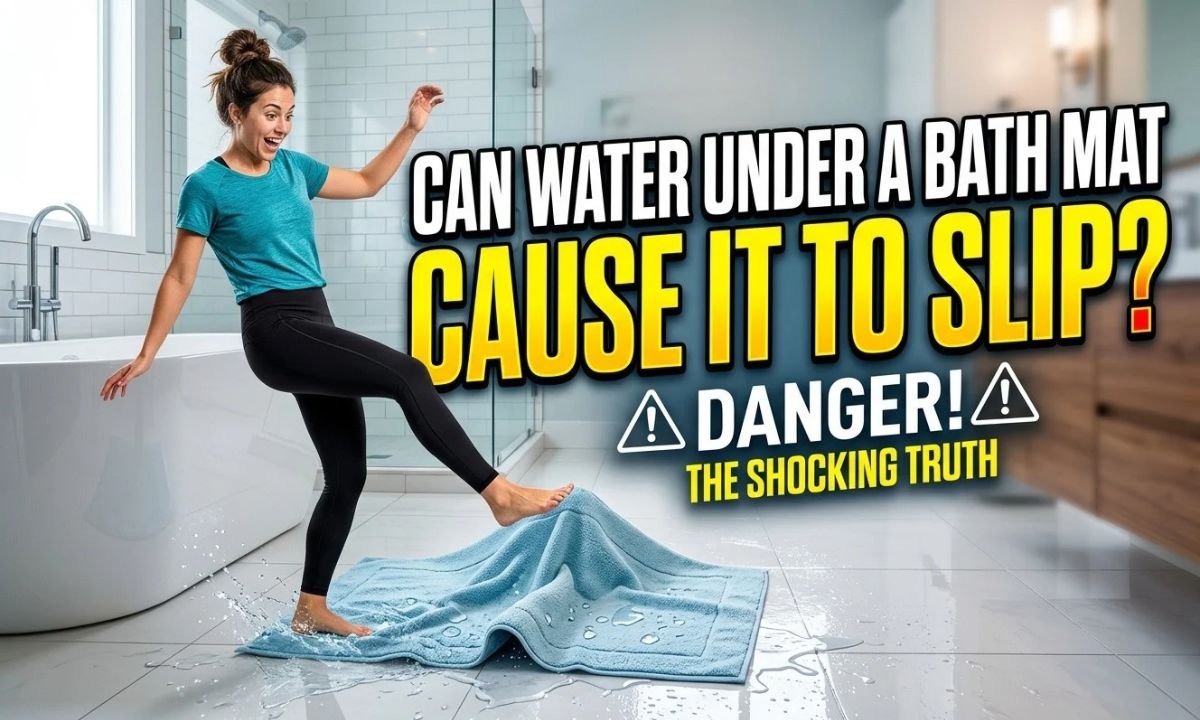
Yes. Water under a bath mat can make it more likely to move or slide, especially when the floor or the underside of the mat loses grip.
In U.S. homes, a bath mat is often used to help manage water around a tub or shower, but it is not automatically slip-proof. The U.S. Consumer Product Safety Commission has noted that a bath mat can be less effective when it is worn, dirty, or has water underneath it. Wet bathroom surfaces are also a known fall hazard.
The key issue is traction. When water forms between the mat and the floor, it can change how the mat contacts the surface. If the mat has a smooth backing, poor drainage, weak grip, or is already worn, the mat may shift when you step on it. A mat that moves can also expose a wet floor beneath your feet.
Source: amazon.com.au
Why Can Water Under a Bath Mat Cause It to Slip?
Yes, water underneath a bath mat can contribute to slipping. The mat needs steady contact with the floor to resist movement. A layer of water can interfere with that contact, particularly when the mat backing is not designed to maintain traction when wet.
The problem is not simply that the mat is wet. Many bathroom mats are designed to get wet. The concern is water collecting between the backing and the floor, where it can reduce grip and allow the mat to shift when someone puts weight on it.
The U.S. Consumer Product Safety Commission has specifically reported that bath mats with water underneath them, as well as worn or dirty mats, may not work effectively for preventing slips. That makes trapped water a practical warning sign rather than something to ignore.
Source: adams-partners.com
Water reduces dependable contact
A wet layer between two surfaces can make the mat less stable, especially when the backing does not grip well on smooth flooring.
Movement can expose wet flooring
If the mat shifts away from its original position, your foot may land partly on the uncovered wet floor.
The mat may already have a problem
Water underneath can reveal poor drainage, worn backing, curling edges, or a mat that is no longer suitable for the bathroom floor.
How the Water Gets Under the Mat
Water can reach the underside when people step out of a shower or bath with wet feet, when water splashes beyond the tub, or when a mat becomes saturated. Cleaning can also leave moisture underneath if the mat is placed back on the floor before both surfaces are dry.
Some mats have openings or textured backs that allow moisture to move away. Others can trap water against a smooth bathroom floor. The amount of water and the design of the mat both affect how stable it remains.
Wet feet
Water carried out of the tub or shower can soak the mat and eventually reach its underside.
Splashing
Shower spray or bath water can travel beyond the bathing area and collect beneath the mat.
Poor drying
A mat that stays flat against a wet floor may hold moisture underneath instead of allowing the area to dry.
What Makes a Bath Mat More Likely to Slide?
Water is only one part of the problem. The condition of the mat, the type of floor, and the backing material can all affect stability. A mat that stays secure when dry may behave differently after becoming saturated.
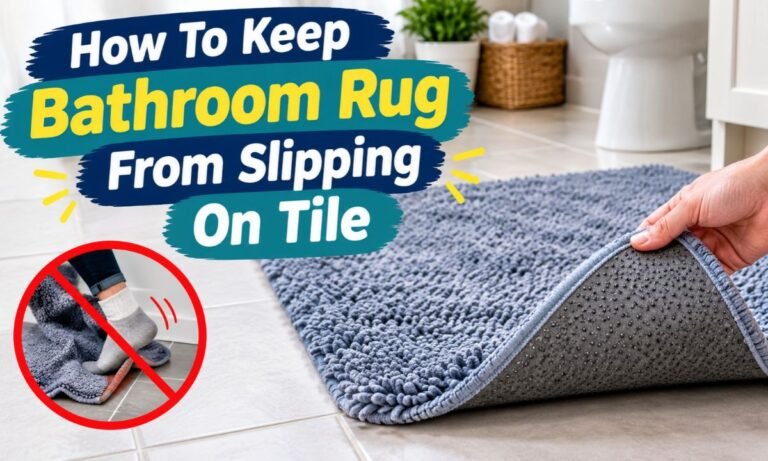
Smooth bathroom floors can make mat movement more noticeable because there may be less natural resistance between the floor and the mat backing. A worn backing can also lose the texture or grip it had when the mat was new.
Source: sorensonlaw.net
Worn backing
Cracked, peeling, flattened, or damaged backing may no longer provide dependable traction.
Smooth flooring
Highly smooth tile, vinyl, or other hard surfaces can make a poorly gripping mat easier to move.
Saturated material
A heavily soaked mat may become heavier and less stable while also leaving moisture beneath it.
Curled edges
Edges that no longer lie flat can catch a foot or allow the mat to move when stepped on.
Soap or residue
Cleaning residue or bath products around the mat can make the surrounding surface more slippery.
The Backing Matters as Much as the Top
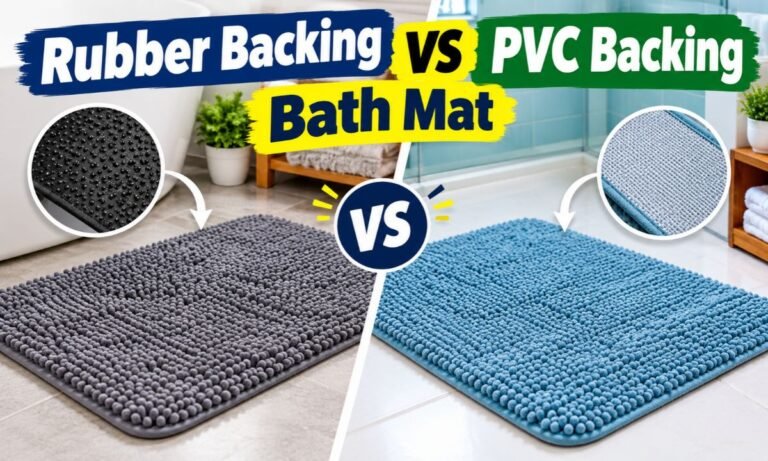
A soft, absorbent top does not automatically mean a bath mat is non-slip. The underside is the part that needs to maintain contact with the floor. Look for damage, separation, cracking, or areas that have become unusually smooth.
If the backing is deteriorating, cleaning it will not restore the original grip. Replacement is usually more sensible than continuing to rely on a damaged mat in a wet area.
Check for damage
Inspect the entire underside for peeling, cracks, worn patches, or missing sections.
Check whether it stays flat
A mat that curls, bunches, or folds should not be treated as a stable walking surface.
How to Check If Water Is Making Your Bath Mat Slip
The simplest check is to remove the mat and inspect both the floor and the underside. Do not test a questionable mat by repeatedly stepping on it while the floor is wet. Instead, examine it when you can do so without creating a fall hazard.
Start by lifting the mat carefully. If water is visible underneath, dry the floor and the underside of the mat. Then inspect the backing for damage and check whether the mat lies flat when returned to a clean, dry surface.
If the mat still shifts with light hand pressure after everything is dry, treat that as a warning that the mat is not providing reliable grip.
Source: ar.pinterest.com
1. Remove the mat
Move it out of the walking path so you can inspect the floor safely.
2. Look for trapped water
Check whether moisture has collected between the mat and the bathroom floor.
3. Dry both surfaces
Dry the floor and the underside of the mat before putting the mat back.
4. Inspect the backing
Look for wear, peeling, cracks, curling, or sections that no longer grip.
5. Check stability
Once dry and correctly positioned, make sure the mat does not readily move or bunch up.
Signs Your Bath Mat Should Be Replaced
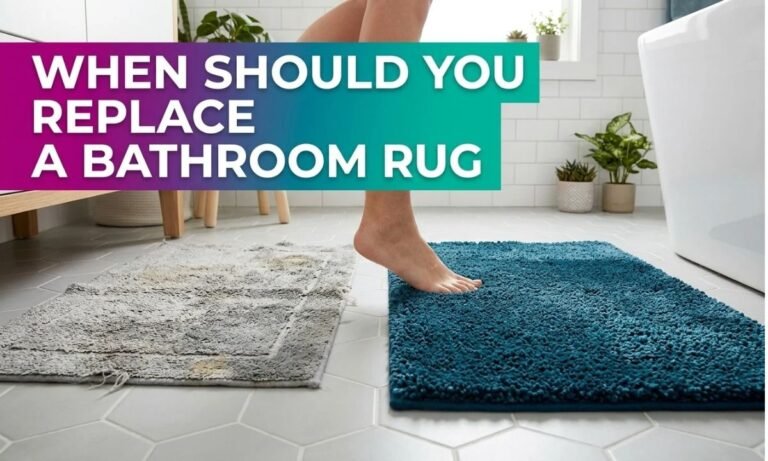
Replacement makes sense when the mat repeatedly moves despite being placed on a clean, dry floor. The same is true when the backing has deteriorated or the mat cannot stay flat.
Do not keep using a mat simply because the top still looks clean. The condition of the underside is directly relevant to how well the mat stays in place.
It slides when stepped on
Repeated movement is a clear sign that the mat is not staying reliably positioned.
The backing is peeling
A damaged backing can reduce contact with the floor and make movement more likely.
It stays wet underneath
Persistent trapped water suggests that the mat or its placement is not allowing the area to dry properly.
How to Stop Water From Building Up Under a Bath Mat
The most useful approach is to control both moisture and movement. Keep the mat on a clean, dry floor, allow it to dry between uses when practical, and replace it when the backing no longer provides dependable grip.
If the mat becomes soaked, remove it instead of leaving it pressed against the floor for long periods. Drying the floor underneath also helps prevent a hidden wet area from remaining where someone may step later.
Regular cleaning matters too. Dirt, soap residue, and product buildup can affect the surfaces that need to stay in contact with each other.
Source: naturevahome.com
Dry the floor first
Before placing the mat down, make sure the bathroom floor is reasonably dry and free of slippery residue.
Let the mat dry
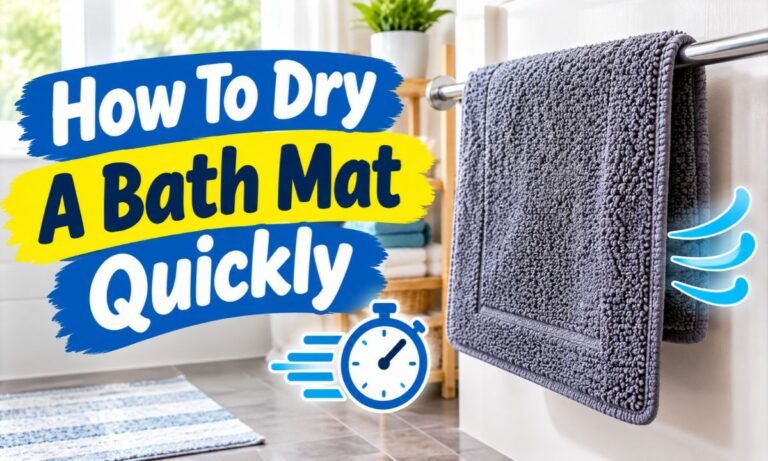
Lift or hang the mat when appropriate so moisture can escape instead of remaining trapped underneath.
Clean the underside
Follow the mat manufacturer’s care instructions and remove buildup that could affect its grip.
Keep the mat flat
Position it so it does not bunch, fold, or curl into the main walking path.
Replace worn mats
If the backing has lost its grip or the mat keeps moving, replacement is safer than relying on a deteriorated surface.
Should You Put a Bath Mat on a Wet Floor?
It is better to put a bath mat on a clean, reasonably dry floor when possible. A bath mat is meant to handle moisture, but that does not mean the floor beneath it should remain wet.
If water has pooled under the mat, remove the mat and dry the area before putting it back. This also gives you a chance to check whether the mat itself is holding too much moisture or has developed a backing problem.
Small amounts of surface moisture
A properly designed bathroom mat may handle normal moisture, but it should still remain stable.
Visible water underneath
Remove the mat, dry the floor, and inspect the backing rather than leaving the water trapped.
What Type of Bath Mat Is Safer for a Wet Bathroom?
There is no single bath mat that is right for every bathroom floor. The useful feature to look for is dependable traction on the actual surface where the mat will be used, along with a construction that can handle moisture.
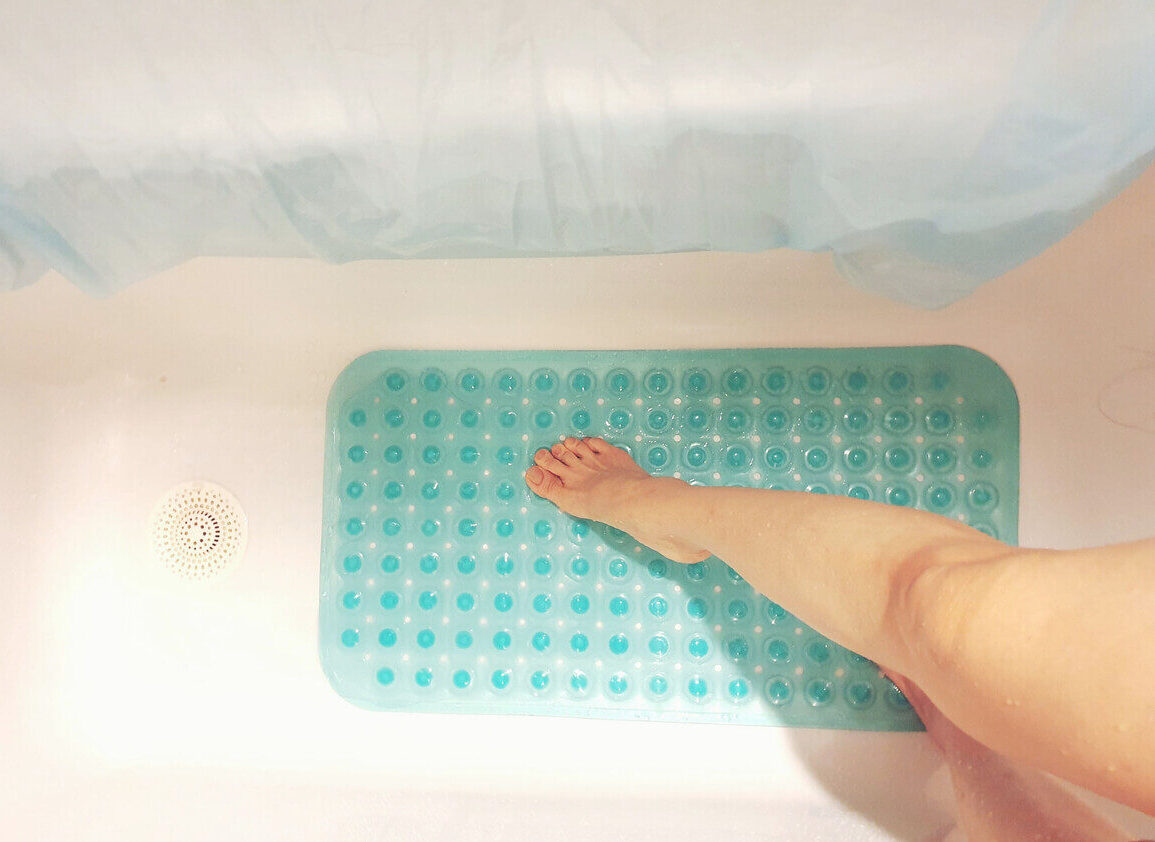
A mat should not be considered safe merely because its packaging says non-slip. Its backing, floor compatibility, condition, and ability to remain flat all matter. The U.S. Consumer Product Safety Commission has emphasized that a non-slip bath mat should maintain grip on both the surface people step on and the surface contacting the tub or floor under normal wet conditions.
For a bathroom floor outside the tub or shower, make sure the mat is intended for that type of surface. A mat designed for use inside a tub may not behave the same way on a smooth tile floor.
Source: thegadgetians.com
Look for a suitable non-slip backing
The underside should be designed to resist movement on the type of floor you have.
Match the mat to its location
A mat for the bathroom floor is not necessarily the same as a mat intended for the inside of a bathtub or shower.
Follow care instructions
Washing and drying instructions can affect the condition of the backing and the useful life of the mat.
Do Not Confuse Absorbency With Slip Resistance
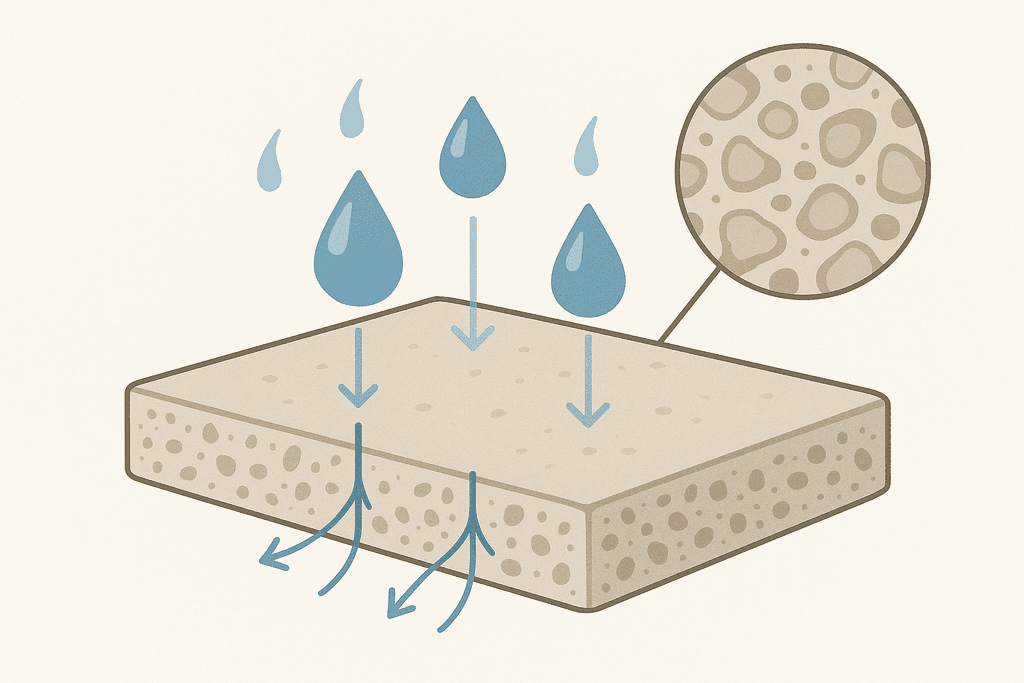
A highly absorbent mat can help manage water, but absorbency alone does not stop the mat from moving. The top surface handles moisture while the backing helps keep the mat positioned.
For that reason, evaluate both functions. A mat that soaks up water well but slides across the floor can still create a safety problem.
Absorbency
This describes how the mat handles water on its upper surface.
Slip resistance
This describes how well the mat and the walking surface resist unwanted movement or loss of footing.
Common Mistakes That Can Make a Bath Mat Less Stable
Many bath mat problems come from simple maintenance or placement mistakes. A mat can look fine from above while its underside is wet, worn, or dirty.
Another common mistake is assuming that a non-slip label means the mat can never move. Slip resistance depends on the mat’s condition and the surface underneath it, so regular inspection is still useful.
Source: aqviz.com
Leaving water trapped underneath
Moisture that remains under the mat can interfere with stable contact and keep the floor wet.
Using a worn mat
A deteriorated backing may no longer provide the grip the mat had when new.
Placing it over residue
Soap, cleaner, body oil, or other residue can make the floor or mat surface less predictable.
Ignoring movement
If the mat repeatedly shifts, continuing to use it without fixing the cause leaves a known hazard in place.
Testing it while rushing
A bathroom mat should not be tested by walking quickly across it or deliberately stepping on it while the floor is wet.
When a Bath Mat Is Not Enough
A bath mat cannot remove every bathroom fall hazard. If the tub, shower floor, or surrounding floor itself is slippery, the mat outside the bathing area does not solve that problem.
For people who have difficulty balancing or getting in and out of a tub or shower, additional safety measures may be appropriate. U.S. and public-health guidance has highlighted non-slip surfaces and bathroom supports such as properly installed grab bars as ways to reduce fall hazards.
Inside the tub or shower
Use a product specifically designed for that location rather than assuming a regular floor mat belongs inside the bathing area.
Getting in and out
If balance or mobility is a concern, consider appropriate bathroom support equipment and professional guidance.
Frequently Asked Questions
Q
Can water under a bath mat make the floor slippery?
Yes. Water trapped under a bath mat can reduce stable contact and may make the mat easier to move. It can also leave the floor underneath wet and slippery.
Q
Should I remove my bath mat when it gets wet underneath?
Yes. Remove it, dry the floor and the mat’s underside, then inspect the backing before putting it back. Replace it if it no longer stays firmly in place.
Q
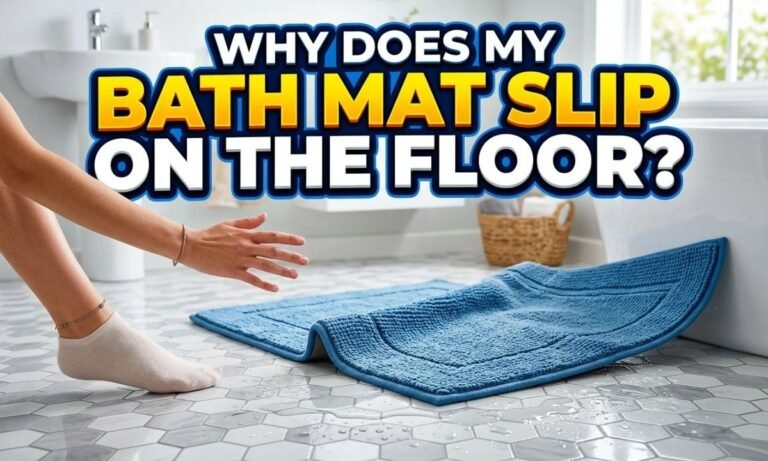
Why does my bath mat keep sliding on tile?
Smooth tile, trapped water, soap residue, and a worn or unsuitable backing can all contribute to movement. Check the floor and backing when both are dry.
Q
Does a non-slip bath mat still need to be dried?
Yes. Non-slip describes the mat’s intended grip, not a guarantee that it will stay stable under every condition. Keeping the floor and backing clean and reasonably dry helps.
Q
When should I replace a bath mat?
Replace it when the backing is damaged, the mat curls or bunches, or it repeatedly moves on a clean, dry floor. Do not rely on a worn mat in a wet area.
✦ Wrapping Up
Conclusion
Water under a bath mat can contribute to slipping because it may interfere with the mat’s contact with the floor. The risk can increase when the mat is worn, dirty, poorly suited to the floor, curled, or unable to drain or dry properly.
A simple inspection can often identify the problem. Remove the mat, dry the floor and underside, check the backing, and make sure the mat lies flat and remains stable. If it continues to move, replacing it is a better option than continuing to rely on it.
For broader bathroom safety, remember that a floor mat is only one part of the setup. Wet tub and shower surfaces, poor traction, and difficulty getting in or out of the bathing area can require additional safety measures.
💡 Key Takeaway
If you find water under your bath mat, remove it and dry both surfaces before using it again. If the mat still slides or the backing is damaged, replace it with a suitable non-slip mat.






One Comment