To remove mildew smell from a bath rug, wash it according to the care label, use a suitable laundry detergent, rinse well, and dry it completely before putting it back in the bathroom.
A damp bath rug can develop a musty or mildew-like odor surprisingly quickly, especially in humid U.S. bathrooms where the rug stays wet after showers. The smell is usually a sign that moisture has been trapped in the rug long enough for microorganisms and their odor-producing compounds to become noticeable.
The most useful approach is not to cover the smell with fragrance. Start by checking the rug’s care label, washing it correctly, and drying it completely. If the odor keeps returning, look for the moisture source, such as a wet bathroom floor, poor ventilation, a rug that dries too slowly, or a backing that traps water.
Source: easyhometips.org
Why Does a Bath Rug Smell Like Mildew?
A bath rug smells musty when moisture remains trapped in its fibers, backing, or both. Bathroom humidity, shower water, wet feet, and a rug placed directly on a damp floor can all slow drying. Microorganisms can grow when moisture remains available, and some molds produce volatile compounds associated with the familiar musty odor.
The key to controlling mildew is moisture control. Washing the rug can remove odor-producing material, but the problem is likely to return if the rug remains damp between uses.
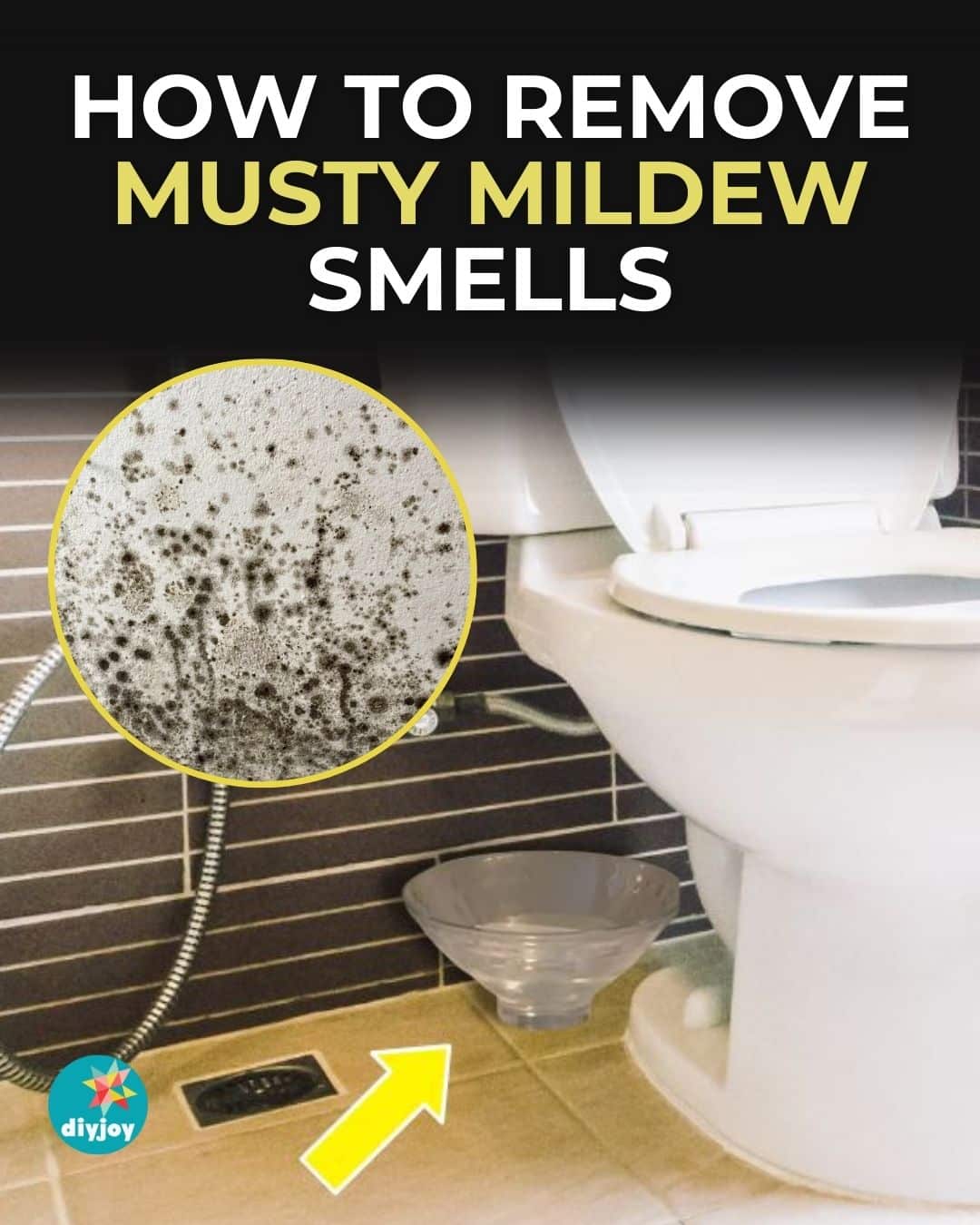
A mildew smell does not always mean you can see mold. Odor may appear before obvious discoloration, while a rug with visible spotting needs more careful handling than one that simply smells stale.
Source: storables.com
A wet rug
A rug that stays wet for long periods provides the moisture needed for unwanted microbial growth.
Poor bathroom ventilation
Steam and humidity can slow evaporation, especially when the bathroom has limited airflow.
A damp floor underneath
Water trapped between the rug and floor can keep the underside wet even when the top feels dry.
Slow-drying materials
Thick pile, dense foam, and some rubber-backed designs can retain moisture longer than lightweight washable rugs.
Is a Mildew Smell the Same as a Normal Damp-Rug Smell?
Not necessarily. A recently wet rug may simply smell like damp fabric, while a persistent musty odor after the rug should have dried suggests that more cleaning or moisture control is needed.
If the smell returns soon after washing and complete drying, check the backing, the floor beneath the rug, nearby shower areas, and the bathroom’s ventilation.
What You Need Before Cleaning a Smelly Bath Rug
Before cleaning, read the care label. Bath rugs vary widely. Some cotton and synthetic rugs are machine washable, while memory-foam, delicate, or rubber-backed rugs may have restrictions on washing, heat, agitation, or dryer use.
For a washable rug, gather a suitable laundry detergent, clean water, and a place where the rug can dry thoroughly. An old towel can also help absorb excess water from a heavy rug before air-drying.
If you plan to use an oxygen-based laundry product, confirm that the rug’s care instructions and fiber type allow it. Do not assume that a product safe for white cotton is safe for every colored, synthetic, or backed bath rug.
Source: themamasgirls.com
Laundry detergent
Use a detergent suitable for the rug’s fabric and follow the product and garment-care directions.
Oxygen bleach when permitted
For compatible washable fabrics, an oxygen-based laundry product can be considered for stubborn odor or staining. Follow its label.
Use a well-ventilated area for cleaning and drying, especially when the bathroom itself is humid.
What About Baking Soda or Vinegar?
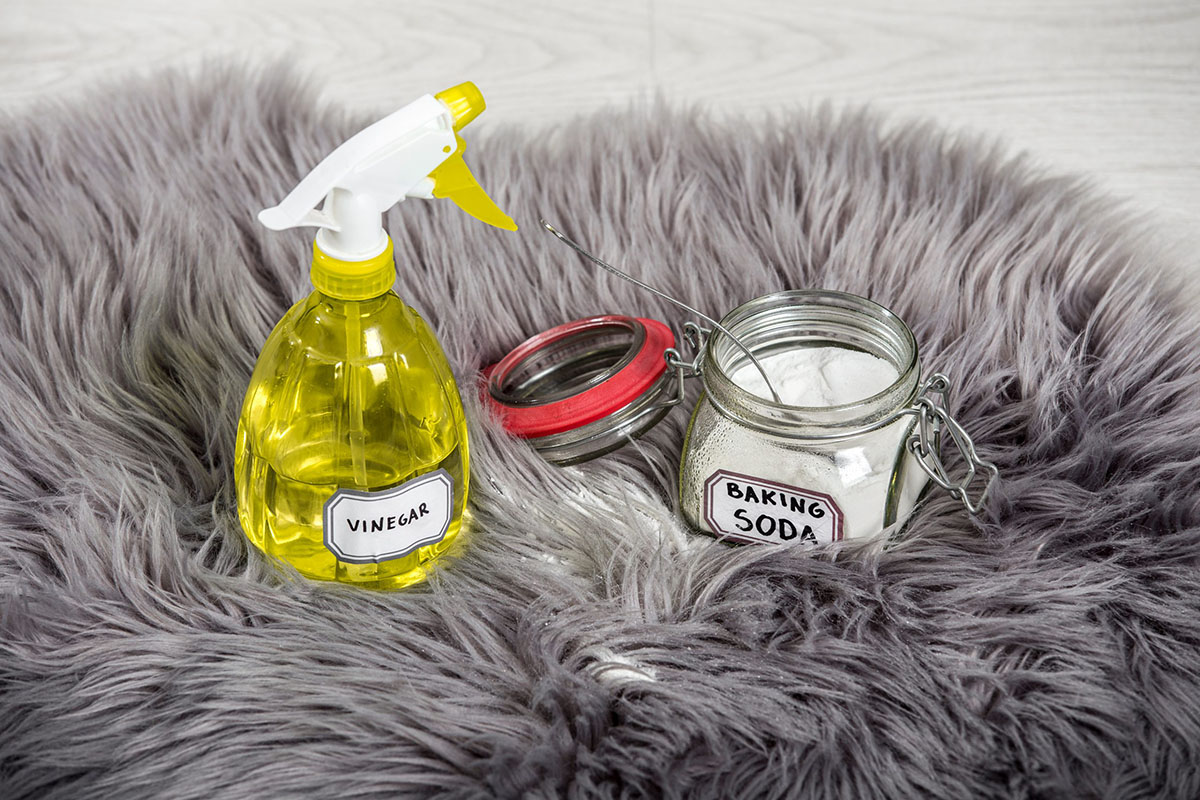
Baking soda and diluted white vinegar are common household odor-removal suggestions, but neither should replace proper washing and complete drying when a bath rug has a persistent mildew smell.
If you use a household cleaning product, follow its label and the rug manufacturer’s instructions. Never mix vinegar with chlorine bleach, and never mix bleach with ammonia or other cleaners.
How to Remove Mildew Smell From Bath Rug Step by Step
The most dependable approach for a washable bath rug is to remove excess moisture, wash the rug according to its care instructions, rinse thoroughly, and dry it completely. Do not put a visibly moldy or heavily contaminated rug straight into a routine wash without considering how much material is affected and whether the rug can be cleaned safely.
Follow these steps for a standard washable bath rug.
Source: enviroklenz.com
1. Take the rug out of the bathroom
Move the rug to a suitable cleaning area so you can inspect both sides without spreading moisture around the bathroom.
2. Check both sides
Look for visible spots, damp backing, peeling material, or damage. Pay special attention to areas that stay against the floor.
3. Shake off loose debris outdoors when practical
If the rug is dry enough to handle and you are concerned about loose particles, take it outside before cleaning. Avoid vigorous handling of heavily moldy material indoors.
4. Wash according to the care label
Use the recommended water temperature, cycle, detergent amount, and washing method. Avoid exceeding the manufacturer’s limits.
5. Add an approved odor-treatment step if needed
For compatible washable fabrics, use an oxygen-based laundry product according to its label when ordinary washing does not remove the odor.
6. Rinse thoroughly
A thorough rinse helps remove loosened soil, detergent residue, and odor-producing material.
7. Dry completely
Dry the rug using the method allowed by its care label. Airflow from a fan can help when safe and appropriate.
8. Check the smell before returning it
Do not put the rug back on the bathroom floor while it is still damp. Smell and inspect it after it is completely dry.
How Do You Know the Rug Is Really Dry?
Do not judge dryness only by touching the top. Check the underside, edges, seams, and any thick or padded areas. A rug can feel dry on top while retaining moisture underneath.
If the backing still feels cool, damp, or noticeably heavier than expected, continue drying it. A fan and better room ventilation can speed evaporation when used safely.
What If the Smell Is Still There After One Wash?
First, let the rug dry completely and then inspect it again. If the odor remains, repeat the manufacturer’s approved washing process rather than immediately combining several cleaning chemicals.
Also check the bathroom floor and the rug’s underside. If moisture is trapped beneath the rug or the room remains humid, another wash alone may not solve the problem.
How to Clean a Rubber-Backed or Memory-Foam Bath Rug
Rubber-backed and memory-foam bath rugs need extra care because the backing or foam may not tolerate the same washing and drying conditions as a simple cotton rug. Heat, aggressive agitation, or unsuitable chemicals can damage the backing even if the fabric itself appears washable.
Check the manufacturer’s instructions before putting this type of rug in a washing machine or dryer. If machine washing is prohibited, clean the rug using the method specified by the manufacturer and focus on thorough rinsing and drying.
Source: diyjoy.com
Do not assume hot drying is safe
High heat can damage some rubber, latex, foam, or adhesive-backed materials.
Inspect the backing
If the backing is cracking, peeling, sticky, or separating, cleaning may not restore the rug’s usefulness.
Dry both surfaces
Hang or position the rug so air can reach the fabric and backing instead of trapping moisture against the floor.
Replace when necessary
A badly damaged or persistently musty rug may be more difficult to clean reliably than a washable rug in good condition.
Can You Put a Bath Rug in the Dryer?
Only if the care label permits machine drying. Use the specified temperature and cycle rather than choosing a high-heat setting simply because it seems faster.
When machine drying is not allowed, air-dry the rug completely. The goal is not merely to make the surface feel dry; moisture needs to leave the entire rug.
How to Stop the Mildew Smell From Coming Back
The best long-term fix is to keep the bath rug from staying damp. Washing removes soil and odor, but moisture control prevents the conditions that allow musty smells to return.
After showering, allow the rug to dry rather than leaving it bunched up. Hang or position it so air can circulate underneath when the design permits. Use the bathroom exhaust fan during and after showers according to the home’s ventilation setup.
Source: cleantothemaxx.com
Improve airflow
Use the bathroom exhaust fan or other safe ventilation methods to reduce moisture after showers.
Do not leave the rug bunched up
Folds can trap water and slow drying.
Keep the floor dry
Dry wet areas beneath and around the rug so moisture does not remain trapped against the backing.
Wash on a regular schedule
The right cleaning frequency depends on how often the rug gets wet, how quickly it dries, and the manufacturer’s care instructions.
Address leaks promptly
A plumbing leak or recurring water problem can keep the rug damp and make odor return even after thorough washing.
Why Does My Bath Rug Smell Again After Washing?
A returning smell often means moisture is still part of the problem. The rug may not be drying completely, or the floor, backing, bathroom air, or nearby water source may be keeping it damp.
Inspect the rug when it is completely dry. If the smell comes back quickly despite proper cleaning and drying, consider whether the material is holding moisture deep inside or whether replacement is warranted.
How Often Should You Wash a Bath Rug?
There is no single schedule that fits every household. A frequently used rug in a humid bathroom may need more frequent washing than one used occasionally in a well-ventilated bathroom.
The more useful rule is to avoid allowing the rug to remain damp or visibly soiled. Follow the care label and adjust cleaning based on actual use and drying conditions.
Common Mistakes When Removing Mildew Smell From a Bath Rug
Several cleaning habits can make a musty rug harder to manage. The most common mistake is treating the odor as a fragrance problem instead of a moisture and cleaning problem.
Use one suitable cleaning method at a time, follow product directions, and allow the rug to dry fully before deciding whether the treatment worked.
Source: tipsbulletin.com
Using perfume to cover the odor
Fragrance may mask a smell temporarily but does not remove the moisture or contaminated material causing it.
Using too much detergent
More detergent is not automatically better. Excess residue can be difficult to rinse away and may leave the rug feeling coated.
Using high heat without checking the label
Heat can damage certain fibers, foam, rubber, adhesives, or backing materials.
Putting the rug back while damp
This recreates the moist environment that contributed to the odor in the first place.
Mixing cleaning chemicals
Never mix bleach with ammonia, vinegar, or other household cleaners. Chemical combinations can produce dangerous vapors.
When Should You Stop Cleaning and Replace the Rug?
Consider replacement when the rug has extensive visible mold, cannot be cleaned and dried completely, has severe water damage, or continues to produce a strong musty odor after appropriate cleaning and complete drying.
This is particularly relevant for absorbent materials that are difficult to clean throughout their thickness. If the rug is valuable or made from a specialty material, a professional rug or textile cleaner can help determine whether it can be safely restored.
When Is Professional Help Appropriate?
Professional help may make sense when mold or water damage is extensive, the rug is expensive or sentimental, the source of moisture is not obvious, or the item cannot be cleaned safely using its care instructions.
For a small, washable bath rug with a simple musty odor and no significant water damage, routine cleaning and complete drying are usually the first practical steps.
Frequently Asked Questions
Q
How do I get a mildew smell out of a bath rug quickly?
Wash the rug according to its care label, rinse it well, and dry it completely. Good airflow can speed drying, but do not use heat that the manufacturer does not allow.
Q
Does baking soda remove mildew smell from a bath rug?
Baking soda may help with some odors, but it should not replace washing and complete drying. Persistent mildew odor requires attention to the rug and the moisture causing it.
Q
Can I use vinegar to remove mildew smell from a bath rug?
Vinegar is a common household deodorizing option, but check the rug’s care instructions first. Never mix vinegar with chlorine bleach or other incompatible cleaning products.
Q
Why does my bath mat smell musty after washing?
The rug may still contain moisture in its backing, seams, or thick fibers. A damp bathroom floor or poor ventilation can also cause the odor to return after cleaning.
Q
Should I throw away a bath rug that smells like mildew?
Not always. A washable rug may recover after proper cleaning and complete drying, but extensive mold, severe damage, or a persistent odor can make replacement the more practical option.
✦ Wrapping Up
Conclusion
The simplest answer to how to remove mildew smell from a bath rug is to wash the rug correctly and dry it completely. Start with the care label, use an appropriate detergent, rinse thoroughly, and inspect both sides before returning the rug to the bathroom.
If the smell keeps coming back, do not keep adding stronger cleaners. Look for the underlying moisture problem. Better ventilation, faster drying, a dry floor underneath the rug, and timely washing can make a much bigger difference than fragrance alone.
For rugs with extensive mold, serious water damage, damaged backing, or an odor that remains after proper cleaning and drying, replacement or professional cleaning may be the safer and more practical path.
💡 Key Takeaway
Wash the bath rug according to its care label, dry every part completely, and fix the moisture source that caused the mildew smell before putting the rug back in the bathroom.
Learn what size bath rug fits a standard U.S. tub, how to measure your bathroom, which common sizes work best, and how to avoid door and clearance problems.
Learn what size bathroom rug works best for a double vanity, including runner sizes, two-rug layouts, measuring tips, clearances, and placement examples.












2 Comments