For most U.S. households, washing a frequently used bath mat about once a week is a practical routine. If the bathroom is lightly used, every one to two weeks may be enough, while a busy or humid bathroom may need more frequent washing.
In a typical American home, a bath mat deals with water, damp feet, bathroom humidity, loose hair, dust, and everyday dirt. Because the mat often stays on the floor after a shower or bath, it can remain damp longer than you realize. Regular washing helps remove the buildup that causes odors and keeps the mat feeling clean underfoot.
There is no single schedule that works for every bath mat. The right frequency depends on how many people use the bathroom, how quickly the mat dries, the material and backing, and whether the mat becomes visibly dirty or develops a musty smell. For most regularly used mats, weekly washing is a sensible starting point.
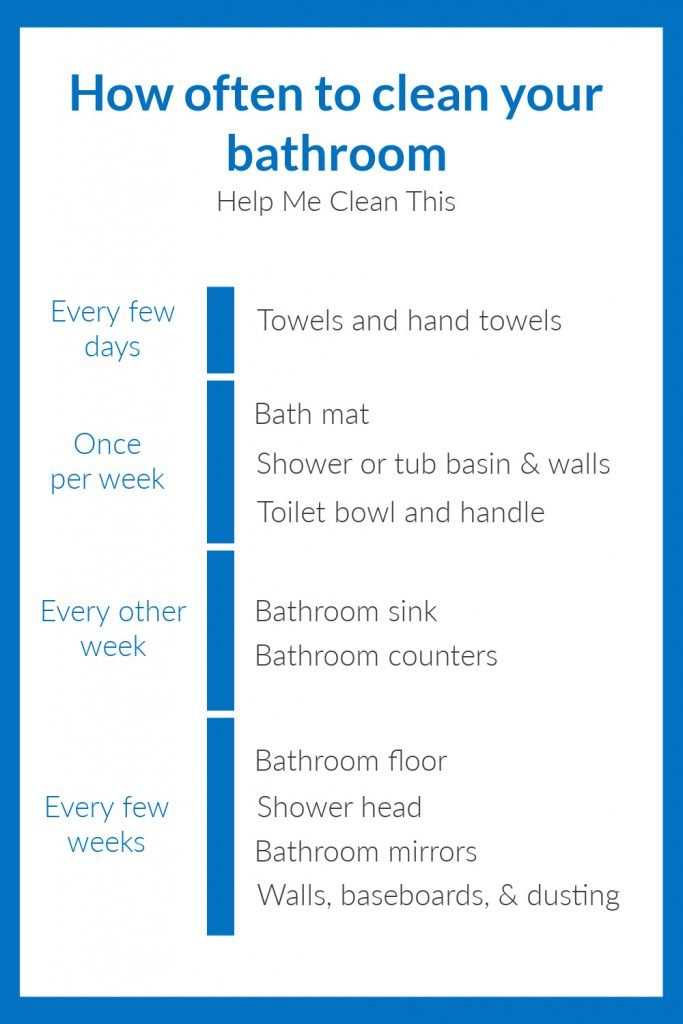
Source: towelsupercenter.com
How Often Should You Wash a Bath Mat?
For a bath mat used every day, aim for about once a week. This schedule works well for many households because the mat is repeatedly exposed to moisture and foot traffic. It also fits naturally into a weekly bathroom-cleaning routine.
You do not need to follow the calendar blindly. If several people use the same bathroom, the mat gets soaked often, or the room has poor ventilation, wash it more frequently. On the other hand, a mat in a guest bathroom that is rarely used may go longer between washes if it stays clean and dries completely.
A useful rule is to combine a regular schedule with visual and odor checks. A mat that smells musty, feels damp for long periods, or looks dirty needs attention even if it has not been a full week.
Source: cleanhomeexpert.co.uk
Daily-use bathroom
Wash about once a week. Increase the frequency if several people use the same mat or it stays damp.
Busy family bathroom
Weekly washing is a good baseline, but washing more often can make sense when the mat receives heavy traffic or frequent splashes.
Guest bathroom
Every one to two weeks may be reasonable when the bathroom is used only occasionally and the mat dries fully between uses.
Very damp bathroom
Wash sooner when humidity is high or the mat repeatedly remains wet. Improving ventilation and drying the mat can also help.
Why Weekly Washing Is a Useful Starting Point
A bath mat is designed to absorb water, so it naturally collects moisture during normal use. That moisture can mix with dirt, skin particles, hair, and residue brought onto the floor by bare feet. Regular laundering removes this buildup before it becomes noticeable.
Weekly washing is not a medical requirement for every household. It is a practical household-cleaning interval that balances cleanliness with the need to avoid unnecessarily frequent laundering.
What Changes How Often You Need to Wash a Bath Mat?
The number of people using the bathroom is only one factor. Moisture, ventilation, material, and how well the mat dries can change the ideal washing schedule.
Think of washing frequency as a response to actual use rather than a fixed rule. A bath mat that dries quickly after every shower may stay fresher than one that remains damp for hours, even when both are used equally often.
Source: rosenberryrooms.com
Number of users
More people usually mean more water, foot traffic, and dirt reaching the mat.
How often the bathroom is used
A bathroom used several times a day puts more moisture and wear on the mat than an occasional guest bathroom.
Drying time
A mat that dries completely between uses generally needs less frequent attention than one that stays wet.
Bathroom ventilation
Poor airflow can slow drying and leave the mat damp for longer.
Material and construction
Cotton, microfiber, chenille, memory foam, and rubber-backed mats can have different care requirements.
When You Should Wash It Before Your Normal Schedule
Wash the bath mat sooner if it develops a musty odor, visible stains, excessive hair or dirt, or a noticeably damp feel that does not go away. You should also clean it after a spill or other contamination rather than waiting for the next scheduled laundry day.
If someone in the household has been sick, normal cleaning may need to be adjusted based on the situation. The CDC notes that cleaning removes germs and that disinfection may be appropriate when someone is sick or has recently visited. Follow the care label and any disinfectant instructions carefully.
How to Wash a Bath Mat Without Damaging It
The safest way to wash a bath mat is to follow its care label first. Two mats can look similar while having very different backing, fibers, or drying requirements. Manufacturer instructions should take priority over a general washing routine.
Before washing, shake the mat outdoors or over a suitable surface to remove loose hair, dust, and debris. Check for stains and treat them according to the material’s care instructions.
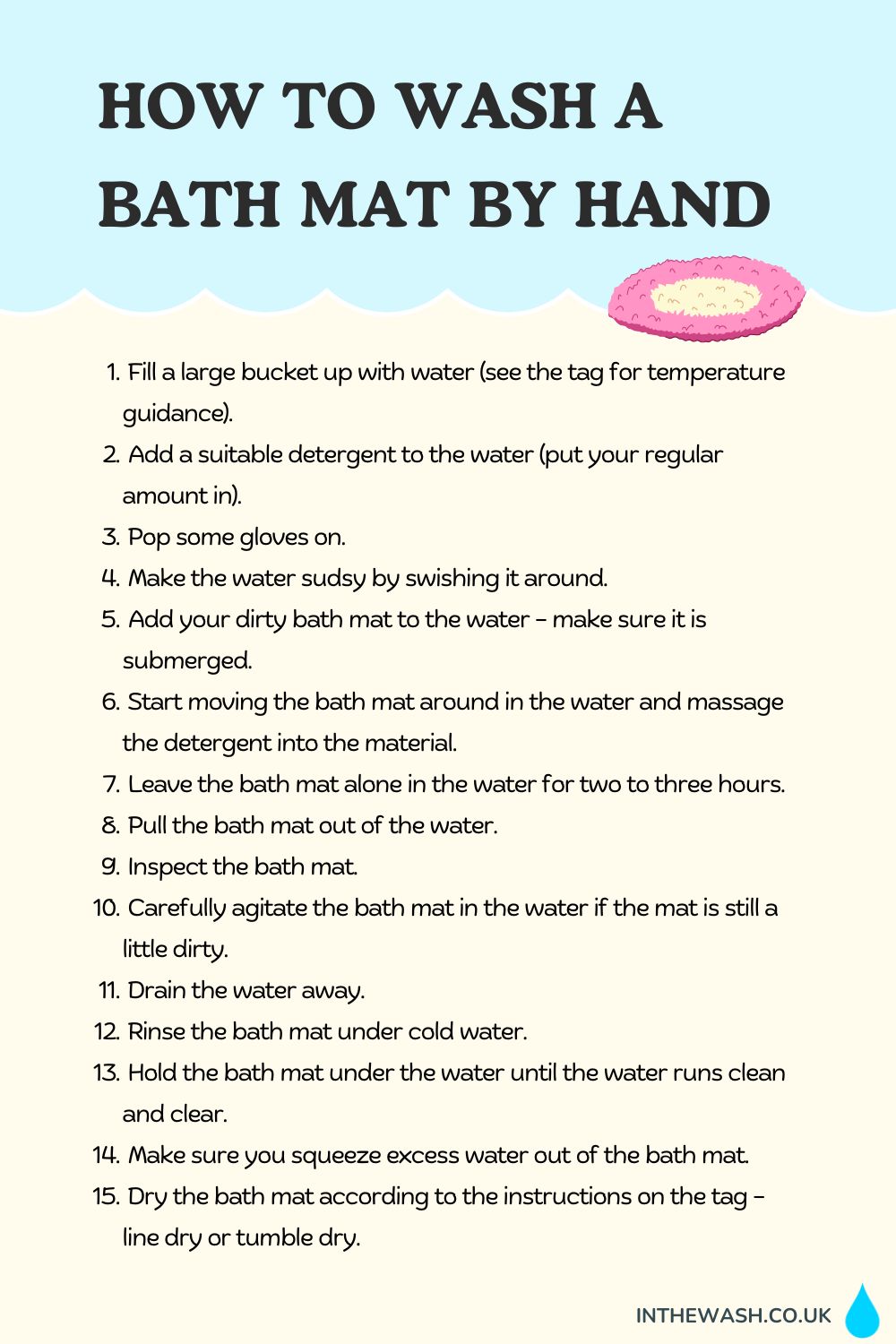
Source: inthewash.co.uk
Machine-Washing a Washable Bath Mat
If the care label allows machine washing, use the recommended cycle and water temperature. A mild laundry detergent is usually a practical choice. Avoid adding bleach or other strong cleaners unless the care instructions specifically allow them.
After washing, dry the mat according to its label. Do not assume every bath mat belongs in a hot dryer. Heat can damage some materials and can be especially hard on rubber or latex-backed mats.
Step 1
Shake out loose dirt, hair, and dust before putting the mat in the washer.
Step 2
Read the care label and confirm that machine washing is allowed.
Step 3
Use the recommended water temperature, wash cycle, and detergent.
Step 4
Dry the mat using the method and temperature specified by the manufacturer.
Step 5
Make sure the mat is completely dry before putting it back on the bathroom floor.
What About Rubber-Backed and Memory Foam Bath Mats?
Rubber-backed mats need extra care because heat and harsh washing conditions can damage the backing. Many manufacturers recommend gentle washing and air drying for these mats, but the exact instructions vary.
Memory foam mats also need label-specific care. Some can be machine washed, while others require gentler cleaning and careful drying. Never use a generic high-heat routine when the manufacturer’s instructions say otherwise.
How to Keep a Bath Mat Cleaner Between Washes
Good between-wash care can make a noticeable difference. The biggest goal is to help the mat dry instead of leaving it bunched up on the floor while wet.
After a shower or bath, spread the mat out so air can reach as much of the surface as possible. Use the bathroom exhaust fan when appropriate and keep the room ventilated according to your home’s setup.
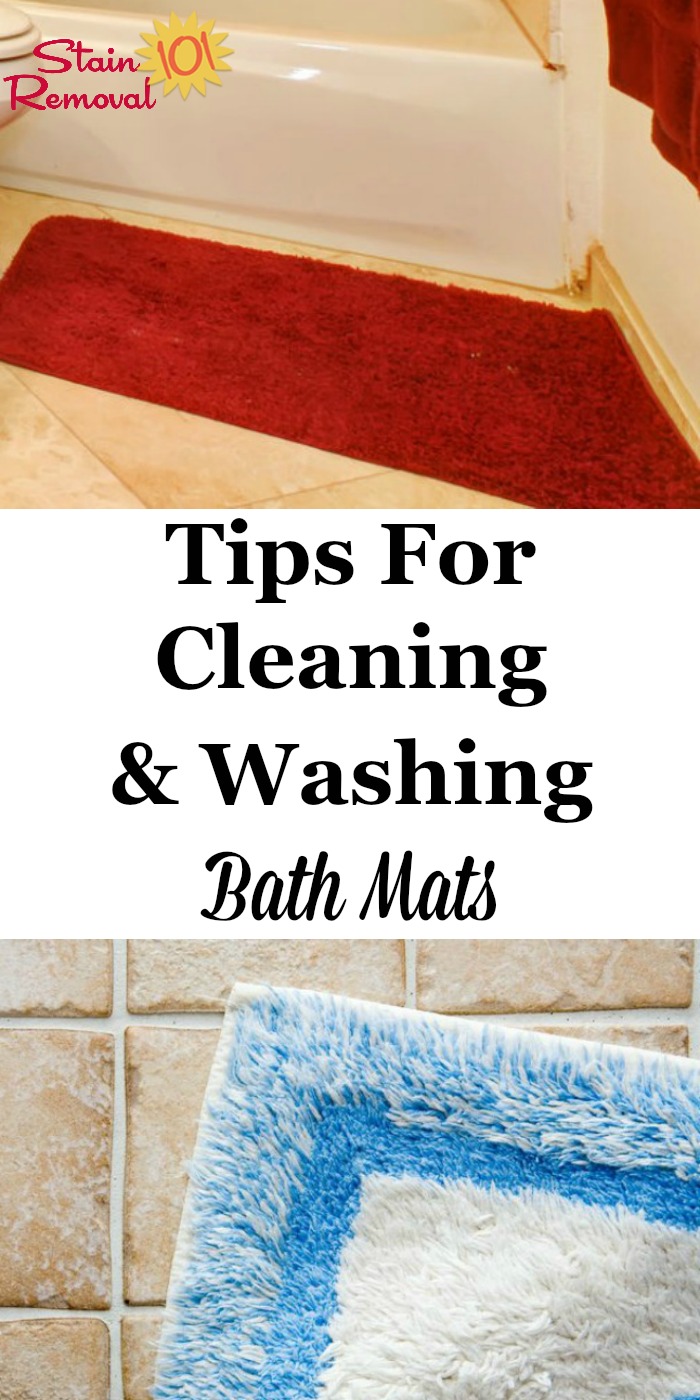
Source: stain-removal-101.com
Hang it up
If the mat is wet, hang or spread it so it can dry instead of leaving it folded or bunched on the floor.
Improve airflow
Use the bathroom exhaust fan and allow fresh air into the room when practical.
Remove loose debris
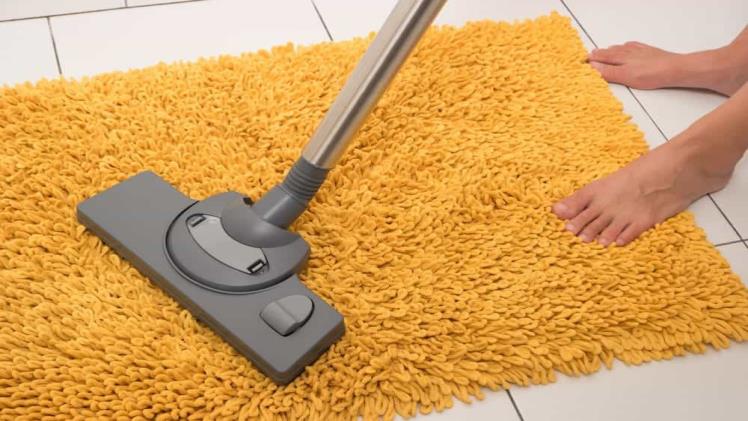
Shake out or vacuum suitable mats between washes to reduce hair, dust, and loose dirt.
Clean the floor
Clean the floor underneath the mat regularly because dirt can accumulate under a mat that stays in one place.
Rotate spare mats
Keeping a second washable mat available lets one mat dry fully while the other is being cleaned.
Why Drying Matters as Much as Washing
Washing removes dirt and residue, but drying controls the moisture that remains afterward. A clean mat can quickly develop a stale smell if it is returned to a damp bathroom before it has dried completely.
If your mat repeatedly stays wet for a long time, do not solve the problem only by washing it more often. Improve airflow, spread the mat out after use, and consider whether the mat itself is too absorbent or slow to dry for the space.
Common Bath Mat Washing Mistakes to Avoid
Most bath mat problems are not caused by washing too often. They are more often caused by using the wrong cleaning method, ignoring the care label, or putting a damp mat back on the floor.
A few simple precautions can protect both the mat and the washing machine while helping the mat last longer.
Source: arenagadgets.net
Ignoring the care label
Do not assume every bath mat can tolerate the same water temperature, cycle, detergent, or dryer setting.
Using excessive heat
High heat can damage some fibers, foam, and non-slip backings. Use the manufacturer’s drying instructions.
Putting a wet mat back immediately
A freshly washed mat needs to dry completely before returning to a humid bathroom.
Using harsh chemicals without checking
Bleach and other strong cleaners can discolor or damage some materials. Use them only when the care instructions permit them.
Leaving the mat bunched up
A folded or crumpled wet mat dries slowly and can develop unpleasant odors.
Ignoring damaged backing
If rubber or non-slip backing starts cracking, peeling, or crumbling, the mat may no longer perform as intended and may need replacement.
How Do You Know a Bath Mat Needs More Frequent Washing?
The clearest signs are a persistent musty smell, visible dirt, stains, unusual discoloration, or a mat that remains damp long after the bathroom has been used. These signs indicate that your current cleaning schedule may not match the way the mat is being used.
Instead of simply doubling the washing frequency, look for the cause. More users, poor ventilation, frequent splashing, or slow drying can all explain why a mat becomes dirty or damp quickly.
Frequently Asked Questions
Q
Can I wash my bath mat every week?
Yes. Weekly washing is a practical routine for a frequently used bath mat, provided the material and backing can handle that washing frequency. Always follow the care label.
Q
How often should you wash a bath mat if you live alone?
Once a week is a useful starting point if you use the bathroom daily. If the mat dries quickly and the bathroom is lightly used, every one to two weeks may be reasonable.
Q
Should you wash a bath mat after every use?
Usually, no. Daily washing is not necessary for most homes. Instead, let the mat dry fully between uses and wash it sooner when it becomes dirty, damp for too long, or smelly.
Q
Can you put a bath mat in the dryer?
It depends on the material and care label. Some washable fabric mats can be tumble dried, while rubber-backed and other mats may require air drying to protect the backing.
Q
When should you replace a bath mat instead of washing it?
Replace a bath mat when the fabric is badly worn, the backing is cracking or peeling, it no longer stays safely in place, or repeated washing cannot remove persistent odor or staining.
✦ Wrapping Up
Conclusion
For most U.S. households, washing a frequently used bath mat once a week is a simple and practical starting point. Less-used guest bathroom mats may need washing every one to two weeks, while busy or poorly ventilated bathrooms may require more frequent care.
The best routine combines a regular wash schedule with attention to the mat’s condition. Let it dry completely between uses, follow the manufacturer’s care instructions, and wash it sooner when you notice moisture, odor, stains, or visible dirt.
💡 Key Takeaway
Start with weekly washing for a regularly used bath mat, adjust the frequency to your household and bathroom conditions, and always dry the mat fully before putting it back on the floor.
Is chenille good for a bath mat? Learn how chenille performs for absorbency, softness, drying, safety, durability, and care before choosing one for your bathroom.
Can water under a bath mat cause it to slip? Learn why trapped water can reduce grip, how to check your mat, and practical ways to prevent bathroom slips.








3 Comments