Replace a bathroom rug when it stays damp, smells bad after washing, shows mold, loses its grip, or has worn fibers.
In American homes, bathroom rugs help keep tile floors comfortable and catch water after a shower or bath. However, daily use exposes them to moisture, soap, dirt, and body oils. These can build up over time, even when a rug looks clean.
There is no single replacement date that works for every bathroom rug. A mat in a busy family bathroom may wear out faster than one in a guest bathroom used once a month. The material, room ventilation, washing habits, and number of users all affect how long it remains useful.
Instead of relying on age alone, check the rug for clear signs of wear, trapped moisture, bad odors, and damage to its backing. Regular washing and full drying can help extend its useful life, but they cannot fix every problem. This guide explains what to look for, how to care for your rug, and when replacement is the better choice.
How Often Should You Replace a Bathroom Rug?
Replace a bathroom rug when it no longer stays clean, dries well, feels secure, or performs its basic job. Age can help guide your decision, but its condition matters more than the calendar.
There is no universal, evidence-based replacement interval for every bathroom rug. Manufacturers use different materials and backing systems, and households have different cleaning routines. A thick rug used by several people each day faces different demands from a small mat in a rarely used guest bath.
If you need a starting point, inspect your rug every month and review its condition after washing. Look for changes in smell, texture, absorbency, shape, and grip. Replace it as soon as a serious problem appears rather than waiting for a set number of months or years.
A rug that remains clean, dries fully, and stays firmly in place may continue to serve well. One that repeatedly smells musty or slides across the floor should not be kept just because it is relatively new.
Source: interiorcompany.com
Daily-use bathroom
Check the rug often because repeated showers and frequent foot traffic can increase moisture exposure and wear.
Guest bathroom
A lightly used rug may last longer, but inspect it before and after guests visit and make sure it has dried fully.
Poorly ventilated bathroom
Check for dampness and musty odors more often because slow drying can encourage mold and mildew growth.
Shared family bathroom
Frequent use, splashes, and dirt may require more frequent washing and closer checks for wear.
Why a Fixed Replacement Schedule Can Be Misleading
A replacement schedule can be useful as a reminder, but it cannot show whether a particular rug is still in good condition. Two rugs bought on the same day may age at very different rates because one dries quickly while the other stays wet for hours.
Use the rug’s actual condition to make the final decision. If it remains fresh after washing, dries between uses, and has an intact nonslip backing, there may be no need to replace it yet. If it develops recurring problems, age becomes less important than safety and cleanliness.
Keep it if
It washes clean, dries completely, absorbs water as intended, and stays securely in place.
Replace it if
It has persistent odors, visible mold, damaged backing, loose fibers that cannot be removed, or a slippery surface.
Seven Signs It Is Time to Replace Your Bathroom Rug
The clearest reasons to replace a bathroom rug are persistent moisture, stubborn odors, visible mold, and physical damage. These signs tell you more about its condition than its age or appearance alone.
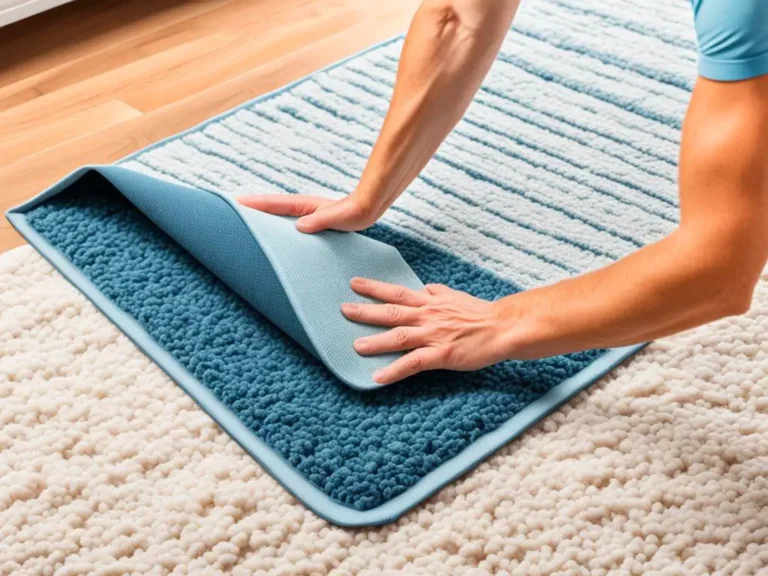
Check both sides of the rug, including the backing and the floor underneath. Some problems are easy to miss when you only look at the top surface.
Source: ar.inspiredpencil.com
1. The rug smells musty after washing
A musty smell that returns after a proper wash and full drying may mean moisture or soil remains trapped in the fibers or backing. Clean it according to the care label once, then reassess. If the odor persists, replace it.
2. You see mold or recurring mildew
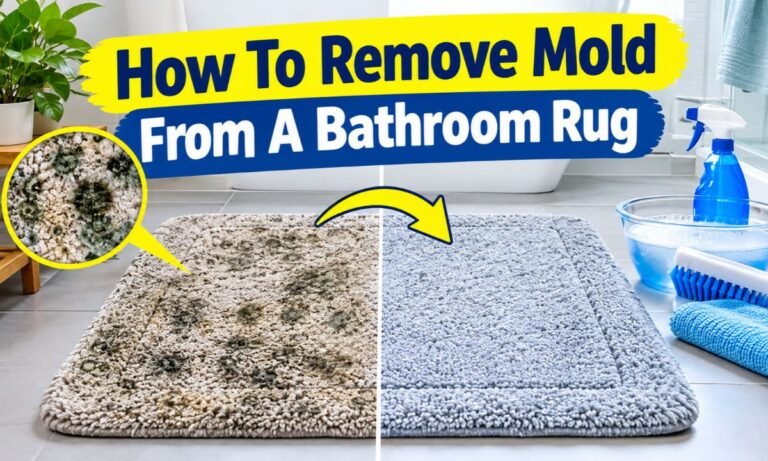
Visible mold, recurring dark growth, or a persistent mildew smell calls for prompt action. Stop using the rug, keep it away from other textiles, and follow appropriate cleaning guidance for the material. Replace it if growth cannot be removed reliably or the backing remains contaminated.
3. It stays wet for too long
A rug that remains damp well after the bathroom floor has dried may be too thick, poorly ventilated, or holding water in its backing. Try improving airflow and hanging it to dry. If it still stays damp between uses, choose a faster-drying replacement.
4. The nonslip backing is cracking or peeling
A worn backing can make a rug slide or bunch up on a smooth bathroom floor. If the backing flakes, cracks, becomes sticky, or no longer grips, replace the rug rather than trusting it to stay in place.
5. The fibers are worn or falling apart
Flattened pile, bald patches, frayed edges, loose threads, and shedding that continues after cleaning suggest the rug is nearing the end of its useful life. Replace it if the damage affects comfort, cleaning, or safe use.
6. It no longer absorbs water well
Soap residue, fabric softener, dirt, and worn fibers can affect how a rug takes up water. Wash it according to its care label and let it dry fully. If it still leaves wet footprints or no longer absorbs water as intended, replacement may be the practical option.
7. It will not lie flat
Curled corners, permanent ripples, and warped edges can create a trip hazard. Try the care-label-approved cleaning and drying method if the rug has simply been folded. Replace it if it remains misshapen or will not sit securely on the floor.
What If the Rug Looks Clean but Smells Bad?
A clean appearance does not prove that a rug is free of trapped moisture or residue. Water, body oils, soap, and small particles can collect deep in the fibers or underneath the backing.
First, check the care label and wash the rug using an appropriate method. Dry it fully in a well-ventilated area, then smell both sides and inspect the backing. If the odor returns soon after cleaning, replacement is usually more sensible than repeatedly washing a rug that cannot stay fresh.
Check the underside
Look for damp spots, dark marks, sticky residue, and damage that may not show on the top.
Check the floor
Look for moisture or discoloration underneath the rug. Clean and dry the floor before putting down another mat.
What Affects a Bathroom Rug’s Lifespan?
A bathroom rug lasts longer when it can dry fully, tolerate regular washing, and handle the amount of foot traffic it receives. Material alone does not determine its useful life; construction and care matter too.
A rug made from a washable material may still wear out quickly if it stays wet on the floor all day. A thicker rug may feel soft underfoot but take longer to dry. The best choice depends on the bathroom and the way your household uses it.
Source: storage.googleapis.com
Material and Construction
Cotton rugs are often comfortable and absorbent, but they need enough time and airflow to dry. A cotton rug that stays damp can develop odors, so hanging it up between uses may help.
Microfiber rugs can absorb water and may dry relatively quickly, depending on their pile, density, and backing. Check the care instructions because some products tolerate machine washing while others require gentler cleaning.
Chenille rugs have soft, textured fibers that feel pleasant underfoot. However, their drying time depends on how dense the pile is and whether the base traps moisture. Thick chenille designs may need more airflow than thinner mats.
Memory foam rugs can feel cushioned, but their foam core and backing may hold moisture or lose shape with repeated washing. Follow the product instructions closely, and replace the rug if the foam breaks down or the backing becomes unsafe.
Natural-fiber rugs may need extra care in a wet bathroom. Some materials are less suited to frequent soaking or machine washing. If a rug cannot tolerate the cleaning required in your household, a more washable design may be a better fit.
Cotton
A practical option for people who want a familiar, washable fiber and can provide enough drying time.
Microfiber
May suit busy bathrooms when the construction is washable and the rug dries fully between uses.
Chenille
Offers a soft texture, but pile density and backing design affect moisture retention and care.
Memory foam
Provides cushioning but needs careful washing and inspection for changes in shape or support.
Natural fibers
Can work in some settings, but confirm that the material is suitable for repeated bathroom moisture.
Bathroom Ventilation and Humidity
A bathroom with good airflow gives a wet rug a better chance to dry between showers. A room with poor ventilation may keep the rug damp long after the floor appears dry.
Use a bathroom exhaust fan during showers and for the period recommended by its manufacturer or local guidance. Open a window when practical and safe, and hang the rug over a rack or shower bar if the care instructions allow it.
If the room stays humid, consider a thinner mat or keep two washable rugs in rotation. This lets one rug dry fully while the other is in use. If moisture remains a recurring problem, address the bathroom’s ventilation as well as the rug.
Good airflow
Helps moisture escape and supports faster drying after a shower.
Poor airflow
Can leave fibers and backing damp, increasing the chance of musty odors and microbial growth.
Wet floor beneath the rug
May point to slow drying, excessive splashing, or a leak that needs attention.
How Often the Rug Is Used
A rug used by several people each day usually needs more frequent washing and closer inspection than one in a guest bathroom. Each shower can add water, soap residue, and dirt to the fibers.
Pets, children, and people who often step onto the rug with wet feet may increase the amount of soil and moisture it collects. These factors do not automatically mean you need a new rug sooner, but they make a consistent care routine more important.
High use
Wash and inspect the rug more often, and check that it dries before the next use.
Low use
Keep the rug clean and dry even when the bathroom is used infrequently.
How to Clean a Bathroom Rug Before Deciding to Replace It
If a rug has no visible mold, serious damage, or unsafe backing, proper cleaning may solve mild odors and restore its appearance. Always check the care label first because washing methods vary by material and construction.
Do not try to rescue a rug with extensive mold, crumbling foam, or a backing that slips on the floor. Those problems can make continued use unwise, even if the top looks better after cleaning.
Source: ar.inspiredpencil.com
Step 1: Check the Care Label
Read the manufacturer’s instructions before using a washing machine, dryer, bleach, or stain remover. Some rugs can be machine-washed, while others need hand washing or spot cleaning.
Check whether the backing can tolerate heat. High dryer temperatures may damage rubber, latex, foam, or adhesive layers. If the label is missing, use a cautious cleaning method suitable for the known material rather than guessing.
Machine-washable rug
Use the cycle, water temperature, and detergent allowed by the manufacturer.
Hand-wash rug
Use the recommended cleaning solution and rinse thoroughly without soaking parts that should stay dry.
Special-care rug
Follow the listed cleaning method or ask the manufacturer how to care for the specific construction.
Step 2: Remove Loose Dirt
Take the rug outside or to an appropriate cleaning area and shake off loose dust, hair, and debris. Vacuum it if the material and care instructions allow.
Check the backing and edges while the rug is dry. Loose threads, peeling layers, or crumbling material may show that cleaning will not solve the underlying problem.
Lift loose debris
Remove hair and dust before washing so they do not remain trapped in the fibers.
Inspect the underside
Look for damage, damp patches, and signs that the rug no longer lies flat.
Step 3: Wash With a Suitable Detergent
Use a mild detergent that is suitable for the rug’s material. Avoid adding more detergent than recommended because leftover soap can collect in the fibers and affect how the rug feels or absorbs water.
Do not mix cleaning products. In particular, never mix chlorine bleach with ammonia or acids, including vinegar, because dangerous gases can form. If you use any approved cleaning product, follow its label and rinse as directed.
Use the right amount
Follow the detergent instructions and the rug manufacturer’s washing guidance.
Skip harsh treatment unless approved
Strong bleach, aggressive scrubbing, and unsuitable stain removers can damage dyes, fibers, or backing.
Step 4: Dry the Rug Completely
Drying is just as important as washing. Hang the rug over a suitable rack or clothesline, or use a dryer only if the care label permits it. Make sure air can reach both sides.
Do not place a damp rug back on the bathroom floor. Check the backing and thickest part of the pile before returning it to use. The rug should feel dry rather than cool and damp in the center.
If the rug still smells musty after washing and complete drying, do not keep repeating the same process without addressing the cause. Replace it if the odor persists or signs of contamination remain.
Use moving air
Good airflow can help the rug dry more evenly.
Keep both sides exposed
Avoid folding or stacking a wet rug where moisture can remain trapped.
Inspect before reuse
Check for odor, dampness, loose fibers, and damage to the backing.
How Often Should You Wash a Bathroom Rug?
Wash a bathroom rug based on how often it is used, how wet it becomes, and the manufacturer’s care instructions. A mat used after several daily showers generally needs more frequent cleaning than one in a rarely used guest bath.
There is no single washing interval that suits every rug. The material, number of users, ventilation, and whether the mat gets soaked all affect the right schedule. If the rug develops visible dirt, a persistent odor, or a damp feel, clean it promptly rather than waiting for the next planned wash.
For a busy household, setting a regular day to check and wash bathroom textiles can make care easier. However, washing too aggressively or too often may also wear out fibers and backing, so follow the label instead of assuming that more frequent machine washing is always better.
Source: www.pinterest.com
A Practical Washing Routine
Choose a schedule that fits the rug’s condition and the manufacturer’s instructions. Inspect the rug at least weekly in a frequently used bathroom, and wash it when it needs cleaning or according to the care label’s recommended routine.
Between washes, hang the rug to dry after heavy use when possible. If several people share the bathroom, a second washable rug can help you keep a clean, dry mat available while the other is being washed.
After heavy soaking
Hang the rug to dry promptly and wash it if it has become dirty or developed an odor.
During regular cleaning
Inspect the top, underside, edges, and floor beneath the rug.
After a spill or accident
Clean the affected area promptly using a method that suits the material.
When odors return
Wash and dry the rug properly, then replace it if the smell persists.
Bathroom Rug Replacement Checklist
Use this checklist to decide whether your bathroom rug needs cleaning, closer monitoring, or replacement. It separates problems that may respond to normal care from those that affect hygiene or safe use.
When a rug has more than one problem, consider the combined effect. For example, a rug that smells musty, dries slowly, and has a peeling backing is a stronger replacement candidate than one with a small stain that washes out.
Source: storage.googleapis.com
Signs That Cleaning May Be Enough
Some changes are minor and may improve with appropriate cleaning. A fresh spill, light surface dirt, or a temporary smell after a single soaking does not always mean the rug has reached the end of its useful life.
Clean the rug according to its care label, dry it completely, and reassess it before putting it back. If it returns to a fresh, dry, and secure condition, replacement may not be necessary.
Light dirt
Wash or spot-clean the rug using an approved method.
Temporary damp smell
Dry the rug fully in a well-ventilated area and check whether the odor disappears.
Minor surface staining
Use a material-safe stain treatment if the manufacturer permits it.
Signs That Replacement Is the Better Choice
Replace the rug if cleaning no longer restores its condition or if a physical defect makes it unreliable. A worn rug is not worth keeping if it slides, curls, sheds heavily, or repeatedly holds moisture.
Visible mold that persists after appropriate cleaning, deep contamination, and recurring musty odors deserve special attention. If you cannot clean the rug reliably or it remains damp because its construction has broken down, choose a replacement.
Persistent odor
The smell remains or returns soon after washing and complete drying.
Damaged backing
The underside peels, crumbles, becomes sticky, or no longer helps the rug stay in place.
Permanent shape changes
Edges curl or the rug bunches up and creates a trip hazard.
Recurring moisture problems
The rug stays wet between uses despite reasonable drying efforts.
How to Choose a Bathroom Rug That Lasts Longer
Choose a replacement rug that suits your bathroom’s moisture level, washing routine, floor type, and daily use. A rug that is easy to clean and dry is often more practical than one chosen only for its color or softness.
Before buying, measure the available floor space and consider where water lands when people step out of the shower or bath. The rug should catch splashes without blocking doors, covering floor drains, or creating a raised edge that people can trip over.
Source: angiesangle.com
Pick a Material You Can Maintain
Look for a care label that fits your routine. If you want to machine-wash the rug, confirm that both the fibers and backing can tolerate the recommended cycle. A rug that needs special care may not be practical in a busy family bathroom.
Consider the thickness as well as the fiber. A thick rug may feel softer, but it can take longer to dry. In a humid room, a thinner, washable mat may be easier to keep fresh.
For frequent washing
Choose a rug whose label clearly explains how to wash and dry it.
For a humid bathroom
Consider a design that allows airflow and does not stay wet for long periods.
For a cushioned feel
Check how the foam and backing respond to moisture and repeated cleaning.
Check the Backing and Floor Compatibility
A nonslip backing can help reduce movement, but not every backing works well on every floor. Follow the manufacturer’s instructions for tile, vinyl, stone, or other flooring, and keep both surfaces clean and dry.
Some rubber or latex backings may react poorly to certain floor finishes or cleaners. Confirm compatibility before use, especially on delicate surfaces. Do not assume that every rug labeled nonslip is safe on every bathroom floor.
If the rug slides even when the floor is clean and dry, stop using it until you can solve the problem. Replace it with a suitable design rather than relying on a damaged backing.
Inspect the backing
Look for cracks, peeling, sticky areas, and loose pieces before buying.
Check the floor guidance
Follow the rug and flooring manufacturers’ instructions for compatibility and cleaning.
Choose a suitable size
Make sure the mat fits without obstructing the door or creating a tripping point.
Consider Keeping Two Rugs in Rotation
Keeping two washable rugs can make bathroom care easier, especially in a home where several people shower each day. One rug can dry while the other is in use, which reduces the pressure to put a damp mat back on the floor.
Rotation does not remove the need for washing or inspection. Both rugs still need to be cleaned when dirty and dried fully before use. If one develops a damaged backing or persistent odor, retire it rather than keeping it in rotation.
Rotate clean, dry rugs
Use the spare while the washed rug dries fully.
Keep storage dry
Do not fold away a damp rug in a closed cupboard or laundry basket.
Common Bathroom Rug Replacement Mistakes
The most common mistakes are waiting for a rug to fall apart, assuming a clean surface means the entire rug is clean, and putting a damp mat back on the floor. These habits can make a bathroom rug less useful and may contribute to persistent odor or slipping.
A little routine care can prevent some problems, but it cannot make a worn-out rug last forever. Use the following points to avoid keeping a mat that no longer serves its purpose.
Source: ar.inspiredpencil.com
Keeping a rug because it still looks attractive
A rug can match the bathroom and still have damaged backing, trapped moisture, or a persistent odor. Check its condition as well as its appearance.
Using perfume to cover a musty smell
Fragrance does not remove the source of an odor. Wash and dry the rug properly, and replace it if the smell persists.
Ignoring the underside
The backing may collect moisture or break down even when the top looks fine. Inspect both sides during routine cleaning.
Putting the rug back while damp
Trapped moisture can affect the rug and the floor underneath. Wait until both sides are dry before returning it to the bathroom.
Using too much detergent
Excess soap can remain in the fibers. Follow the recommended amount and rinse as instructed.
Ignoring a rug that slides
A slipping mat can cause a fall. Stop using it until the cause is fixed, and replace it if the backing no longer works.
Assuming all rugs can go in the dryer
Heat can damage some foam and backing materials. Follow the product’s drying instructions.
Do Not Ignore Moisture Under the Rug
If the floor under a bathroom rug repeatedly feels wet, lift the rug and dry the area. Check whether water is coming from shower splashes, a wet towel, or a plumbing leak.
If you find persistent dampness, a musty smell in the floor, or signs of water damage, address the moisture source instead of simply replacing the rug. A new mat will not solve a leak or a ventilation problem.
Dry the floor
Remove the rug and let the floor dry before putting down another mat.
Find the cause
Check nearby fixtures and plumbing if water returns without an obvious splash source.
Seek help when needed
Contact a qualified plumber or appropriate building professional if you suspect a leak or hidden water damage.
A Simple Bathroom Rug Care Plan
A simple care plan makes it easier to spot trouble before a bathroom rug becomes unpleasant or unsafe. You do not need a complex schedule; a few regular checks can help you decide when to wash, dry, or replace it.
Adjust the routine to the rug’s care label and your household’s needs. A busy bathroom may need more frequent checks than a guest bath, while a poorly ventilated room needs extra attention to drying.
Source: storage.googleapis.com
After Each Shower
Check whether the rug is wet enough to need extra drying. Hang it over a suitable rack if the material allows, and keep the bathroom ventilated.
Lift or hang the rug when needed
Allow air to reach both sides rather than leaving a soaked mat flat on the floor.
Keep the floor dry
Wipe up pooled water and check that the mat is not trapping moisture underneath.
During Weekly Cleaning
Inspect the top, backing, and edges. Remove loose hair and debris, and wash the rug if needed and allowed by the care label.
Check for odors
Look for smells that persist after drying or return soon after washing.
Check the grip
Make sure the rug lies flat and does not slide on the floor.
After Washing
Dry the rug fully before putting it back. Check for loose fibers, peeling backing, and any odor that remains after cleaning.
Return it only when dry
Check the thickest part of the rug and the underside for remaining moisture.
Replace when cleaning no longer helps
Do not keep a rug that stays smelly, damp, damaged, or slippery.
What to Do With an Old Bathroom Rug
Once a bathroom rug is no longer suitable for use, choose disposal or reuse based on its condition and material. A clean rug that has simply lost its decorative appeal may still have another use, while a moldy, badly damaged, or contaminated mat should not be passed on as a usable household item.
Check local waste and textile recycling options before discarding it. Some programs accept clean textiles, but acceptance depends on the location and material. Rugs with foam, rubber backing, or mixed fibers may not qualify for ordinary textile recycling.
Source: interiorcompany.com
Can You Reuse an Old Bathroom Rug?
A clean rug with intact fibers and no moisture or odor problems may work in a dry utility area if it remains flat and does not create a trip hazard. However, a rug that has mold, persistent mildew odor, crumbling backing, or serious contamination should not be moved to another room simply to avoid disposal.
Do not donate a rug that is dirty, moldy, or falling apart. If it is still in good condition but no longer fits your bathroom, check whether a local reuse organization accepts that type of household textile.
Potential reuse
Consider a dry utility space only when the rug is clean, intact, and safe to place on the floor.
Do not reuse
Avoid reusing a rug with persistent odors, visible mold, damaged backing, or contamination that cannot be cleaned.
Frequently Asked Questions
Q
How long does a bathroom rug usually last?
A bathroom rug’s useful life varies with material, construction, washing, ventilation, and daily use. There is no reliable universal lifespan for every rug. Replace yours when it develops persistent odors, visible mold, damaged fibers, a failing backing, or poor grip, even if it is relatively new.
Q
Can I keep using a bathroom rug that smells musty?
Do not ignore a musty smell that remains after washing and complete drying. The odor may indicate trapped moisture, residue, or microbial growth. Inspect both sides and the floor underneath. If the smell persists or returns quickly, replacing the rug is usually the better option.
Q
Should I throw away a bathroom rug with mold?
Visible mold means you should stop using the rug while you assess whether it can be cleaned safely. The right response depends on the material, extent of growth, and care instructions. Replace a rug when mold cannot be removed reliably, the backing is affected, or the smell keeps returning. If you clean a salvageable rug, follow the manufacturer’s directions and dry it fully.
Q
How often should I wash my bathroom rug?
Wash it according to the care label and how much moisture and dirt it collects. A busy family bathroom may need more frequent washing than a rarely used guest bath. Inspect the rug regularly, clean it promptly when dirty, and never put it back on the floor while damp.
Q
Why does my bathroom rug stay wet for so long?
A thick pile, moisture-trapping backing, poor airflow, high room humidity, or heavy water exposure can slow drying. Hang the rug so air reaches both sides and improve bathroom ventilation. If it still remains damp between uses, replace it with a design better suited to the room and investigate any recurring moisture under the mat.
Q
Can I put a bathroom rug in the washing machine?
Only if the manufacturer’s care instructions permit machine washing. Check the material, backing, water temperature, and cycle requirements first. Some rugs need hand washing or spot cleaning, and some backing materials can be damaged by high heat or rough cycles.
Q
Does a bathroom rug need a nonslip backing?
A suitable nonslip backing can help reduce movement on a bathroom floor, but it must remain in good condition and be compatible with the flooring. Keep the floor and backing clean and dry. Replace the rug if it repeatedly slides, curls, or develops a damaged backing.
Q
Can I use an old bathroom rug somewhere else?
You may be able to reuse a clean, dry rug with intact fibers and backing in a suitable dry area, provided it lies flat and does not create a trip hazard. Do not reuse or donate a rug with persistent mildew odors, visible mold, serious contamination, or a crumbling backing.
✦ Wrapping Up
Conclusion
The best time to replace a bathroom rug is when it no longer stays clean, dries properly, absorbs water well, or remains secure on the floor. Persistent musty odors, visible mold, damaged backing, frayed fibers, and curled edges are all signs that it may be time for a new one.
Regular cleaning and proper drying can help a bathroom rug last longer, but they cannot restore every worn or damaged mat. Inspect both sides, check the floor underneath, and follow the manufacturer’s care instructions. If the rug remains damp, smells bad after washing, or creates a slipping or tripping risk, do not wait for it to fall apart before replacing it.
When choosing a replacement, focus on easy care, suitable absorbency, reliable floor grip, and a material that can dry well in your bathroom. A rug that fits your daily routine is easier to maintain and more likely to remain useful.
💡 Key Takeaway
Check your bathroom rug today. Wash it if it is simply dirty, dry it fully, and inspect the fibers, backing, smell, and grip. Replace it if the odor persists, mold remains, the backing fails, or the rug no longer lies securely on the floor.
Learn how often you should wash a bath mat, what changes the schedule, how to clean different materials, and how to keep your mat fresh between washes.