Cotton and microfiber are among the most absorbent bath mat materials, while diatomaceous earth mats are designed to absorb surface water and dry quickly.
In American homes, a bath mat needs to handle wet feet after a shower, a bath, or a busy morning routine. The right material can help keep bathroom floors drier, reduce puddles near the tub, and make stepping out of the shower more comfortable. However, the most absorbent option is not always the best choice for every household.
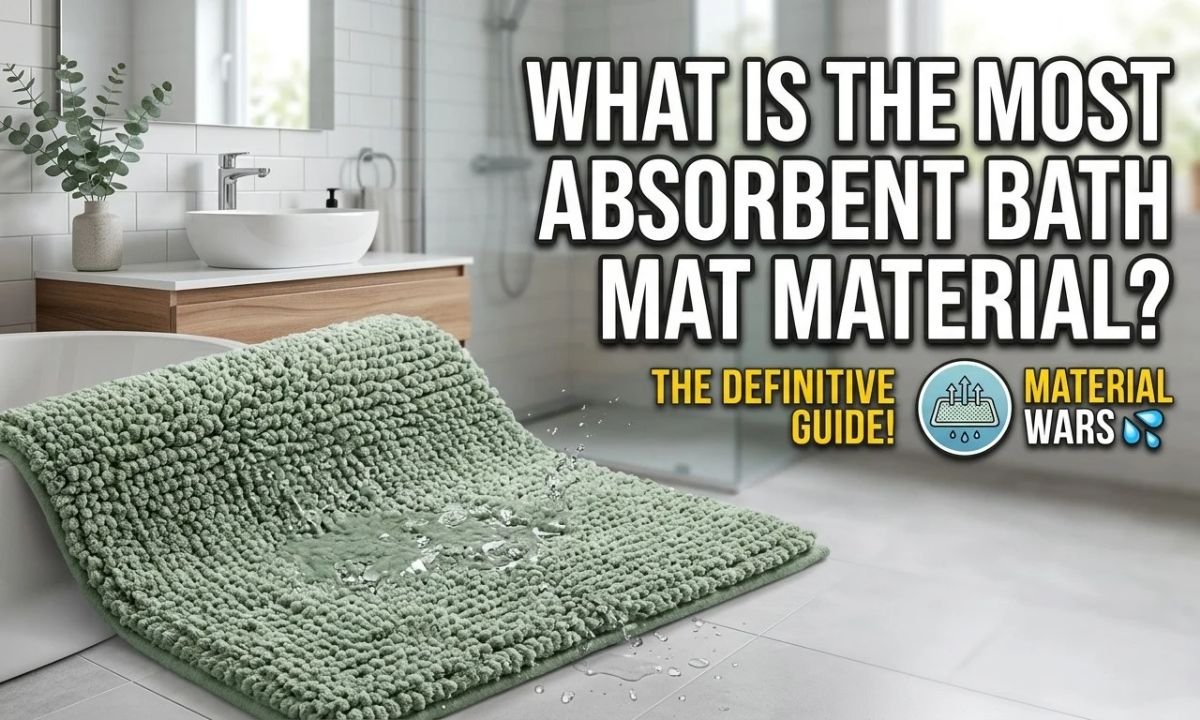
Cotton, microfiber, and chenille are fabric materials that take water into their fibers. Diatomaceous earth, often sold as a stone bath mat, works differently by taking up moisture at the surface and allowing it to evaporate. Each material has different strengths, and actual performance depends on construction, thickness, size, backing, and care. There is no single universally proven winner for absorbency across every bath mat.
Source: i5.walmartimages.com
Which Bath Mat Material Absorbs the Most Water?
Cotton and microfiber are strong candidates when the main goal is to absorb water from wet feet. Cotton fibers take up moisture, while microfiber constructions can capture and distribute water through a dense network of fine fibers. Which one holds more water depends on the specific mat, including its weight, thickness, fiber composition, and construction.
A thick, dense cotton mat may retain more water than a thin microfiber mat, while a well-made microfiber mat may absorb moisture efficiently and dry sooner than a heavy cotton rug. Product descriptions such as super absorbent are not standardized measurements, so they should not be treated as proof that one product outperforms every alternative.
For many households, cotton is a practical all-around option. Microfiber is worth considering when a combination of moisture absorption and shorter drying time matters. If the priority is a dry-feeling surface shortly after water lands on it, a diatomaceous earth mat is another option, although it has different comfort and maintenance requirements.
Source: cdn.shopify.com
Best all-around fabric option
Cotton offers familiar softness, useful water absorption, and straightforward laundering when the care label permits machine washing.
Best material to consider for absorption and quicker drying
Microfiber can provide effective moisture pickup and faster drying in some constructions, particularly when the mat is not excessively thick.
Best for a quick-drying stone-style surface
Diatomaceous earth mats are designed to take up surface moisture and release it through evaporation rather than holding water in textile fibers.
Absorbency Is Not the Same as Drying Speed
Absorbency describes how much water a material can take up or retain. Drying speed describes how quickly that moisture leaves the material or surface. These properties are related, but they are not interchangeable.
A thick cotton bath mat may take up plenty of water but remain damp longer because moisture stays within its fibers. A lighter microfiber mat may absorb water effectively while releasing it sooner under favorable conditions. A stone-style mat can feel dry quickly at the surface without providing the soft, cushioned water-holding capacity of a fabric mat.
Bathroom ventilation, room temperature, humidity, how much water lands on the mat, and whether the underside can dry all affect the result. A material name alone cannot predict performance in every bathroom.
If your mat stays wet for hours
Try a thinner or more breathable mat, improve ventilation, and hang or lift the mat between uses when practical.
If water spreads across the floor
Look for a mat with adequate coverage and effective water pickup rather than relying only on claims about quick drying.
Comparing the Most Common Bath Mat Materials
The best material depends on whether you value water pickup, drying speed, softness, easy cleaning, or a firm surface. The following comparison summarizes common material characteristics rather than claiming laboratory-tested rankings. Individual products can perform differently.
Source: luvlyhouseholdcollections.co.ke
Cotton
A natural textile that absorbs water and feels comfortable underfoot. It is widely available in washable styles, but thick cotton mats may take longer to dry.
Microfiber
A fine synthetic fiber, commonly polyester or a polyester blend, that can pick up water efficiently. Drying speed and total capacity depend on density, thickness, and construction.
Chenille
A textured yarn construction often made from microfiber or other synthetic fibers. Its soft, tufted surface can pick up moisture from feet, although dense tufts may hold water and take time to dry.
Diatomaceous earth
A mineral-based material used in rigid or composite stone-style mats. It is designed to absorb moisture at the surface and dry quickly, but it is not a plush textile and can be brittle depending on construction.
Bamboo or wood slats
A slatted mat allows water to drain or pass through instead of absorbing large amounts into a soft surface. It may suit a well-drained bathroom, but the floor underneath still needs appropriate protection.
Cotton Bath Mats: Reliable Everyday Absorption
Cotton is a practical choice when you want a conventional bath mat that absorbs water and feels soft. Its cellulose fibers can take up moisture, making cotton suitable for stepping out of a shower or bath. Cotton mats also come in a range of weights, weaves, and pile heights.
The main trade-off is drying time. A thick, heavy cotton rug can stay damp if the bathroom is humid or poorly ventilated. Washing and drying also require more effort than simply wiping down a rigid mat. Choose a washable design and follow the manufacturer’s instructions for temperature, detergent, and drying.
Choose cotton if
You want a familiar fabric feel, everyday water absorption, and a mat that can be laundered according to its care label.
Think twice if
Your bathroom has poor ventilation and the mat remains damp between showers. A lighter construction or more frequent drying may be necessary.
Microfiber Bath Mats: Absorption With Practical Drying
Microfiber mats are often made with very fine synthetic fibers that create a large surface area for picking up moisture. Many designs use a cushioned layer beneath the fabric, which can improve comfort and provide space for water to spread through the mat.
Microfiber is not automatically more absorbent than cotton. A thin, low-pile microfiber mat may hold less water than a heavy cotton one, and some backing materials can slow drying. Check the complete construction, including the backing, rather than judging by the face fabric alone.
Choose microfiber if
You want a soft fabric surface and a potentially useful balance of water pickup and drying time.
Check before buying
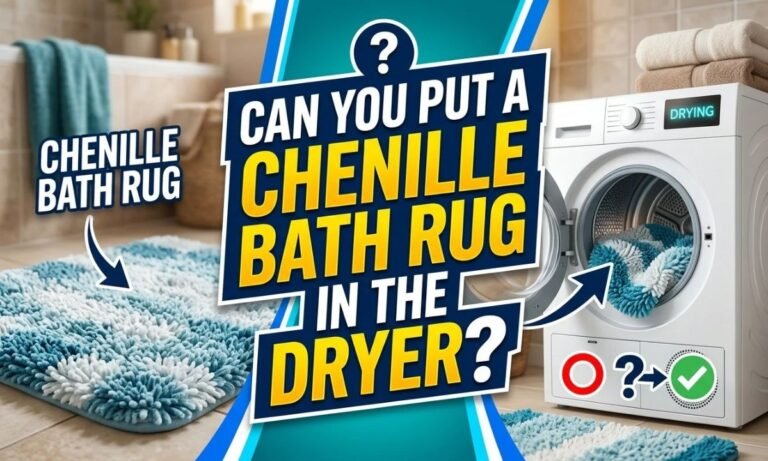
Confirm washing instructions, backing care, and whether the product can be dried in a machine. Do not assume all microfiber mats are dryer-safe.
Chenille Bath Mats: Plush Comfort for Wet Feet
Chenille bath mats have a soft, textured surface made from short, fuzzy yarns. Many use polyester microfiber, though chenille describes the yarn construction rather than one universal fiber. The raised texture creates plenty of contact with wet feet and can help pick up water.
A dense chenille mat may feel luxurious, but its thick tufts can retain moisture. It may also need more time to dry than a thinner mat. If you prefer a plush surface, check whether the mat can be lifted or hung to air out between uses.
Choose chenille if
Softness and cushioning matter alongside moisture pickup.
Consider another style if
You need the shortest possible drying time or do not have room to hang a thick mat.
Diatomaceous Earth Bath Mats: A Different Approach
Diatomaceous earth bath mats, sometimes called stone bath mats, are rigid or semi-rigid products designed to absorb surface moisture and release it as the water evaporates. Some products contain diatomaceous earth blended with other minerals or materials, so the exact construction varies.
These mats can be useful when you want a surface that does not feel like a wet towel after use. However, a quick-drying surface does not necessarily mean a higher total water capacity than a thick fabric mat. Stone-style mats may feel firm or cool, can be less comfortable for prolonged standing, and may crack if dropped or handled improperly.
Follow the manufacturer’s cleaning and maintenance instructions. Some products require light sanding or other specific care, while others do not. Do not assume every mineral mat has the same finish, durability, or water-handling performance.
Choose a stone-style mat if
You prefer a firm surface designed to dry quickly and are comfortable with its distinct feel and maintenance needs.
Avoid assuming
That a stone mat will absorb more total water than a textile mat, remain slip-resistant on every floor, or require no cleaning.
Which Bath Mat Material Should You Choose?
Choose the material according to your bathroom’s daily use. A family bathroom with several showers each morning has different drying needs from a guest bathroom used occasionally. The amount of water, the available airflow, and how easily you can wash or hang the mat may matter as much as the fiber itself.
Use this decision table to narrow down the options. The descriptions are general material characteristics, not measured product rankings.
Source: naturalstepbathmats.co.uk
For everyday family use
Start with a washable cotton or microfiber mat that offers adequate coverage and a backing suitable for your floor.
For a soft, cushioned feel
Consider cotton terry or chenille, while checking that the mat can dry fully between uses.
For a bathroom where quick surface drying matters
Compare thinner microfiber mats with diatomaceous earth designs and weigh comfort, cleaning, and floor grip.
For a guest bathroom
A cotton mat is an easy, familiar option when it can be washed and dried after use.
Material Comparison at a Glance
The table separates the properties shoppers commonly confuse. Actual absorbency and drying time cannot be ranked precisely without comparable product-level measurements taken under the same conditions.
Cotton
Water absorption: generally good. Drying: may be slow in thick constructions. Feel: soft. Care: often machine washable, subject to the label.
Microfiber
Water absorption: often effective. Drying: varies and can be relatively quick. Feel: soft or plush. Care: depends on the fabric and backing.
Chenille
Water absorption: often effective at the surface. Drying: may be slower in dense pile. Feel: very soft. Care: check the label and tuft construction.
Diatomaceous earth
Water absorption: designed for surface moisture. Drying: often quick under suitable conditions. Feel: firm. Care: product-specific and may involve special handling.
Bamboo or wood slats
Water absorption: generally low compared with fabric. Drying: depends on drainage and airflow. Feel: firm. Care: keep the mat and underlying floor clean and dry.
How Bathroom Conditions Change the Best Choice
A well-ventilated bathroom can help a thick fabric mat dry between showers. In a humid bathroom with little airflow, a dense rug may stay damp longer, even if it absorbs water well. A mat placed on a cold tile floor may also dry differently from one used in a warm, ventilated room.
Consider how many people use the bathroom, whether water routinely splashes beyond the tub, and whether the mat can be moved after use. A larger mat can catch more drips simply because it covers more floor, but it may also take longer to dry if its material is thick and heavy.
For frequent use
Prioritize easy washing, adequate coverage, and a practical way to dry the mat between showers.
For limited ventilation
Consider a thinner fabric mat, lift the mat after use, and improve airflow where possible.
For a small bathroom
Measure the available floor space and door clearance before choosing a thick or oversized mat.
How to Tell Whether a Bath Mat Is Truly Absorbent
Look beyond marketing labels and examine the mat’s construction, dimensions, care instructions, and backing. Claims such as extra absorbent or quick drying are more useful when the manufacturer explains how the property was measured or tested. Without a common test method, those phrases do not establish which mat holds the most water.
If you compare products, focus on the same practical conditions. A fair comparison would use similar mat sizes, the same amount of water, the same exposure time, and consistent drying conditions. It would measure how much water each mat takes up and how long it takes to release that moisture. Unless such comparable results are available, treat specific superiority claims cautiously.
Source: image.made-in-china.com
Check the fiber content
Read whether the mat is cotton, polyester microfiber, a blend, or a mineral-based composite. Terms describing texture do not always identify the underlying fiber.
Check the weight and thickness
A heavier or thicker mat may have greater capacity, but it can also take longer to dry. Weight alone does not prove absorbency.
Inspect the backing
Rubber or other non-slip backings may help keep a mat in place but can affect airflow and care requirements. Follow the product’s cleaning and drying instructions.
Look for specific test details
If a product claims to absorb a certain amount of water or dry within a stated time, check for the test conditions and measurement method before comparing it with another mat.
A Simple At-Home Check
You can observe how your own bath mat handles ordinary use without treating the result as a scientific product test. Place the mat on a suitable, dry floor, step onto it with wet feet as you normally would, and check whether water remains on the surface or reaches the floor around it.
After use, lift the mat according to its care instructions and check whether the underside and floor are damp. Allow the mat to dry fully before its next use. This practical check can reveal whether the mat suits your bathroom, but it cannot establish a universal absorbency ranking or a precise water-holding capacity.
A good practical result
The mat picks up ordinary drips, does not leave unexpected puddles around its edges, and can dry before it is needed again.
A sign to reconsider
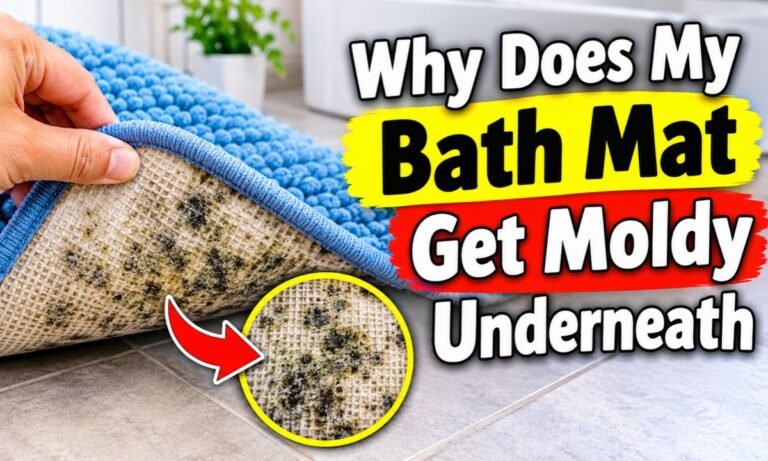
The mat remains wet underneath, develops a persistent musty odor, or allows water to spread across the surrounding floor.
How to Keep an Absorbent Bath Mat Clean and Dry
Even a highly absorbent bath mat can become unpleasant if it stays damp or accumulates soap residue, body oils, and dirt. Regular cleaning and complete drying help maintain the mat’s condition. The right routine depends on whether the mat is made from washable fabric or a rigid mineral material.
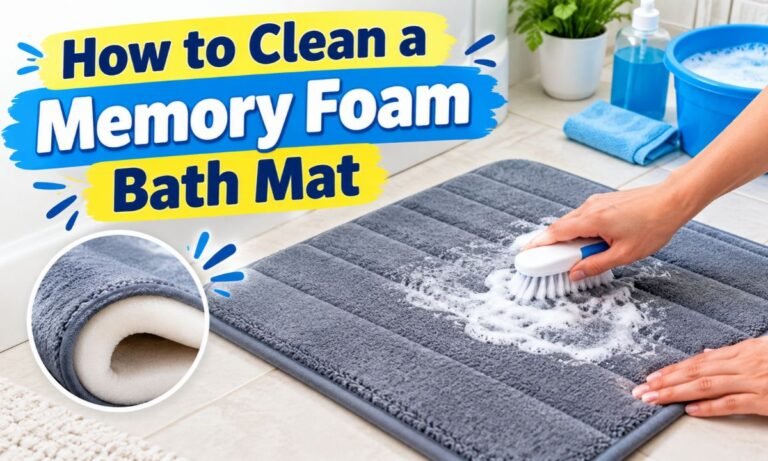
For fabric mats, follow the care label rather than assuming that every product can be washed with hot water or dried on high heat. Some backings can deteriorate under excessive heat, and some textured surfaces may lose their shape with rough treatment. Stone-style mats require the cleaning method specified by the manufacturer.
Source: kaamkicheez.pk
Wash when needed
Clean washable mats according to the label, especially when they become visibly soiled, develop an odor, or are used frequently.
Allow airflow
Hang or lift a fabric mat after use when practical so moisture can escape from both sides.
Check the underside
Look for lingering dampness, residue, and signs of deterioration. Clean the floor beneath the mat as appropriate.
Replace a deteriorating mat
Consider replacement if the backing breaks down, the surface becomes damaged, or persistent odors remain after appropriate cleaning and drying.
Prevent Slipping on Wet Bathroom Floors
Absorbency does not guarantee slip resistance. A bath mat may soak up water effectively and still slide across smooth tile, particularly if its backing is worn or unsuitable for the floor. Choose a mat with a backing intended for your flooring type and check the manufacturer’s limitations.
Keep both the mat and the floor beneath it clean and dry. Do not assume that every non-slip backing is safe for every tile, stone, vinyl, or heated floor. If the mat shifts when you step on it, stop using it until you can correct the problem or replace it with a suitable alternative.
Stone-style mats also need a stable, level placement and careful handling. Follow the product instructions and inspect the surface for damage before use.
Use the correct backing
Check compatibility with your floor type and follow any restrictions listed by the manufacturer.
Keep the floor dry
Lift the mat periodically and remove water that collects beneath it.
Inspect regularly
Replace mats with loose backing, damaged surfaces, or persistent movement that cannot be corrected.
Common Mistakes When Choosing an Absorbent Bath Mat
The most common mistake is choosing a bath mat based on one feature while overlooking how the mat will perform in the actual bathroom. High absorption is useful, but the mat also needs to dry, stay in place, fit the space, and tolerate the required cleaning routine.
Source: d3e54emdgoy1fq.cloudfront.net
Assuming thicker always means better
Thickness can contribute to water capacity and cushioning, but a thick mat may dry slowly. Balance comfort and absorption with drying needs.
Confusing quick drying with maximum absorption
A mat that releases moisture quickly may not hold as much total water as a heavy textile mat. Consider both qualities separately.
Ignoring the backing
A backing can affect floor grip, washing requirements, and airflow. Check its suitability for your bathroom flooring.
Trusting unsupported marketing claims
Super absorbent is not a standardized performance grade. Look for specific measurements and testing conditions when comparing numerical claims.
Leaving the mat wet between uses
Repeated dampness can lead to unpleasant odors and may affect the mat or floor. Lift, air, and clean the mat as needed.
When a Bath Mat Is Not Enough
If water regularly reaches the floor well beyond the mat, first check whether the mat is positioned correctly and large enough for the area. A larger mat may catch more drips, but it will not fix a leaking shower enclosure, a damaged seal, or excessive water escaping from the shower.
Address the source of persistent water rather than relying on a more absorbent rug alone. If water is reaching areas that should remain dry, inspect the shower enclosure and surrounding seals and seek qualified help if you suspect a leak or concealed water damage.
For ordinary splashes
Adjust the mat’s position and choose suitable coverage.
For repeated puddles
Check shower doors, curtains, and water direction before changing mat materials.
For suspected leaks
Investigate the source promptly instead of using a bath mat as the only means of managing the water.
Frequently Asked Questions
Q
Is cotton or microfiber more absorbent for a bath mat?
Both can absorb water effectively, and neither is universally more absorbent in every product. A thick cotton mat may retain more water than a thin microfiber mat, while some microfiber constructions can dry sooner. Compare the complete product, including thickness, weight, backing, and care instructions.
Q
Are chenille bath mats more absorbent than cotton bath mats?
Chenille mats often use textured, raised yarns that pick up water from wet feet, while cotton mats absorb moisture through their fibers. The result depends on the fiber composition, pile density, and overall construction. Chenille can feel plusher, but dense tufts may take longer to dry.
Q
Do diatomaceous earth bath mats absorb more water than fabric mats?
There is no universal basis for saying that all diatomaceous earth mats absorb more total water than fabric mats. Stone-style products are designed to absorb surface moisture and dry quickly, whereas cotton and microfiber hold water within textile fibers. Their capacities should only be compared using measurements taken under the same conditions.
Q
What bath mat material dries the fastest?
Diatomaceous earth mats are designed for quick surface drying, and some thin microfiber mats can also dry relatively quickly. Actual drying time depends on the product, the amount of water, room humidity, ventilation, and airflow beneath the mat. A quick-drying surface is not necessarily the most comfortable or the most absorbent.
Q
How often should you wash an absorbent bath mat?
There is no single washing schedule that fits every household. Wash a fabric bath mat according to its care label and more frequently when it becomes visibly dirty, develops an odor, or remains damp from repeated use. Between washes, let it dry fully and clean the floor underneath. Follow the manufacturer’s specific care instructions for stone-style mats.
✦ Wrapping Up
Conclusion
Cotton and microfiber are practical choices when you want an absorbent bath mat for everyday use. Cotton offers familiar softness and dependable moisture absorption, while microfiber can provide effective water pickup with potentially quicker drying. Chenille adds a plush feel, and diatomaceous earth offers a firm surface designed to dry quickly. No material is the universal winner for every measure of absorbency and drying performance.
For most households, start by deciding whether you need maximum water retention, a softer surface, easier washing, or quicker drying. Then check the mat’s construction, dimensions, backing, and care instructions. These details will help you find a mat that suits your bathroom instead of relying on a broad marketing claim.
💡 Key Takeaway
Choose a washable cotton mat for dependable everyday use or compare microfiber options if drying time matters. Consider a diatomaceous earth mat when you prefer a firm, quick-drying surface, and always check floor grip and maintenance requirements before buying.
Should a bath mat match the towels? Learn when matching works, when to mix colors and textures, and how to create a coordinated bathroom without overmatching.



3 Comments