Your bath mat may stain the floor because its backing releases color or chemicals, traps moisture, or reacts with the floor finish. Heat, cleaning products, and poor airflow can make the marks worse.
In American homes, bath mats often sit on vinyl, laminate, ceramic tile, natural stone, or finished wood floors. These surfaces can react in different ways to rubber backing, fabric dyes, soap residue, and trapped water. A mat that works well on one bathroom floor may leave marks on another.
The first step is to identify the type of stain and the flooring beneath the mat. A gray mark that wipes away may be surface dirt, while a yellow patch that stays after cleaning may point to a reaction with the floor finish. A dark, damp area may also be caused by mildew or trapped grime.
Do not scrub the mark with a strong cleaner right away. Some products can damage vinyl, dull stone, or strip the finish from wood. Start with a dry inspection, use a gentle cleaning method suited to the floor, and check the bath mat backing before putting it back.
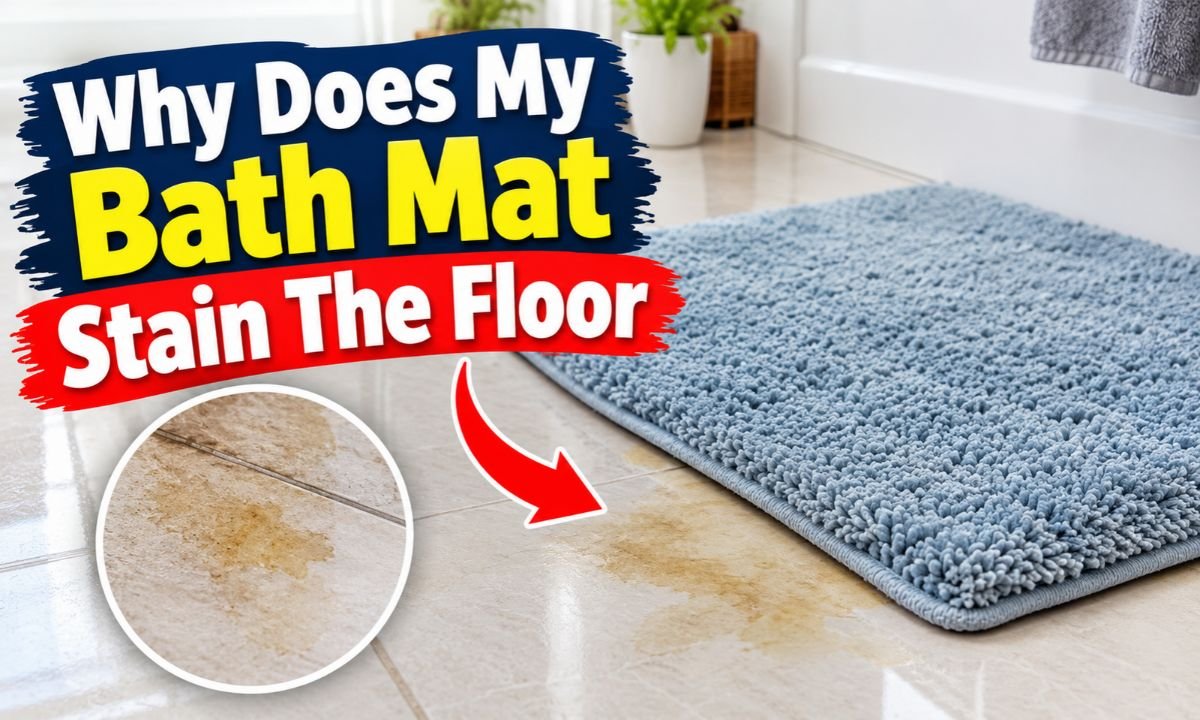
Why Does My Bath Mat Stain the Floor?
A bath mat can stain a floor when material from the mat transfers to the surface or when something beneath the mat changes the floor’s appearance. The main causes are backing residue, dye transfer, trapped moisture, dirt, and reactions between materials. The shape and color of the mark can help narrow down the cause.
The backing is often the first thing to inspect. Many mats have rubber, latex, PVC, or another grip layer that helps keep them in place. Some backing materials can leave residue or discolor certain floor finishes, especially when the mat stays in the same spot for a long time.
Moisture is another common cause. Water from a shower or bath can collect under a thick mat, where air cannot move freely. Soap, body oils, dust, and other residue can build up in the damp area and leave a ring or patch.
The floor itself matters, too. A stain on ceramic tile may sit on the surface or in the grout, while a mark on vinyl may involve the material or its finish. A pale or dark patch on wood may mean the finish has changed, so it should not be treated like ordinary dirt.
Backing transfer
Rubber, plastic, or adhesive-like residue may leave a dull, sticky, gray, or yellow mark.
Dye transfer
Dark or brightly colored fibers may release dye when damp, especially if the mat is new or has not been washed as directed.
Trapped moisture
Water can leave mineral deposits, support mildew growth, or affect a sensitive floor finish.
Dirt and product buildup
Dust, soap, body oils, and cleaning products can collect beneath the mat and form a removable film.
Can a Rubber Bath Mat Discolor a Floor?
Yes, some rubber-backed mats can discolor certain floors. The result depends on the backing formula, the floor material and finish, the amount of moisture, and how long the mat stays in place. A mat labeled non-slip is not automatically safe for every floor.
Some rubber and plastic materials contain ingredients that can migrate into or react with a flooring surface. On susceptible vinyl, this may cause a yellow, brown, or darker patch that does not disappear with ordinary cleaning. The exact cause cannot be confirmed by color alone.
If the backing feels sticky, leaves a film, or sheds small pieces, stop using the mat on that floor. Check the flooring maker’s care instructions and the mat maker’s compatibility guidance before choosing a replacement.
Watch for persistent marks
A patch that remains after gentle cleaning may indicate a change in the flooring material rather than dirt on its surface.
Check both product labels
Look for flooring compatibility and instructions about rubber, latex, PVC, or added rug pads.
Can a New Bath Mat Leave a Stain?
A new bath mat can leave marks if its backing transfers residue or its fibers release dye. Packaging residue, manufacturing compounds, or loose fibers may also contribute to the first few marks. However, a new mat is not automatically defective simply because a mark appears.
Read the care label before washing a new mat. Some mats can be machine-washed, while others require hand washing or spot cleaning. Never assume that hot water, bleach, or a dryer is safe for every backing.
If the mat leaves a colored mark after proper cleaning, test it away from the floor on a surface that will not be damaged. If the backing continues to shed color or residue, return or replace the mat rather than repeatedly exposing the floor to it.
Wash only as directed
Follow the mat maker’s instructions to remove washable dirt or loose residue without damaging the backing.
Check before reuse
Inspect the mat after washing and drying. Do not put it back if the backing feels tacky or leaves residue.
How to Tell What Is Causing the Stain
Look at the mark before using a cleaner. Its color, texture, location, and response to a gentle wipe can help you decide what to do next. These clues are useful, but none can prove the cause on its own.
Move the bath mat away and inspect both its underside and the exposed floor. Check whether the backing has changed color, feels sticky, or has started to break apart. Also look for dampness, a musty smell, and residue along the mat’s edges.
Use a soft, clean cloth dampened with water to test a small area, provided the flooring maker permits damp cleaning. Wipe gently and dry the area. If the mark comes off, surface residue is more likely; if the floor remains discolored, stop before trying stronger treatments.
Gray or black streaks
These may come from dirt, scuffing, or backing residue. A removable streak is more likely to be surface buildup than a permanent color change.
Yellow or brown patches
These may result from material transfer, dye, moisture-related changes, or a reaction involving the floor. Persistent marks on vinyl deserve special care.
White, cloudy rings
Mineral deposits, soap residue, or a change in the finish may create a pale mark. The right treatment depends on the flooring material.
Dark spots with a musty smell
Trapped moisture and mildew may be involved. Check the mat, the floor, and nearby grout for signs of ongoing dampness.
Sticky or greasy film
The backing or a cleaning product may have left residue. Avoid solvents until you know they are safe for the floor.
A Simple Check Before You Clean
Start by taking a clear photo of the mark and noting the floor type. Remove loose dust with a soft cloth, then try a small amount of water on an inconspicuous area if the floor instructions allow it. Do not soak seams, wood joints, or laminate edges.
If the mark changes or lifts, clean only as far as needed with a floor-approved product. If it does not change, do not keep rubbing harder. Persistent discoloration may need advice from the flooring manufacturer or a qualified flooring professional.
Stop if the surface changes
A new dull patch, softened coating, color on the cloth, or swelling means you should stop cleaning and reassess.
Do not mix cleaners
Never combine bleach with ammonia, acids, vinegar, or other cleaning products. Mixing products can release dangerous fumes.
How to Remove Bath Mat Stains Without Damaging the Floor
The safest way to remove a bath mat stain is to begin with the mildest method allowed for your floor. A cleaner that works on ceramic tile may damage a wood finish or leave a cloudy patch on another surface. Always check the flooring maker’s instructions first.
Gather a soft microfiber cloth, clean water, and a floor-approved cleaner if needed. Avoid steel wool, rough scouring pads, strong solvents, and abrasive powders unless the flooring manufacturer specifically approves them. These can scratch the surface or remove its protective finish.
Work on a small, hidden test area before treating the visible stain. Use only the amount of moisture recommended for the floor, wipe gently, and dry the spot. If the mark remains unchanged or the surface starts to look different, stop rather than escalating to a stronger chemical.
Step 1: Remove the mat
Lift it carefully so you do not spread residue. If the backing is wet or sticky, avoid dragging it across the floor.
Step 2: Let the area dry
Use a dry cloth to absorb standing water. Allow air to reach the exposed floor so you can assess the true color and condition.
Step 3: Remove loose dirt
Use a soft cloth or a suitable vacuum attachment to pick up dust and loose fibers without scratching the surface.
Step 4: Test a gentle cleaner
Use a cleaner approved for the exact flooring type and follow its label. Do not apply it directly to the entire stain before testing.
Step 5: Wipe and dry
Use a clean cloth to remove loosened residue, then dry the area. Check the result under normal light.
Step 6: Decide whether to stop
If the stain remains, the surface feels different, or the finish looks damaged, seek product-specific guidance before trying another treatment.
Cleaning Stains on Vinyl Flooring
Vinyl flooring can be vulnerable to discoloration from some rubber or plastic backing materials. If the mark is a surface film, a cleaner approved for the vinyl floor may remove it. If the color has changed within the material, ordinary cleaning may not restore the original appearance.
Use a soft cloth and a pH-neutral or otherwise manufacturer-approved cleaner. Avoid abrasive pads, harsh solvents, and unapproved bleach treatments. These can dull the wear layer or damage the printed surface.
If a yellow or brown patch remains after gentle cleaning, check the flooring manufacturer’s guidance about backing-related discoloration. Do not assume that a stronger cleaner will fix it; a permanent material change may require a flooring repair or replacement assessment.
Best first step
Try the vinyl maker’s approved cleaner on a small area, then wipe and dry it fully.
When cleaning fails
A persistent patch may be inside the material or its wear layer rather than on the surface.
Cleaning Stains on Ceramic or Porcelain Tile
Glazed ceramic and porcelain tile are generally less absorbent than many other floor materials, so a mark may sit on the tile surface or in the grout. Soap film, dirt, and residue are possible causes. Natural stone tile needs different care and should not be treated as if it were ordinary glazed tile.
For glazed tile, start with a mild cleaner approved for the surface and a soft cloth. Clean grout with a suitable grout cleaner and a soft brush if the grout maker permits it. Avoid harsh scrubbing that can wear grout or damage nearby finishes.
If the tile is unglazed, textured, or made from natural stone, consult the care instructions before using acids or alkaline products. Vinegar can damage some stone surfaces, and a cleaner safe for one tile type may be unsuitable for another.
Check the grout
A dark outline may be soil trapped in porous grout rather than a stain on the tile itself.
Keep stone separate
Marble, limestone, and other acid-sensitive stone need stone-safe cleaning products.
Cleaning Stains on Laminate or Wood Floors
Laminate and wood floors need extra care because water can enter seams, joints, or exposed edges. Excess moisture may cause swelling, lifting, or damage to the finish. Do not flood the area or leave a wet cloth sitting on the stain.
For laminate, use only a cleaner approved by the flooring manufacturer and a lightly damp cloth when permitted. Dry the area promptly. For finished wood, follow the finish maker’s cleaning instructions and avoid soaking, abrasive scrubbing, or unapproved polish.
A dark patch, cloudy finish, raised edge, or lasting color change may indicate more than surface dirt. If gentle cleaning does not help, a flooring professional can assess whether the finish or material has been affected.
Avoid soaking
Use minimal moisture and dry the area promptly, especially near seams and board edges.
Do not sand or refinish casually
Surface repair depends on the floor construction and finish. Seek product-specific guidance before attempting a repair.
Why Does My Bath Mat Leave Yellow, Brown, or Black Marks?
The color of a mark can help guide your next step, but it cannot identify the cause with certainty. Different problems can produce similar colors, so combine the color clue with the texture, smell, floor type, and result of a gentle cleaning test.
Yellow or brown marks beneath rubber-backed mats may be linked to material transfer or discoloration of a susceptible floor. Dark marks may come from dirt, scuffing, mildew, or a change in the surface. White marks may be mineral residue or a finish issue.
If the mark appears only where the mat rests, the backing or trapped moisture becomes more likely. If it spreads beyond the mat, returns after cleaning, or appears alongside damp seams, check for a broader moisture or maintenance problem.
Yellow marks
Check for backing transfer, dye, and persistent discoloration. Do not use bleach or solvent without confirming floor compatibility.
Brown marks
Look for residue, mineral deposits, moisture-related changes, or a damaged finish. The floor type determines the safest treatment.
Black marks
Check for removable scuffs, grime, or damp buildup. If the marks are fuzzy, spread, or smell musty, investigate moisture and possible mildew.
White or cloudy marks
Consider soap film or mineral deposits, but also check whether the surface finish has changed.
Can Mold Grow Under a Bath Mat?
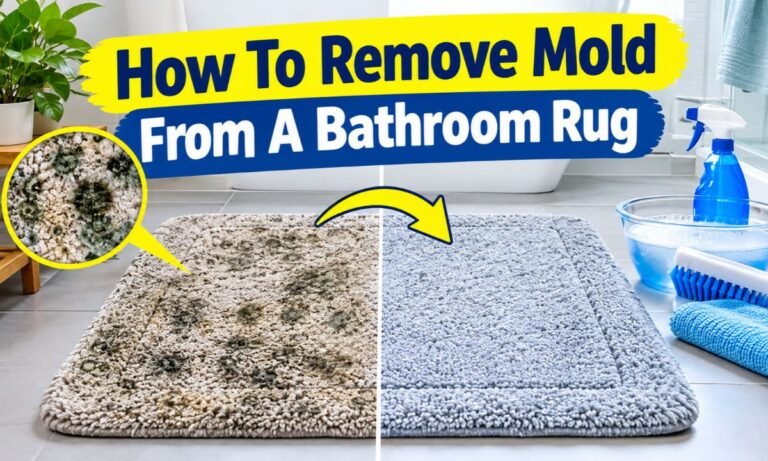
Yes, mold can grow where moisture remains and suitable food sources are present. A thick mat can slow drying, especially in a bathroom with poor airflow or when the mat is left flat on a damp floor. A musty smell, dark spotting, or visible growth calls for a closer look.
Remove the mat and let the area dry. Wash the mat according to its care label, and clean the floor with a product approved for its surface. Do not mix cleaners, and avoid brushing visible growth in a way that spreads dust or debris.
If growth returns quickly, covers a large area, or appears to involve damaged flooring or the subfloor, look for an ongoing moisture source. Persistent dampness may require a qualified professional to assess leaks, ventilation, or hidden water damage.
Improve drying
Hang the mat over a shower bar or drying rack when practical, and run bathroom ventilation during and after showers.
Address the moisture source
Check for leaks, standing water, and poor airflow rather than repeatedly cleaning the same damp spot.
How to Stop Your Bath Mat From Staining the Floor Again
The best prevention is to match the mat to the floor, keep both surfaces clean and dry, and inspect the backing on a regular basis. A mat should provide grip without leaving residue or trapping water for long periods. The right choice depends on the flooring maker’s compatibility rules.
Do not assume that every rubber-backed or non-slip mat is safe on vinyl, laminate, wood, or stone. Some products work well on certain surfaces but may stain or damage others. If the product label does not name your floor type, ask the mat or flooring manufacturer before using it.
Drying matters as much as material choice. After a shower, lift or hang the mat when possible, wipe away water beneath it, and allow the floor to dry. A mat that remains wet against the same spot day after day creates more opportunity for residue and moisture problems.
Choose a compatible backing
Look for clear compatibility information for your exact floor type. Do not rely on the words non-slip or waterproof alone.
Wash the mat as directed
Follow the care label and allow the mat to dry fully before placing it back on the floor.
Lift the mat often
Let air reach the floor and check for trapped water, loose fibers, sticky spots, or changes in backing texture.
Keep cleaners compatible
Rinse away cleaning residue when the product instructions call for it, and dry the surface before replacing the mat.
Replace damaged backing
Stop using mats that crumble, peel, become tacky, or leave repeated marks.
Should You Put a Rug Pad Under a Bath Mat?
A rug pad may help keep a mat in place, but it can also create another material-to-floor contact point. Some pads are not suitable for vinyl, rubber-sensitive finishes, laminate, or certain wood coatings. Adding a pad without checking compatibility may increase the risk of staining instead of reducing it.
Choose a pad specifically approved for your floor type and intended for use in a damp bathroom. It should not trap water or interfere with the mat’s grip. If the flooring maker advises against pads, follow that guidance.
Do not place a loose towel or random sheet of plastic under a bath mat as a quick fix. These materials can bunch up, hold moisture, or create a slipping hazard. A stable, compatible setup is more useful than adding extra layers.
Confirm floor compatibility
Check the pad maker’s instructions and the flooring manufacturer’s care guidance before use.
Avoid extra layers that move
A slippery or wrinkled layer can make the mat less stable and increase the risk of a fall.
What Type of Bath Mat Is Less Likely to Stain a Floor?
No bath mat is guaranteed to be stain-proof on every floor. A washable fabric mat without an incompatible backing may reduce the risk of chemical transfer, but it still needs to dry well and stay in place. A mat that absorbs water quickly can also remain damp if the bathroom has poor airflow.
A mat with a backing specifically approved for your floor may be a practical choice. The key is not simply whether the backing is rubber, latex, PVC, or fabric; it is whether that exact material is compatible with the floor finish and suitable for bathroom use.
If you have a sensitive floor or have already experienced discoloration, ask the flooring manufacturer which backing materials to avoid. Keep the product label or care instructions so you can check compatibility before buying a replacement.
For vinyl
Confirm that the backing is approved for the exact vinyl flooring. Avoid products that warn against contact with vinyl.
For wood or laminate
Choose a mat that can dry well and follow the floor maker’s rules for mats and pads.
For tile
Consider a stable, washable mat that does not hold excess water against the tile or grout.
Common Mistakes That Can Make a Floor Stain Worse
The wrong cleaning method can turn a small mark into a larger repair. A stain may look like dirt, but aggressive scrubbing or a strong chemical can damage the surface before you learn what caused it. Work slowly and stop when the floor’s appearance or texture changes.
One common mistake is using the same cleaner on every floor in the home. Vinegar, bleach, ammonia-based products, abrasive powders, and solvents all have limits. Even when a product removes a mark, it may harm a finish or leave residue that attracts more dirt.
Another mistake is putting the mat back while the floor or backing is still wet. That traps moisture again and makes it harder to tell whether the stain has been resolved. Let both surfaces dry completely and inspect the backing before reuse.
Scrubbing too hard
Rough pads can scratch vinyl, wear grout, or dull a protective coating. Start with a soft cloth.
Using bleach without checking
Bleach can discolor materials and damage some finishes. It is not a universal solution for yellow or dark marks.
Using vinegar on every surface
Acidic cleaners can damage marble, limestone, and other acid-sensitive materials. Follow the surface maker’s advice.
Mixing cleaning products
Never mix bleach with ammonia, vinegar, acids, or other cleaners. Dangerous gases may form.
Ignoring a damaged mat
A backing that repeatedly sheds residue can keep staining the floor even after the floor has been cleaned.
Leaving the mat in place while wet
A wet mat can slow drying and conceal new residue, moisture, or damage.
When Should You Stop Cleaning and Get Help?
Stop if the floor becomes sticky, soft, swollen, cloudy, scratched, or lighter in color during cleaning. These signs may indicate that the surface or protective finish is being damaged. More scrubbing is unlikely to solve a problem that has moved beyond surface residue.
Contact the flooring manufacturer or a qualified flooring professional if a stain remains after a gentle, approved cleaning method. Share the floor type, the bath mat’s backing material, the cleaners used, and photos of the mark. These details can help narrow down the cause without risking further damage.
If the floor is damp for long periods, has a musty odor that persists, or shows recurring growth, investigate the moisture source. A plumber may be needed for a leak, while a qualified moisture or mold professional may be appropriate when hidden damage is suspected.
Persistent discoloration
Ask for flooring-specific advice before trying solvents, sanding, polishing, or refinishing.
Swelling or lifting
Avoid more water and seek an assessment, especially with laminate, wood, or flooring seams.
Recurring dampness or growth
Find and address the moisture source instead of relying on repeated surface cleaning.
A Quick Guide to Bath Mat Stains by Floor Type
The floor material is one of the most useful clues when choosing a cleaning method. Use this table to decide what to check first, not as proof that a particular substance caused the mark. Product labels and flooring instructions take priority over general advice.
If you do not know which flooring you have, look for installation paperwork, product labels, or guidance from the property owner or flooring supplier. Do not test a suspected material with harsh chemicals to identify it.
Vinyl
Check for backing transfer or discoloration. Start with an approved gentle cleaner and avoid abrasive pads or unapproved solvents.
Ceramic or porcelain tile
Check for surface residue and dirty grout. Use a cleaner suitable for the tile and grout.
Natural stone
Use a stone-safe cleaner and avoid acids unless the stone manufacturer explicitly permits the product.
Laminate
Use minimal moisture and dry promptly. Check seams for swelling or lifting.
Finished wood
Follow the finish maker’s instructions. Avoid soaking the floor or using unapproved chemicals.
How Long Should You Wait Before Putting the Mat Back?
Wait until the floor and the mat’s underside are fully dry. There is no single drying time that fits every bathroom because airflow, humidity, mat thickness, and floor material all affect drying. Touching the top of the mat alone does not confirm that the backing is dry.
If the floor has seams or a moisture-sensitive finish, be especially careful. Use ventilation and allow more time when needed. Do not put the mat back if you can still feel dampness or notice a musty smell.
Before reuse, inspect the backing for sticky areas, cracking, peeling, or color transfer. If it leaves residue on a clean, compatible test surface, replace the mat rather than risking another stain.
Dry both sides
Hang or lay the mat in a well-ventilated area according to its care label.
Check the floor first
Make sure there is no standing water, cleaning residue, or dampness under the mat’s usual position.
A Practical Routine to Keep Your Bathroom Floor Clean
A short routine can help prevent stains and make early warning signs easier to spot. You do not need special tools for everyday care; a soft cloth, suitable cleaner, and a place to dry the mat are often enough. Follow the mat and flooring labels when their directions differ from general advice.
After bathing, remove excess water from the floor and hang the mat if practical. Clean the mat on the schedule recommended by its maker, and inspect its underside during washing. A mat that stays damp for too long may need more drying time or a different location.
Every so often, lift the mat and check the floor beneath it. Look for changes in color, residue, dampness, or damage to the backing. Finding a problem early may prevent a small patch from becoming a larger cleaning or repair issue.
After each shower
Allow air to reach the mat and floor, remove standing water, and use bathroom ventilation when available.
During regular cleaning
Wash the mat according to its care label and clean the floor with a compatible product.
When checking the mat
Look for loose dye, a sticky feel, cracked backing, peeling, and signs of trapped moisture.
When buying a replacement
Confirm floor compatibility and choose a mat that can be cleaned and dried without excessive effort.
What If the Stain Returns After Cleaning?
A returning stain suggests that something may still be transferring to the floor or that moisture remains. Check the backing, wash and dry the mat as directed, and leave it off the floor while you assess the mark. If the mark fades when the mat is removed but returns after reuse, stop using that mat on the surface.
If the stain returns even without the mat, look for another source such as a leak, cleaning residue, or moisture coming from nearby fixtures. Persistent or spreading marks may need a flooring or moisture assessment rather than another round of cleaning.
Keep a photo of the stain and note when it appears, which cleaner you used, and whether the floor was wet. This simple record can help you explain the issue to the manufacturer or a professional.
Remove the suspected cause
Do not keep placing a mat back over a mark that reappears after use.
Track the pattern
Note whether the mark follows the mat’s outline, appears after showers, or spreads beyond the original area.
Frequently Asked Questions
Q
Why is my bath mat leaving a yellow stain on vinyl flooring?
A yellow mark may come from backing transfer, dye, residue, or a change in the vinyl itself. Some backing materials can discolor certain vinyl floors, and ordinary cleaning may not reverse a lasting material change.
Remove the mat and try a gentle cleaner approved by the flooring manufacturer on a small area. If the mark remains, avoid bleach, abrasive pads, and solvents unless the manufacturer specifically approves them. Ask the flooring maker about the stain and the mat’s backing material.
Q
Can I use vinegar to remove a bath mat stain?
Vinegar is not safe for every flooring material. Its acidity can damage marble, limestone, and other acid-sensitive stone, and it may be unsuitable for some finishes. It is also not a reliable fix for discoloration caused by a reaction between a mat backing and the floor.
Use a cleaner approved for your exact floor instead. Never mix vinegar with bleach or other cleaning products, and do not experiment with acids on an unknown surface.
Q
Does a non-slip bath mat always protect the floor?
No. Non-slip describes a grip feature, not universal floor compatibility. A mat can stay in place and still leave residue or discolor a surface if its backing is unsuitable for that flooring.
Check the mat’s product information and the flooring manufacturer’s instructions. Lift the mat often, keep it dry, and stop using it if the backing becomes sticky, cracks, or leaves marks.
Q
How can I tell whether the stain is mold or rubber residue?
There is no reliable way to identify the cause from color alone. Rubber residue may feel sticky or leave a film, while suspected mold may appear as spots or patches and may come with a musty smell. However, these signs can overlap with other types of dirt or discoloration.
Remove the mat, inspect its backing, and allow the area to dry. Use a floor-compatible cleaning method for surface residue, and investigate persistent dampness or recurring growth. If the material remains discolored after gentle cleaning, do not assume it is mold or keep applying stronger chemicals.
Q
Will a bath mat stain disappear on its own?
A surface mark caused by loose dirt or removable residue may become easier to clean once the mat is removed and the area dries. A stain caused by dye transfer or a lasting change in the floor material may not fade on its own.
Inspect the floor after drying and try a gentle, approved cleaner. If the stain remains, identify the flooring type and contact the manufacturer before attempting a repair. Avoid covering the mark with another mat until you know the cause.
Q
Should I replace my bath mat if it stains the floor?
Replace or stop using the mat on that floor if its backing is sticky, cracked, peeling, crumbly, or repeatedly leaves residue. A new mat may be needed even if the old one still looks acceptable from the top.
Before buying a replacement, confirm that its backing is compatible with your flooring. A washable mat that dries well may help, but material labels and care instructions matter more than appearance alone.
Q
Can a bath mat damage hardwood or laminate flooring?
Yes, a mat can contribute to problems if it traps moisture, has an incompatible backing, or prevents the floor from drying. Wood finishes may become cloudy or discolored, while laminate can swell if water enters its seams or edges.
Use only mats and pads permitted by the flooring manufacturer. Keep the floor dry, lift the mat regularly, and avoid leaving standing water underneath. If the surface swells, lifts, or changes color, seek flooring-specific advice.
✦ Wrapping Up
Conclusion
If your bath mat stains the floor, the cause is often linked to its backing, dye, trapped moisture, or residue. The color and texture of the mark can offer clues, but the flooring material determines which cleaning method is safe. Start with a gentle inspection instead of reaching for a strong chemical.
Remove the mat, let the area dry, and test a floor-approved cleaner on a small spot. If the mark does not lift, the surface changes, or moisture and musty odors keep returning, stop and seek advice from the flooring manufacturer or a qualified professional.
Prevention is usually simpler than repair. Choose a mat that is compatible with your floor, follow its care label, keep the backing clean, and allow both the mat and floor to dry fully. If the same mat leaves repeated marks, replace it rather than risking further damage.
💡 Key Takeaway
Remove the bath mat today, inspect its backing, dry the floor, and test a gentle cleaner approved for your flooring. Do not reuse a mat that leaves sticky residue or repeated stains.





4 Comments