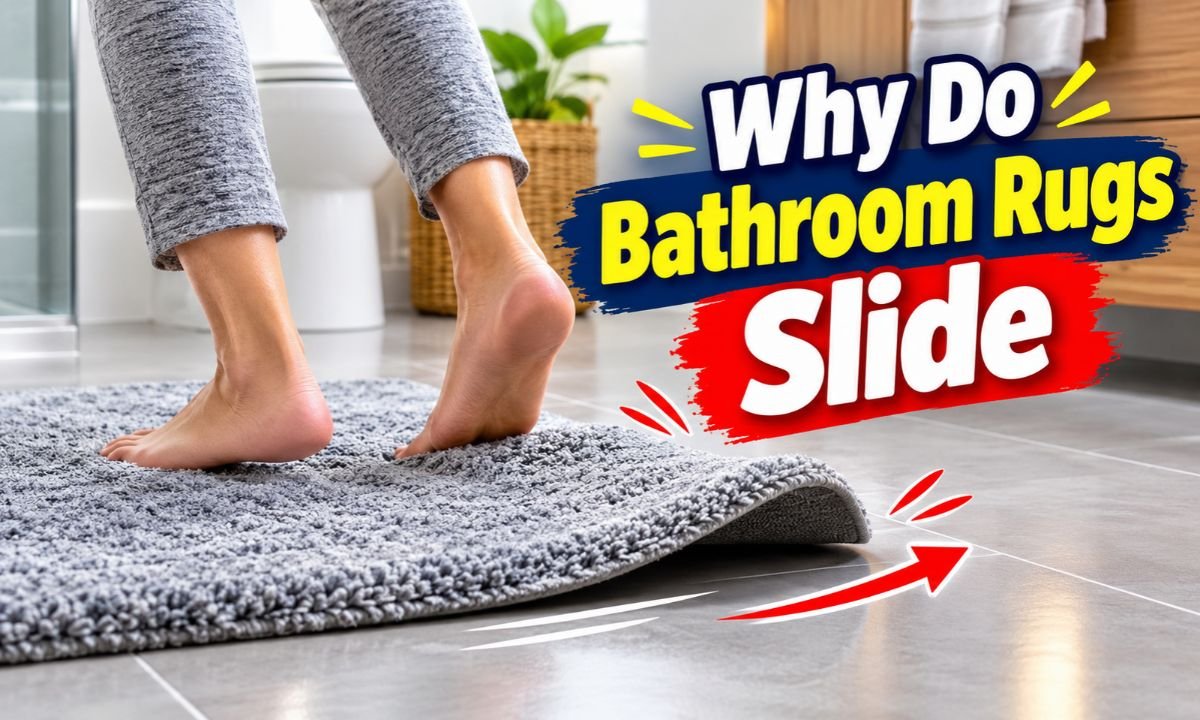
Bathroom rugs slide when their backing cannot grip the floor, moisture reduces friction, or the rug shifts underfoot. A clean, dry floor and a compatible non-slip rug pad can help keep the rug in place.
In American homes, bathroom rugs sit on many kinds of floors, from glossy ceramic tile in older homes to porcelain tile, vinyl planks, and hardwood in newer bathrooms. These rugs make the floor feel softer and help catch water after a shower. Yet a rug that moves when you step on it can turn an ordinary trip to the bathroom into a fall risk.
The main cause is often a lack of grip between the rug and the floor. A loose fabric backing, worn rubber coating, dust, soap residue, or water beneath the rug can all make movement more likely. The type of floor also matters because a smooth, hard surface may offer less resistance to a rug than a clean, textured one.
The best fix depends on what is making your rug move. You may need to clean the floor, dry the rug backing, replace a worn mat, or add a non-slip pad made for your flooring. This guide explains how to find the cause, choose a safe fix, and keep your bathroom rug from sliding over time.
Why Do Bathroom Rugs Slide in the First Place?
Bathroom rugs slide because the force holding them against the floor is too weak to resist the force of your feet. When you step onto a rug, your foot pushes it sideways or forward. If the underside cannot grip the floor well enough, the rug moves instead of staying still.
This grip is called friction. Friction helps two surfaces resist movement when they touch. A rug with a suitable backing can create enough friction to stay put, while a loose cotton mat or worn backing may move easily across a smooth floor.
The problem often comes from more than one cause. For example, a thin rug may already have weak grip, and a small amount of water under it may make the problem worse. Finding the main cause is more useful than adding a random product beneath the rug.
Low-grip backing
A rug without a non-slip underside may slide on smooth tile, vinyl, laminate, or finished wood.
Moisture under the rug
Water from showers, wet feet, or a damp rug can interfere with contact between the backing and the floor.
Dirt and residue
Dust, hair, soap film, and cleaner residue may build up under the rug and reduce reliable contact.
Worn or damaged backing
Rubber dots, latex coatings, and other grip materials can crack, peel, or lose their texture with use and washing.
Lightweight construction
A thin rug may wrinkle or shift more easily because it has little weight to help keep it flat.
Why Smooth Bathroom Floors Make Sliding More Likely
Glossy ceramic and porcelain tiles can provide a smooth surface for a rug to move across. Vinyl and laminate may also allow movement when the rug backing is not designed for them. A floor can look clean and still have a thin film of soap or cleaning product that affects grip.
Textured tile may help a rug stay in place, but texture alone does not make a loose mat safe. A rug can still shift if its backing is unsuitable, uneven, damp, or worn. Always judge the rug and floor as a pair rather than assuming that one feature guarantees safety.
Smooth tile
Check the rug backing and use a compatible grip solution intended for hard tile.
Vinyl or laminate
Check the flooring maker’s guidance before using rubber, latex, adhesive, or a rug pad.
Finished hardwood
Use only a backing or pad approved for the finish because some materials may stain, trap moisture, or affect the coating.
Why a Rug Can Slide Even When It Has Rubber Backing
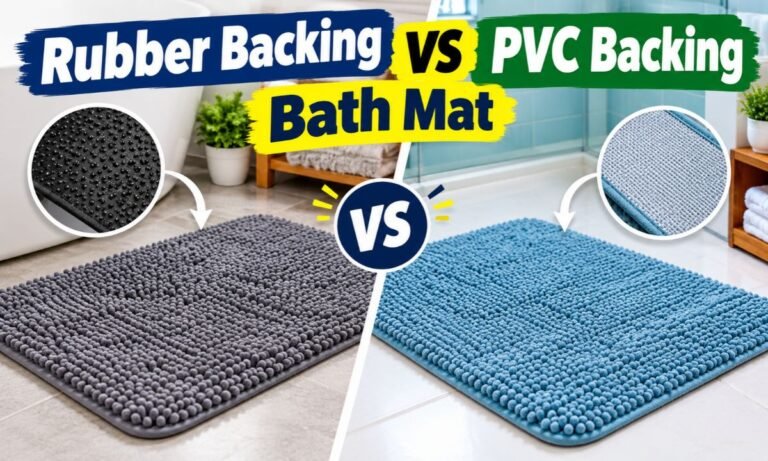
A rubber backing does not guarantee that a rug will stay still. Some rugs use small rubber dots, a thin coating, or a flexible backing that may grip one surface better than another. The grip can also weaken as the backing ages or collects residue.
If a rubber-backed rug slides, inspect the underside for cracks, missing dots, peeling sections, or a slick film. Check the floor for moisture and cleaning residue as well. If the backing has broken down, replacing the rug is usually more reliable than trying to restore the worn material.
Check the label
Look for the floor types and cleaning methods approved by the rug maker.
Inspect the coating
Replace the rug if the backing flakes, crumbles, peels, or has lost much of its original texture.
How Water and Dirt Make Bathroom Rugs Slippery
Water and dirt can make a bathroom rug less stable by changing how the backing contacts the floor. A bath mat may absorb water from your feet, but that does not mean the underside stays dry. Moisture can collect beneath the rug, especially when the floor is cold, the bathroom has poor airflow, or the rug remains in place after a shower.
Soap and shampoo can also leave a thin film on the floor. Some cleaning products leave residue if they are not rinsed or wiped away as directed. This film may make a surface feel slick and can affect the grip between the rug and the floor.
Hair, dust, and lint may gather beneath the edges. These small particles can keep the backing from lying flat against the floor. Cleaning both surfaces and letting them dry fully is a sensible first step before buying a new rug or adding a pad.
Water from wet feet
Water can travel beneath the rug when you step onto a damp mat or place it over a wet area.
Soap and shampoo
Bath products can leave a slippery film near a tub or shower entrance.
Cleaner residue
Too much cleaner or poor rinsing can leave a film that affects the floor surface.
Dust and hair
Loose debris may keep the backing from making steady contact with the floor.
How to Tell Whether Moisture Is the Main Cause
Start by moving the rug away from the wet area. Check the floor and the backing for dampness, then inspect the underside for dirt or a slick coating. If the floor is wet, do not test the rug by walking on it; dry the area first.
Once the rug and floor are fully dry, place the rug back and check that it lies flat without curled edges. If it still shifts under light hand pressure, its backing may be unsuitable or worn. Keep it out of use until you have a dependable way to secure it.
Wet underside
Dry the rug according to its care label and let the floor dry completely before replacing it.
Visible residue
Clean the floor with a method approved for the surface, then remove any remaining cleaner as directed.
Persistent movement
If the rug still moves when both surfaces are dry, investigate the backing and fit a compatible pad or replace the rug.
How to Stop Bathroom Rugs From Sliding
The most reliable way to stop a bathroom rug from sliding is to fix the cause first, then use a grip method that suits the floor and rug. Do not cover up a wet or dirty surface with a pad. The extra layer will not solve the problem if the floor remains slippery or the rug backing has failed.
Begin with cleaning and drying because these steps cost little and help reveal whether the rug itself is the issue. If the rug still moves, choose a non-slip rug pad or a replacement rug with a backing approved for your floor. Follow the product instructions for size, placement, cleaning, and moisture exposure.
A secure rug should lie flat and resist movement during normal use. If it shifts, bunches up, or curls at the edges, remove it until you can correct the problem. A rug that looks attractive but moves underfoot is not a safe choice for a bathroom.
Step 1: Clear the area
Move the rug away from the tub or shower entrance so you can inspect the floor without stepping on a slippery surface.
Step 2: Clean the floor
Remove dirt, hair, soap film, and cleaner residue using a method suitable for the flooring material.
Step 3: Dry both surfaces
Let the floor and the rug backing dry fully. Follow the rug’s care label rather than using high heat that could damage the backing.
Step 4: Inspect the rug
Check for worn grip material, curled corners, loose threads, lumps, and a backing that no longer lies flat.
Step 5: Add a compatible pad or replace the rug
Choose a non-slip solution made for the exact floor type, or replace a rug that has lost its grip.
Step 6: Check the result
With the floor dry, check the rug by hand for movement and make sure all edges lie flat before returning it to use.
Choosing a Non-Slip Rug Pad
A non-slip rug pad can add grip between a rug and a hard floor. The right pad should fit the rug, suit the floor material, and tolerate the moisture conditions in the bathroom. A pad designed for a dry living room may not be suitable for a damp bathroom.
Measure the rug before buying a pad. The pad should usually sit inside the rug’s edges so it does not show or create a raised lip. Follow the pad maker’s directions for trimming and placement, and make sure the finished setup does not cause the rug to bunch or curl.
Check the flooring manufacturer’s guidance before placing rubber or latex beneath vinyl, laminate, or finished wood. Some backing materials can discolor or react with certain floor finishes. If the product does not clearly state that it is suitable for your floor, choose a different option.
For ceramic or porcelain tile
Look for a pad labeled for hard tile and damp indoor areas, and confirm that it can be used with your rug backing.
For vinyl and laminate
Choose a pad approved by the flooring maker because certain rubber or latex products may leave marks or affect the surface.
For finished wood
Use only a compatible pad that will not trap moisture against the finish or leave a stain.
For a small bath mat
A mat with an integrated, floor-compatible non-slip backing may be easier to maintain than a separate pad.
Should You Use Double-Sided Tape?
Double-sided rug tape may hold some rugs in place, but ordinary tape is not a universal bathroom fix. Moisture can weaken its bond, and adhesive can leave residue or damage some floor finishes. Tape may also create a problem if the rug needs frequent washing or if the manufacturer does not approve adhesive use.
Use tape only when the rug and flooring manufacturers permit it and the product is rated for the conditions in your bathroom. Do not place tape where it can create a raised edge or interfere with a door. If you cannot verify compatibility, a suitable non-slip pad or a different rug is a better option.
Check compatibility
Confirm that the adhesive is safe for both the floor finish and the rug backing.
Avoid wet installation
Apply any approved adhesive only under the dry conditions stated in its instructions.
Inspect regularly
Remove or replace tape if it loosens, becomes gummy, or causes the rug to bunch.
Which Bathroom Rug Materials Are Less Likely to Slide?
No single rug material guarantees a firm grip on every bathroom floor. The backing, floor finish, rug weight, moisture level, and construction all affect how well a mat stays in place. The best choice is a rug whose full design is compatible with the floor where you plan to use it.
Cotton, microfiber, and chenille describe the rug’s fibers or surface, not necessarily its grip. A soft cotton mat may have no non-slip backing, while a microfiber rug may include a backing that works well on a compatible floor. A thick chenille mat can still move if the underside is smooth or worn.
When comparing rugs, look at the underside and the care label, not just the top fabric. A backing that is labeled non-slip is useful only if it is suitable for your floor and remains in good condition. If the rug will sit near a shower, also consider how quickly it dries and whether the backing can tolerate regular washing.
Cotton
Cotton can absorb water and feel comfortable, but a cotton mat without a grip backing may move on smooth flooring.
Microfiber
Microfiber can feel soft and dry quickly in some designs, but grip depends on the backing and the care instructions.
Chenille
Chenille has a soft, textured pile, yet that surface does not stop the underside from sliding.
Rubber-backed rugs
Rubber backing can improve grip on compatible floors, but the material can wear and may not suit every floor finish.
Memory foam mats
A cushioned foam layer can feel comfortable, but the bottom still needs a suitable grip surface.
Does a Heavier Bathroom Rug Slide Less?
A heavier rug may resist small movements better than a very light one, but weight alone does not make it safe. A heavy mat can still slide across wet tile if the backing has little grip. It may also be harder to lift and dry, which can allow moisture to remain underneath.
Choose a rug that lies flat, has a suitable backing, and is easy enough to wash and dry as needed. Do not use added weight as a substitute for a non-slip design. If the mat moves when you step near its edge, it needs a better grip solution regardless of its weight.
Prefer a flat fit
Choose a size that fits the space without folded edges or corners that catch your feet.
Balance weight and care
A rug should be easy to lift so you can dry the floor beneath it and clean the backing when needed.
How Different Floor Types Affect Bathroom Rug Grip
The floor beneath a bathroom rug matters because the same backing may grip one surface but slide or leave marks on another. Floor finish, texture, moisture, and cleaning products all affect the result. Always check both the rug label and the flooring care guide before choosing a grip product.
Tile is common in bathrooms, but it can be glossy, textured, glazed, or unglazed. Vinyl, laminate, and wood have different surface finishes and may react differently to rubber, latex, or adhesive. A product that works on tile should not automatically be assumed safe for another floor.
Use the following table as a starting point, not as a guarantee. The exact rug, pad, and flooring materials determine compatibility, so follow their instructions when they differ from general advice.
Bathroom Rug Grip by Flooring Type
A floor-specific solution can reduce sliding without creating a new maintenance problem. The safest choice is one that keeps the rug flat, grips the floor when dry, and does not harm the finish or trap moisture.
Ceramic and porcelain tile
Clean off soap residue, dry the surface, and use a rug or pad labeled for tile. Smooth, glossy tile may need more attention to backing compatibility.
Vinyl flooring
Check the vinyl maker’s instructions before using rubber, latex, or adhesive. Some materials may stain or affect the finish.
Laminate flooring
Avoid leaving a damp rug in place. Use only an approved backing or pad and dry any water promptly.
Finished hardwood
Use a floor-compatible rug pad and lift the rug often enough to check for trapped moisture or marks.
Natural stone
Use a compatible grip solution and a floor-safe cleaning method. Avoid harsh cleaners that may damage the stone or its seal.
Can You Put a Bathroom Rug on a Heated Floor?
A bathroom rug may be suitable for some heated floors, but the answer depends on the heating system, floor material, and rug construction. A thick rug or insulating pad can affect heat transfer, and some backing materials may not tolerate the operating temperature.
Check the heating system instructions and the rug manufacturer’s temperature limits before placing a mat over the heated area. Do not assume that a rug is safe simply because it is designed for bathrooms. If the instructions prohibit rugs or thick coverings, keep the heated area clear.
Check heat limits
Follow the temperature and covering limits set by the heating system and rug manufacturers.
Avoid thick, unapproved pads
Do not add insulation or a dense pad over a heated floor unless the system maker allows it.
Common Mistakes That Make Bathroom Rugs Keep Sliding
A bathroom rug may keep moving when the fix addresses only one part of the problem. For example, a new pad cannot work as intended if soap film remains on the floor or the rug backing is crumbling. Good results come from cleaning, checking compatibility, and making sure the whole setup lies flat.
Some quick fixes can also damage the floor or create a new trip hazard. Household glue, random adhesive strips, folded towels, and loose shelf liner may seem handy, but they are not reliable substitutes for a product designed for the rug and floor. A solution that bunches, peels, or traps moisture can be worse than the original problem.
Using a pad on a wet floor
Dry the floor first. A pad cannot correct the hazards caused by water beneath the rug.
Choosing a pad by size alone
Check material compatibility, bathroom use, and the rug maker’s instructions rather than buying only by measurement.
Ignoring worn backing
A badly worn rug may continue to move even with cleaning. Replace it if the grip material is damaged.
Using household glue
Glue can damage a floor finish, harden unevenly, or make the rug difficult to wash.
Folding a towel under the rug
A loose towel can bunch up and create an uneven surface. Use a suitable non-slip product instead.
Leaving the rug in place all the time
Moisture and debris can collect underneath. Lift the rug during routine cleaning and let the floor dry.
Why Washing Can Make a Rug More Slippery
Washing can remove dirt and restore a cleaner surface, but the wrong cycle or drying method may damage a rug’s backing. Some rubber or latex coatings can crack, peel, or break down when exposed to unsuitable heat or harsh cleaning products. A backing that looks rough or sticky after washing may no longer be reliable.
Follow the care label for water temperature, detergent, cycle, and drying method. Do not use bleach or fabric softener unless the manufacturer permits it. If the rug’s grip material has deteriorated, cleaning alone will not restore its original performance.
Use the approved wash method
Check whether the rug is machine washable and follow the stated settings.
Avoid unapproved heat
Use the specified drying method to reduce the risk of damage to the backing.
Inspect after washing
Look for peeling, cracking, hard spots, and changes in how flat the rug lies.
How to Maintain Bathroom Rugs So They Stay in Place
Regular care helps a bathroom rug keep its shape and allows you to spot grip problems before they become a fall risk. The aim is to keep the rug, its backing, and the floor clean and dry while avoiding cleaning methods that damage the materials. A simple routine is usually enough for day-to-day care.
The right schedule depends on how often the bathroom is used, how much water reaches the rug, and how quickly the room dries. A busy family bathroom may need more frequent washing and drying than a lightly used guest bathroom. Regardless of the schedule, lift the rug whenever you notice dampness or a musty smell underneath.
Keep the floor dry
Wipe up standing water and dry the area before placing the rug back.
Lift the rug during cleaning
Remove hair and dust from both the floor and the underside rather than cleaning only the visible top.
Allow full drying
Hang or spread the rug as its care instructions allow so the backing and fibers can dry.
Check the corners
Flatten curled edges or replace the rug if it will not lie flat.
Inspect the backing
Look for peeling, cracks, sticky residue, and missing grip sections.
Follow product instructions
Use only cleaners, pads, and drying methods approved for the materials involved.
How Often Should You Clean a Bathroom Rug?
There is no single washing schedule that suits every bathroom rug. Follow the care label and adjust based on how often the mat gets wet, how many people use it, and whether it begins to smell or collect visible dirt. A rug near a frequently used shower may need cleaning more often than one in a dry powder room.
Do not wait for a strong odor before checking the underside. If the backing or floor remains damp, remove the rug and let both dry. A clean rug can still slide, so check its grip after each wash and replace it when the backing no longer works.
After heavy use
Lift the rug and check for moisture if it has absorbed a lot of water.
During regular bathroom cleaning
Clean beneath the rug and remove dust, hair, and residue from the floor.
After washing
Check that the rug is fully dry and that the backing has not changed shape or texture.
When Should You Replace a Sliding Bathroom Rug?
Replace a bathroom rug when its backing is damaged, the corners stay curled, the fabric has become uneven, or the rug continues to move despite proper cleaning and a compatible grip solution. A worn mat can remain attractive on top while its underside no longer holds securely.
Persistent musty odors, signs of material breakdown, or a backing that leaves residue on the floor are also reasons to stop using the rug until you can assess it. Do not keep a rug in service simply because it has not reached a certain age. Its condition and ability to stay flat matter more than a fixed replacement date.
Replace damaged backing
Do not depend on a backing that is peeling, cracking, or crumbling.
Replace a distorted rug
A mat that will not lie flat can create a trip hazard even if it has good grip.
Replace a rug that stays slippery
If a suitable cleaning and grip solution does not stop movement, choose a different rug.
Bathroom Rug Safety for Children, Older Adults, and Anyone at Risk of Falling
A sliding bathroom rug can create a serious fall hazard, especially for anyone who has trouble balancing or getting up after a fall. Children may run into the bathroom, while older adults may rely on steady footing when stepping out of a tub or shower. A rug that shifts underfoot can make these everyday movements less safe.
Keep loose rugs out of the main walking path until they are secure. Make sure the rug does not overlap a doorway, catch under a door, or form raised edges. A non-slip rug is only one part of bathroom safety; it does not replace grab bars, good lighting, suitable footwear, or other changes that may be needed.
If someone in the home has a high risk of falling, consider whether a loose rug is needed at all. A bare, dry floor may be easier to keep clear than a rug that cannot be secured reliably. If a mat is needed for comfort or water absorption, choose one that fits flat and remains stable under normal use.
Remove an unsecured rug
Do not leave a mat in a walking path if it slides when stepped on.
Keep exits clear
Avoid placing a rug where it can catch a foot or interfere with a door.
Check the full walking route
Look for water, raised edges, loose mats, and other hazards between the sink, toilet, tub, and doorway.
Use additional safety measures when needed
A stable rug does not replace appropriate grab bars, handholds, lighting, or professional advice for a person at increased fall risk.
Is It Safer to Use No Bathroom Rug at All?
If you cannot keep a bathroom rug from sliding, removing it is safer than continuing to use an unstable mat. A bare floor still needs to be kept dry, especially near a tub or shower. Water on tile, vinyl, or other hard surfaces can remain slippery even when no rug is present.
Some households may prefer a securely fitted bath mat because it catches water or provides a softer place to stand. Others may find that a loose rug adds more risk than benefit. Make the choice based on the floor, the room’s moisture level, and the needs of the people who use the bathroom.
Consider removing it
Choose a clear floor if the rug repeatedly shifts or cannot be secured with a compatible product.
Dry the floor promptly
Wipe up water after showers and baths, whether or not a rug is present.
Reassess the layout
Keep the main path between the shower, sink, toilet, and door clear of loose items.
A Quick Troubleshooting Guide for a Sliding Bathroom Rug
The fastest way to solve a sliding rug problem is to match the symptom to the likely cause. A rug that moves only after a shower may have a moisture problem, while one that slides every time you step on it may have an unsuitable or worn backing. These signs can guide your next step, but they do not prove a single cause on their own.
Use this table to narrow down the problem. Always move the rug away before cleaning or inspecting the floor, and never test grip by walking across a wet surface.
Symptoms, Likely Causes, and Practical Fixes
Start with the simplest safe checks, then move to replacement if the rug remains unstable. A fix is successful only when the rug lies flat and no longer shifts during normal use.
The rug slides on every step
Possible cause: the backing has little grip or is worn. Clean and dry the surfaces, inspect the backing, then use a compatible non-slip pad or replace the rug.
The rug slides after a shower
Possible cause: water has reached the underside. Lift the rug, dry both surfaces, improve drying and ventilation where practical, and check whether the rug is suitable for damp use.
One corner keeps lifting
Possible cause: curling, wear, or an uneven floor. Check the rug for distortion and replace it if the corner will not lie flat.
The rug moves after washing
Possible cause: damage to the backing or incomplete drying. Check the care label and inspect for peeling or cracking before using it again.
The rug leaves marks on the floor
Possible cause: a backing material or adhesive may be reacting with the finish. Remove the rug, clean the area using the floor maker’s instructions, and check compatibility before choosing another product.
A new rug slides from the start
Possible cause: the backing is not suitable for the floor or the rug is not designed to grip. Check the label and return or replace it if it cannot be secured safely.
What to Check Before Buying a Replacement Bathroom Rug
Choose a replacement based on grip, fit, drying needs, and floor compatibility rather than appearance alone. A soft surface may feel nice underfoot, but the underside determines much of how the rug behaves on a hard floor. Look for clear product instructions instead of relying only on a general non-slip claim.
Measure the area before shopping so the rug does not extend into a doorway or create a raised edge in a walking path. Think about how often it will get wet and whether you can lift it to dry the floor underneath. A washable rug is helpful only if its backing can withstand the required care method.
Backing compatibility
Confirm that the backing is approved for your exact floor material and finish.
Flat construction
Choose a rug that lies flat without curled edges, bulky seams, or uneven sections.
Suitable size
Make sure the rug fits the available floor space and does not obstruct doors or walking paths.
Easy cleaning
Check the washing and drying instructions so you can maintain the rug without damaging the backing.
Moisture management
Consider how well the rug handles water and how easily you can lift it to dry the floor beneath.
Clear product instructions
Prefer products that state where they can be used and how they should be cleaned and maintained.
Should You Choose a Bath Mat or a Larger Bathroom Rug?
A small bath mat can be easier to lift and dry, while a larger rug may cover more floor and catch water from a wider area. The larger rug may also be harder to handle and may trap moisture over a greater area if it stays in place. Neither size is automatically safer.
Choose a size that fits the space and remains flat across the whole walking area. Avoid a rug that bunches around the toilet, catches the door, or creates a narrow path that forces people to step on its edge. If the floor is often wet, ease of drying should be part of the decision.
Small bath mat
Useful when you need a compact surface that is easy to lift and dry.
Larger rug
Can cover a wider area but needs a compatible grip system and regular checks for trapped moisture.
Long runner
May suit a long vanity, but it should not narrow the walking path or curl at the ends.
Frequently Asked Questions
Q
Why does my bathroom rug slide even though it has a non-slip backing?
A non-slip backing may wear out, collect residue, or be unsuitable for the floor beneath it. Water, soap film, and dust can also reduce grip. Clean and dry the floor and rug, inspect the backing, and check the manufacturer’s compatibility instructions. If the rug still moves, use a suitable pad or replace it.
Q
How can I stop a bathroom rug from sliding on tile?
First, remove the rug and clean and dry the tile. Then inspect the backing and use a non-slip rug pad or a replacement rug labeled for tile. Make sure the product is suitable for damp bathroom conditions and that all edges lie flat. Do not walk on the rug until you have confirmed that it stays in place.
Q
Can I use a rubber mat on vinyl flooring?
Some rubber products may be suitable for certain vinyl floors, while others can leave marks or affect the finish. The answer depends on the exact flooring material, its coating, and the mat’s backing. Check the vinyl flooring manufacturer’s instructions and the mat label before use. If compatibility is unclear, choose a product specifically approved for that floor.
Q
Does hairspray stop bathroom rugs from sliding?
Hairspray is not a reliable or recommended way to secure a bathroom rug. It can leave residue, create cleaning problems, and may affect the floor or rug materials. It also does not provide a dependable long-term grip solution in a damp room. Use a compatible non-slip pad or a rug designed for the floor instead.
Q
Can I put a towel under a bathroom rug to keep it from moving?
A loose towel is not a dependable solution because it can bunch up, shift, and create a trip hazard. It may also trap water beneath the rug. A purpose-made non-slip pad that is compatible with the floor is a better option. If the rug cannot be secured, remove it from the walking area.
Q
Why does my bathroom rug smell musty and slide at the same time?
A musty smell can indicate that moisture remains in the rug or beneath it for too long. Damp fibers, poor airflow, and residue can contribute to odors, while moisture and dirt may also affect grip. Lift the rug, clean it according to its care label, and let both the backing and floor dry fully. If the smell or backing damage persists, replace the rug.
Q
When should I replace a bathroom rug that keeps sliding?
Replace the rug if its backing is peeling, cracked, sticky, or crumbling, or if its edges will not lie flat. Replacement is also sensible when the rug continues to move after the floor and backing are clean and dry and a compatible grip solution has failed. Until the problem is fixed, keep the rug out of the walking path.
✦ Wrapping Up
Conclusion
Bathroom rugs slide when the backing cannot grip the floor well enough, often because of a smooth surface, trapped water, dirt, or worn material. The fabric on top may look soft and clean, but the underside and floor determine whether the rug stays in place. Finding the cause first helps you avoid fixes that fail or damage the flooring.
Start by lifting the rug, cleaning the floor, and drying both surfaces. Inspect the backing and check that any non-slip pad is approved for your flooring material and suitable for bathroom use. If the rug still moves, has damaged backing, or will not lie flat, replace it rather than accepting the risk.
💡 Key Takeaway
Today, remove your bathroom rug, clean and dry the floor, inspect the backing, and choose a compatible non-slip pad or replacement before putting the rug back in a walking area.
Can water under a bath mat cause it to slip? Learn why trapped water can reduce grip, how to check your mat, and practical ways to prevent bathroom slips.