Replace a bath mat when it stays musty after washing, shows mold that cannot be removed, loses its grip, falls apart, or no longer dries well.
In American homes, a bath mat often sits between the shower or bathtub and the rest of the bathroom floor. It catches drips after a morning shower, helps keep tile dry, and gives bare feet a soft place to land. But daily use, warm water, soap, and poor airflow can wear a mat down over time. Knowing when to replace it helps you keep your bathroom clean and reduce the risk of slips.
There is no single replacement date that works for every bath mat. A mat used by one person in a well-ventilated bathroom may last longer than one shared by a busy family. Material, washing habits, drying time, and the condition of the backing all affect its useful life. Rather than relying on age alone, check for changes in smell, texture, cleanliness, and grip.
Source: thespruce.com
How Often Should You Replace a Bath Mat?
A bath mat should be replaced when it no longer stays clean, dries properly, or remains secure underfoot. There is no universal lifespan for every type of mat. Some may remain useful for years with proper care, while others wear out much sooner because of heavy use, poor ventilation, or damaged materials.
For a practical routine, inspect your bath mat every month and check it more often if several people use the bathroom. Look at the underside as well as the surface. A mat may look soft and clean on top while its backing has cracked, peeled, or lost its grip.
Do not treat a suggested replacement interval as a guarantee. The right time to replace a mat depends on its actual condition. If it becomes unsafe or cannot be cleaned adequately, replace it even if it is relatively new.
Source: cdn.mos.cms.futurecdn.net
Light household use
A mat used by one person may last longer when it is washed as directed, lifted to dry, and kept away from standing water.
Busy family bathrooms
Frequent showers and repeated wetting can increase wear and make regular inspection more important.
Guest bathrooms
A mat used only occasionally may last longer, but it still needs inspection and cleaning before use if it has been stored damp.
High-moisture bathrooms
Poor airflow can leave a mat wet for long periods. Correct the drying problem and replace the mat if it remains musty or deteriorates.
Is There a Fixed Number of Months a Bath Mat Lasts?
No fixed number of months applies to all bath mats. Manufacturers may provide care advice or warranty terms, but those details do not establish one lifespan for every home. A mat’s construction, frequency of use, and drying conditions can change how quickly it wears.
Instead of replacing a mat automatically after a set period, use a condition-based check. If the fabric is sound, the backing remains intact, the mat dries fully, and it stays clean without a lingering smell, it may still be suitable for use.
Replace based on condition
A damaged mat should not remain in use simply because it has not reached a particular age.
Keep a simple record
If you are unsure how quickly a mat wears out, note when you bought it and review its condition during regular bathroom cleaning.
Seven Signs Your Bath Mat Needs Replacing
The clearest signs of a worn bath mat are persistent odor, visible growth, poor grip, damaged backing, and material that no longer cleans or dries well. You do not need to wait for every sign to appear. One serious problem, especially a slipping hazard or extensive contamination, may be enough to retire the mat.
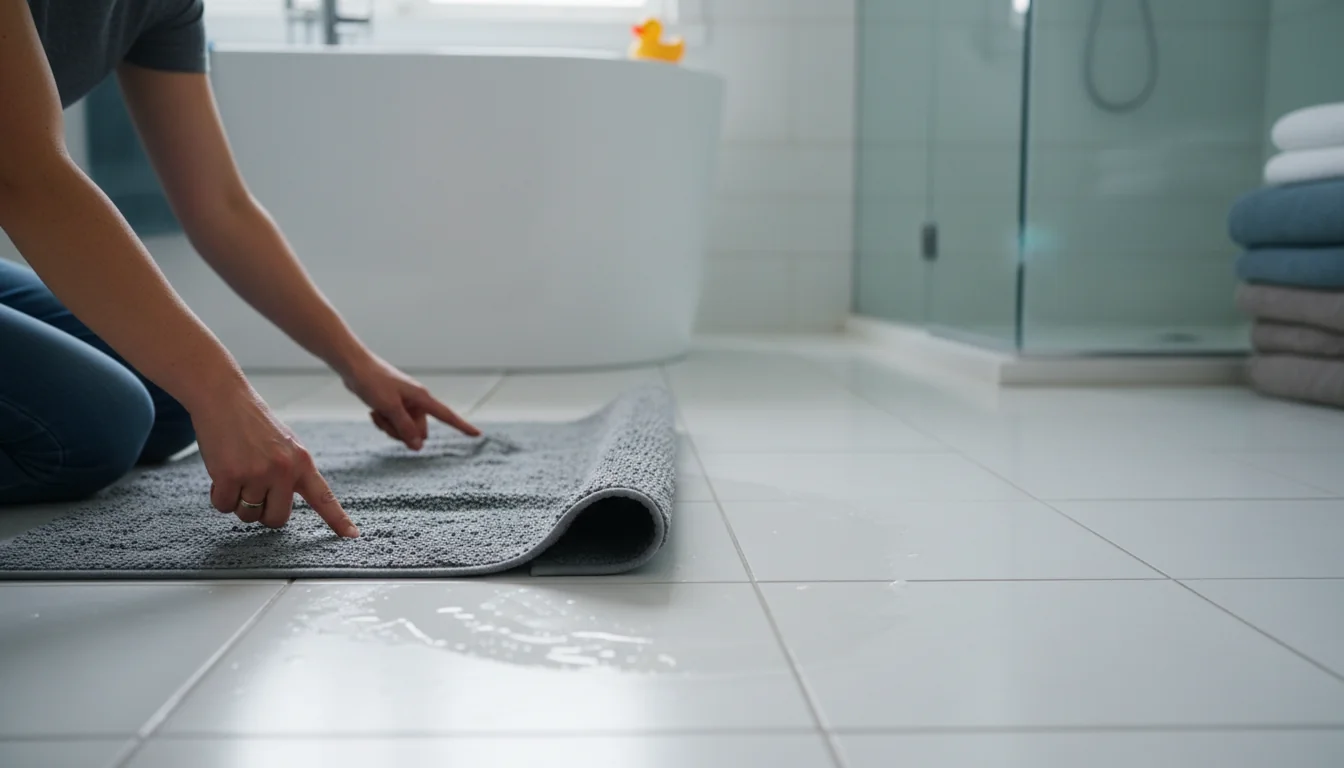
Check the top, edges, seams, and underside in good light. If possible, inspect the mat when it is dry because damp fabric can hide damage and make odors harder to judge.
Source: res.cloudinary.com
1. A musty smell remains after washing
A lingering damp or earthy odor may point to trapped moisture, residue, or microbial growth. Wash the mat according to its care label and dry it completely. If the odor returns quickly or remains after proper cleaning, replacement is a sensible choice.
2. Mold or mildew keeps returning
Dark or colored spots may have several causes, and appearance alone cannot identify a substance. If visible growth is widespread, has penetrated the material, or returns after appropriate cleaning, stop using the mat and replace it. Do not shake or aggressively brush a moldy mat indoors.
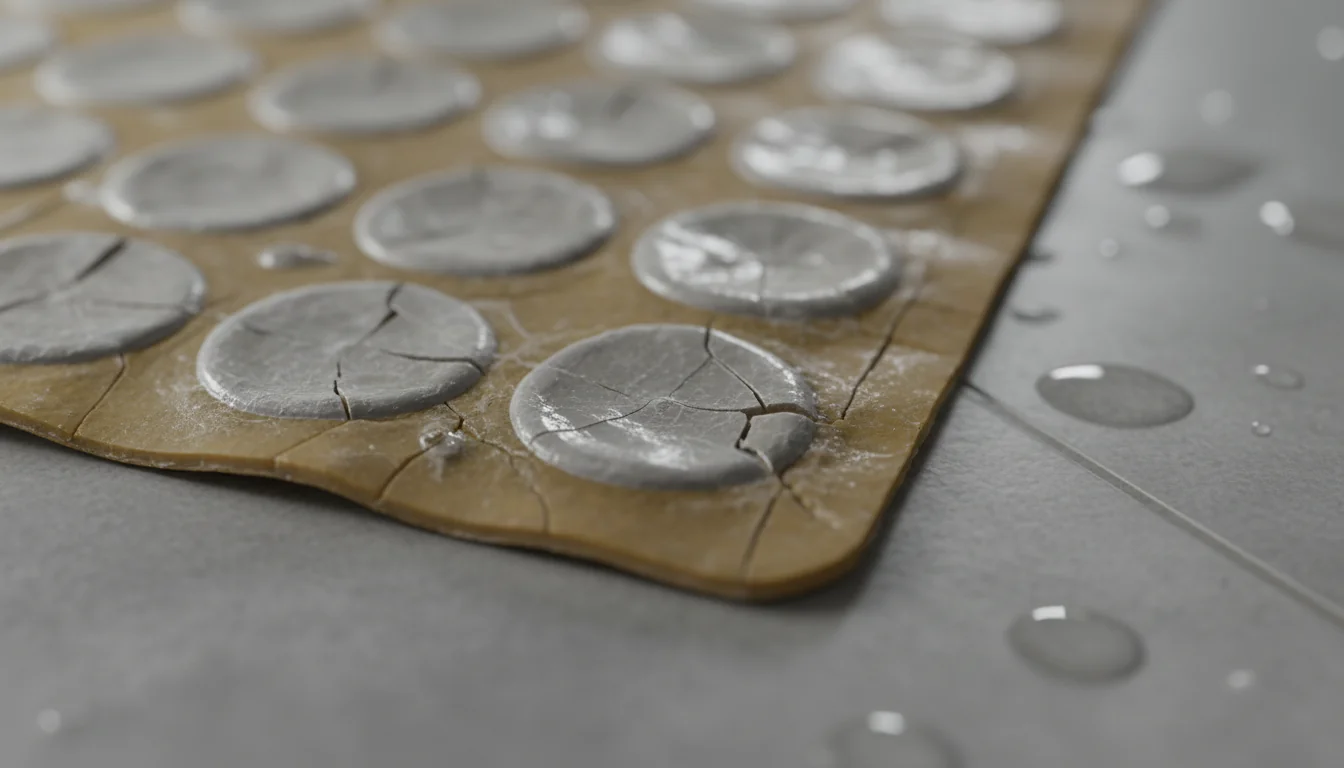
3. The backing is cracked or peeling
Rubber and other nonslip coatings can break down over time. Flakes, cracks, sticky areas, or missing pieces suggest the mat may no longer stay in place or protect the floor as intended.
4. The mat slides across the floor
A bath mat that shifts when you step on it can create a fall hazard. Remove it from use until you can determine whether dirt, moisture, worn backing, or an unsuitable floor surface is responsible. Replace it if the grip cannot be restored safely.
5. The fabric is thin, torn, or frayed
Loose threads, split seams, holes, and badly flattened padding can make a mat uncomfortable and harder to clean. Frayed edges can also catch a toe or curl upward, creating a trip hazard.
6. The mat no longer absorbs water well
A mat that lets water pool on its surface or spread across the floor may have lost some of its useful function. Soap residue, fabric softener, or dirt may affect performance, so try a suitable wash first if the mat is otherwise sound.
7. It stays wet or feels slimy
A mat that remains damp between uses can support unwanted microbial growth, particularly in a poorly ventilated bathroom. A slippery film may be caused by residue or buildup. Clean the mat as directed, improve airflow, and replace it if the surface remains slimy or the material has deteriorated.
Which Signs Mean You Should Replace It Right Away?
Stop using a bath mat immediately if it slips underfoot, has a badly damaged backing, or has edges that create a clear trip hazard. These problems can cause an accident even when the mat looks clean. Move it away from the shower or bathtub until it can be replaced.
A strong, persistent musty smell or widespread visible growth also calls for prompt attention. Do not keep using a mat simply because a quick rinse makes it look better. If thorough cleaning does not resolve the problem, replacing it is the more practical option.
Immediate safety concern
Remove a sliding, curled, torn, or unstable mat from the walking area.
Persistent cleanliness concern
Replace a mat with recurring growth or an odor that remains after suitable cleaning and complete drying.
How to Tell Whether Cleaning Will Save Your Bath Mat
A dirty bath mat does not always need to be replaced. Ordinary dirt, soap residue, and a temporary damp smell may improve with proper washing and thorough drying. The key is to separate removable buildup from damage that cleaning cannot fix.
Read the care label before choosing a cleaning method. Some cotton mats can go in a washing machine, while certain rubber-backed, memory foam, bamboo, or specialty mats require gentler care. High heat, harsh cleaners, or an unsuitable wash cycle may damage a mat that could otherwise remain useful.
Source: rosenberryrooms.com
Usually worth cleaning first
A mat with light surface dirt, no structural damage, no persistent odor, and intact backing may be suitable for another wash.
Usually worth replacing
A mat with extensive mold, persistent odor after proper cleaning, crumbling backing, loose layers, or permanent loss of grip is a poor candidate for continued use.
Needs a closer check
A mat that feels slimy, develops new spots, or becomes musty soon after washing may need better drying, a different cleaning method, or replacement.
A Simple Clean, Dry, and Inspect Routine
Start by taking the mat outside the bathroom or placing it in a suitable laundry area. Shake off loose debris only if it is visibly clean and free of suspected mold. Check the care label, then wash it with a suitable detergent and the recommended cycle.
After washing, dry the mat according to its instructions. Hang it over a suitable rack or spread it flat where air can reach both sides if the material allows. Do not return a damp mat to the floor or fold it while moisture remains inside.
Once dry, check for lingering odor, loose fibers, damaged seams, and changes in the backing. If the mat looks sound, smells clean, and stays secure on the floor, continued use may be reasonable. If the same problem returns after proper care, replacement is likely the better choice.
Use the right wash method
Follow the label rather than assuming every mat can tolerate a washing machine, bleach, or hot water.
Avoid unsafe chemical mixing
Never mix bleach with ammonia, vinegar, acids, or other cleaning products. Use one suitable product at a time and follow its label.
Inspect both sides
The underside can retain moisture and show wear that is not visible from above.
How Bath Mat Material Affects Replacement Time
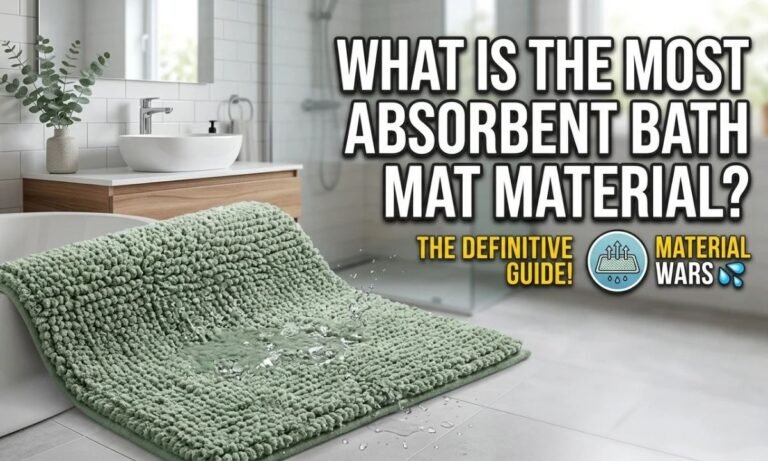
The material of a bath mat affects how it absorbs water, dries, and wears out. A soft fabric mat has different failure signs from a solid rubber mat or a wooden bath platform. Check the care instructions for your specific mat because products that look alike may use different backing materials or construction methods.
Material alone does not tell you how long a mat will last. A well-maintained cotton mat in a dry room may remain useful longer than a poorly cared-for synthetic mat in a damp bathroom. The condition of the entire product matters more than its label.
Source: bestbathrugs.com
Cotton bath mats
Replace them when the fabric becomes badly worn, seams open, absorbency remains poor after washing, or odor persists. Cotton mats may be machine washable, but the care label should guide the wash and dry cycle.
Microfiber bath mats
Look for flattened fibers, torn edges, persistent residue, or a backing that no longer grips. Some microfiber mats need low-heat or air drying to protect their fibers and backing.
Memory foam bath mats
Replace a mat if its foam stays compressed, crumbles, splits, or develops an odor that remains after suitable care. Follow the manufacturer’s instructions because some foam mats cannot tolerate a standard machine wash or high dryer heat.
Rubber-backed fabric mats
Check for cracking, flaking, stickiness, or separation between the fabric and backing. These signs may mean the nonslip layer has deteriorated, even if the upper fabric still looks good.
Solid rubber bath mats
Replace a mat if it cracks, tears, becomes brittle, or no longer holds securely. Wash it as directed and check for buildup beneath the mat.
Bamboo or wooden bath mats
Look for splinters, cracked slats, loose joints, warping, or signs of decay. Keep the mat dry between uses and replace it if structural damage makes it unstable.
When Should You Replace a Suction-Cup Shower Mat?
A suction-cup shower mat is different from a fabric bath mat placed outside the tub. It sits inside the bathing area and relies on suction cups or another gripping design to stay in place. Replace it if cups tear, become badly worn, or no longer hold on the intended surface.
Check the tub or shower surface for soap residue before deciding the mat itself has failed. Clean both the surface and the mat as directed, then check that it holds securely before use. A mat that still shifts or lifts should not be trusted as a nonslip surface.
Suction cups may not work well on textured, uneven, or otherwise unsuitable surfaces. A new mat will not solve that compatibility problem if its design is not intended for the surface.
Inspect the suction cups
Look for tears, stiffness, missing cups, and edges that lift away from the tub.
Check the surface
Make sure the tub or shower base is suitable for the mat and free of residue that may affect adhesion.
Why Bath Mats Develop Odors, Mold, and Damp Spots
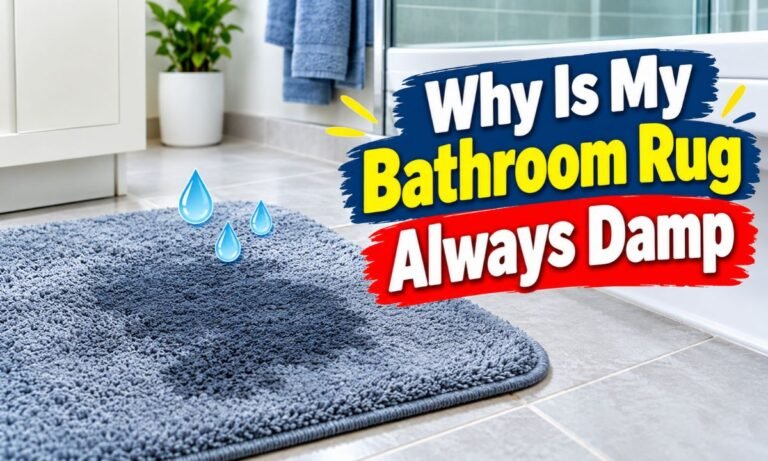
Bath mats can develop odors and visible growth when moisture remains trapped in their fibers, padding, or backing. Warm bathroom air, soap residue, skin cells, and other organic material can add to the problem. A mat placed on a wet floor may also remain damp underneath long after its top feels dry.
A musty smell does not prove that a mat contains a particular type of mold. However, it is a useful warning that moisture or residue may be trapped somewhere. Check the mat and the floor beneath it rather than masking the smell with fragrance.
Replacing a mat without fixing the moisture problem may only provide a short-term solution. If the bathroom lacks airflow or the floor stays wet, the new mat may develop the same issues. Improve drying conditions at the same time as you assess the old mat.
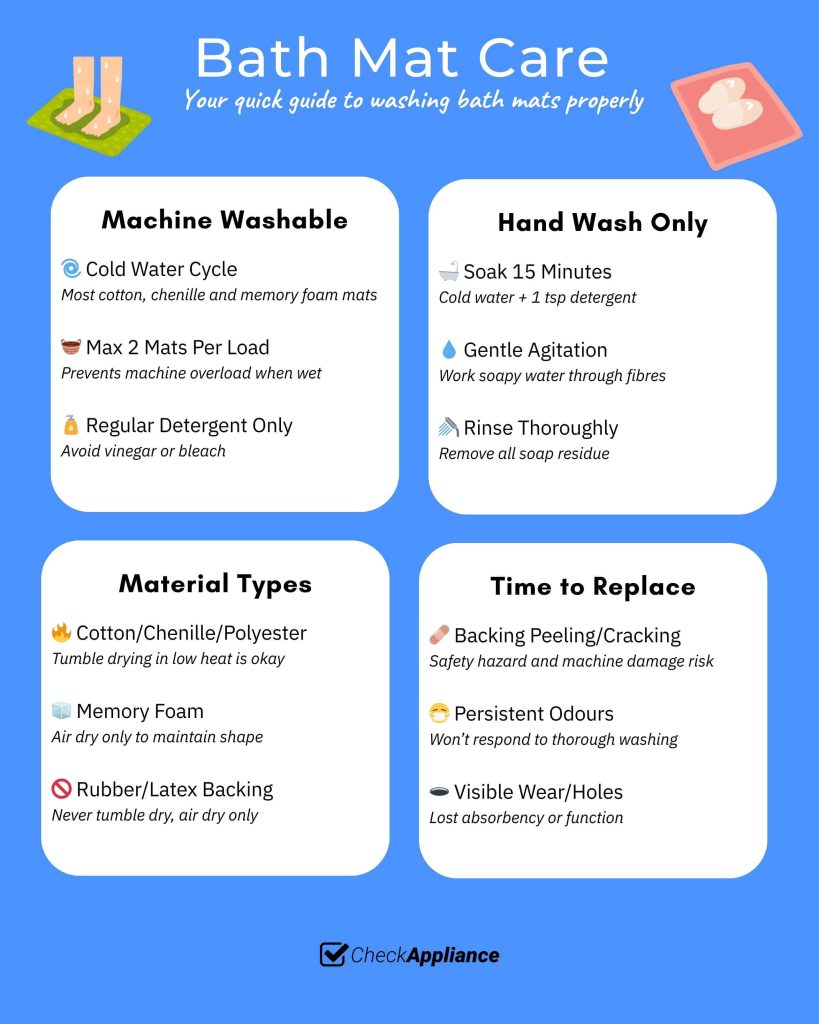
Source: checkappliance.co.uk
The mat stays on the floor all day
The underside may not get enough airflow to dry, especially on a wet tile or vinyl floor.
The bathroom has poor ventilation
Moist air can slow drying. Use an available exhaust fan and open a window when practical and safe.
The mat is too thick for the room
Dense padding may retain moisture longer than a thinner mat in the same conditions. Consider a mat that suits the room’s airflow and drying routine.
The mat is returned to the floor while damp
A damp mat can trap moisture beneath itself. Let both sides dry fully before putting it back.
Can You Keep Using a Bath Mat With Mold?
A bath mat with visible mold should be removed from use while you assess whether it can be cleaned safely. For a small, removable spot on a washable mat, follow the manufacturer’s care directions and suitable cleaning guidance. If growth is widespread, embedded in padding, or returns after cleaning, replacing the mat is generally the more practical choice.
Do not assume that spraying a fragrance or wiping the surface removes contamination from the inside. Avoid shaking a moldy mat indoors because that can spread particles. If the mat is badly contaminated, bag it for disposal without unnecessary handling.
If you find mold on the floor, wall, or other bathroom surfaces as well, address that area separately. Persistent moisture or widespread growth may need more than a new bath mat. Fix leaks and ventilation problems, and seek qualified help when the affected area is extensive or the cause is unclear.
Do not hide the odor
Air fresheners do not remove the moisture or buildup that may be causing the smell.
Keep the area dry
Dry the floor and underside of the mat after use, and avoid placing a clean mat over a damp surface.
How to Make Your Bath Mat Last Longer
Good care can extend a bath mat’s useful life, but it cannot repair every worn backing or damaged fiber. The main goals are to remove soil, let the mat dry fully, and catch signs of damage before they create a safety problem. A simple routine is usually easier than trying to rescue a mat that has been left wet for weeks.
Use the cleaning method recommended for the material. Excess heat can damage some backing materials, while unsuitable chemicals may affect color, fibers, or coatings. When the care label is missing, look for the manufacturer’s instructions before using a strong cleaner or putting the mat in a dryer.
Source: cleanhomeexpert.co.uk
Wash on a suitable schedule
Clean the mat often enough to prevent visible soil and residue from building up. How often it needs washing depends on use, splashes, household size, and drying conditions.
Dry both sides
Hang the mat or spread it in a well-ventilated area after use, as its material allows. Avoid leaving the backing pressed against a damp floor.
Remove standing water
Wipe up puddles around the tub or shower so the mat does not sit in pooled water.
Avoid excess detergent
Too much detergent may leave residue in the fibers. Use the amount directed for the load and the product.
Protect the backing
Follow the care label for machine washing and drying. Avoid high heat if the manufacturer warns that it can damage the backing.
Inspect regularly
Check for loose threads, curling corners, a slippery underside, and odor that returns after washing.
Should You Put a Bath Mat in the Dryer?
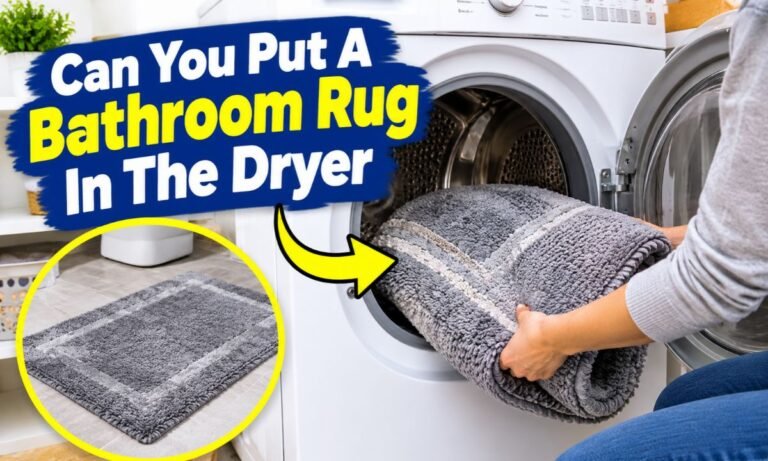
Only put a bath mat in the dryer if its care label permits it. Some fabric mats can tolerate a low-heat cycle, while others need air drying because heat may damage rubber backing, foam, or adhesive layers.
If you are unsure, air drying is often a cautious option when the material allows it. Hang the mat securely or lay it flat in a well-ventilated place, and make sure the underside is dry before use. A mat that comes out of the wash with damaged backing should be replaced rather than returned to a slippery floor.
Check the care label first
Do not rely on the appearance of the upper fabric to decide whether the backing can tolerate heat.
Allow enough drying time
Thick mats may need more time than thin cotton mats. Check the center and underside for remaining dampness.
How Often Should You Wash a Bath Mat?
Wash a bath mat when it becomes soiled, develops an odor, or accumulates residue, and set a regular schedule based on how often it gets wet. A frequently used family bathroom may need more frequent washing than a guest bathroom. There is no single schedule that fits every home.
Do not confuse washing frequency with replacement frequency. A mat can need regular washing and still be in good condition, while a newer mat may need replacement if its backing fails or mold keeps returning.
Wash sooner when needed
Visible dirt, spills, a musty smell, or repeated wetting are reasons to clean the mat rather than wait for the next scheduled wash.
Keep a spare mat
A second mat lets you use a clean, dry one while the other is being washed and dried.
Bath Mat Replacement Checklist: Clean, Repair, or Replace?
Use a simple condition check to decide whether your bath mat needs cleaning, a change in drying habits, or full replacement. This table summarizes the most useful signs and the next step. When safety is involved, choose the cautious option rather than continuing to use a mat that may slip.
Source: s.yimg.com
Clean and keep
The mat has light dirt or removable residue, intact seams and backing, no persistent odor, and reliable grip after washing and drying.
Improve drying and reassess
The mat feels damp between uses but has no clear structural damage. Lift it after each shower, improve airflow, and check whether the problem resolves.
Replace
The mat has persistent odor, widespread or recurring growth, damaged backing, frayed edges, permanent loss of absorbency, or unreliable grip.
A Quick Decision Table
Match the problem to the next step below. These recommendations assume that the mat is used in a normal household bathroom; extensive mold or an underlying moisture problem may require additional action.
Light dirt or soap residue
Wash according to the care label, dry fully, and inspect again.
Musty odor after washing
Check the underside and drying conditions. Replace the mat if the odor persists after appropriate cleaning and complete drying.
Cracked or peeling backing
Replace the mat if the damage affects stability or causes material to flake away.
Slipping on tile
Remove it from use, check the floor and backing, and replace it if secure placement cannot be restored.
Widespread mold or recurring growth
Stop using the mat and replace it if safe, effective cleaning is not practical. Address moisture sources as well.
Poor absorbency after cleaning
Replace the mat if it no longer performs its intended job and water continues to spread across the floor.
Common Bath Mat Replacement Mistakes to Avoid
Replacing a bath mat too late can create hygiene and safety problems, but replacing it based only on age can waste a usable item. A better decision comes from checking the material, cleaning results, and condition of the backing. Avoid these common mistakes when deciding what to do.
Source: res.cloudinary.com
Keeping a mat because the top looks clean
The underside may still be damp, damaged, or contaminated. Turn the mat over and inspect it during routine cleaning.
Using fragrance to hide a musty smell
A scented spray does not remove trapped moisture or residue. Find the cause, wash if appropriate, and replace the mat if the odor remains.
Assuming every mat is machine washable
Foam, rubber-backed, bamboo, and specialty mats may need different care. Follow the manufacturer’s instructions to avoid damage.
Ignoring a loose or peeling backing
A worn nonslip layer can make a mat unstable. Do not keep using it in a wet walking area if it shifts or sheds pieces.
Putting a damp mat back on the floor
This traps moisture against the floor and may slow drying. Let the mat and the surface beneath it dry before putting it back.
Replacing the mat but ignoring a leak
A leaking toilet, shower, or plumbing fitting can keep the floor damp and damage the replacement. Fix the moisture source instead of treating the mat as the only problem.
Can an Old Bath Mat Damage the Floor?
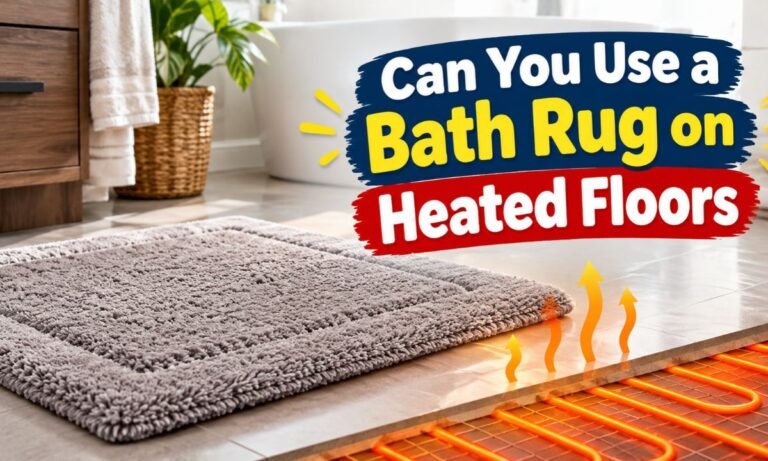
A wet or deteriorating bath mat may contribute to floor problems if moisture remains trapped underneath it. Certain backings can also leave residue or react poorly with some floor finishes. The exact risk depends on the mat material, floor type, and the manufacturer’s instructions.
Lift the mat regularly and inspect the surface below it. If you see discoloration, swelling, a sticky film, or damage, remove the mat and check the flooring manufacturer’s care advice. Do not assume that a replacement mat will be safe for every floor material.
For vinyl and other resilient floors
Check whether the backing is approved for the flooring and avoid leaving moisture trapped underneath.
For wood or laminate floors
Keep the area dry and choose a mat that is compatible with the floor finish. Promptly address signs of swelling or water damage.
For ceramic or porcelain tile
Check the mat’s grip and inspect the floor for soap residue or standing water that could make the area slippery.
Frequently Asked Questions
Q
How do I know if my bath mat is too old?
Look for persistent odors, damaged backing, poor grip, frayed edges, thinning fibers, and absorbency that does not improve after washing. Age can help you judge wear, but there is no universal replacement date. If the mat remains clean, dries fully, and stays secure, it may still be usable.
Q
Can I save a bath mat that smells musty?
Sometimes. Wash the mat according to its care label and dry both sides completely. Check the underside and improve bathroom airflow. If the odor remains or returns soon after cleaning, trapped moisture or contamination may be difficult to remove, so replacement is a sensible choice.
Q
Should I throw away a bath mat with black spots?
Not every black spot is mold, but visible growth should be treated with care. Stop using the mat while you assess it. If the spots are widespread, embedded, or return after suitable cleaning, replace the mat. Avoid shaking a potentially moldy mat indoors, and investigate any persistent moisture around it.
Q
How often should I replace a rubber-backed bath mat?
Replace it when the backing cracks, peels, becomes sticky, crumbles, or stops holding the mat securely in place. A fixed age does not apply to every product. Follow the care instructions, avoid unsuitable heat, and inspect the backing whenever you wash the mat.
Q
Can I use a bath mat after washing it if it is still damp?
It is better to wait until the mat is fully dry, including its underside and any thick padding. Returning a damp mat to the floor can trap moisture and encourage odors or growth. Use a spare dry mat if you have one, and improve airflow if drying takes too long.
Q
Is a bath mat still safe if it slips only a little?
A mat that moves underfoot can create a fall risk, especially when the floor is wet. Remove it from use until you identify the cause. Clean the floor and mat as directed, then check whether the backing or gripping surface has worn out. Replace the mat if it will not stay securely in place.
Q
Can washing a bath mat remove mold completely?
Cleaning may remove some surface growth from a washable mat, but the result depends on the material and how deeply the growth has spread. Do not assume that a quick wash removes all contamination. Replace a mat with extensive or recurring growth when thorough cleaning is not practical, and address the source of excess moisture.
✦ Wrapping Up
Conclusion
The best time to replace a bath mat is when it no longer stays clean, dries well, or remains secure underfoot. Persistent musty odors, recurring mold, cracked backing, loose fibers, and poor absorbency are all signs that it may have reached the end of its useful life. Do not wait for a mat to fall apart if it already creates a slipping hazard.
Regular care can help a bath mat last longer. Wash it according to its material and care label, lift it to let both sides dry, and inspect the underside during bathroom cleaning. If the mat stays damp or develops recurring odor, improve airflow and look for water leaks or other sources of moisture.
There is no need to replace every bath mat after the same number of months. Check its actual condition and use the result to guide your decision. A clean, dry, stable mat can remain useful, while a damaged or persistently musty one should be replaced.
💡 Key Takeaway
Inspect your bath mat today. Check its smell, absorbency, edges, backing, and underside. Wash and dry it if the problem is ordinary dirt, but replace it if it stays musty, shows persistent growth, falls apart, or slips on the floor.