Your bathroom rug may turn yellow because of urine, body oils, soap residue, hard water minerals, cleaning products, or moisture trapped in the fibers. The right fix depends on the stain, the rug material, and its care label.
In American homes, bathroom rugs handle a steady mix of water, soap, shampoo, skin oils, and everyday foot traffic. A rug beside a shower or bathtub may also sit on a damp floor for hours after a morning routine. Over time, these conditions can leave pale yellow patches, dark yellow edges, or an overall dingy color, even when the rug looks clean at first.
The first step is to find out where the yellowing appears and when it started. A stain that forms under a rug may have a different cause from yellow fibers that appear after washing. The rug’s backing, fiber type, cleaning history, and the water used in your home can all affect the result.
You can often improve yellowing with a careful wash and better drying habits. However, some stains come from dye changes, chemical reactions, or damage that washing cannot reverse. This guide explains how to identify the likely cause, clean your rug without harming it, and prevent the yellow color from returning.
Why Does My Bathroom Rug Turn Yellow?
A bathroom rug turns yellow when substances build up in its fibers or when the material changes color. Common causes include body oils, urine, soap residue, hard water minerals, detergent buildup, and certain cleaning chemicals. Heat, sunlight, and prolonged dampness may also affect some dyes and synthetic materials.
The pattern of the yellowing can help narrow down the cause. A small stain near the toilet may point to urine, while a dull yellow film across the whole rug may suggest residue or aging. Yellow marks that appear immediately after cleaning deserve a closer look at the detergent, water temperature, rinse cycle, and products used.
No single cause explains every yellow rug. Start with the simplest clues before using a stain remover, because the wrong treatment can set a stain or damage the backing.
Source: mromavolley.com
Small yellow spots
These may come from urine, spills, skin products, or other localized deposits. Location can help identify the source.
Yellowing across the whole rug
Detergent buildup, body oils, repeated dampness, aging, or changes in the fibers may be responsible.
Yellow marks after washing
Check for detergent residue, poor rinsing, unsuitable bleach, excessive heat, or discoloration revealed when the rug became wet.
Yellowing underneath the rug
Moisture trapped between the rug and floor, backing breakdown, or a reaction involving the floor finish may be involved.
Body Oils, Sweat, and Skin Products
Bare feet transfer natural skin oils, sweat, lotion, and other products to bathroom rugs. These substances can cling to fabric fibers, especially when the rug is used every day and washed infrequently. Over time, the buildup can make white or cream-colored fibers look yellow or gray.
Hair conditioner, body oil, sunscreen, and some cosmetic products may also leave marks. If the rug sits near a vanity, small spills from skincare products can contribute to discoloration. A normal wash with a suitable detergent may remove fresh buildup, but old stains can be harder to lift.
What to look for
A general dull cast in areas where people stand, dry their feet, or apply personal care products.
What to do
Wash the rug according to its label with the correct amount of detergent. Avoid adding extra soap, which can leave more residue.
Urine and Other Organic Stains
Urine can leave yellow stains on rugs near a toilet. Small splashes may go unnoticed until the fabric dries, and repeated deposits can cause persistent discoloration and odor. Pets may also urinate on a bathroom rug, even when the stain is not obvious at first.
Other organic materials, such as food or drink spills, can also leave colored marks. The stain’s location may offer a clue, but appearance alone cannot prove what caused it. If the rug smells unpleasant or the stain returns after drying, more thorough cleaning may be needed.
What to look for
Localized yellow marks, a lingering urine-like odor, or staining close to the toilet or a pet’s usual path.
What to do
Blot fresh liquid with a clean cloth, then use a fabric-safe cleaner suited to the stain and rug material. Follow the product label and rinse as directed.
Soap, Shampoo, and Detergent Residue
Soap, shampoo, conditioner, and laundry detergent can remain in rug fibers when a load is crowded or the rinse is incomplete. The residue may attract dirt and leave the surface looking dull or yellow. A rug that feels stiff, waxy, or slightly sticky after washing may have buildup.
Using more detergent does not always make a rug cleaner. Thick chenille, microfiber, and other absorbent materials can hold residue if the machine cannot rinse them well. Fabric softener may also leave a coating on some fibers and reduce their ability to absorb water.
What to look for
A widespread yellow cast, stiff fibers, a soapy feel, or discoloration that becomes more noticeable as the rug dries.
What to do
If the care label permits machine washing, run an additional rinse or a suitable rinse-only cycle. Do not add more detergent unless the label and soil level call for it.
Hard Water and Mineral Deposits
Hard water contains dissolved minerals, mainly calcium and magnesium. These minerals can leave deposits on fabrics and may interact with soap or detergent. Repeated washing with hard water can contribute to a dull appearance or residue that ordinary washing does not fully remove.
Mineral buildup does not always look bright yellow. It may appear off-white, beige, or gray, and other deposits can make the rug seem discolored. If the same problem affects towels, shower doors, and other washable items, your household water may be part of the issue.
What to look for
Similar residue on several bathroom textiles, mineral spots on fixtures, or a rough feel after repeated washing.
What to do
Use a detergent suitable for your washing conditions and follow its instructions. Do not apply acidic cleaners directly to a rug unless the care label and cleaner manufacturer confirm compatibility.
Cleaning Products and Chemical Reactions
Some cleaning agents can change the color of rug fibers. Chlorine bleach may damage or discolor certain dyes, while unsuitable stain removers can leave pale or yellowish areas. Residue from a cleaner may also react with later products or make the original stain more visible.
Hydrogen peroxide and oxygen-based laundry products are not safe for every rug, backing, or dye. Even when a product is commonly used on washable fabrics, it may not suit a colored rug or a mat with a rubber or latex backing. Always check the rug label and product directions first.
Never mix cleaning products to make a stronger solution. In particular, bleach must never be mixed with vinegar, ammonia, toilet bowl cleaner, or other cleaners because dangerous gases or reactions may result.
What to look for
Yellow or pale patches that appear after spot cleaning, a sharp chemical smell, or uneven color around the treated area.
What to do
Stop applying products, follow the label’s rinsing directions when safe, and allow the area to ventilate. Do not add another chemical to neutralize the first one.
Moisture, Poor Ventilation, and Aging
Bathroom rugs often stay wet longer than ordinary floor mats because they absorb water from feet, showers, and splashes. When the room has poor ventilation, the rug may remain damp between uses. This can allow residue and dirt to accumulate and may contribute to musty odors.
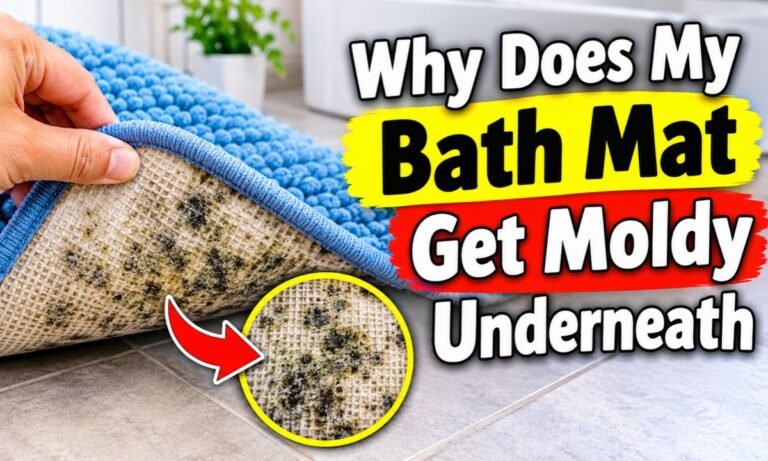
Dampness alone does not prove that mold caused the yellow color. Mold and other microbial growth can produce different colors and patterns, and a yellow stain is not enough to identify a specific organism. If you notice a persistent musty smell, visible growth, or a rug that never dries, address the moisture problem rather than relying on stain removal alone.
Aging can also change the look of the rug. Repeated washing, sunlight, friction, and wear may alter dyes or weaken fibers. If the material itself has changed color, cleaning may improve the appearance without restoring the original shade.
What to look for
A damp backing, musty odor, color changes near the edges, or fading and yellowing that continue despite proper washing.
What to do
Hang the rug to dry when practical, improve bathroom airflow, and inspect the underside and floor before putting it back.
How to Identify the Cause of Yellow Bathroom Rug Stains
You can narrow down the cause by checking the stain pattern, the rug’s history, and the condition of the backing. Start with a dry inspection in good light. Do not begin by pouring bleach, vinegar, or a strong stain remover onto the rug.
Check the care label for the fiber type, washing temperature, drying method, and any warning about bleach or machine washing. If the label is missing, treat the rug cautiously, especially if it has memory foam, a rubber backing, delicate fibers, or glued layers.
The table below is a practical guide, not a laboratory test. Several causes can produce similar colors, so use the clues to choose a low-risk cleaning method rather than treating them as proof.
Source: diycraftsy.com
Step 1: Check the location
Look at whether the stain is near the toilet, shower, vanity, edges, or underside. Note whether it follows foot traffic or appears in isolated spots.
Step 2: Recall the timing
Ask whether the yellowing appeared after washing, after a spill, after the rug stayed wet, or gradually over several weeks.
Step 3: Inspect the backing
Look for peeling, cracking, sticky patches, odor, or a yellow transfer onto the floor. These signs may point to backing or floor-finish issues.
Step 4: Choose a gentle treatment
Use a method allowed by the care label, test a hidden spot when appropriate, and check the rug again after it dries.
Yellowing Pattern and Likely Cause
Compare the location and texture of the stain before deciding what to do. If a mark appears on both the rug and the floor beneath it, investigate the backing and floor finish as well as the fabric. If only the fibers are affected, ordinary soil or a cleaning reaction may be more likely.
Isolated yellow spot near the toilet
Possible cause: urine or another localized spill. Start with blotting and a suitable fabric-safe cleaner.
Uniform yellow or gray cast
Possible cause: body oils, soil, detergent residue, or aging. Consider a full wash if the label allows it.
Stains after laundering
Possible cause: incomplete rinsing, a product reaction, heat damage, or an existing stain becoming visible.
Yellow marks on the floor underneath
Possible cause: trapped moisture, backing breakdown, or a reaction with the floor finish. Inspect both surfaces before cleaning again.
Yellowing with a musty smell
Possible cause: prolonged dampness and trapped soil. Dry the rug and investigate persistent moisture or visible growth.
How to Clean a Yellow Bathroom Rug Safely
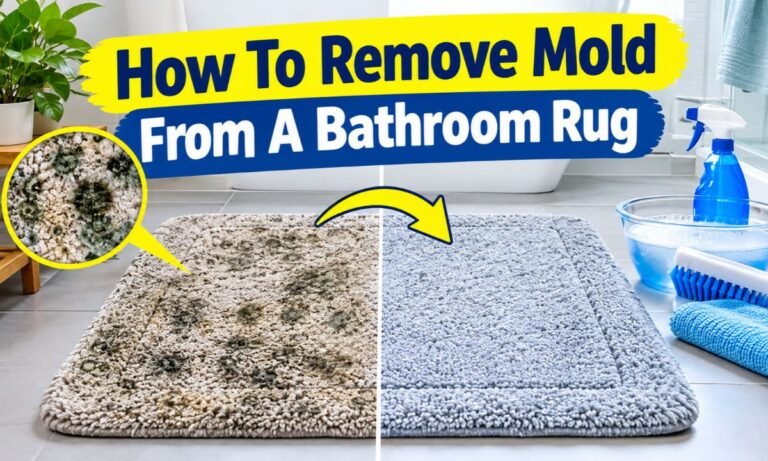
The safest cleaning method depends on the rug’s construction. Many cotton and synthetic rugs can be machine-washed, while memory foam mats, delicate woven rugs, and mats with certain backings may need gentle hand cleaning. Follow the care label before using water, heat, or stain removers.
For a washable rug, begin with a mild detergent and a normal cleaning cycle suited to the fabric. Avoid harsh scrubbing, excessive detergent, and high heat unless the manufacturer specifically permits them. A gentle first attempt is less likely to cause damage than several aggressive treatments.
Source: storage.googleapis.com
Prepare the rug
Shake off loose dirt outdoors or over a suitable waste area. Remove hair and debris, and check the backing for cracks or peeling before washing.
Pre-treat fresh stains
Blot liquid with a clean cloth. Apply a fabric-safe cleaner only if its label permits use on the rug’s material, and test a hidden area first when appropriate.
Wash as directed
Use the temperature and cycle specified on the care label. Avoid overcrowding the washer so the rug can move and rinse properly.
Rinse thoroughly
If detergent residue is suspected and the label permits it, use an additional rinse. Do not keep adding products when the cause of the stain is uncertain.
Dry completely
Use the approved drying method. Air-dry flat or hang the rug when recommended, and make sure the underside is dry before returning it to the floor.
Can Baking Soda Remove Yellow Stains?
Baking soda can help absorb some odors and may assist with light surface soil, but it is not a reliable bleach or a universal yellow-stain remover. It may do little for urine discoloration, dye damage, or a chemical change in the fibers.
If the rug label allows gentle surface treatment, you can try a small amount of baking soda on a dry rug for odor control, then remove it thoroughly. Avoid vigorous rubbing, and do not assume that adding baking soda to other cleaners will make them safer or more effective.
Best use
Limited odor control or light surface maintenance when compatible with the rug.
Main limitation
It may not remove set stains, mineral deposits, chemical discoloration, or damaged fibers.
Can Vinegar Remove Yellowing?
Diluted vinegar is sometimes used to address certain mineral or soap residues, but it is not suitable for every rug. Acids can affect some dyes, natural fibers, backing materials, and floor finishes. Do not use vinegar unless the rug and cleaner instructions support that treatment.
Never use vinegar with chlorine bleach or a product containing bleach. The combination can release dangerous chlorine gas. If you are unsure what caused the stain, a mild detergent and thorough rinse are the safer starting point.
Before using vinegar
Check the rug label, the cleaner’s directions, and the compatibility of the backing and floor beneath it.
When to skip it
Avoid it when the material is unknown, the backing is deteriorating, or a previous cleaner may still be present.
Should You Use Bleach on a Yellow Bathroom Rug?
Do not assume that a white rug is safe to bleach. Some white fabrics contain finishes or fibers that can turn yellow when exposed to an unsuitable product, concentration, or treatment method. Colored rugs can fade, and rubber-backed mats may be damaged by harsh chemicals.
Use bleach only if the rug manufacturer explicitly permits it and the product label gives instructions for the material. Oxygen-based bleach is also a chemical treatment and must be checked for compatibility. Never mix any bleach with vinegar, ammonia, toilet cleaner, or other cleaning products.
Use only when permitted
Confirm that the specific rug can tolerate the exact type of bleach and follow both sets of instructions.
Avoid repeated treatment
If one appropriate treatment fails, repeated chemical exposure may damage the rug without fixing permanent discoloration.
How to Clean Rubber-Backed and Memory Foam Rugs
Rugs with rubber or latex backing need extra care because heat, harsh cleaners, and repeated machine washing can cause the backing to crack, peel, or become brittle. Some memory foam mats can lose their shape or break apart in a washing machine. Others have specific machine-washing instructions, so the material name alone does not determine the method.
Use the care label as the deciding guide. If machine washing is prohibited, clean the surface with a small amount of suitable detergent and a damp cloth, then remove soap with a clean damp cloth. Avoid soaking the backing unless the manufacturer permits it.
Never place a wet rubber-backed rug back on a wood, laminate, or other moisture-sensitive floor. Let the underside dry fully, and inspect the floor for trapped water or discoloration before replacing the mat.
Stop if the backing crumbles
Flaking, sticky, or brittle backing can indicate material breakdown. Cleaning may not restore it, and replacement may be the more practical option.
Avoid unapproved heat
High dryer temperatures can damage some backings and foam layers. Air-dry when required by the care label.
Why Does a Bathroom Rug Turn Yellow After Washing?
A rug that turns yellow after washing may have detergent buildup, an old stain that becomes visible when wet, a reaction to a cleaning product, or fibers that cannot tolerate the chosen temperature or treatment. Sometimes the rug is not newly stained; washing simply changes how the existing residue looks.
Start by reviewing what happened during the last wash. Consider the detergent amount, wash temperature, rinse quality, bleach or stain remover used, and drying method. Do not immediately repeat the same cycle or add a stronger chemical, because that may make the discoloration worse.
Too much detergent
Excess detergent can remain in dense fibers. Use the recommended amount and an additional rinse if the label allows it.
Water that is too hot
High temperatures may harm certain fibers, backing materials, or dyes. Follow the temperature limit on the care label.
Bleach or stain remover
An unsuitable product may alter the rug’s color. Stop using it and check the product and rug instructions.
Incomplete drying
A rug left damp can develop odors and retain moisture. Dry both sides fully before putting it back.
What to Do If Yellowing Appears Right After Laundry
First, check whether the rug is still wet. Damp fibers can look different from dry ones, so allow the rug to dry using its approved method before judging the final color. Keep it away from a heat source that could damage the material.
If the rug dries with a soapy feel or visible residue, and the label allows machine washing, try a rinse-only cycle. If the color remains but the fibers feel clean, the problem may be permanent discoloration rather than leftover dirt.
If a chemical cleaner caused the change, do not apply a second cleaner to reverse it. Follow the original product’s directions for safe rinsing and ventilation, and seek product-specific guidance if the label does not explain what to do.
Likely residue
The rug feels stiff or coated and the discoloration is widespread. A suitable additional rinse may help.
Likely fiber or dye damage
The rug feels clean, but the color change remains after complete drying. Further washing may not restore the original shade.
How to Stop Your Bathroom Rug From Turning Yellow Again
Prevention comes down to removing soil before it builds up, rinsing out cleaning products, and keeping the rug dry between uses. You do not need a complicated cleaning routine. A few habits can reduce residue and help your rug stay fresh.
How often you wash the rug depends on how many people use the bathroom, how often the rug gets wet, whether pets use the room, and how quickly the rug dries. A heavily used family bathroom may need more frequent washing than a guest bathroom that stays dry.
Wash on a suitable schedule
Clean the rug when it becomes visibly dirty, develops an odor, or accumulates residue. Follow the care label and adjust the schedule to how often it gets wet.
Use the right detergent amount
Follow the detergent instructions for the load size and soil level. Extra detergent can leave more residue rather than making the rug cleaner.
Let the rug dry between uses
Hang it over a suitable rack or spread it out so air can reach the fibers and underside.
Improve airflow
Use the bathroom exhaust fan as directed, open a window when practical, and address any persistent dampness.
Keep the floor clean
Remove dust, hair, and splashes from the floor before replacing the rug. This helps reduce dirt transfer to the underside.
Deal with spills early
Blot fresh spills and treat them with a compatible cleaner before the stain has time to set.
Check the backing often
Look for cracks, peeling, sticky patches, and trapped moisture. Replace a mat whose backing no longer works as intended.
A Simple Weekly Bathroom Rug Routine
A practical routine can help prevent yellowing without over-washing the rug. Adjust each step to the material and the amount of use rather than treating a weekly schedule as a strict rule for every home.
After showers
Hang or spread out the rug so it can dry instead of leaving it bunched up on the floor.
During regular cleaning
Remove loose hair and debris, inspect the floor beneath the rug, and wipe up standing water.
On laundry day
Check the care label, wash with a suitable detergent, rinse well, and dry the rug fully.
When a stain appears
Treat the spot promptly with a compatible cleaner rather than waiting for the next full wash.
When Should You Replace a Yellow Bathroom Rug?
A yellow stain alone does not always mean you need a new rug. If the rug is clean, dries fully, has no persistent odor, and has an intact backing, you may be able to keep using it even if a faint stain remains. Appearance is only one part of the decision.
Replacement makes more sense when the rug no longer stays in place, the backing is peeling or crumbling, the fabric is badly worn, or a persistent odor remains after appropriate cleaning and complete drying. A mat that repeatedly traps moisture can also be a poor fit for the bathroom.
If yellow marks transfer to the floor, stop putting the rug back until you have checked the backing and cleaned and dried the floor using a compatible method. Some backing materials can discolor certain floor finishes, and the damage may not be limited to the rug.
Replace a damaged backing
Cracked, loose, sticky, or crumbling backing may fail to grip the floor and may leave residue behind.
Replace a rug that stays damp
If the rug cannot dry between uses despite reasonable changes to airflow and placement, choose a design that suits the bathroom’s conditions.
Consider replacing persistent odor sources
A lasting odor after suitable cleaning may mean that contamination remains in the backing or foam layers.
Do not discard it solely for a small stain
If the rug remains sound, clean, and dry, a harmless residual stain may be a cosmetic issue rather than a reason to replace it.
What If the Rug Turns Yellow on the Floor?
If yellowing appears on the floor beneath the rug, lift the mat and inspect both surfaces. Look for moisture, a sticky or crumbling backing, a strong odor, and changes in the floor’s finish. Do not assume that the rug alone is responsible.
Clean the floor with a product approved for its material, and test an inconspicuous area when needed. Avoid abrasive pads or strong chemicals on wood, laminate, vinyl, and other finishes unless the flooring manufacturer permits them.
If the floor remains yellow after the rug and moisture source are removed, the discoloration may involve the floor finish itself. Follow the flooring manufacturer’s care guidance or contact a qualified flooring professional if the finish appears damaged.
Vinyl and resilient flooring
Some materials and finishes may discolor after contact with unsuitable mats or chemicals. Check the flooring maker’s guidance on compatible rug backings.
Wood and laminate
Standing water can damage some finishes and joints. Dry the area promptly and avoid returning a wet rug to the floor.
Common Mistakes That Make Yellowing Worse
When a stain refuses to come out, stronger cleaning is tempting. However, too much detergent, harsh chemicals, aggressive scrubbing, and excessive heat can damage the rug or make the color change permanent.
The safest approach is to identify the material and use one compatible treatment at a time. If the cause remains unclear, pause before experimenting with household mixtures.
Using too much detergent
Extra soap may remain in dense fibers and attract more dirt. Measure according to the product instructions.
Mixing cleaning chemicals
Never mix bleach with vinegar, ammonia, toilet cleaner, or other cleaning products. Dangerous fumes or reactions may occur.
Using high heat without checking the label
A hot wash or dryer may damage dyes, foam, latex, or rubber backing. Use only an approved temperature.
Scrubbing a delicate rug too hard
Hard brushing can distort the pile, damage loops, or spread a stain. Blot gently and follow the fabric’s care directions.
Putting the rug away while damp
Moisture trapped in folds or beneath the backing can cause odor and contribute to ongoing moisture problems.
Assuming every yellow stain is mold
Color alone cannot identify mold. Check for persistent dampness, odor, and visible growth, and address the moisture source.
When to Stop Cleaning and Seek Help
Stop using a cleaning product if the rug develops a strong chemical smell, the backing starts to break down, or the color changes sharply during treatment. Follow the product’s safety instructions and ventilate the room. If a bleach-containing product has been mixed with an incompatible cleaner and fumes develop, leave the area and contact emergency services or poison control for appropriate advice.
If you see extensive visible growth, the rug remains damp for long periods, or an odor persists despite proper cleaning and drying, consider replacing the rug and correcting the moisture problem. For discoloration that affects the floor beneath the mat, seek flooring-specific guidance rather than using stronger cleaners at random.
Persistent dampness
Check ventilation, leaks, and the way the rug dries. A new rug will not solve a continuing water problem on its own.
Chemical exposure
Do not add another cleaner. Follow the product safety label and seek urgent help if fumes cause breathing trouble or other concerning symptoms.
Frequently Asked Questions
Q
Why is my white bathroom rug turning yellow?
A white bathroom rug may turn yellow because of body oils, urine, soap residue, detergent buildup, hard water minerals, or a reaction to a cleaning product. Aging fibers and changes in the dye or finish can also affect the color. Check where the yellowing appears and whether it began after washing before choosing a treatment.
Q
Can I use hydrogen peroxide on a yellow bathroom rug?
Only use hydrogen peroxide if the rug manufacturer and the product label permit it for that material. It can affect dyes and some backing materials, even when it works on certain washable fabrics. Test a hidden area when appropriate, and never mix it with other cleaning products.
Q
Why does my bath mat turn yellow underneath?
Yellowing underneath may come from trapped moisture, backing breakdown, residue, or a reaction between the mat and the floor finish. Lift the mat, inspect both surfaces, and let the area dry fully. If the backing is sticky or crumbling, or the floor finish has changed, stop using the mat until you identify the cause.
Q
Does a yellow bathroom rug mean it has mold?
No. Yellow color alone does not prove that mold is present. Soap residue, oils, urine, cleaning products, and material aging can also cause yellowing. A persistent musty odor, visible growth, or recurring dampness deserves attention, and the moisture source should be corrected.
Q
Can I wash a yellow bathroom rug with towels?
It depends on the rug’s care label, material, color, and washing requirements. A washable fabric rug may be suitable for a compatible load, but heavy rugs can shed lint or hold debris, and rubber-backed or foam mats may need separate care. Avoid overloading the machine and make sure the rug can rinse and dry properly.
Q
How often should I wash my bathroom rug to prevent yellow stains?
There is no single schedule for every bathroom. Wash the rug when it becomes dirty, smells unpleasant, or accumulates residue, and adjust the frequency to how often it gets wet and how many people use the room. Dry it between uses and follow the care label to avoid damage from unnecessary washing.
✦ Wrapping Up
Conclusion
A yellow bathroom rug is usually a sign of residue, a stain, moisture-related trouble, a cleaning reaction, or normal material aging. The location and timing of the discoloration can help you narrow down the cause before you try to clean it. A mild, material-safe wash and thorough drying are sensible first steps when the care label allows them.
If the yellow color remains after proper cleaning, do not keep applying stronger chemicals. The fibers or backing may have changed permanently, and the safest choice may be to keep using the rug if it remains clean and sound or replace it if it stays damp, smells bad, or has damaged backing. Always check the floor beneath the rug if the discoloration extends beyond the fabric.
💡 Key Takeaway
Check the care label, inspect the rug and the floor beneath it, wash with a compatible detergent if permitted, rinse well, and dry both sides completely before putting it back.