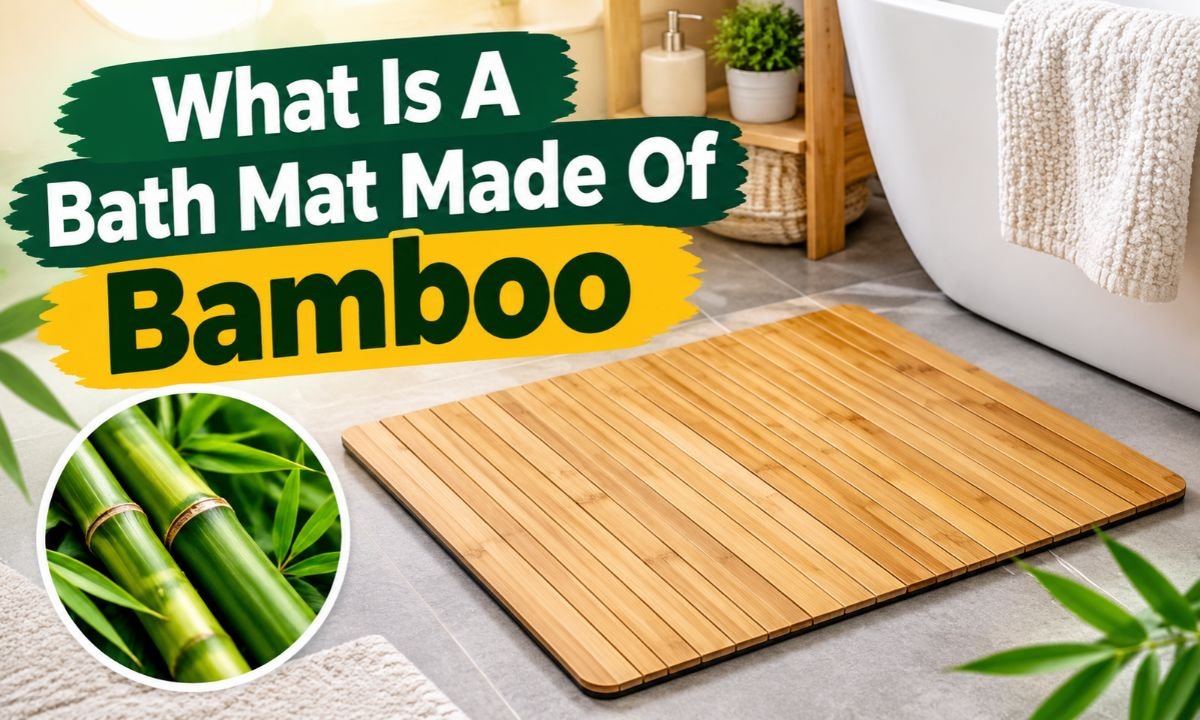
A bamboo bath mat is a bathroom mat made from bamboo strips or slats joined together to create a firm surface for your feet after a shower or bath.
In American homes, a bath mat often sits beside a bathtub, outside a shower, or near a bathroom sink. Most people use a soft cotton mat to soak up water, but a bamboo mat offers a different approach. It has a firm, wood-like feel and a clean look that can suit small bathrooms, guest baths, and modern homes.
A bamboo mat is usually made from narrow pieces of bamboo held together with cords, hinges, or other fasteners. Some have a flat frame, rubber feet, or a non-slip backing. Bamboo can resist everyday moisture when cared for well, but it is not waterproof in every design or finish. The right choice depends on your floor, bathroom ventilation, and how you prefer to dry your feet.
Source: bambooswitch.com
What Is a Bamboo Bath Mat Made Of?
A bamboo bath mat is made mainly from bamboo, a fast-growing grass with firm, woody stems. Manufacturers cut the stems into narrow strips or slats, smooth the surfaces, and join the pieces to make a flat mat. The result resembles a small wooden platform rather than a soft fabric rug.
The exact materials vary by design. A simple roll-up mat may use bamboo slats joined by flexible cords, while a framed mat may hold the slats inside a rigid border. Some products also include rubber pads, plastic connectors, metal parts, or a protective surface finish.
The bamboo provides the main walking surface. The other parts help keep the mat together, protect its edges, or improve its grip on the floor. That means two mats labeled bamboo may differ in how they feel, drain water, and hold up in a damp bathroom.
Source: storage.googleapis.com
Bamboo slats
These form the top surface. Their smooth, firm feel differs from the soft pile of cotton or microfiber.
Connecting cords or joints
These hold the slats together. Flexible joints may let the mat roll or fold for storage.
Frame or border
Some designs use a border to support the edges and create a more finished appearance.
Non-slip feet or backing
Rubber or similar materials may help keep the mat in place. The actual grip depends on the design and floor surface.
Protective finish
Some mats have a coating or sealant intended to protect the surface. Its type and durability depend on the manufacturer.
Is a Bamboo Bath Mat Really Made From Wood?
Bamboo feels and behaves much like wood in many household products, but it is botanically a grass. Its stems contain strong fibers that make them useful for mats, furniture, flooring, and other household items. A bamboo bath mat uses processed bamboo rather than a woven cotton fabric.
Some mats sold as wooden bath mats are made from bamboo, while others use hardwood or another type of timber. Check the product label if the exact material matters to you. The words wood, bamboo, and natural finish do not always describe the same material or surface treatment.
What Other Materials May Be Included?
Bamboo is only one part of some finished mats. The connecting pieces, backing, feet, and finish can affect performance as much as the slats themselves. If you want a mat with few added materials, look for a product that lists its construction clearly.
Rubber
Often used for feet or backing to help limit movement on a hard floor.
Plastic or nylon
May be used in connectors or flexible joints that keep the slats aligned.
Metal
Some designs use metal fasteners or hinges. These parts should be suitable for damp indoor use.
Sealants and finishes
These may help protect the bamboo, but their ingredients and care needs vary by product.
How Does a Bamboo Bath Mat Work?
A bamboo bath mat gives your feet a raised surface after bathing. Its slats leave small spaces between sections, allowing some water to pass through instead of collecting on a solid top. Air can also move around the slats, which may help the mat dry when it is lifted or placed in a well-ventilated area.
A fabric bath mat works in another way. Cotton and microfiber absorb water into their fibers, while a bamboo mat usually allows water to drain through or run off its surface. Water may still remain between the slats, under the mat, or on the floor, so bamboo should not be treated as a substitute for drying the bathroom.
The surface can feel firm and stable when the mat is well made and placed correctly. However, a bamboo mat does not automatically provide good traction. Water, soap residue, an uneven floor, or worn feet can make the surface or the mat itself slippery.
Source: ecobathlondon.com
Water can pass through the gaps
The open construction allows drainage, but water may still collect below the mat.
Air can reach more surfaces
Open slats can support drying when air circulates around and beneath the mat.
The surface stays firm
Bamboo does not provide the cushioned feel of a thick cotton or memory foam mat.
The floor still needs care
Wipe up pooled water and move the mat when needed to check and dry the floor beneath it.
Does Bamboo Absorb Water?
Bamboo can take up some moisture because it is a natural material, but a bamboo bath mat is not designed to soak up water like a towel. Its slatted construction helps water move away from the top, and its performance depends on the bamboo, finish, and spacing between the slats.
A surface coating may slow moisture uptake, but it does not make every mat waterproof. Repeated exposure to standing water can contribute to stains, surface wear, swelling, or damage, depending on the product. Remove excess water and let the mat dry after use.
Does a Bamboo Mat Dry Faster Than a Fabric Mat?
A bamboo mat may feel dry sooner than a thick, water-soaked fabric mat because it does not hold as much water within a dense pile. However, drying time depends on humidity, room temperature, airflow, the amount of water present, and whether the mat rests directly on a wet floor.
In a bathroom with poor ventilation, even a bamboo mat can stay damp underneath. Lifting it after use and allowing air to reach both sides is more useful than assuming the material will dry on its own.
Benefits of Using a Bamboo Bath Mat
A bamboo bath mat can be a useful option if you prefer a firm surface and a simple, natural look. It offers a different mix of benefits from a traditional fabric mat, especially in bathrooms where you want an open design that is easy to lift and move.
Its advantages depend on the construction and how you use it. A well-made mat with stable feet may work well beside a shower, but it may not suit someone who needs a soft, highly absorbent surface.
Source: storage.googleapis.com
A natural appearance
Bamboo has a warm, wood-like look that works with many bathroom styles, from plain white tile to natural wood accents.
An open structure
Gaps between the slats allow water and air to move around the surface, provided the mat is placed where it can dry.
Easy to move
Many bamboo mats are light enough to lift for floor cleaning or to stand upright for drying.
No thick fabric pile
The smooth surface does not have the deep fibers that can trap hair and lint in some fabric rugs.
Useful for certain spaces
A bamboo mat can suit a guest bathroom, a dressing area, or a bathroom with a simple, uncluttered design.
Potentially less laundry
Because the mat is not a fabric towel, it usually does not need routine machine washing. It still needs regular cleaning and proper drying.
Can Bamboo Make a Bathroom Look Less Cluttered?
Yes, a bamboo mat can create a clean visual line because its slats form a simple, flat surface. It may pair well with a neutral shower curtain, white towels, stone-look tile, or wood-toned shelves. A roll-up style can also be stored away when the floor needs to be cleared.
The appearance is a matter of personal taste, not proof of better performance. Choose a size that fits the space without blocking a door, covering a floor drain, or creating a trip hazard.
Is Bamboo a Sustainable Material?
Bamboo is a fast-growing grass, and some varieties can be harvested without replanting the entire plant. These traits can make bamboo a useful renewable material. However, the environmental impact of a finished bath mat also depends on how the bamboo is grown, processed, transported, finished, and disposed of.
A bamboo label alone does not prove that a product is sustainably sourced or has a lower overall environmental impact than every alternative. If sustainability is a priority, look for clear sourcing details, transparent material information, durable construction, and packaging that avoids unnecessary waste.
Possible Drawbacks of a Bamboo Bath Mat
A bamboo bath mat is not the best choice for every bathroom. Its firm surface, limited absorbency, and need for careful placement can make it less suitable for some households than a fabric mat.
The main concern is slip resistance. A mat may slide across a smooth floor, and wet bamboo may feel slick under bare feet. Product design, floor condition, and maintenance all affect grip, so inspect the mat rather than relying on its material name.
Source: storage.googleapis.com
Limited water absorption
The mat will not soak up water from wet feet as effectively as a thick, absorbent cotton mat.
A hard surface
The slats provide little cushioning and may feel uncomfortable to people who prefer a soft mat.
Possible slipping
A mat without suitable feet or backing can move on smooth tile, stone, or vinyl.
Moisture damage
Standing water and poor drying can affect the bamboo, finish, or connecting parts.
Cleaning between slats
Soap film, dust, hair, and other debris may collect in the gaps and joints.
Possible wear
Low-quality joints, cracked slats, peeling finishes, or worn feet can shorten the useful life of the mat.
Is a Bamboo Bath Mat Safe for Older Adults?
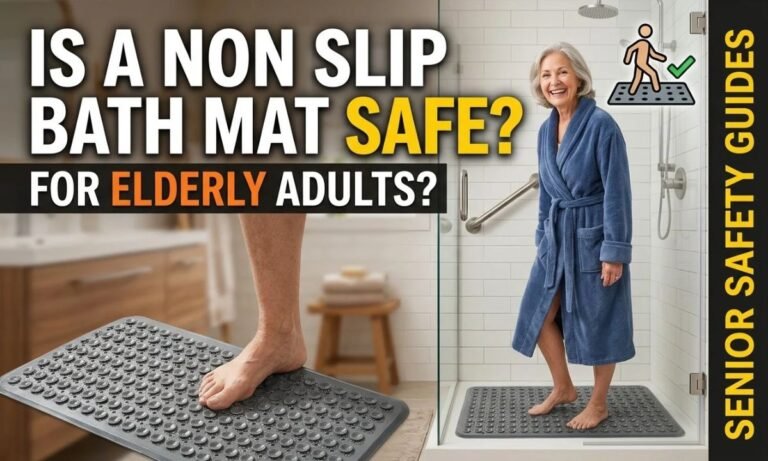
A bamboo bath mat should not be assumed safe for every person. Older adults and anyone with balance or mobility concerns may need a softer, more stable surface with a secure grip. A loose or sliding mat can increase the risk of a fall in a wet bathroom.
Check the mat for movement on the actual floor where it will be used. Follow the manufacturer’s placement instructions and keep the walking area dry. If a person needs extra support, choose a bathroom safety product designed for that need rather than relying on a decorative mat alone.
Can a Bamboo Mat Damage the Bathroom Floor?
It can cause problems if water remains trapped beneath it or if its feet or edges scratch the floor. The risk depends on the floor material, the mat’s construction, and how often you lift and clean it. Some floor finishes may be more sensitive to trapped moisture than others.
Check the floor care instructions before using a bamboo mat on wood, laminate, or other moisture-sensitive flooring. Use only a backing that is compatible with the floor finish, and inspect the area beneath the mat often. If you see discoloration, swelling, residue, or scratches, stop using the mat until you identify the cause.
Bamboo vs. Cotton, Microfiber, and Rubber Bath Mats
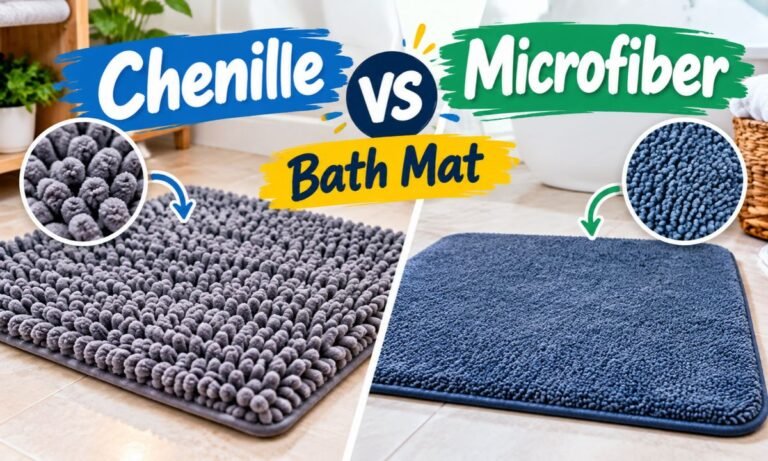
The best bath mat material depends on what you need it to do. Bamboo provides a firm, slatted platform, while cotton and microfiber focus more on absorbing water. Rubber mats often focus on grip, although the type of rubber mat matters because some are designed for inside a tub or shower rather than for the bathroom floor.
Compare the materials by water handling, comfort, care, and stability. These are general differences; the quality of a particular product can change how well it performs.
Source: strongmocha.com
Material Comparison Table
Use this table to narrow your choice based on your main need. Always check the product’s own care and safety instructions before buying.
Bamboo
Best suited to people who prefer a firm, natural-looking surface. It allows drainage through gaps but absorbs little water compared with a towel-like mat.
Cotton
A good option for people who want a soft surface that absorbs water. It usually needs regular washing and enough time to dry.
Microfiber
Often feels plush and can absorb water well. Its pile may collect hair and dust, and the backing needs care.
Rubber
May provide grip or a water-resistant surface, depending on the design. Confirm whether the product is intended for bathroom floors or for use inside a tub or shower.
Memory foam
Offers a cushioned feel, but the cover and inner foam can retain moisture and need appropriate drying.
Which Material Is Best for a Small Bathroom?
For a small bathroom, the right choice is often the mat that fits without crowding the floor. A bamboo mat can look compact and neat, but its hard edges and limited water absorption may be drawbacks in a tight area. A small cotton mat may work better if you need to catch drips near a shower.
Measure the available floor space before buying. Leave enough room for doors to open, avoid covering drains, and make sure the mat cannot slide into a walking path. A smaller mat that stays stable is usually more practical than a larger mat that blocks movement.
Which Material Is Best for Absorbing Water?
Cotton and many microfiber mats are better choices when the main job is to absorb water from wet feet. Bamboo is more useful when you want a firm surface that lets water pass through, but the floor below it must still be dried.
If you often step out of the shower with very wet feet, consider how much water reaches the floor. A bamboo mat may need a separate towel or a routine for wiping up splashes.
How to Choose the Right Bamboo Bath Mat
Choose a bamboo bath mat by checking its size, base, slat construction, finish, and care needs. A nice-looking surface is not enough if the mat rocks, slides, or stays damp underneath.
Think about where you will place it and who will use it. A mat for a rarely used guest bath may face different demands from one used by several people every day.
Source: storage.googleapis.com
Measure the space
Check the width and length beside the shower or tub. Allow room for doors and normal foot traffic.
Check the underside
Look for feet or backing designed to limit movement. Confirm that the material is suitable for your floor.
Inspect the slats
Choose smooth pieces without sharp edges, deep cracks, loose joints, or splinters.
Review the finish
Check whether the mat has a protective coating and whether the maker gives specific cleaning limits.
Check the construction
A stable frame and secure connections can help the mat sit evenly. Flexible roll-up designs should still lie flat when in use.
Read the care instructions
Make sure you can follow the cleaning and drying routine needed for the material and finish.
What Size Should You Buy?
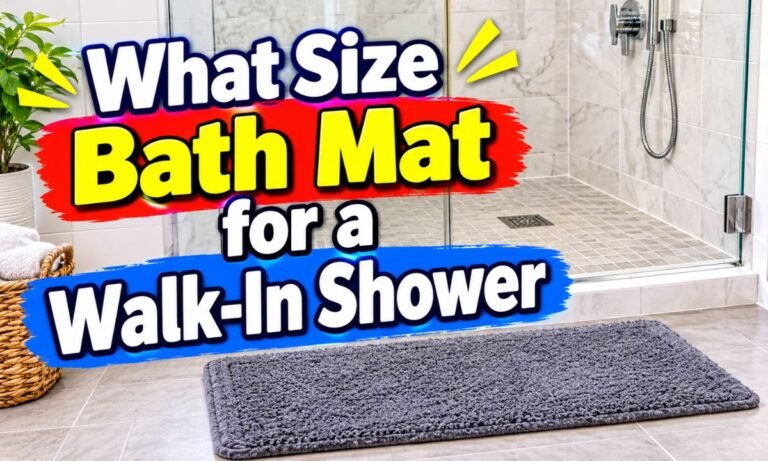
The correct size depends on the available floor space and where your feet land when you leave the shower or tub. A mat that is too small may not catch enough drips, while an oversized mat may interfere with doors or create a trip risk.
Measure the usable space, not just the tub or shower width. Place a paper outline on the floor if you need help picturing the fit. Check the door swing and make sure the mat sits flat without curling at the edges.
Should You Choose a Roll-Up or Rigid Mat?
A roll-up mat can be convenient if you want to lift it for cleaning or store it when not in use. A rigid mat may offer a more fixed shape, but it still needs a stable base and enough space to sit flat.
Neither style is automatically safer or more durable. Check the quality of the joints, the condition of the feet, and how the mat behaves on your floor.
How to Clean and Maintain a Bamboo Bath Mat
A bamboo bath mat needs regular cleaning and drying to remove soap residue, dust, and moisture. You usually do not wash it like a cotton rug, and soaking it for long periods is not a good default care method.
Follow the manufacturer’s instructions first, especially if the mat has a coating, rubber feet, or metal parts. Use gentle methods unless the care label allows something more specific.
Source: storage.googleapis.com
Remove loose dirt
Shake out loose dust or wipe the slats with a dry or slightly damp cloth.
Clean the surface
Use a soft cloth with mild soap and water when permitted by the care instructions.
Reach between the slats
Use a soft brush or cloth to remove buildup from gaps and joints without damaging cords or the finish.
Wipe away residue
Remove leftover soap with a clean, damp cloth so the surface does not remain sticky or slippery.
Dry both sides
Wipe off excess water and stand or lift the mat in a ventilated place when the design allows.
Check the base
Inspect the feet, backing, and floor beneath the mat before returning it to its normal place.
How Often Should You Clean It?
The cleaning schedule depends on how often the bathroom is used, how much water reaches the mat, and how well the room dries. Wipe away visible soap or dirt when you notice it, and clean the mat more thoroughly when residue builds up or the surface feels slippery.
If several people use the same bathroom each day, inspect the mat and the floor beneath it often. Do not wait for a smell or visible mold before checking for dampness.
Can You Use Bleach or Strong Cleaners?
Do not assume bleach, abrasive powder, or strong chemical cleaners are safe for bamboo. They may discolor the surface, damage a protective finish, or harm rubber and connecting parts. Use only products allowed by the manufacturer’s instructions.
Avoid soaking the mat or leaving it in standing water. Do not use a harsh scrubber that can scratch the surface. If a stain remains, check the care guidance before trying a stronger cleaning method.
What If the Mat Smells Musty?
A musty smell can be a sign that moisture or organic residue has remained on the mat or beneath it. Move the mat to a ventilated place, clean it according to the care instructions, and let it dry fully. Inspect the floor and the underside for visible growth or trapped dirt.
If the odor returns, the mat may not be drying well enough for your bathroom. Improve airflow, lift the mat after use, or switch to a material that better fits the room. Replace the mat if it has persistent mold, deep cracks, loose parts, or damage that cannot be cleaned safely.
Common Mistakes to Avoid
Many problems with bamboo bath mats come from placement or care rather than from bamboo alone. A few simple checks can help the mat last longer and reduce the chance of slips or floor damage.
Treat the mat as a bathroom accessory that needs maintenance, not as a waterproof platform that can stay wet indefinitely. If it no longer sits flat or has damaged parts, stop using it until the problem is fixed.
Leaving it on a wet floor
Water trapped underneath can keep the mat damp and may harm moisture-sensitive flooring. Lift it and dry the area as needed.
Assuming every mat is non-slip
Check the underside and test the mat carefully before regular use. Stop using it if it shifts underfoot.
Using too much water during cleaning
A quick wipe is often more suitable than soaking the bamboo. Follow the care label for your exact product.
Ignoring loose slats or splinters
Damaged pieces can catch skin or make the surface unstable. Repair only if the maker permits it and the mat can be made safe.
Placing it over a drain
A mat should not block the floor drain or stop water from flowing away.
Using it as a shower mat without checking
A mat designed for the bathroom floor may not be suitable inside a tub or shower. Use only products intended for the location.
When Should You Replace a Bamboo Bath Mat?
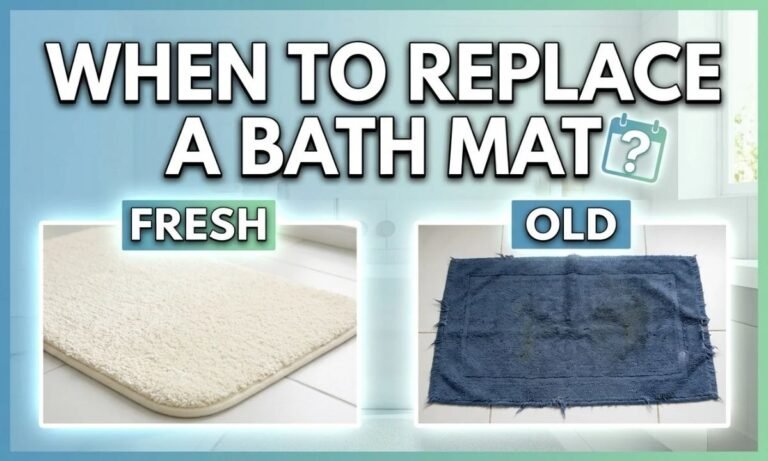
Replace the mat when it develops sharp splinters, broken slats, unstable joints, or feet that no longer hold it in place. A badly worn surface can be uncomfortable and may create a trip or slip risk.
Persistent mold, recurring musty odors, deep cracks, or a damaged finish can also be reasons to stop using it. There is no single replacement interval that fits every mat; condition and care matter more than a fixed number of months or years.
Is a Bamboo Bath Mat Right for Your Home?
A bamboo bath mat may suit you if you like a firm surface, prefer a natural look, and can lift and dry the mat after use. It can work well in a bathroom where the floor is suitable, airflow is reasonable, and the mat has a stable base.
A fabric mat may be more useful if your main goal is to absorb water or cushion bare feet. A person who needs extra support should put stability and suitable bathroom safety features ahead of appearance. There is no one material that is best for every household.
Choose bamboo if
You want a firm, slatted surface, like a wood-like finish, and are willing to keep the mat and floor dry.
Choose cotton if
You want a soft surface that soaks up water and can be washed according to its care label.
Choose microfiber if
You prefer a plush feel and want an absorbent surface, while accepting the need to clean and dry the fabric.
Consider a purpose-made safety mat if
You need extra grip or support in a wet area. Confirm that the mat is designed for the exact location and surface.
A Simple Buying Checklist
Before buying, compare the actual construction rather than relying on the word bamboo alone. A clearly labeled product makes it easier to understand the materials and care needs.
Material details
Confirm that the main surface is bamboo and identify any added backing, feet, cords, or coatings.
Stable placement
Look for a base suited to your floor and check that the mat sits flat.
Useful dimensions
Measure the space and allow room for normal movement and door clearance.
Simple care
Choose a cleaning routine that you can follow without soaking or damaging the mat.
Visible quality
Avoid cracked slats, sharp edges, loose joints, and peeling finishes.
Frequently Asked Questions
Q
What is a bath mat made of bamboo?
A bamboo bath mat is made from narrow bamboo slats or strips connected with cords, joints, or a frame. Some designs also include rubber feet, plastic connectors, metal fasteners, or a protective finish. These added parts affect how the mat grips the floor and how it should be cleaned.
Q
Is a bamboo bath mat waterproof?
No, you should not assume that a bamboo bath mat is waterproof. Bamboo can take up moisture, and the finish may wear over time. The gaps between slats help water pass through, but water can still collect underneath. Wipe up standing water and let the mat dry after use.
Q
Does a bamboo bath mat get moldy?
It can develop mold if moisture and suitable organic residue remain on the surface or underneath it. Good airflow, regular cleaning, and full drying can reduce the risk. Lift the mat to inspect the floor, and stop using it if persistent growth or damage cannot be cleaned safely.
Q
Is bamboo better than cotton for a bath mat?
Neither material is better for every use. Bamboo offers a firm, slatted surface and allows water to drain through gaps. Cotton is softer and usually absorbs more water. Choose bamboo for its feel and appearance if you can manage the drying routine, or cotton if absorbency and comfort matter most.
Q
Can I put a bamboo bath mat on a wood floor?
You may be able to use one, but first check the floor manufacturer’s moisture-care instructions and the mat’s backing. Water trapped underneath can damage some wood finishes. Lift the mat often, wipe up spills, and make sure both the floor and mat dry fully. Stop using it if you notice swelling, stains, or finish damage.
Q
Can I wash a bamboo bath mat in a washing machine?
Most rigid or slatted bamboo mats are not designed for machine washing. A washing machine may damage the slats, joints, cords, or finish. Wipe the mat with a soft cloth and mild cleaner if allowed by the manufacturer, then dry it thoroughly. Always check the care instructions before cleaning.
Q
Are bamboo bath mats slippery?
They can be slippery if the surface is wet or the mat moves on the floor. The risk depends on the finish, foot design, floor material, and condition of the mat. Choose a stable product, check the base, and stop using it if it shifts or feels unsafe underfoot.
✦ Wrapping Up
Conclusion
A bamboo bath mat is mainly made from bamboo slats joined to form a firm platform for use beside a bathtub, shower, or bathroom sink. Some designs add rubber feet, a frame, connectors, or a protective coating. Its open construction allows water to drain through gaps, but it does not replace an absorbent towel or proper floor drying.
The main benefits are its natural look, firm feel, and easy-to-lift design. The main trade-offs are limited absorbency, little cushioning, possible slipping, and the need to keep both the mat and the floor beneath it dry. Its long-term performance depends on the materials, construction, and care routine.
💡 Key Takeaway
Before buying a bamboo bath mat, measure your bathroom space, check the non-slip base, read the care instructions, and confirm that you can lift and dry the mat regularly. Choose cotton or microfiber instead if water absorption and softness are your top priorities.



3 Comments