Use a vacuum, lint roller, rubber glove, or soft brush to lift hair from a bathroom rug. Start with dry hair removal and wash the rug only when its care label allows it.
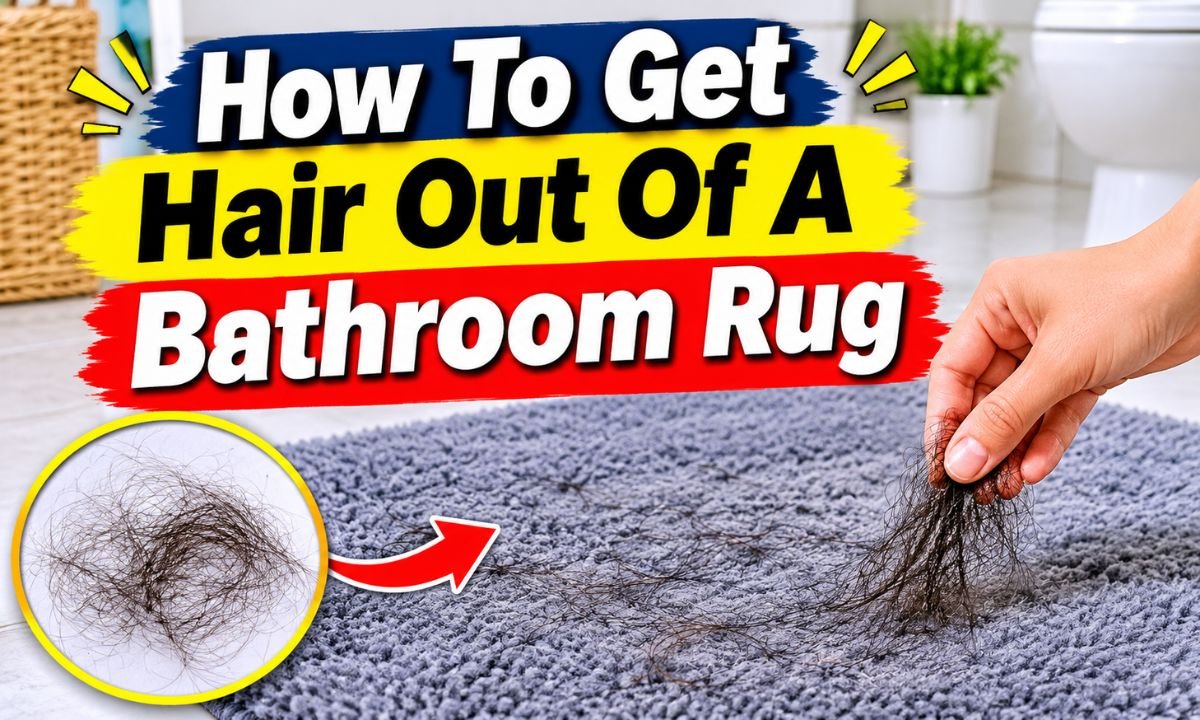
Bathroom rugs in American homes collect more than dust and dirt. Hair from daily showers, haircuts, shaving, and pets can get trapped in thick bath mats. It often sticks to chenille, microfiber, cotton, and shag fibers. A quick shake may remove loose strands, but hair buried deep in the pile needs a better approach.
The good news is that you do not need special cleaning equipment for most bathroom rugs. A vacuum with an upholstery attachment, a rubber cleaning glove, or a basic lint roller can do much of the work. The right method depends on the rug’s material, pile height, and backing.
Start by making sure the rug is dry. Pick up loose hair, loosen the strands caught in the fibers, and collect the hair before washing the mat. This order helps prevent loose hair from spreading across the rug or collecting in your washing machine. Always check the care label before using water, brushes, or heat.
Why Does Hair Get Stuck in Bathroom Rugs?
Hair gets stuck in bathroom rugs because the fibers create small spaces that catch loose strands. Thick, soft rugs can hold hair below the surface, where a simple shake cannot reach it. Some strands also wrap around the fibers and stay in place when you walk across the mat.
Static can make the problem worse. Dry synthetic fibers may attract loose hair, making it cling to the surface. Friction from bare feet, slippers, and pets can also push strands deeper into the pile.
The type of rug plays a big role. A flat cotton mat may release hair with a few shakes, while a deep chenille rug can hold it between its soft loops. A thick microfiber mat may also trap fine hair near the base.
Chenille rugs
Their soft, raised loops can catch long hair and fine strands. A rubber glove or gentle vacuum attachment can help lift hair without pulling the loops.
Microfiber rugs
Fine fibers can hold short hair and dust. A lint roller or gentle vacuum can remove much of the loose material.
Cotton bath mats
Hair can settle between woven threads or loops. Shaking and brushing often work well on these mats.
Shag bathroom rugs
Long fibers can hide hair deep inside the pile. A rubber tool followed by careful vacuuming may be more useful than a lint roller alone.
Rubber-backed rugs
These rugs need extra care because strong pulling, excess moisture, and heat can damage the backing.
Does Wet Hair Make the Problem Worse?
Wet hair can be harder to remove than dry hair. It may stick together, cling to damp fibers, and form small clumps that are difficult to pick up with a vacuum. Hair can also become tangled in thick rug loops.
If your bathroom rug is wet after a shower, let it dry before trying to vacuum it. Remove large visible strands by hand first if needed. Once the rug is dry, use a rubber glove or soft brush to loosen the remaining hair.
Best approach
Dry the rug first, then use a gentle hair removal method.
Avoid
Do not use a regular vacuum on a wet rug unless the machine is specifically designed for wet pickup.
What You Need to Remove Hair From a Bathroom Rug
You can remove most hair with common household items. Before you start, take the rug away from the shower area and place it on a clean, dry floor. This gives you room to work and makes it easier to collect the hair.
Choose your tools based on the rug’s texture. A lint roller works well on short, loose hair, while a rubber glove can help with strands caught in thicker fibers. A vacuum is useful for collecting hair after you loosen it.
You do not need to use every tool. Start with the gentlest method that suits your rug and move to another method only if hair remains.
Vacuum cleaner
Use a handheld vacuum or an upholstery attachment to collect loose hair. Check the rug label and vacuum instructions before using a rotating brush.
Rubber cleaning glove
A standard rubber household glove creates friction that helps gather hair into small clumps.
Lint roller
Its sticky sheets lift surface hair from flat and low-pile rugs. Replace the sheet when it stops picking up hair.
Soft-bristle brush
A gentle brush can loosen hair from washable cotton and synthetic rugs. Avoid rough bristles that can damage delicate loops.
Microfiber cloth
A clean microfiber cloth can collect loose strands from the rug surface, especially on short-pile mats.
Laundry detergent
Use a mild detergent only if the rug is washable and needs a deeper clean after the dry hair removal process.
How to Choose the Right Tool
For a small bathroom mat with a flat surface, start with a lint roller. For a thick chenille rug, try a rubber glove because it can reach between raised fibers. If the rug has a lot of loose hair across its full surface, use a vacuum with a suitable attachment.
For delicate rugs, avoid stiff brushes and strong vacuum suction. The goal is to remove hair, not pull out the rug’s own fibers. If you see threads coming loose, stop and switch to a gentler method.
Small amounts of hair
Use a lint roller or microfiber cloth.
Hair trapped in thick fibers
Try a slightly damp rubber glove.
Large amounts of loose hair
Use a vacuum with an upholstery attachment.
How To Get Hair Out Of A Bathroom Rug: 7 Easy Methods
The easiest way to remove hair is to loosen it before collecting it. Work in small areas instead of trying to clean the whole rug at once. This helps you see where hair remains and reduces the chance of pushing it deeper into the pile.
Start with dry cleaning methods. If one method does not remove all the hair, combine it with another gentle method. You can often get a much cleaner result without washing the rug.
Method 1: Shake the rug outside
Take the dry rug outside and hold it firmly by two corners. Shake it several times to release loose hair, dust, and small bits of debris. Avoid striking the rug against a hard surface because this can damage the fibers or backing.
Method 2: Use a slightly damp rubber glove
Put on a clean rubber glove and dampen the palm lightly with water. It should feel slightly moist, not wet. Move your hand over the rug in short strokes, working in one direction. Hair should begin to gather into small clumps that you can pick up by hand.
Method 3: Try a lint roller
Roll a lint roller over the rug with light pressure. Work in short, overlapping passes. Replace the sticky sheet when it becomes covered with hair and lint. Avoid pressing too hard on loose chenille loops or delicate fibers.
Method 4: Vacuum with an upholstery attachment
Attach the upholstery tool to your vacuum and move it slowly over the rug. Use gentle suction and follow the care instructions. Work across the surface in overlapping passes. A crevice tool may help around the edges, but keep it away from loose threads.
Method 5: Use a soft-bristle brush
Hold a clean, soft brush at a gentle angle and move it across the rug. Brush in the direction of the pile rather than against it. Gather the loosened hair by hand or vacuum it up. Stop if the fibers begin to fray or pull.
Method 6: Wipe with a microfiber cloth
Take a clean microfiber cloth and lightly dampen it if the rug material allows. Wipe the surface in one direction. The cloth can collect loose strands that remain after brushing. Rinse or replace the cloth when hair builds up on it.
Method 7: Wash the rug if needed
If hair and dirt remain after dry cleaning, check the care label. Wash the rug only if the manufacturer allows machine or hand washing. Use the recommended water temperature and a mild detergent. Remove as much loose hair as possible before putting the rug in the washer.
Step-by-Step Rubber Glove Method
A rubber glove is a useful choice when hair is caught deep in a soft bath mat. It creates friction against the rug fibers, helping loose strands move toward the surface. This method is also easy to control because you can use light pressure.
First, make sure the rug is dry. Put on a clean rubber glove and add a little water to the palm. Wipe your hand over a small section of the rug in short strokes. Do not soak the rug or rub the same spot too hard.
As the hair gathers, pick it up and place it in a trash bag. Continue across the entire surface, then check the corners and edges. Use a vacuum attachment to collect any small strands that remain.
Sign of success
Hair forms small clumps that are easy to lift from the surface.
If it does not work
Let the rug dry if it becomes too damp, then try a lint roller or suitable vacuum attachment.
Step-by-Step Vacuum Method
A vacuum is a good option for regular cleaning and large areas. Before using it, remove the rug from the bathroom floor and check the backing. Make sure the rug is dry and free from objects that could block the attachment.
Choose an upholstery tool or another attachment approved for your vacuum. Begin at one edge and move slowly toward the other side. Use overlapping strokes so you do not miss narrow strips of hair.
If the hair is tightly woven into the fibers, loosen it with a rubber glove first. Then vacuum the collected strands. Empty the dust cup or bag when needed, and remove hair from the vacuum attachment according to the manufacturer’s instructions.
Sign of success
The rug surface looks cleaner, and the vacuum collects visible loose strands.
If it does not work
Check the vacuum attachment and suction setting. Use a rubber glove to loosen trapped hair before trying again.
How to Remove Hair From Different Types of Bathroom Rugs
Not every bathroom rug should be cleaned in the same way. A method that works well on a cotton mat may damage a delicate microfiber rug or a mat with a weak rubber backing. Check the material and construction before choosing a tool.
The pile is also important. Low-pile rugs have short fibers, so hair usually stays near the surface. Thick rugs can hold hair deep inside the fabric. Use gentle pressure and avoid tools that pull at the fibers.
Chenille bathroom rugs
Use a lightly damp rubber glove to gather loose strands between the soft loops. Finish with a gentle vacuum attachment if the care instructions allow it. Avoid stiff brushes that can pull the loops.
Microfiber bathroom rugs
Start with a lint roller or gentle vacuum. If short strands remain, try a slightly damp microfiber cloth after checking that moisture is safe for the rug.
Cotton bathroom rugs
Shake the rug outside and use a soft brush to loosen trapped strands. A suitable vacuum attachment can collect the remaining hair.
Use a lint roller or gentle hand removal on the surface. Do not pull hard or use a stiff brush. Follow the manufacturer’s instructions because some foam mats require special washing and drying.
Rubber-backed bathroom rugs
Use a lint roller or gentle rubber glove. Avoid scraping the backing or pulling the rug with force. Check for cracking or peeling before washing.
Shag bathroom rugs
Use a rubber glove to loosen hair in small sections. Follow with a suitable vacuum attachment. Do not use a strong rotating brush unless the manufacturer approves it.
How to Get Long Hair Out of a Bathroom Rug
Long hair can wrap around individual fibers and form tangled strands. A lint roller may collect hair on top, but it may not reach the strands caught near the base. A rubber glove can help bring these strands together.
Move your gloved hand slowly over the rug. When several strands form a clump, lift them away with your fingers. Do not pull hard if the hair is tangled around a rug loop. Cut nothing unless you can clearly separate the hair from the rug fiber, because scissors can damage the mat.
Best tool
A slightly damp rubber glove for thick rugs and a lint roller for surface strands.
Important caution
Never yank tangled hair from a loose loop or cut close to the rug fabric.
How to Get Short Hair Out of a Bathroom Rug
Short hair can be difficult to see, especially on dark or textured rugs. A lint roller is often a good first choice because its sticky surface can collect small strands. Use slow passes and replace the sheet when it loses its grip.
For hair that remains between the fibers, use a suitable vacuum attachment. A clean microfiber cloth may also help on a low-pile rug. Avoid heavy scrubbing, which can push small strands deeper into the pile.
Best tool
A lint roller followed by gentle vacuuming.
Useful tip
Check the rug from different angles and in good light so you can spot fine strands.
How to Wash a Bathroom Rug After Removing Hair
Washing can remove leftover dirt, body oils, and small hair fragments, but it should come after dry hair removal. Putting a rug covered in loose hair straight into the washer can move strands into the drum, other laundry, and the machine’s filter area.
Start by checking the care label. Some bathroom rugs are machine washable, while others need hand washing or spot cleaning. The backing, foam layer, fabric, and stitching all affect the right method.
If the rug is machine washable, follow the stated water temperature, cycle, detergent, and drying instructions. Use a gentle cycle when the manufacturer recommends it. Do not assume that every bath mat can go through the same wash routine.
Step 1: Remove loose hair
Shake the rug and use a rubber glove, lint roller, or suitable vacuum attachment before washing.
Step 2: Check the care label
Look for washing temperature, cycle, hand-wash instructions, and drying limits.
Step 3: Use mild detergent
Choose a detergent suitable for the rug material and follow the product directions. Avoid adding extra detergent to compensate for hair.
Step 4: Wash as directed
Use the washing machine only if the label permits it. Otherwise, hand wash or spot clean according to the instructions.
Step 5: Rinse well
Make sure detergent is removed so residue does not remain in the fibers.
Step 6: Dry completely
Follow the label. Air drying is often the safer choice for rugs with rubber or latex backing.
Can You Put a Hair-Covered Bathroom Rug in the Washing Machine?
You should remove as much loose hair as possible before washing a bathroom rug. The washer is designed to clean washable fabrics, not to collect large amounts of loose hair. Excess hair can also remain in the drum or collect around parts of the washing machine.
After removing the hair, wash the rug only if its label allows machine washing. Do not overload the washer. Use the recommended cycle and temperature, and check the drum after the wash for any strands that remain.
Machine-washable rug
Remove loose hair first and follow the care label.
Spot-clean-only rug
Use an approved cleaning method instead of putting it in the washer.
Damaged backing
Avoid machine washing if the backing is crumbling or peeling unless the manufacturer provides a safe repair or cleaning method.
How to Dry a Bathroom Rug Without Damaging It
Drying is just as important as washing. A rug that stays damp can develop an unpleasant smell, and moisture trapped beneath it can affect the bathroom floor. Spread the rug flat or hang it as directed by the manufacturer.
Rubber-backed and latex-backed rugs often need air drying because high heat can damage their backing. Memory foam mats may also have special drying limits. Never use a hot dryer unless the care label clearly allows it.
Air circulation
Place the rug in a well-ventilated area and allow both sides to dry when the care instructions permit.
Check the underside
Make sure the backing and thick center are fully dry before putting the rug back on the floor.
Avoid excess heat
Do not place rubber-backed rugs on hot radiators or use a high dryer setting.
Common Mistakes When Removing Hair From Bathroom Rugs
Removing hair should not come at the cost of damaging your bath mat. Some cleaning tricks may seem quick, but they can loosen the fibers, harm the backing, or make the mess harder to clean. Use a gentle method and stop if the rug begins to show signs of damage.
The most common mistake is using too much force. A rough brush, sharp scraper, or strong rotating vacuum head may pull the rug fibers along with the hair. A slow approach is usually better, especially on soft chenille and microfiber mats.
Using a stiff brush
Hard bristles may damage loops and pull fibers from the rug. Choose a soft brush or rubber glove instead.
Scraping with a knife or sharp tool
Sharp tools can cut the rug fabric or damage its backing. Use a safe lint-removal tool approved for the material.
Using too much water
Excess moisture can make hair harder to collect and may soak the backing. Use only a lightly damp glove when appropriate.
Vacuuming a wet rug
A standard dry vacuum should not be used on wet fabric. Let the rug dry first unless the machine is designed for wet pickup.
Using high dryer heat
Heat can damage rubber or latex backing and may affect foam or synthetic fibers. Follow the drying instructions.
Adding fabric softener
Fabric softener can leave a coating on some fibers and reduce their ability to absorb water. Use only products allowed by the rug manufacturer.
Mixing cleaning chemicals
Never mix bleach with vinegar, ammonia, or other cleaning products. Use one approved cleaner at a time and follow its label.
What If Hair Keeps Coming Back?
If hair returns soon after cleaning, check whether the rug is catching fresh strands or holding hair below the surface. Long-pile mats can release trapped strands as people step on them. Pets may also bring hair into the bathroom.
Clean the rug more often in areas where hair builds up. Shake it outside, remove visible strands, and vacuum it gently when needed. If hair remains after several cleaning attempts, inspect the pile for tangles or damage.
Hair appears after every shower
Check the floor and shower area for loose hair that may be transferred to the rug by wet feet.
Hair remains deep in the pile
Try a rubber glove in small sections before vacuuming.
The rug sheds its own fibers
Stop brushing and check the rug’s condition. Excessive shedding may indicate wear or damage rather than trapped human or pet hair.
How to Keep Hair From Collecting on a Bathroom Rug
A little routine care can make hair removal much easier. You do not need to deep clean the rug every day. The goal is to collect loose strands before they settle deep into the fibers.
If you have long hair or pets, check the rug more often. A quick lint-roller pass or shake can prevent a larger cleaning job later. Keep the rug dry between uses whenever possible.
Shake the rug regularly
Take it outside and shake it to remove loose hair and dust. Do this more often when the rug collects visible strands.
Vacuum the rug gently
Use a suitable attachment to pick up loose hair before it settles into the pile.
Keep hair out of the shower area
Collect loose hair after brushing, washing, or trimming your hair. Do not leave strands on the bathroom floor.
Clean up pet hair
If pets enter the bathroom, remove loose hair from the floor and rug before it builds up.
Dry the rug after showers
Hang or spread it out according to its care instructions so moisture does not remain trapped underneath.
Wash when needed
Follow the care label and remove loose hair before washing. The cleaning schedule should match how often the rug is used and how quickly it gets dirty.
How Often Should You Remove Hair From a Bathroom Rug?
There is no single cleaning schedule for every home. A bathroom used by several people may collect more hair than a guest bathroom that sees little use. Pets, long hair, and a thick rug can also increase the amount of trapped debris.
Check the rug every few days and remove visible hair as needed. A quick shake or lint-roller pass can take less time than removing a large amount of embedded hair later. Follow the manufacturer’s washing instructions for deeper cleaning.
Light use
Check for hair during your normal bathroom cleaning routine and remove it when visible.
Heavy daily use
Remove visible hair several times a week or whenever the rug begins to look dirty.
Homes with pets
Check the rug often and use a gentle hair-removal method as needed.
When Should You Replace a Hair-Trapping Bathroom Rug?
A rug that holds hair is not automatically worn out. However, replacement may be sensible if its fibers are badly matted, its backing is falling apart, or it no longer dries properly. A damaged backing can also affect how securely the rug stays in place.
Check the underside for peeling, cracks, and loose pieces. Look for persistent odors, damaged seams, and areas where the pile has become thin. If cleaning no longer restores the rug and it remains in poor condition, consider replacing it.
Damaged backing
Cracked or peeling backing may reduce grip and can leave pieces on the floor.
Persistent musty smell
A smell that remains after proper cleaning and complete drying may indicate deeper moisture or buildup.
Severe fiber damage
Loose, worn, or heavily matted fibers may make the rug harder to clean.
Frequently Asked Questions
Q
What is the easiest way to get hair out of a bathroom rug?
A slightly damp rubber glove is an easy way to remove hair from many thick bathroom rugs. Rub your gloved hand gently over the dry rug in short strokes. Hair should gather into small clumps that you can pick up by hand. Finish with a suitable vacuum attachment if loose strands remain.
Q
Does a lint roller remove hair from a bathroom rug?
Yes. A lint roller can remove loose human and pet hair from bathroom rugs, especially those with short or flat fibers. Roll it slowly over the surface and replace the sticky sheet when it becomes covered with hair. For thick chenille or shag rugs, use a rubber glove first to loosen hair buried in the pile.
Q
Can I use a squeegee to remove hair from a bathroom rug?
A rubber-edged squeegee may help gather hair from some durable, low-pile rugs. Use light pressure and test a small area first. Avoid dragging a hard plastic edge across soft chenille, loose loops, or delicate backing. A rubber glove is often easier to control on a small bath mat.
Q
How do I get dog or cat hair out of a bathroom rug?
Start by shaking the dry rug outside. Use a rubber glove or rubber-edged tool to gather hair trapped in the fibers, then vacuum the loosened strands with a suitable attachment. A lint roller can collect the remaining surface hair. Wash the rug only if the care label allows it.
Q
Can I use baking soda to remove hair from a bathroom rug?
Baking soda is not a reliable hair-removal tool. It may help with certain odors when used according to the rug manufacturer’s cleaning instructions, but it does not replace a lint roller, rubber glove, or vacuum. Avoid adding powder to a rug if it cannot be fully removed from the fibers.
Q
Why does my bathroom rug still have hair after vacuuming?
Hair may remain because it is wrapped around the fibers or trapped deep in a thick pile. The vacuum attachment may also be too large or may not loosen the strands. Try using a slightly damp rubber glove first, then vacuum the collected hair with gentle suction.
Q
Can I put a bathroom rug in the dryer to remove hair?
Do not use a dryer just to remove hair. Some rugs cannot handle dryer heat, especially those with rubber or latex backing and some memory foam mats. Check the care label before drying. Remove loose hair with a lint roller, rubber glove, or vacuum instead.
Q
How do I remove hair without damaging a chenille bathroom rug?
Use a clean rubber glove with only a little moisture and move it gently over the rug. Pick up the hair as it gathers. Avoid stiff brushes, sharp tools, and strong pulling because chenille loops can loosen or become damaged. If you use a vacuum, choose a gentle attachment approved for the rug.
✦ Wrapping Up
Conclusion
Getting hair out of a bathroom rug does not have to be a difficult job. A rubber glove, lint roller, soft brush, or vacuum can remove most loose and trapped strands. The best choice depends on the rug’s material, pile, and backing.
Start with a dry rug and remove loose hair before using water or detergent. For thick chenille and shag mats, loosen the hair gently with a rubber glove. For flat and low-pile rugs, a lint roller or vacuum attachment may be enough.
Remember to check the care label before washing or drying your bath mat. Avoid rough tools, strong pulling, and excess heat. A simple cleaning routine can keep the rug looking neat, feeling soft, and ready for daily use.
💡 Key Takeaway
For a quick clean, take your dry bathroom rug outside, shake it, gently rub the surface with a slightly damp rubber glove, pick up the gathered hair, and finish with a suitable vacuum attachment. Check the care label before washing.






2 Comments