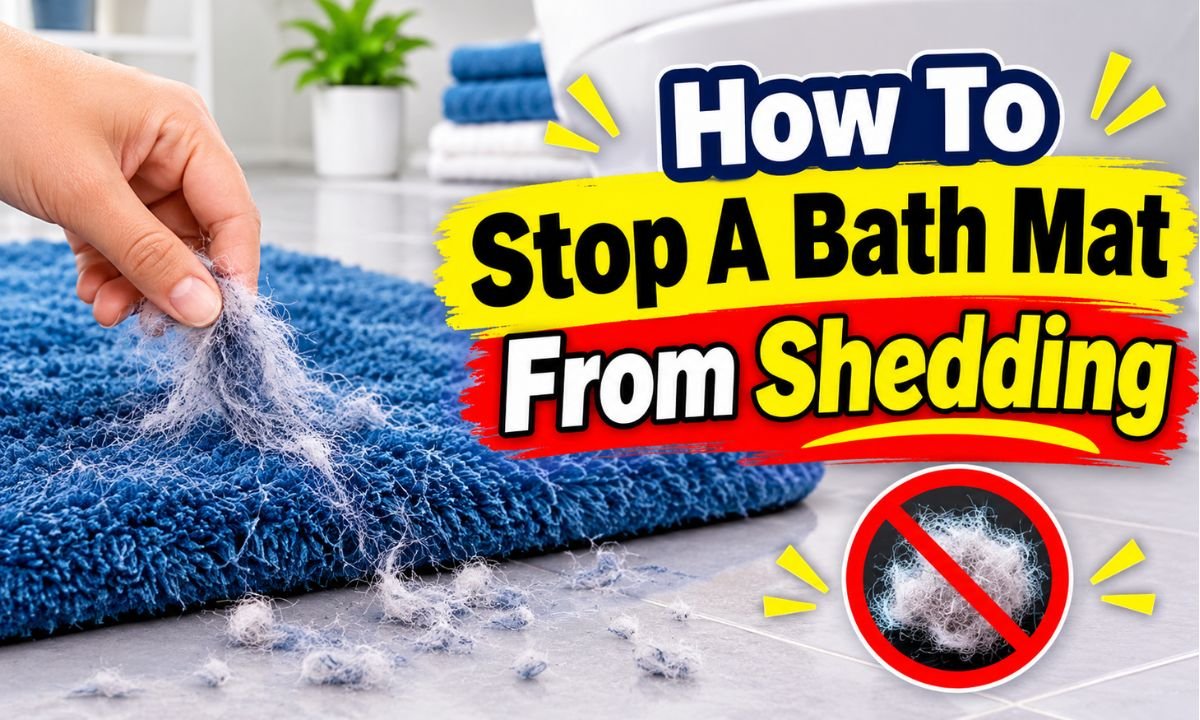
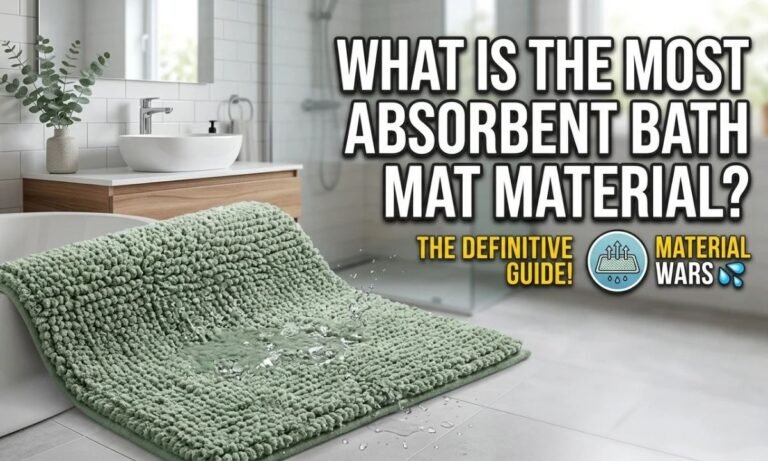
Stop bath mat shedding by shaking out loose fibers, washing gently, avoiding harsh cleaners, and drying according to the care label.
A fluffy bath mat feels great under your feet after a shower. But loose fibers on your bathroom floor, stuck to clean socks, or caught in the washer can quickly become annoying. This is a common problem in American homes, where bath mats often face daily showers, frequent laundry loads, and humid bathrooms. The good news is that the right care can reduce shedding and help your mat stay soft.
The first step is to find out why your bath mat is losing fibers. A new cotton, chenille, or microfiber mat may release extra fluff during its first few washes. However, an older mat may shed because of rough washing, high heat, worn fabric, or damaged backing. You can often reduce normal shedding with a few simple changes, but a mat with damaged fibers or a loose backing may need to be replaced.
Source: walmart.com
Why Does My Bath Mat Keep Shedding?
A bath mat sheds when small pieces of fiber or yarn come loose from its surface. These pieces may look like dust, lint, fuzz, or tiny balls of fabric. They often collect around the edges, under the mat, or near the bathroom door.
Not all shedding means your mat is poor quality. Some loose fibers remain in the fabric after production and come out during early use. Other fibers break because of friction, rough cleaning, heat, or normal wear.
The type of material also matters. Cotton, wool, chenille, and microfiber mats have different fiber structures. Each one needs the right cleaning method to help keep its surface in good shape.
Source: ideasask.com
Loose manufacturing fibers
New mats can contain short fibers left over from cutting, weaving, or finishing. These may come out during the first few uses and washes.
Strong washer action, heavy laundry loads, and rubbing against rough fabrics can pull fibers away from the mat.
Excessive heat
High dryer heat can damage some synthetic fibers and weaken certain backing materials. Always follow the care label.
Harsh cleaning products
Strong bleach, aggressive cleaners, and unsuitable chemicals can damage fabric or backing.
Age and daily wear
Repeated foot traffic, moisture, and cleaning can wear down older fibers. This may cause more shedding over time.
Is Shedding Normal for a New Bath Mat?
Yes, some shedding is normal for many new bath mats. A thick cotton or wool mat may release small loose fibers during its early use. A fluffy chenille mat may also leave lint behind after its first wash.
This loose fluff should generally become less noticeable with gentle care and normal use. Some manufacturers even recommend shaking a new rug after washing to remove extra surface fibers.
However, a mat should not lose large clumps of yarn or develop bare patches. Those signs may point to poor construction or damage rather than normal early shedding.
Normal shedding
Small amounts of loose fluff appear across the surface, while the mat keeps its shape and pile.
Possible damage
Large tufts come out, the backing breaks apart, or visible thin spots develop.
How To Stop A Bath Mat From Shedding Step By Step
You can reduce loose fibers by cleaning your bath mat with less friction and removing extra fluff before it reaches your washing machine. Start with the least aggressive method and check the mat after each step.
Before you begin, read the care label and check the backing. You will need a soft brush or vacuum with a suitable attachment, mild laundry detergent, clean water, and a drying rack if the mat needs air drying.
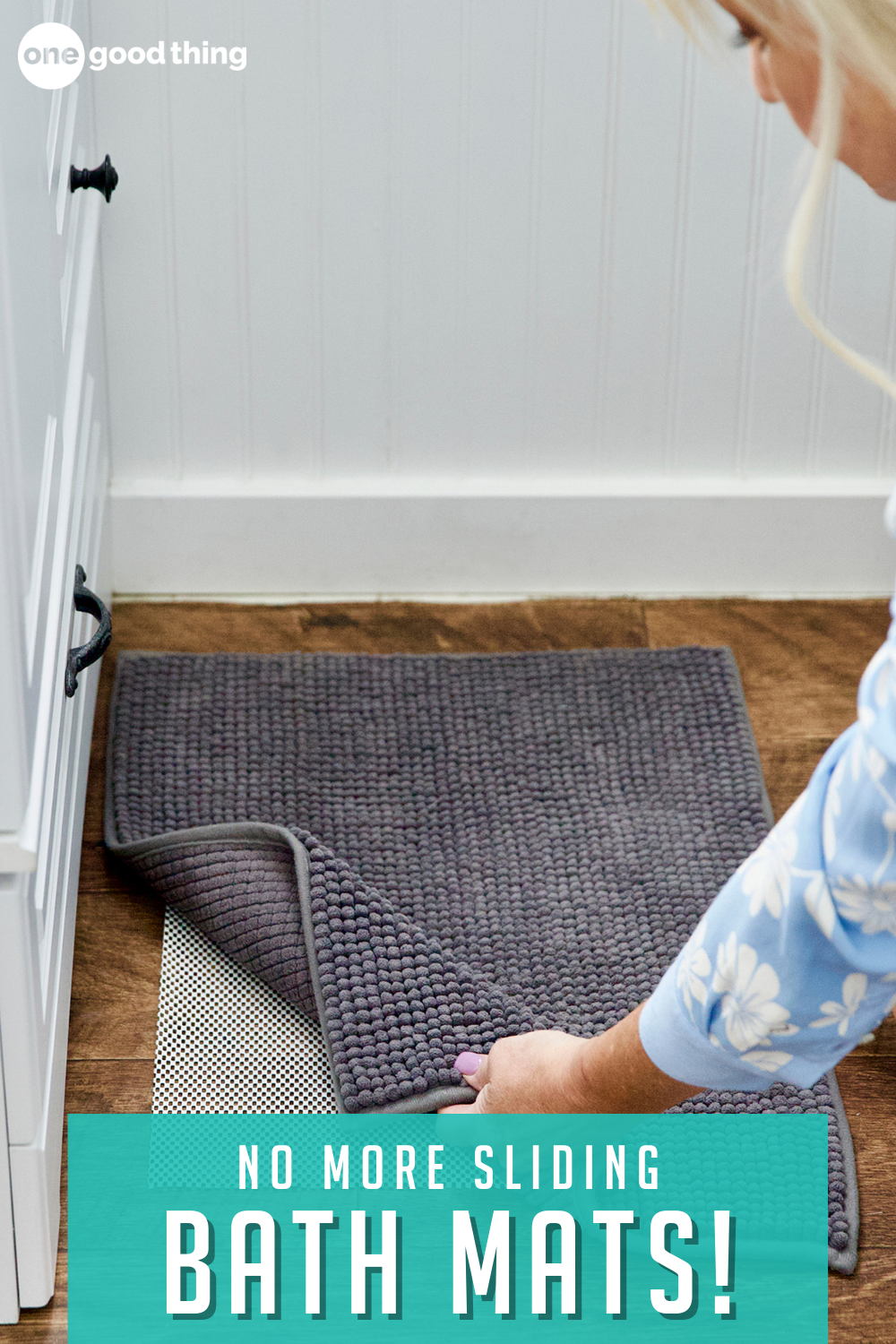
Source: www.onegoodthingbyjillee.com
What you need
A soft-bristle brush, a vacuum with a gentle setting, mild detergent, clean water, and a suitable drying space.
What to avoid
Rough scrub brushes, strong bleach, aggressive stain removers, and high dryer heat unless the manufacturer specifically permits the method.
Step 1: Shake Out Loose Fibers
Take your bath mat outside and hold it by two corners. Give it a few gentle shakes to release loose lint, dust, hair, and short fibers. This simple step can remove material that would otherwise spread around your bathroom or collect inside your washer.
Do not beat the mat hard against a wall or floor. Strong impacts can pull more fibers from a weak pile or damage the backing. A few gentle shakes are enough for normal surface fluff.
Check the surface
Look for loose clumps, long threads, and areas where the pile appears thin.
Check both sides
Look for loose backing particles, cracks, or peeling rubber before washing.
Step 2: Remove Surface Lint Gently
Use a soft brush to lift loose fibers from the mat. Brush in the direction of the pile rather than rubbing back and forth. This helps remove surface fluff without adding unnecessary friction.
You can also use a vacuum with a gentle suction setting and a suitable upholstery attachment. Avoid a rotating brush or beater bar on delicate, looped, or loose-pile mats because it may pull out yarns.
For cotton mats
Use a soft brush or gentle vacuum attachment to remove loose lint.
Use light strokes that follow the direction of the soft fabric strands.
For wool mats
Avoid aggressive vacuum brushes and use a gentle suction setting.
Step 3: Wash With Mild Detergent
A gentle wash can remove loose fibers that remain trapped in the pile. First, make sure your bath mat is machine washable. If its label recommends hand washing, follow that method instead.
For a washable fabric mat, use a mild detergent and the cycle recommended by the manufacturer. A gentle or delicate cycle may help reduce friction when the mat’s construction allows it. Avoid adding more detergent than needed because excess soap can remain in thick fibers.
Choose mild detergent
Use a regular, gentle laundry detergent that suits the material and color of your mat.
Avoid bleach
Do not use chlorine bleach unless the manufacturer clearly allows it for that exact mat.
Skip fabric softener
Softener can leave a coating on some fibers, affect absorbency, and create residue.
Use the right water temperature
Follow the care label instead of assuming that hot or cold water is best for every material.
Step 4: Rinse Away Detergent
Detergent left inside a thick bath mat can make the surface feel stiff and attract dirt. Rinse the mat well so soap and loosened fibers can wash away.
If your washing machine has an extra-rinse setting, use it when the care label allows. For hand washing, rinse with clean water until there is no visible foam. Press the mat gently to remove excess water instead of twisting it.
Step 5: Dry the Mat Properly
Drying is just as important as washing. Check the care label before using a dryer because some bath mats can handle low heat while others need to air dry. Rubber-backed, latex-backed, and foam mats may have special drying limits.
If air drying is required, hang the mat over a drying rack or lay it flat in a well-ventilated area. Make sure both sides dry fully before putting it back on the bathroom floor. Once dry, give it a gentle shake to release any remaining loose fluff.
Air dry when required
Use this method for mats that cannot go in the dryer or have backing that may be damaged by heat.
Use low heat only when allowed
Follow the manufacturer’s dryer instructions for suitable cotton, chenille, or synthetic mats.
Check the underside
Make sure the backing is dry and intact before placing the mat on the floor.
Use The Right Cleaning Method For Your Bath Mat Material
Different bath mat materials need different care. A method that works for cotton may damage memory foam or a rubber-backed mat. Always identify the face fabric and backing before choosing a cleaning method.
The table below gives general care guidance. Your manufacturer’s instructions should take priority because some mats use mixed materials or special coatings.
Source: aqviz.com
Cotton
Cotton mats may release loose lint, especially when new. Use the wash and dry settings listed on the care label.
Chenille
The long, soft strands can trap loose fibers. Brush gently and avoid rough washing or aggressive vacuuming.
Microfiber
Fine synthetic fibers can release lint when exposed to friction or excessive heat. Use suitable gentle care.
Wool
Wool may shed short fibers during early use. Avoid harsh cleaning and strong vacuum brushes.
Memory foam
The foam may lose its shape if washed or dried incorrectly. Follow the product’s hand-washing or machine-washing instructions.
How To Stop A Cotton Bath Mat From Shedding
Cotton bath mats can release short fibers and lint, particularly when they are new. Start by shaking the mat outside and removing loose lint with a soft brush.
If the care label allows machine washing, use the recommended cycle and a suitable detergent. Avoid rough items that can rub against the cotton surface and create more lint. Dry according to the label and shake the mat once it is completely dry.
Best approach
Gentle surface cleaning, correct washing, and careful drying.
How To Stop A Chenille Bath Mat From Shedding
Chenille mats have a soft surface made from short fabric strands. Their fluffy texture can collect loose fibers and may become rough if the strands are rubbed too hard.
Use a soft brush and move it in the direction of the pile. If the mat is machine washable, choose the settings stated on its label. Do not pull loose strands by hand because doing so can loosen more yarn.
Best approach
Light brushing, mild detergent, and gentle drying that suits the backing.
How To Stop A Microfiber Bath Mat From Shedding
Microfiber mats use very fine synthetic strands. Excessive friction, rough brushes, and high heat may damage their surface or increase loose lint.
Clean the mat with a gentle method approved by its manufacturer. Avoid strong cleaning chemicals and do not assume that every microfiber mat can go through a hot dryer cycle.
Best approach
Gentle cleaning, limited friction, and controlled drying.
How To Stop A Wool Bath Mat From Shedding
Wool rugs can naturally release short fibers as loose material works its way out of the pile. This does not always mean the rug is damaged.
Vacuum gently when the care instructions allow it. Avoid a powered brush that can pull at the wool. If long strands rise above the surface, trim only the loose ends rather than pulling them out.
Best approach
Gentle vacuuming, careful trimming, and cleaning suitable for wool.
Common Washing Mistakes That Make Bath Mats Shed More
A bath mat can start shedding more after a poor wash. Too much friction, unsuitable chemicals, and incorrect drying can weaken its fibers or backing. Avoid these mistakes to protect the mat and reduce the amount of lint left on your bathroom floor.
Remember that a bath mat is not always the same as a regular towel. It may have thick pile, foam, rubber, or latex underneath the fabric. Its care needs can be quite different.
Source: www.pinterest.com
Using too much detergent
Extra detergent does not always make a mat cleaner. Soap residue can collect in thick fibers and make rinsing harder.
Using hot water without checking
High temperatures may affect certain synthetic fibers, foam, dyes, or backing materials.
Washing with rough items
Jeans, shoes, and other rough or heavy items can rub against the pile and increase wear.
Using a rough brush
Hard bristles can pull at loops and strands, especially on chenille and delicate woven mats.
Using high dryer heat
Excessive heat may damage some fabrics and cause rubber or latex backing to crack or peel.
Ignoring damaged backing
A deteriorating backing can release particles and may make the mat unsafe to use.
Should You Use Vinegar To Stop Bath Mat Shedding?
White vinegar is sometimes suggested as a home laundry treatment, but it is not a proven fix for loose bath mat fibers. It cannot repair broken yarns or make a weak fabric construction stronger.
Some manufacturers warn against aggressive cleaning agents because they may damage latex or other backing materials. Check your product instructions before adding vinegar to the wash. Never mix vinegar with chlorine bleach or bleach-containing cleaners because the combination can release dangerous chlorine gas.
Safer choice
Use a mild detergent and the cleaning method approved for your mat.
Can Fabric Softener Stop A Bath Mat From Shedding?
Fabric softener does not repair loose fibers or prevent yarn from breaking. It may leave a coating on some fabrics, which can affect how well a bath mat absorbs water.
It is usually better to skip fabric softener unless the manufacturer specifically recommends it. A proper rinse and suitable drying method are more useful for basic bath mat care.
Better option
Use the correct detergent amount and rinse the mat thoroughly.
How To Tell Normal Shedding From A Damaged Bath Mat
The amount and appearance of loose material can help you decide whether your bath mat needs better care or replacement. A few short fibers on a new mat are different from large clumps of yarn coming out of an older one.
Check the surface, edges, seams, and underside. Pay attention to whether the problem improves after gentle cleaning or continues to get worse.
Source: amazon.com
Small amounts of loose fluff
This may be normal during the early life of a new rug, especially when the pile remains full.
Long loose strands
These may be raised yarn ends or pulled loops. Trim a loose end only if doing so will not damage the construction.
Large fiber clumps
Repeated clumps may indicate weak stitching, damaged yarn, or heavy wear.
Bare patches
Visible areas where the pile has disappeared may indicate permanent fabric damage.
Flaking backing
Cracked, sticky, or peeling backing is a warning that the mat may no longer be safe or suitable for use.
What To Do When Long Threads Stick Out
A long thread sticking out of your bath mat may be a loose yarn end rather than ordinary lint. Do not pull it. Pulling a connected yarn can loosen nearby loops and make the damaged area larger.
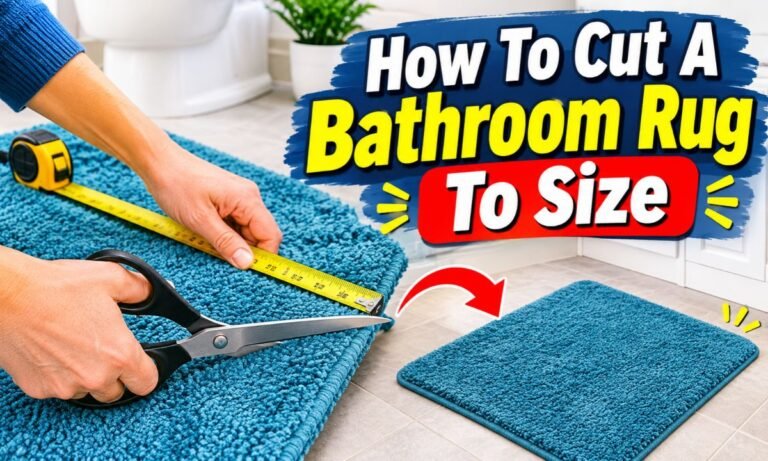
If the strand is clearly a loose end and the mat’s construction allows trimming, use sharp scissors to cut it level with the surrounding pile. Do not cut into the base fabric or backing. If several loops are coming loose, stop using the mat and contact the manufacturer or consider replacing it.
Trim carefully
Remove only the raised loose end without cutting healthy surrounding fibers.
Avoid pulling
Pulling one yarn may loosen more of the weave or pile.
How To Prevent Bath Mat Shedding In The Future
Good daily care can reduce unnecessary wear and help your bath mat stay in better shape. You do not need a complicated cleaning routine. A few small habits can protect the fabric between washes.
The main goal is to limit friction, remove loose debris, and keep the mat dry between uses. These steps also help reduce trapped dirt and unpleasant smells.
Source: br.pinterest.com
Shake the mat regularly
Remove loose lint, dust, and hair before they become trapped in the pile.
Let the mat dry
Hang it or lift it from the floor when possible so moisture does not stay trapped underneath.
Clean spills quickly
Promptly remove soap, shampoo, and other residues using a method that suits the material.
Use gentle cleaning tools
Soft brushes and suitable vacuum attachments help limit damage from friction.
Follow the care label
Use the recommended wash cycle, temperature, detergent, and drying method.
Create A Simple Bath Mat Care Routine
After a shower, hang your bath mat or place it where air can reach both sides if its construction allows. This helps the fabric dry instead of staying wet against the bathroom floor.
Shake the mat when you notice loose lint or dust. Wash it when it becomes dirty or according to the cleaning schedule suitable for your household. A shared bathroom, poor ventilation, and frequent use may mean it needs more regular washing.
Once the mat is clean, dry it fully before putting it back in place. A damp mat can develop a musty smell and may encourage mold or mildew growth.
After each shower
Lift or hang the mat to help it dry.
During regular cleaning
Shake out loose debris and inspect the surface and backing.
After washing
Check for loose fibers and make sure the mat is fully dry.
Keep Your Bathroom Well Ventilated
Moisture can remain in a bathroom long after a shower ends. A bathroom exhaust fan or open window can help remove humid air and make it easier for the mat to dry.
Do not leave an absorbent bath mat bunched up in a wet corner. Keeping it spread out or hanging it over a suitable rack helps air reach more of the fabric. This habit protects the mat from moisture-related problems, although it does not repair fibers that are already damaged.
When Should You Replace A Shedding Bath Mat?
Sometimes the best solution is to replace the bath mat. Cleaning can remove loose surface fibers, but it cannot repair badly worn fabric, broken stitching, or deteriorating backing.
If your mat continues to shed heavily after gentle cleaning, inspect it for damage. A mat that leaves large clumps of fibers or has exposed backing may not be worth keeping.
Source: walmart.com
The pile has become very thin
Large bare areas suggest that the fabric has lost too much material.
The backing is peeling
Rubber or latex particles coming off the underside may indicate that the backing is breaking down.
The edges are falling apart
Loose seams and fraying edges can continue to release fibers and may become a tripping problem.
The mat no longer lies flat
Curling or uneven edges can create a trip risk, especially on smooth bathroom floors.
The mat no longer grips the floor
A damaged non-slip backing may allow the mat to slide during use.
Is A Shedding Bath Mat Safe To Use?
A small amount of loose lint does not automatically make a bath mat unsafe. However, loose fibers are not the only thing you should check. The backing, seams, edges, and grip are also important.
Stop using the mat if its backing is flaking, its edges curl, or it slides on the floor. These problems can increase the risk of slipping or tripping. Replace the mat if the damage cannot be repaired safely.
Usually acceptable
A few loose surface fibers on a mat that remains flat, stable, and intact.
Replace the mat
Severe shedding, exposed backing, loose seams, persistent curling, or poor floor grip.
What To Look For When Buying A Bath Mat That Sheds Less
If your current mat keeps falling apart, choose a replacement with a well-made surface and clear care instructions. No material is guaranteed to shed nothing, but construction and maintenance can make a difference.
Look beyond a product title that says non-shedding. Check the actual material, stitching, pile construction, backing, and washing instructions. A product description alone does not prove how well a mat will perform over time.
Source: walmart.com
Secure construction
Look for a tightly made surface with neat edges and no obvious loose yarns.
Clear care instructions
Choose a mat with washing and drying directions that fit your household routine.
Suitable backing
Check whether the backing is appropriate for your floor and whether its care requirements are manageable.
Material that suits your needs
Consider cotton, microfiber, chenille, or other materials based on comfort, cleaning needs, and drying time.
Reliable construction details
Inspect the seams, pile, and backing rather than relying only on claims about softness or durability.
Is A Short-Pile Bath Mat Better For Reducing Shedding?
A short-pile bath mat may be easier to clean because it has fewer long surface strands that can trap loose lint. However, pile length alone does not determine whether a mat sheds.
The way the fibers are attached and the overall construction also matter. A well-made long-pile mat may perform better than a poorly made short-pile one. Choose based on construction, care needs, and comfort rather than appearance alone.
Are Rubber-Backed Bath Mats Less Likely To Shed?
A rubber backing does not prevent the top fabric from shedding. The surface and backing are separate parts, and each can wear in a different way.
A rubber-backed mat may still release cotton, chenille, or microfiber fibers from its top surface. Its backing can also crack or peel if exposed to unsuitable cleaning products or heat. Follow the care instructions for the complete mat, not just the fabric.
Frequently Asked Questions
Q
Why Is My New Bath Mat Shedding So Much?
A new bath mat may contain short, loose fibers left behind during manufacturing. These fibers can come out during the first few uses or washes, especially in thick cotton, wool, and fluffy pile mats.
Shake the mat gently outside and follow its washing instructions. If large tufts keep coming out or the mat develops bare patches, contact the seller or manufacturer because the problem may be more than normal shedding.
Q
Does Washing A Bath Mat Make It Shed More?
Washing can release loose fibers that were already trapped in the pile. However, rough washing, unsuitable temperatures, too much friction, and harsh cleaners can also damage the fabric and increase shedding.
Check the care label, use a suitable detergent, and choose the recommended wash cycle. Avoid washing a delicate mat with rough items that may rub against its surface.
Q
Should I Vacuum My Bath Mat To Remove Loose Fibers?
Yes, if the material and care instructions allow it. A vacuum with gentle suction and a suitable attachment can remove loose lint and surface fibers.
Avoid powered brush rolls on delicate chenille, wool, and looped mats because they may pull out more yarn. A soft hand brush is a better option when you are unsure.
Q
Can I Put A Shedding Bath Mat In The Dryer?
You can only use a dryer if the bath mat’s care label allows it. Some cotton and synthetic mats can handle suitable dryer settings, while others need to air dry.
Rubber-backed, latex-backed, and memory foam mats may have special drying limits. High heat can damage some fabrics and backing materials, so never use it as a way to force loose fibers to stop shedding.
Q
How Many Times Should I Wash A New Bath Mat?
There is no fixed number of washes that works for every bath mat. Some manufacturers recommend an initial wash, while others provide different instructions for their materials.
Follow the product label rather than washing the mat repeatedly to remove every loose fiber. Too much washing can cause unnecessary wear. A gentle shake and suitable cleaning routine are often enough for normal surface fluff.
Q
Can I Use A Lint Roller On A Bath Mat?
A lint roller may remove some loose surface fibers from a flat, sturdy bath mat. However, sticky sheets can catch long chenille strands, raised loops, or delicate yarns.
Test a small hidden area first. If the roller pulls at the fabric, stop and use a soft brush or gentle vacuum attachment instead.
Q
Why Does My Bath Mat Leave Fibers On The Bathroom Floor?
Loose fibers may fall from the pile when people step on the mat, move it, or clean it. A new mat may release leftover manufacturing fluff, while an older mat may have worn fabric.
Remove loose surface fibers, wash the mat according to its care label, and inspect the backing. If it continues to leave large amounts of material or develops thin areas, replacement may be the better choice.
Q
Can I Stop An Old Bath Mat From Shedding Completely?
You may reduce shedding from an older mat, but you cannot always stop it completely. If the fabric has weakened, the fibers may continue to break with regular use.
Gentle cleaning can remove loose material and reduce further friction. However, if the mat has large bare spots, loose seams, or a deteriorating backing, replacing it is more practical.
✦ Wrapping Up
Conclusion
Stopping a bath mat from shedding starts with understanding why the fibers are coming loose. A new mat may release some extra fluff, while an older one may shed because of rough washing, heat, friction, or normal wear. The right cleaning method depends on the fabric and backing.
Start by shaking out loose fibers, brushing the surface gently, and washing the mat with a suitable mild detergent. Rinse it well and dry it according to the care label. Avoid pulling loose yarns, using harsh cleaners, or exposing delicate materials to excessive heat.
Keep checking the surface and backing as part of your regular bathroom cleaning routine. A mat that stays soft, flat, clean, and firmly in place is much easier to maintain. If it continues to lose large clumps of fibers or its backing starts to break apart, replacing it is the safer option.
💡 Key Takeaway
Shake your bath mat outside, remove loose fibers with a soft brush, and give it one gentle wash using the manufacturer’s recommended settings. Let it dry fully, inspect the backing, and repeat gentle care as needed.