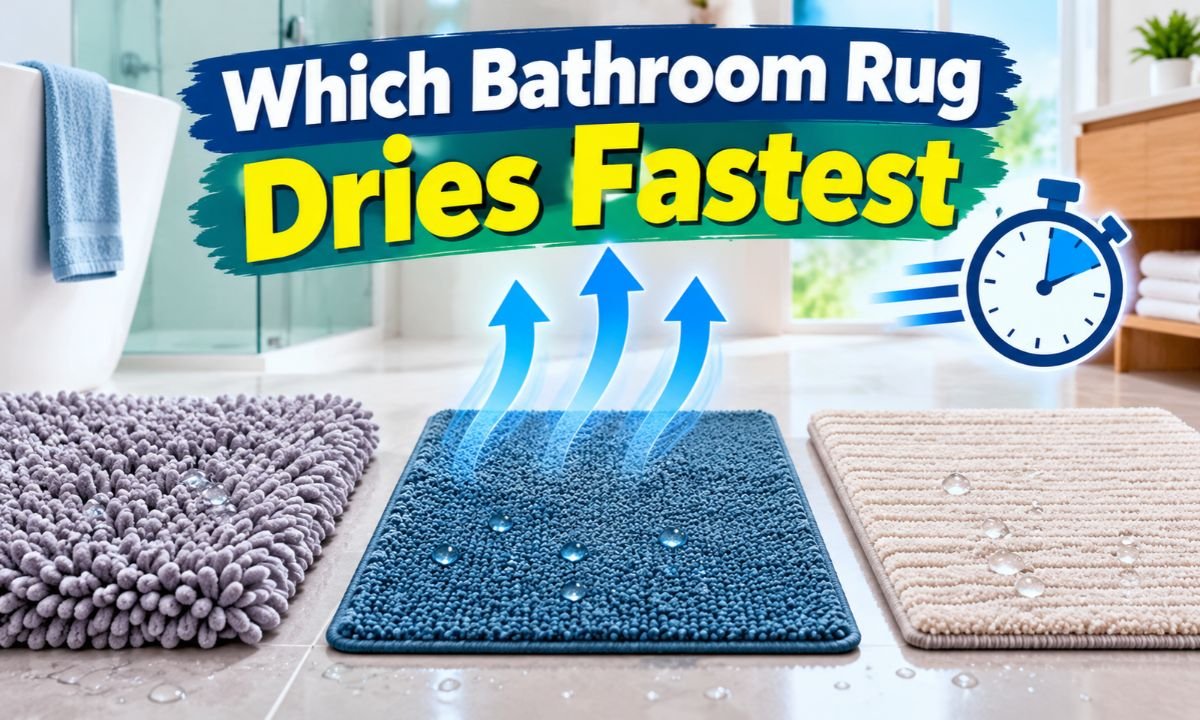
Thin microfiber, low-pile cotton, and slatted bamboo mats are among the fastest-drying bathroom floor coverings, depending on how you use them.
In American homes, a bathroom rug may get wet several times a day. A busy family bathroom, a small apartment bathroom, and a guest bath all have different needs. If your bath mat stays damp long after a shower, the problem may be its thick pile, dense backing, poor airflow, or the humid room around it.
The fastest-drying choice depends on what you want from the mat. Thin microfiber can offer a useful balance of water absorption and quick drying. Low-pile cotton is easy to wash and can dry well when air moves around it. Bamboo slats let water drain between hard surfaces, but they do not offer the same soft feel or absorbency as fabric.
There is no single drying time that applies to every rug. Fiber type, thickness, size, room humidity, airflow, and how much water the mat holds all affect the result. This guide explains the trade-offs and shows how to choose a mat that dries between showers without sacrificing comfort or floor safety.
Source: amazon.com
Which Bathroom Rug Dries Fastest?
For a soft fabric bath mat, a thin microfiber rug is often a practical choice for quick drying. Its fine synthetic fibers can spread water across a larger surface, while a low-profile design reduces the amount of material that must dry. Actual performance depends on the weave, backing, construction, and room conditions.
For a mat that does not need to absorb water, a slatted bamboo mat may be a better fit. Water can drain through the gaps instead of remaining trapped in a thick textile pile. However, moisture can collect underneath the mat, so it still needs to be lifted and the floor dried when necessary.
Cotton is another good option, especially when the rug is thin and easy to hang. A heavy cotton bath rug can hold a large amount of water, so the fiber alone does not guarantee fast drying. Choose the construction that suits your bathroom rather than relying only on the label.
Source: amazon.com
Best overall starting point
A thin, low-pile microfiber mat with a washable design and a backing suited to your floor.
Best for easy drainage
A slatted bamboo mat that allows water and air to pass between its slats.
Best natural-fiber option
A lightweight cotton mat that can be removed, washed, and hung to dry.
Most likely to need extra drying care
A thick memory foam or deep chenille mat that holds water within a bulky core or pile.
What Does Fast-Drying Mean?
A fast-drying rug releases or drains moisture soon enough to be ready for its next use. That is different from a rug that simply absorbs water well. A highly absorbent mat may keep your feet dry after a shower but remain wet inside long after the surface feels dry.
Drying time also depends on the starting point. A mat lightly dampened by bare feet may dry much sooner than one soaked by several people. Without controlled tests under the same conditions, it is not reliable to claim that one material always dries in a specific number of minutes or hours.
Surface drying
The top may feel dry even while the backing or inner fibers remain damp.
Full drying
The pile, core, and underside have released enough moisture that no damp areas remain.
How Different Bathroom Rug Materials Compare
Material matters, but thickness and construction matter just as much. A thin rug made from a water-absorbing fiber may dry sooner than a thick rug made from a fiber often described as quick drying. The backing can also slow moisture loss if it traps water against the floor.
Use the comparison below as a practical guide rather than a measured performance ranking. These are general material characteristics, not results from a controlled drying test of the listed products.
Source: amazon.com
Microfiber
A thin, low-pile microfiber mat often balances comfort, water pickup, and convenient care. Dense pile and coated backing can still slow drying.
Cotton
Lightweight cotton is breathable and washable. Thick cotton loops can hold more water and take longer to dry.
Chenille
Soft chenille has a plush feel and can absorb water, but its thick strands may retain moisture.
Memory foam
Foam adds cushioning, but a thick foam core may hold moisture and needs careful drying.
Bamboo
Slatted bamboo drains water through gaps. It is not a fabric towel, so it may leave more water on feet than an absorbent mat.
Rubber or PVC
A solid waterproof surface does not absorb much water, but water can remain on top or underneath. Drainage and cleaning are key.
Microfiber: A Practical Choice for Busy Bathrooms
Microfiber is made from very fine synthetic fibers, often polyester, polyamide, or a blend. The fibers can help pick up and spread moisture across the mat. When the mat has a short pile and a light construction, air can reach much of the damp surface.
Look for a low-profile design that can be lifted and hung after use. Check whether the backing is washable and whether the care label permits machine washing. A thick, plush microfiber rug may feel softer, but its added material can hold more water.
Choose
A thin mat with a flexible construction and a care label that fits your laundry routine.
Avoid assuming
That every product labeled quick drying has been tested against other rugs under equal conditions.
Cotton: Breathable and Easy to Maintain
Cotton is a natural fiber that absorbs water well. A light cotton bath mat can be a good option if you want a familiar towel-like feel and easy washing. Hanging it so air can reach both sides helps moisture escape.
A dense cotton rug with long loops can become heavy when wet. If your bathroom has little ventilation or several people share one shower, a thinner weave may be easier to keep dry than a thick, high-pile design.
Choose
A lightweight, low-pile cotton mat that fits in your washer and can hang freely.
Consider
Keeping a spare mat available if the main one needs extra time to dry.
Chenille: Soft but Often Bulkier
Chenille bath rugs have a plush surface made from soft yarns. That texture feels pleasant underfoot and can collect water from wet feet. However, thick chenille strands create more space for moisture to remain within the rug.
A thin chenille mat may dry more readily than a very thick one. If you prefer chenille, check its overall thickness, backing, wash instructions, and whether it can be hung without folding over itself.
Best fit
Bathrooms where comfort matters and the mat can be aired out between uses.
Main trade-off
The plush feel may come with a longer drying period than a thin, simple mat.
Memory Foam: Comfort Can Mean More Drying Care
Memory foam bath mats cushion your feet, but their foam layer and fabric cover may behave differently as they dry. A dry-feeling top does not prove that the foam or underside is dry. Some mats also have a backing that limits airflow against the floor.
If you choose memory foam, follow the care label and hang the mat in a way that lets air reach both sides. Do not assume that a mat can go in a dryer unless the manufacturer says it is safe to do so.
Choose
A thinner, washable design if drying speed is more important than deep cushioning.
Check
The label for washing, drying, and backing-care instructions.
Bamboo: Drainage Instead of Absorption
Bamboo bath mats often use hard slats connected with cords or another flexible structure. The spaces between the slats allow water to drain away and air to move through the mat. This can reduce the amount of moisture held inside a textile pile.
The trade-off is that bamboo does not absorb water in the same way as a fabric mat. Water may drip onto the floor, and moisture can remain beneath the slats. Lift the mat after use, wipe the floor if needed, and allow the mat to dry according to its care instructions.
Best fit
A well-ventilated bathroom where you prefer a firm surface over a soft, absorbent rug.
Important limit
A slatted mat does not remove the need to dry the floor underneath it.
What Makes a Bathroom Rug Dry Faster?
A rug dries faster when water can escape and air can reach its damp areas. The material is only one part of the process. A small, thin rug hanging in a well-ventilated room may dry sooner than a larger rug made from the same fiber that lies flat on a damp floor.
Before buying a new mat, consider how much water it collects, how it rests on the floor, and where you can hang it. These practical details often make the difference between a rug that is ready for the next shower and one that remains damp.
Source: amazon.com
Thickness
Thin mats usually contain less material that must release moisture. Thick pile and foam can slow the process.
Pile height
Short pile is often easier to air out than long, dense fibers that hold water between strands.
Backing
Rubber or other non-slip backing can restrict airflow and may trap moisture beneath the rug.
Size
A larger mat has more material and may take longer to dry, especially if it is thick.
Air movement
Ventilation and free space around the mat help moisture escape.
Room humidity
Humid air slows evaporation. A bathroom that stays steamy after a shower can keep rugs damp.
Why the Backing Matters
A backing helps a rug stay in place, but it can also limit airflow where the rug touches the floor. If water reaches that area, the underside may dry more slowly than the top. This matters most when a mat is left flat on tile, vinyl, wood, or another hard surface.
Choose a backing designed for your floor type and follow its care instructions. A non-slip coating is not a substitute for a dry floor. If the backing becomes damaged, brittle, or less secure, replace the mat rather than relying on it to prevent falls.
Good design
A backing that provides suitable grip while still allowing the mat to be lifted and aired out.
Warning sign
A damp, musty underside or a mat that slides when stepped on.
How Bathroom Ventilation Changes Drying
Warm, moist air builds up during a shower. If that air stays in the room, water leaves the rug more slowly. A working bathroom exhaust fan, an open interior door when privacy allows, or a suitable window can help reduce trapped moisture.
Use the exhaust fan according to its instructions and allow the room to clear after bathing. Do not direct a portable heater at a damp rug or leave an electrical appliance near wet flooring. Airflow is useful, but it must not create a fire or electrical hazard.
After a shower
Run the bathroom exhaust fan as appropriate and hang the mat where air can reach both sides.
In a humid climate
Allow extra drying time and consider suitable room ventilation or humidity control.
How to Choose the Right Fast-Drying Bathroom Rug
Start with the way your household uses the bathroom. A single person who showers once a day may need a different mat from a family that uses the same bathroom several times each morning. Choose a rug that can dry within your actual routine rather than one that looks good only when new.
Check the product details before you buy. Terms such as absorbent, soft, and quick drying describe different features, and they do not always prove how quickly a complete mat will dry. Look for the material, pile height, backing type, wash instructions, and any specific drying guidance.
Source: amazon.com
For a busy family bathroom
Choose a thin, washable microfiber or cotton mat and keep a spare available if the first one remains damp.
For a small apartment
Choose a compact mat that can hang freely without touching the floor or other wet items.
For a guest bathroom
A simple low-pile rug can be easier to wash and prepare between visits.
For a bathroom with limited ventilation
Avoid very thick mats and make a plan to hang the rug after each use.
For a natural look
Consider a bamboo slat mat if you accept a firmer surface and can keep the floor beneath it dry.
A Simple Buying Checklist
Compare complete mats, not just fiber names. Two rugs made from microfiber can have different drying behavior because one is thin and flexible while the other has a dense pile and heavy backing.
A good choice should also fit your floor and cleaning routine. A rug that dries quickly but slides on tile is not a good solution. Likewise, a rug that requires special care may be a poor fit if you need to wash it often.
Material
Look for microfiber, lightweight cotton, or another material suited to your needs.
Construction
Prefer a low pile and a manageable thickness when drying speed is the priority.
Care
Read the washing and drying instructions before buying.
Floor grip
Confirm that the mat is suitable for your flooring and stays stable when dry and in normal use.
Size
Use a size that catches drips without creating a large, heavy area that is difficult to hang.
How to Compare Drying Claims Fairly
If two products claim to dry quickly, look for details about how the claim was measured. A meaningful comparison would use the same starting water load, room temperature, humidity, airflow, and drying setup for each mat. Without those details, a claim is best treated as product information rather than proof of superiority.
You can also compare the practical features that are easy to verify. A lighter mat that fits your washer and can hang fully open may be easier to manage than a bulky mat with vague care instructions.
Useful evidence
A clearly described test method that compares complete mats under the same conditions.
Weak evidence
A quick-dry label with no defined test, baseline, or conditions.
How to Make Your Bathroom Rug Dry Faster
You can often improve drying without buying a new rug. The main goal is to remove excess water, expose more of the damp surface to air, and avoid trapping moisture between the mat and the floor.
Use the same routine after each shower. If the rug remains damp until the next use, change the setup or choose a thinner design rather than simply washing it more often.
Source: amazon.com
Lift it after use
Move the mat off the wet floor so air can reach the underside.
Hang it fully open
Use a rack or bar that supports the mat without folding most of it against itself.
Clear the room’s moisture
Use the exhaust fan or other suitable ventilation to help lower humidity.
Wash it as directed
Remove body oils and residue that can build up over time, following the care label.
Keep a spare
Rotate two mats if the main bathroom is used often and drying time is limited.
A Step-by-Step Drying Routine
First, lift the rug after the shower and check the floor beneath it. Wipe away standing water with a suitable towel or cloth, especially if the flooring is wood or another material that can be damaged by trapped moisture.
Next, hang the rug so both the top and underside receive air. Turn on the exhaust fan if the bathroom is humid. Keep the rug away from direct contact with damp towels, shower curtains, and other wet items that may slow drying.
Before placing it back on the floor, check that the underside and floor are dry and that the backing still grips as intended. If the rug smells musty or feels damp inside, give it more time to dry and inspect the care label.
Sign of success
The surface and underside feel dry, there is no trapped moisture beneath the rug, and the mat lies flat and stable.
If it stays wet
Improve airflow, hang it more openly, reduce the amount of water it collects, or switch to a thinner mat.
If an odor persists
Wash the mat as directed and let it dry fully. Replace it if the odor remains despite proper cleaning.
Can You Put a Bathroom Rug in the Dryer?
Only use a clothes dryer when the rug’s care label allows it. Some cotton and microfiber mats may tolerate machine drying under specified settings, while rubber-backed mats, foam cores, and heat-sensitive materials may be damaged by high heat.
High heat can weaken some backings, cause cracking, or affect the shape of the mat. If the label calls for air drying, hang the rug instead. Do not use a dryer setting as a substitute for checking whether the backing and floor are compatible with the mat.
Check first
Follow the exact temperature and cycle limits on the care label.
Avoid guessing
Do not assume that a machine-washable rug is also safe for machine drying.
Common Mistakes That Keep Bathroom Rugs Damp
A rug may remain wet because of its construction or because of the way it is used. Changing the daily routine can help, but some problems call for a different mat. Check the following causes before replacing a rug that is otherwise in good condition.
Source: amazon.ca
Leaving it flat on a wet floor
Water trapped beneath the backing has little access to moving air. Lift the rug and dry the floor after use.
Choosing a thick rug for a humid room
Deep pile and foam may hold moisture. Choose a thinner construction if the mat cannot dry between showers.
Trusting a dry surface
The top may feel dry while the center or backing remains damp. Check both sides.
Ignoring the care label
Incorrect washing or high heat can damage the mat and its backing, making it harder to maintain.
Using a spare without drying it
Rotating mats only helps when the unused mat has dried fully before its next turn.
When Should You Replace a Bathroom Rug?
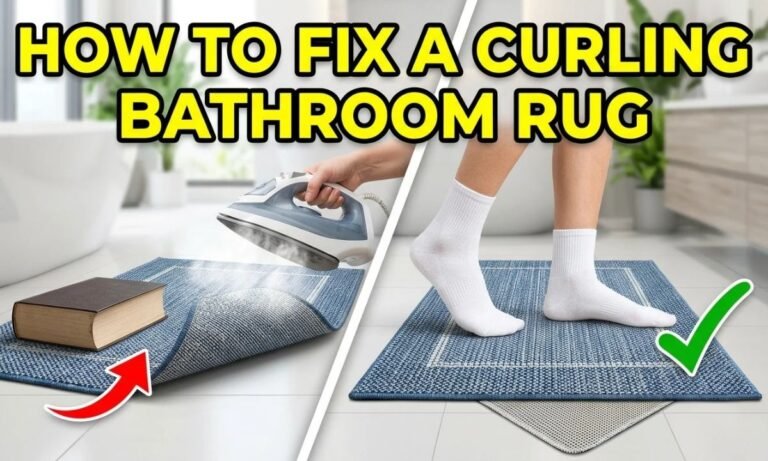
Replace a rug when its backing is breaking down, its grip has become unreliable, or it remains musty after suitable washing and full drying. Frayed edges, curling corners, and damaged foam are also reasons to stop using it, particularly where someone could trip.
A rug that stays wet every day may not be suited to the room’s use. If ventilation and drying habits are already reasonable, moving to a lighter, lower-pile design may solve the problem better than repeated deep cleaning.
Replace it
If the backing peels, the rug slips, or the material cannot be cleaned and dried properly.
Keep it
If it remains in good condition, can be washed as directed, and dries fully between uses.
Bathroom Rug Drying Needs by Household
The best mat is the one that fits your bathroom’s real conditions. A quick-drying option for a single-user guest bath may not be enough for a family bathroom where several people shower within a short period. Consider how often the mat gets wet and how much space you have to hang it.
Source: amazon.com
One person, one shower a day
A thin microfiber or lightweight cotton mat may be sufficient if it can air out between uses.
Several people sharing one bathroom
Choose a washable, low-pile mat and keep a spare so the first can dry fully.
A small bathroom with no window
Prioritize a thin mat, a working exhaust fan, and a place to hang the rug outside the wet zone.
A bathroom with wood flooring
Check the floor beneath the mat frequently, avoid trapped moisture, and follow the flooring maker’s care advice.
A household that prefers natural materials
Try lightweight cotton or a suitable bamboo slat mat, while accepting the differences in absorbency and feel.
A Simple Example of Drying Time
Imagine two mats used in the same bathroom. Mat A is thin and hangs fully open after a shower. Mat B is thick, stays flat on the floor, and has a dense backing. Even if both collect a similar amount of water, Mat A has more access to moving air and may dry sooner.
This example illustrates the effect of construction and airflow; it is not a measured result. In real use, the amount of water absorbed, humidity, temperature, and material blend can change the outcome. The most useful comparison is between mats under similar conditions.
Practical lesson
Choose a design that is easy to lift and hang, then use the same drying routine each day.
Safety and Care Considerations
A bathroom rug should dry quickly without becoming a slipping or tripping hazard. Fast drying is useful, but the mat must also stay flat and stable on the floor. A damp floor beneath a rug can be just as concerning as a damp surface.
Follow the manufacturer’s instructions for washing, drying, and floor compatibility. Avoid placing a rug where it blocks a door, curls at the edge, or interferes with a shower or tub entry. If the backing loses its grip, stop using the mat until you can replace it.
Source: amazon.com
Keep the floor dry
Lift the rug and wipe away pooled water instead of allowing moisture to remain underneath.
Use the right backing
Check that the backing is suitable for the flooring and remains secure during normal use.
Avoid unsafe heat
Do not use high heat or direct heating devices unless the care instructions permit the method.
Clean and dry fully
Wash the mat as directed and do not return it to the floor while the underside remains damp.
How to Keep the Area Beneath the Rug Dry
After bathing, remove standing water from the floor and lift the rug so air can reach the surface beneath it. This is especially useful on wood or other moisture-sensitive flooring. Follow the flooring manufacturer’s guidance if water has seeped into seams or joints.
If water repeatedly collects under a slatted mat, change its placement or choose a fabric mat that absorbs drips more effectively. If you use a fabric mat, make sure its backing does not trap moisture and that the floor is dry before placing it back.
For slatted mats
Lift the mat, check underneath, and dry the floor after use.
For fabric mats
Hang the mat after use and check the backing and underside before replacing it.
Frequently Asked Questions
Q
Which bathroom rug dries fastest after a shower?
A thin, low-pile microfiber mat is a practical choice for many bathrooms because it combines water pickup with a relatively light construction. A slatted bamboo mat can drain water rather than absorb it, but the floor beneath it may still need drying. The fastest option depends on thickness, backing, humidity, and airflow.
Q
Does microfiber dry faster than cotton?
A thin microfiber mat may dry faster than a thick cotton rug, but the material names alone do not settle the comparison. A lightweight cotton mat can dry well when hung in moving air. Compare the thickness, weave, backing, and care instructions of the complete mats.
Q
Do chenille bath mats take a long time to dry?
Thick chenille mats can take longer to dry because their plush strands may hold moisture between fibers. A thinner chenille design may dry more readily. Hanging the mat open and allowing air to reach both sides can help.
Q
Are bamboo bathroom mats better than fabric mats?
Bamboo mats are useful if you prefer drainage and a firm surface instead of a soft, absorbent rug. Gaps between the slats let water pass through, but the mat does not absorb drips like microfiber or cotton. You must also check and dry the floor underneath.
Q
How often should I wash a bathroom rug?
Wash it according to the care label and how often it gets wet or dirty. A heavily used mat may need washing more often than one in a guest bathroom. Wash it sooner if it smells musty, shows visible soil, or remains unpleasant after normal airing, and always let it dry fully.
Q
Why is my bathroom rug still wet the next morning?
The rug may be too thick, may have a backing that restricts airflow, or may be drying in a humid room. It may also have been left flat on a wet floor. Hang it fully open, improve ventilation, check the underside, and consider a thinner mat if the problem continues.
Q
Can a fast-drying bathroom rug prevent mold?
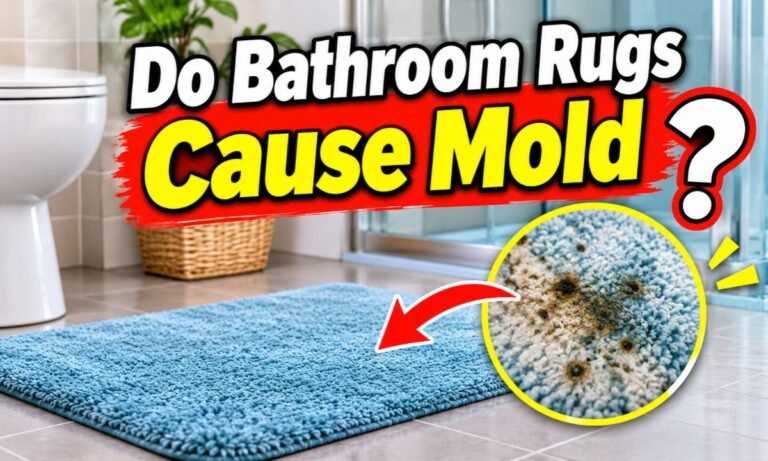
A rug that dries fully between uses can reduce the conditions that support mold and mildew, but it cannot guarantee that they will never develop. Keep the mat clean, improve bathroom ventilation, and dry the floor underneath. If a persistent musty smell remains after proper cleaning and drying, consider replacing the rug.
Q
Should I use a bathroom rug on wood or vinyl flooring?
You can use a suitable rug if its backing is compatible with the floor and the area remains dry. Check beneath the mat often, especially after showers, because trapped moisture can damage some finishes and flooring materials. Follow the floor manufacturer’s advice and replace a backing that slips or deteriorates.
✦ Wrapping Up
Conclusion
A thin, low-pile microfiber bathroom rug is a strong starting point if you want a soft mat that dries relatively quickly. Lightweight cotton is another practical option, while bamboo slats may suit people who prefer drainage over absorbency. Thick chenille and memory foam mats can be comfortable, but their extra material may take longer to dry.
Your bathroom’s airflow, humidity, floor type, and daily use all affect the result. Even a suitable rug can remain damp if it lies flat on a wet floor or stays in a steamy room. Lift it after use, hang it open, and follow the care label to help it dry fully.
💡 Key Takeaway
Choose a thin, washable, low-pile microfiber mat with suitable floor grip, then lift and hang it after each shower. If it remains damp until the next use, improve ventilation or switch to a lighter design.







4 Comments