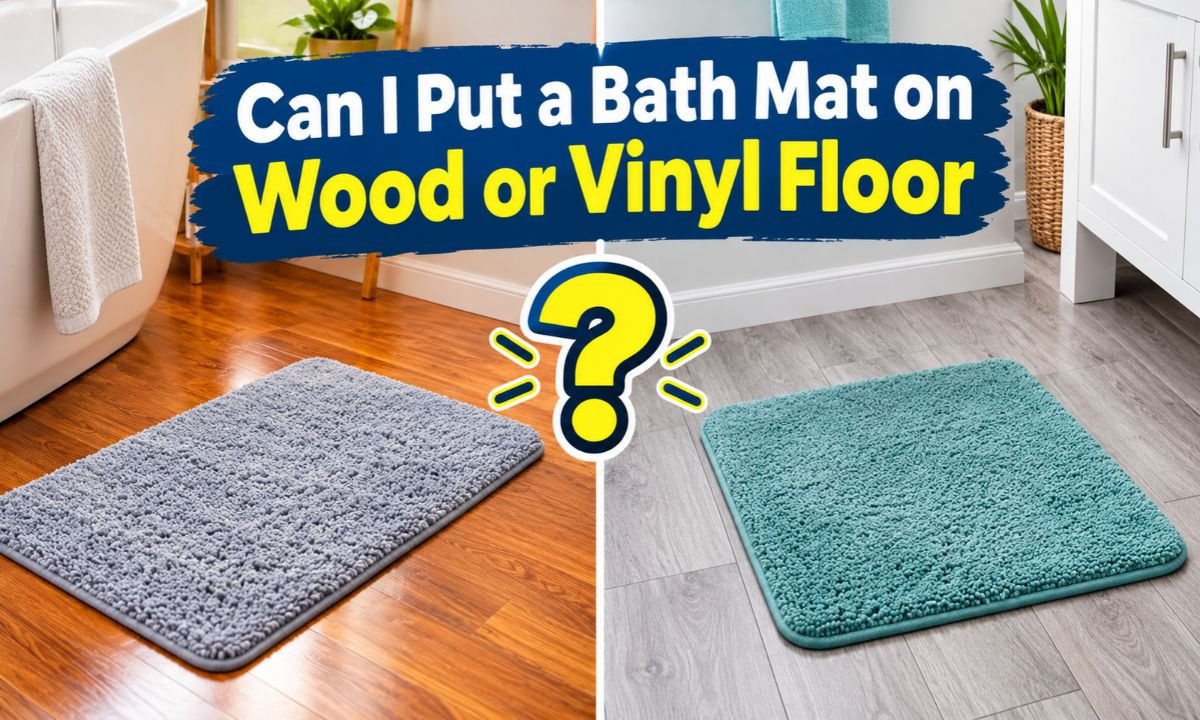
Yes, you can put a bath mat on wood or vinyl flooring, but choose a floor-safe backing and keep the area dry.
In American homes, bathroom floors may be made from hardwood, engineered wood, luxury vinyl plank, vinyl tile, or sheet vinyl. Each floor type reacts differently to water, trapped moisture, and certain mat backings. A bath mat can help catch drips after a shower, but the wrong mat can also trap water or leave marks on the floor.
The safest choice depends on the flooring finish, the mat’s backing, and how well the room dries. Use a mat that the floor maker allows, lift it after bathing, and check beneath it for damp spots. If your floor is wood, be extra careful around seams and edges, where water can enter and damage the material.
Can You Put a Bath Mat on a Wood Floor?
Yes, a bath mat can sit on a wood floor, but moisture control matters more than the mat’s appearance. Wood can absorb water through worn finishes, joints, scratches, and exposed edges. Repeated dampness may cause stains, swelling, peeling finish, or damage to the boards.
A bath mat helps catch water from wet feet, but it can also hold that water against the floor. A mat that stays damp for hours may create a bigger problem than a bare floor that dries quickly. The goal is to catch splashes without leaving moisture trapped underneath.
Solid hardwood and engineered wood do not always react the same way. Engineered wood has layers, but it is not automatically waterproof. Check the floor maker’s care guide before placing a mat over either type, especially if the floor has a delicate finish or is not designed for wet rooms.
Use a mat that allows drying
Choose a mat that dries quickly and can be lifted easily. A breathable design may help air reach the floor, but it still needs to be removed and dried after use.
Check the backing
Some rubber or plastic backings can react with floor finishes or leave marks. Confirm compatibility with the floor maker instead of assuming every non-slip mat is safe.
Keep water away from seams
Move the mat if water collects near board joints, wall edges, or transitions. Dry these areas promptly rather than letting water sit.
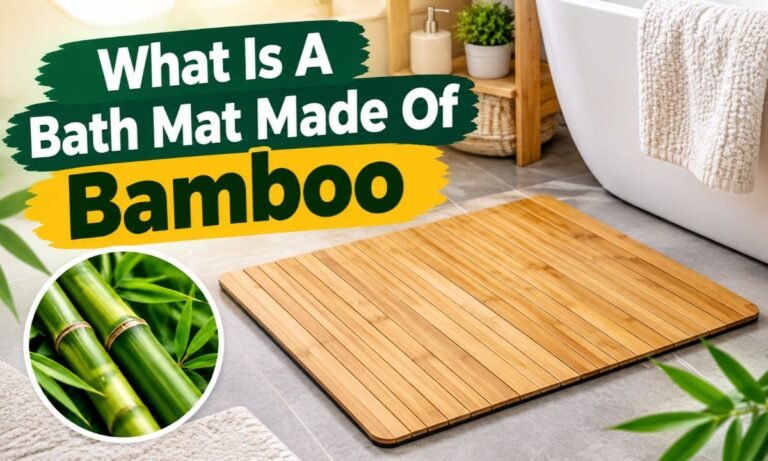
Is a Wooden Bath Mat Better for Hardwood?
A slatted wooden bath mat may let water drain through its gaps and allow more airflow than a thick fabric mat. It can be a useful option when the design is stable and the floor below can dry. However, the water still reaches the floor, so drainage does not remove the need for regular care.
Check the feet or supports beneath the wooden mat. They should not scratch the finish, slide across the floor, or hold wet debris against it. Lift the mat after bathing and dry the area beneath it.
Best use
Consider a wooden mat when you want a firm surface and can dry the floor beneath it after use.
Main limitation
Wooden slats do not absorb water like fabric, and water may drip straight onto the floor.
Can a Bath Mat Damage Engineered Wood?
Yes, a bath mat can contribute to damage if moisture becomes trapped on engineered wood or reaches exposed joints. The risk depends on the product’s construction, surface finish, installation, and moisture exposure. A water-resistant top layer does not mean the whole floor can withstand standing water.
Follow the floor maker’s cleaning and moisture instructions. If the floor is newly installed, confirm that the finish or adhesive has fully cured before placing a mat on it.
Watch for early signs
Look for raised edges, soft spots, color changes, or seams that no longer sit flat.
Can You Put a Bath Mat on Vinyl Flooring?
Yes, you can often use a bath mat on vinyl flooring, but the backing must be compatible with the specific vinyl product. Vinyl flooring includes sheet vinyl, vinyl tile, and luxury vinyl plank. Their surface layers, coatings, adhesives, and installation methods can differ.
Some mats have rubber, latex, or PVC backings that may discolor certain vinyl floors or leave sticky marks. The risk depends on the backing formula and the flooring finish. A mat labeled non-slip is not automatically safe for every vinyl surface.
Check the vinyl floor manufacturer’s instructions for approved rug pads and mat materials. If the instructions do not name the backing, ask the manufacturer before using it for long periods. Do not rely on a short spot test as proof that a material will remain safe over months of use.
Choose a compatible backing
Look for a mat or separate underlay that the flooring maker approves for your exact vinyl floor.
Avoid prolonged dampness
Lift the mat after showers and dry both the floor and the backing before putting it back.
Inspect for marks
Check for yellowing, dark patches, sticky residue, or a change in surface texture.
Is a Rubber-Backed Bath Mat Safe for Vinyl?
Not always. Rubber-backed mats can be safe on some surfaces but may react with some vinyl products. The word rubber can also describe different materials and blends, so the label alone may not tell you enough.
If your floor maker warns against rubber or latex, do not use a mat with that backing. Choose a compatible alternative instead. If the backing material is not listed, contact the maker or choose a product with clear flooring compatibility information.
Safer decision
Use the flooring manufacturer’s approved backing material rather than relying on a generic claim that a mat is safe for vinyl.
Can You Use a Bath Mat on Luxury Vinyl Plank?
Yes, when the mat is approved for the product and the floor remains dry. Luxury vinyl plank often has a wear layer over a printed design, but that does not make the entire installation immune to trapped moisture or chemical reactions.
Pay attention to joints, edges, and areas near the shower. Water that reaches a seam may cause problems beneath the surface, depending on the product and installation. A waterproof product may resist water from above without allowing moisture to remain trapped below a mat.
Good routine
Dry spills promptly, lift the mat each day, and check seams for signs of moisture or movement.
Which Bath Mat Is Best for Wood or Vinyl Floors?
The best bath mat is one that catches drips, stays stable, dries well, and uses a backing approved for your floor. No single material is safest for every wood and vinyl product. Start with the flooring instructions, then compare how each mat handles water and airflow.
Fabric mats can absorb water before it reaches the floor, but a wet mat can hold moisture against the surface. Slatted wood mats allow water to pass through, so the floor below must be able to dry. Thin mats may dry faster than thick ones, but thickness alone does not determine safety.
For a bathroom used by children, older adults, or anyone with balance concerns, stability is also essential. A mat that curls, slides, or bunches can create a trip or slip hazard. Do not solve that problem with an unapproved adhesive or rubber pad that could damage the flooring.
Cotton or other absorbent fabric
Useful for catching water from wet feet. Wash and dry it as directed, and lift it often to check the floor underneath.
Quick-drying microfiber
May dry quickly in a well-ventilated room. Actual drying time depends on mat thickness, water load, airflow, and humidity.
Slatted wooden mat
Allows water to drain through rather than holding it in fabric. It requires a dry, clean floor below and a stable base.
Floor-safe non-slip mat
Can help reduce movement when the backing is approved for the floor. Check the product details instead of assuming all grip materials are compatible.
Quick Comparison of Bath Mat Options
Use this table to compare common mat types. These are general material characteristics, not guarantees for every product; the exact backing and flooring instructions still decide whether a mat is suitable.
Absorbent fabric mat
Best for catching small splashes, provided it is lifted and dried often. Its main drawback is that wet fabric can keep the floor damp.
Microfiber mat
May be easy to dry and wash. Check its backing for compatibility and avoid leaving it wet on the floor.
Wooden slatted mat
Allows drainage and airflow through gaps. Water can still reach the floor, so dry the area after use.
Mat with a separate rug pad
Can improve grip only when the pad is compatible with the floor. An unsuitable pad may stain or mark wood and vinyl.
How to Protect Wood or Vinyl Under a Bath Mat
A simple drying routine does more to protect a bathroom floor than choosing a mat by appearance alone. The key is to prevent standing water, avoid incompatible backing materials, and check the floor regularly. You do not need special equipment for routine care.
Before using a new mat, read both the mat label and the flooring care guide. Check the backing material, washing instructions, and any warnings about vinyl, wood finishes, or moisture. If the instructions conflict or leave a key question unanswered, ask the flooring manufacturer.
Step 1: Clean and dry the floor
Remove dust and grit that could scratch the surface. Make sure the area is dry before placing the mat.
Step 2: Confirm material compatibility
Check the backing and any rug pad against the floor manufacturer’s instructions. Do not use a material that the maker warns against.
Step 3: Place the mat on a flat surface
Keep the mat away from uneven transitions and door edges. Make sure it lies flat and does not curl.
Step 4: Lift the mat after bathing
Hang it over a suitable drying rack or towel bar so air can reach both sides. Do not leave it folded or bunched while wet.
Step 5: Dry the floor beneath it
Wipe away water and let the surface dry before returning the mat. Check seams and edges, especially on wood and plank flooring.
Step 6: Inspect the mat and floor
Look for stains, sticky residue, raised seams, worn backing, curled edges, or a musty smell. Replace the mat or change the setup if these problems appear.
How Often Should You Lift a Bath Mat?
Lift the mat after each shower or bath when possible, especially on wood flooring. This lets trapped moisture escape before it has time to affect the finish or joints. In a humid bathroom, keep the mat hanging until both sides are dry.
If several people use the bathroom each day, the mat may need to dry between uses. A fan or open door can help air move through the room when practical, but ventilation does not replace wiping up standing water.
Daily check
Feel the mat and floor for dampness and inspect the area where water tends to collect.
Weekly care
Wash the mat as directed, clean the floor with an approved method, and check the backing for wear or residue.
What if the Mat Keeps Sliding?
A sliding mat is not safe, even if it protects the floor from drips. First, check whether the floor or mat backing is wet, dirty, or coated with soap residue. Clean both using methods allowed by their makers, then let them dry fully.
If the mat still moves, choose a model designed for your floor type or use a floor-approved grip solution. Avoid improvised tape, adhesive strips, or a generic rubber underlay unless the floor maker confirms they are suitable.
Stop using an unstable mat
Remove it until you can create a stable setup that does not damage the floor.
Warning Signs That a Bath Mat Is Damaging the Floor
Remove the mat if you notice a new stain, sticky film, surface change, swelling, or a persistent damp smell. These signs do not prove the mat caused the problem, but they mean the area needs attention. Continuing to cover the spot can hide changes that are getting worse.
On wood, look for darkened patches, raised board edges, peeling finish, or seams that appear wider than before. On vinyl, look for discoloration, soft or raised areas, adhesive-like residue, or changes in the surface. Document the condition with photos if you need to ask the flooring maker or installer for advice.
Do not try to fix a suspected chemical mark with strong solvents, abrasive pads, or aggressive scraping. These methods can damage the finish or wear layer. Use only a cleaner approved for the floor and seek professional advice if the damage remains.
Persistent dampness
Remove the mat, dry the area, and improve ventilation. Check whether water is coming from a shower edge, toilet seal, or plumbing leak.
Stains or color changes
Stop using the backing that was in contact with the affected area and contact the flooring maker about safe cleaning.
Raised or swollen boards
Do not cover the area and wait for it to improve. Find and stop the moisture source, then ask a flooring professional to assess the damage.
Loose or raised vinyl seams
Keep the area dry and avoid pulling at the edges. An installer can help determine whether moisture or another installation issue caused the change.
Can You Put a Mat Back After the Floor Dries?
You can return a mat after the floor is fully dry if there is no sign of damage and the backing is confirmed compatible. Drying the surface does not reverse swelling, finish failure, or discoloration that has already occurred. Check the affected area before covering it again.
If the floor still smells musty, feels soft, looks raised, or changes color, leave the mat off and find the cause. The issue may involve trapped moisture or a leak that needs repair.
When to get help
Contact a flooring professional if boards remain swollen, seams lift, or discoloration persists after the area is dry.
Common Bath Mat Mistakes to Avoid
The most common mistake is treating a bath mat as a permanent floor covering. A mat is useful for catching drips, but it should not hide standing water or prevent the floor from drying. This matters most in bathrooms with wood, engineered wood, or vinyl plank seams.
Another mistake is assuming that a mat with a strong grip is automatically safe. Some backing materials can mark certain finishes, and some mats become slippery when wet. Choose for both floor compatibility and stable footing.
Leaving a wet mat in place
Lift and dry it after bathing instead of letting moisture sit between the mat and floor.
Ignoring the backing label
Confirm whether the material is suitable for your exact floor. Do not rely only on a broad non-slip or waterproof claim.
Using an unapproved adhesive pad
Adhesives may leave residue or affect the finish. Use a grip product only when the flooring maker allows it.
Covering a leak with a mat
A bath mat cannot fix water entering from a shower, toilet, sink, or pipe. Find and repair the source.
Assuming waterproof means moisture-proof
A water-resistant surface may still have seams, edges, or layers that are vulnerable to trapped moisture.
Does a Waterproof Bath Mat Protect the Floor?
Not by itself. A waterproof mat may keep water from passing through its top layer, but water can spill over the sides or become trapped underneath. If the backing is not compatible with the floor, the mat may create a different problem.
For wood and vinyl, a mat that absorbs small drips and dries quickly may be more useful than a waterproof mat that stays wet underneath. The right choice depends on the room, the amount of water, and the manufacturer’s guidance.
Practical rule
Judge the full setup by drainage, drying, stability, and floor compatibility, not by the word waterproof alone.
A Simple Decision Guide for Your Bathroom
You do not need to guess which bath mat will work. Identify the floor, check the backing, and decide whether you can lift and dry the mat after each use. If any part of the setup is uncertain, confirm compatibility before leaving the mat in place.
If you have solid hardwood
Use a floor-approved mat, keep water off seams, and lift it after bathing. Avoid prolonged moisture and watch for finish changes.
If you have engineered wood
Follow the floor maker’s rules for moisture and backing materials. Keep joints dry and address raised edges or swelling promptly.
If you have sheet vinyl
Confirm that the backing will not discolor the surface. Lift the mat regularly and dry any water underneath.
If you have vinyl tile or luxury vinyl plank
Check the exact product instructions and keep water from collecting at seams or edges.
If the floor type is unknown
Find the product details from the installer, seller, or manufacturer before choosing a backing that stays in contact with the floor.
What a Safe Setup Looks Like
A suitable setup has a flat, stable mat, a compatible backing, no standing water, and enough airflow for drying. The mat should not slide underfoot or curl at the edges. The floor should look and feel the same after the mat is removed.
If you cannot keep the area dry or the mat stays damp between uses, change the routine or use a different mat. A small daily check is easier than repairing damaged flooring later.
Final check
Lift the mat, feel the floor for moisture, inspect seams and edges, and hang the mat to dry before putting it back.
Frequently Asked Questions
Q
Can I leave a bath mat on a wood floor all day?
It is better to lift a bath mat after use, especially if it is damp. Leaving it in place all day can slow drying and trap moisture against the finish or board joints. If you use a mat on wood, make sure the floor is dry before returning it.
Q
Can a bath mat stain vinyl flooring?
Yes, some mat backings can discolor or mark certain vinyl products. The risk depends on the backing material and the flooring surface. Follow the vinyl maker’s compatibility guidance and avoid any material the maker warns against.
Q
Is a cotton bath mat safe for hardwood?
It can be suitable if its backing is compatible and you dry it often. Cotton can absorb drips, but a soaked mat can keep moisture against the wood. Hang it to dry and wipe the floor underneath after bathing.
Q
Should I use a non-slip pad under my bath mat?
Use one only if the flooring manufacturer approves its material. Some grip pads can leave marks or react with certain finishes. If the mat slides and you cannot find an approved pad, choose a mat designed for your floor type and remove it until the setup is stable.
Q
Can I put a bath mat on vinyl plank flooring?
Yes, if the mat and backing are approved for that vinyl product. Keep water from collecting around the plank seams, lift the mat after use, and dry the floor below it. Check the manufacturer’s instructions because vinyl products vary.
Q
What should I do if water gets under my bath mat?
Remove the mat and wipe up the water at once. Let the floor and mat dry fully, then check for stains, swelling, lifted seams, or other changes. If the floor remains damp or shows damage, investigate the source and contact the flooring maker or a qualified installer.
✦ Wrapping Up
Conclusion
You can put a bath mat on wood or vinyl flooring, but the safest choice depends on the floor type, the mat backing, and how well the area dries. A mat should catch water without trapping it or damaging the surface. Check the flooring instructions before using rubber, latex, PVC, or any unfamiliar grip material.
For daily care, lift the mat after bathing, wipe the floor dry, and hang the mat so air can reach both sides. Watch for stains, swelling, lifted seams, or a musty smell. If you spot damage, remove the mat and find the cause before covering the area again.
💡 Key Takeaway
Before using your bath mat, confirm that its backing is safe for your floor, then lift it after every shower and dry the floor underneath.
Learn how to remove mildew smell from a bath rug using washing, deodorizing, and proper drying. Includes tips for rubber-backed rugs and stubborn odors.
Learn what size bath rug fits a standard U.S. tub, how to measure your bathroom, which common sizes work best, and how to avoid door and clearance problems.

One Comment