Wash your bathroom rug according to its care label, remove soap and dirt, and dry it fully before placing it back on the floor.
In American homes, bathroom rugs help keep cold tile floors comfortable and catch water after a shower. But a rug that stays damp can develop a stale, earthy smell that spreads through the bathroom. This often happens in small bathrooms with limited airflow, especially when several people use the same shower each day.
The best way to stop a bathroom rug from smelling musty is to clean it well and make sure it dries all the way through. Spraying air freshener over the smell may hide it for a short time, but it will not remove the moisture, dirt, or residue that caused the odor. A simple routine of washing, drying, and checking the floor underneath can help keep the smell from coming back.
The right cleaning method depends on the rug’s fabric and backing. Cotton and many microfiber rugs may be machine washable, while rubber-backed mats can be damaged by high heat or harsh cleaners. Always check the care label first, and replace a rug that remains musty after proper cleaning or shows signs of damage or mold that cannot be removed safely.
Source: realsimple.com
Why Does a Bathroom Rug Smell Musty?
A musty smell often develops when moisture stays in a rug long enough for microbes to grow or for trapped dirt and residue to break down. Bathroom rugs collect water from wet feet, splashes from the shower, and damp air. Thick fibers and dense backing can hold that moisture long after the top feels dry.
The smell may come from the rug itself, the backing, or the floor underneath. A rug can feel dry on top while its lower fibers remain damp against a cool tile or vinyl floor. If you wash the rug but put it back before it dries fully, the odor may return within a short time.
Musty odor does not prove that mold is present. Damp fabric, accumulated body oils, detergent residue, and other organic material can also cause unpleasant smells. Still, a persistent earthy odor is a good reason to inspect the rug and the surrounding floor for signs of moisture or growth.
Source: i.pinimg.com
Trapped moisture
Water can remain in thick pile, cotton loops, foam padding, or the underside of a rug. Limited airflow makes complete drying harder.
Dirt and residue
Soap, skin oils, dust, and detergent buildup can cling to rug fibers and contribute to unpleasant odors.
Poor ventilation
A bathroom with a weak exhaust fan or little airflow may stay humid long after a shower.
A damp floor or backing
Moisture trapped beneath the rug can keep the material wet and may damage the floor or backing over time.
How to Tell Whether Moisture Is the Main Problem
Lift the rug and feel both sides. If the underside feels cool or damp, moisture may be the main cause. Check whether the floor beneath it feels wet or has a lingering smell of its own.
If the rug smells worse after a shower or develops an odor soon after you put it back, it may not be drying between uses. If the smell remains after the rug is completely dry, dirt, residue, persistent microbial growth, or contamination may need more attention.
Damp underside
Hang the rug to dry and improve airflow before returning it to the floor.
Visible spots or discoloration
Inspect the material and backing. Follow the care label and avoid disturbing suspected mold more than necessary.
Odor from the floor
Clean and dry the floor using a method suitable for its finish, then investigate any recurring moisture.
How to Stop Bathroom Rug From Smelling Musty Step by Step
Start by removing the rug from the bathroom and checking its care label. The label should tell you whether the rug can go in a washing machine, which water temperature is suitable, and whether tumble drying is allowed. If the label is missing, check the manufacturer’s instructions when available.
Do not begin by adding perfume, pouring bleach over the rug, or soaking the entire mat in a strong cleaner. Those methods may damage the material or create a chemical hazard. A careful wash followed by complete drying is usually the best first approach for a washable rug.
Source: i.ytimg.com
Step 1: Take the rug outside the bathroom
Move it to a well-ventilated area. If it is visibly moldy, handle it gently and avoid shaking it, which may spread spores and dust.
Step 2: Check the fabric and backing
Look for loose fibers, cracks, peeling rubber, worn foam, stains, and care instructions. Do not machine-wash a rug unless its construction allows it.
Step 3: Remove loose dirt
Shake or vacuum an ordinary, non-moldy rug as appropriate for its construction. Skip shaking if you suspect mold or if the material could release dust.
Step 4: Wash with a suitable detergent
Use a normal amount of laundry detergent and the water temperature permitted by the care label. Avoid overloading the washer so the rug can move freely.
Step 5: Rinse thoroughly
Follow the washer instructions and the rug’s care requirements. If detergent residue remains and the label permits it, use an additional rinse.
Step 6: Dry the entire rug
Hang it over a sturdy rack or line with space around both sides. Use a dryer only when the care label allows it and at the permitted heat setting.
Step 7: Inspect before returning it
Check the center, corners, seams, and backing. The rug should feel dry throughout and have no lingering musty smell.
How to Know Whether the Cleaning Worked
A successful cleaning leaves the rug free of a stale smell when it is fully dry. The fibers should not feel sticky from detergent, and the backing should remain intact rather than cracked or peeling.
Smell the rug again after it has rested in a dry, well-ventilated place. If the odor returns, do not cover it with fragrance. Check for damp areas, buildup, a contaminated backing, or moisture from the bathroom floor.
Good result
The rug smells neutral, feels dry through its full thickness, and has no visible damage.
Partial result
The surface smells cleaner, but the underside remains damp or develops an odor again. Continue drying and inspect the backing.
Cleaning failure
The musty smell persists after proper washing and full drying, or visible growth returns. Consider replacing the rug and checking for a moisture problem.
Choose the Right Cleaning Method for Your Rug
Bathroom rugs are made from different materials, so one cleaning method will not suit every mat. Cotton loops, microfiber pile, memory foam, and rubber backing respond differently to water, heat, and cleaning products. Read the care label before choosing a wash cycle or drying method.
When the label allows machine washing, a mild detergent and the recommended cycle are a sensible starting point. For a non-washable rug, follow the manufacturer’s spot-cleaning instructions and avoid soaking the backing or padding. If the rug has deep mold growth or a strong odor that does not improve, replacing it may be safer and easier than trying repeated treatments.
Source: tipsbulletin.com
Cotton rugs
Many cotton bath rugs can be machine-washed. Use the label’s water temperature and dry them fully, paying attention to thick loops and seams.
Microfiber rugs
Many are washable, but high heat can damage fibers or backing. Use only the drying method and temperature permitted by the manufacturer.
Memory foam mats
Foam can retain water and may break down under rough washing or high heat. Follow the product instructions and allow enough time for the inner material to dry.
Rubber-backed rugs
Heat, harsh chemicals, and repeated aggressive washing may crack or loosen the backing. Check whether machine washing is allowed and avoid placing a damp rug back on the floor.
Woven or natural-fiber rugs
Some natural fibers shrink, stain, or weaken when soaked. Use the specified cleaning method and seek suitable professional cleaning if the label requires it.
Should You Use Hot Water?
Not always. Hot water may be unsuitable for rubber-backed mats, foam, delicate fibers, and some dyes. Use the temperature shown on the care label rather than assuming that hotter water will remove more odor.
If a rug needs a hotter wash to remove a particular type of soil, confirm that its material can tolerate that temperature. Do not sacrifice the backing or fibers in an attempt to remove a smell.
Follow the label
Use the recommended water temperature, cycle, and drying instructions.
Avoid overloaded loads
A crowded washer may not clean or rinse a thick rug well. Follow the machine’s load guidance and rug instructions.
Can Baking Soda or Vinegar Remove the Musty Smell?
Baking soda and vinegar are common household cleaning options, but neither is a guaranteed fix for a musty bathroom rug. Their usefulness depends on the rug’s material, the source of the odor, and the manufacturer’s care instructions. Cleaning and drying the material properly should come first.
Baking soda may help absorb some odors from a dry, compatible rug, but it does not repair a damaged backing or solve ongoing moisture. Powder can also remain trapped in dense fibers and may be unsuitable for certain foam materials. If you use it, confirm that the rug can tolerate it and remove all residue before returning the rug to use.
Vinegar may help loosen some residue on compatible washable materials, but it should not be treated as a reliable solution for mold inside a rug. Acidic cleaners may affect dyes, finishes, or backing. Never combine vinegar with bleach or products that contain bleach, because the mixture can release hazardous chlorine gas.
Source: i.pinimg.com
A Careful Approach to Baking Soda
If the care instructions permit dry powder cleaning, test a small, hidden area first. Apply only a light amount to a completely dry rug, leave it for a limited period if appropriate for the material, and vacuum it up thoroughly.
Do not use this method on a wet rug or assume that powder has removed the underlying cause. If the smell comes from a damp backing, trapped moisture, or visible mold, address that problem instead.
Use only on suitable materials
Avoid powder treatments when the manufacturer warns against them or when residue could damage the pile or foam.
Remove all residue
Vacuum carefully before use, where vacuuming is appropriate, and do not leave loose powder in the fibers.
Why You Should Never Mix Cleaning Products
Never mix bleach with vinegar, ammonia, toilet cleaner, or other household cleaning products. Some combinations can release toxic gases or cause dangerous reactions. Use one product at a time, follow its label, and rinse as directed before considering another product.
Do not add disinfectants, essential oils, or strong fragrance products to laundry unless the rug manufacturer and product labels permit that use. A pleasant scent does not prove that the rug is clean or dry.
Read both labels
Check the rug care instructions and the cleaner’s directions before applying any product.
Ventilate the area
Use suitable ventilation during cleaning and leave the room if strong fumes or irritation occur.
Dry Your Bathroom Rug Faster and More Completely
Complete drying is one of the most useful ways to prevent a musty smell from returning. A clean rug can become smelly again if its thick center or backing stays damp. Give the rug enough space for air to reach both sides instead of leaving it folded over a small hook or bunched in a corner.
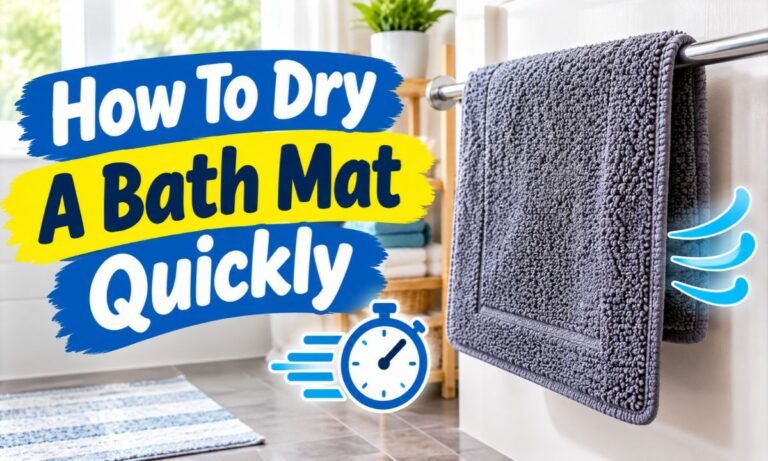
After a shower, hang the rug over a sturdy rack or shower bar if its weight will not damage the fixture. Spread it out so air can reach the pile and backing. If the care label permits, turn it over partway through drying to expose the underside.
A bathroom exhaust fan can help remove humid air, especially when it runs during showers and afterward according to the fan manufacturer’s instructions. If the room remains damp, improve airflow where practical and consider whether the fan is working properly. A fan that moves little air may need cleaning or professional attention.
Source: i.pinimg.com
Hang the rug after use
Lift it off the floor so moisture does not remain trapped underneath. Avoid folding thick rugs tightly over themselves.
Keep air moving
Use a suitable fan or ventilation system when practical. Keep electrical equipment away from splashes and wet surfaces.
Reduce bathroom humidity
Use the exhaust fan during showers and afterward, and open a window or door when conditions allow.
Dry both sides
Check the pile, center, seams, and backing rather than relying on the feel of the top surface.
Avoid damp storage
Never put a wet rug in a laundry basket, closet, or closed container where moisture and odor can build up.
How Long Should a Bathroom Rug Take to Dry?
There is no single drying time for every rug. A thin cotton mat in a dry, airy room may dry much sooner than a thick memory foam mat in a humid bathroom. Fabric thickness, backing, room temperature, airflow, and how wet the rug became all affect the result.
Use dryness rather than a fixed number of hours as your guide. If the center or underside still feels damp, keep drying it. If a rug repeatedly stays wet for a long time, choose a more open drying spot, improve ventilation, or consider a thinner rug that suits your bathroom.
Thin rugs
These often dry more readily when hung with space around them, but still need a full check before use.
Thick or foam-filled rugs
These can hold water in the center. Allow extra drying time and follow the manufacturer’s instructions.
Humid bathrooms
Poor airflow can slow drying even when the rug feels dry at the edges. Move it to a better-ventilated area if needed.
Clean the Floor Under the Rug
If a bathroom rug smells musty even after washing, inspect the floor underneath it. Water can collect between the rug and the floor, especially when the mat has a dense or non-breathable backing. Dust, soap residue, and moisture on the floor can also contribute to a stale smell.
Move the rug away and inspect the entire area, including corners and edges. Clean the floor with a product suited to the surface, then dry it completely before putting the rug back. A method that works on ceramic tile may damage wood, laminate, or some vinyl finishes, so check the flooring manufacturer’s care instructions.
Pay close attention to wood and laminate floors. Persistent dampness can damage seams, cause swelling, or affect finishes. If you notice discoloration, soft spots, lifting, or a smell that seems to come from beneath the floor, do not cover it with the rug. Investigate the moisture source and seek qualified help if the damage appears extensive.
Source: tipsbulletin.com
Check for wet patches
Look for water trapped near the shower, toilet, sink, or wall. Dry small surface spills promptly.
Inspect the backing
Look for dark spots, peeling material, sticky areas, or a smell that remains after washing and drying.
Clean with a compatible product
Use only a cleaner approved for the floor finish and follow the label directions.
Investigate recurring moisture
A repeated wet patch may point to splashing, a plumbing leak, poor sealing, or another moisture source.
What If the Floor Still Smells Musty?
If the odor remains after the floor has been cleaned and dried, the source may be outside the rug. Check nearby plumbing, the shower enclosure, the toilet base, and areas where water can collect. Do not assume that a fragrance spray or a new mat will solve a smell that keeps returning.
If you see persistent mold, water damage, soft flooring, or signs of a leak, address the moisture source before replacing the rug. For extensive mold, recurring water damage, or problems inside walls or under flooring, consider a qualified remediation or building professional.
Surface odor only
Clean and dry the compatible floor surface, then monitor whether the smell returns.
Recurring wetness
Look for a plumbing or shower leak and arrange repairs when needed.
Widespread or hidden damage
Avoid disturbing affected materials and seek suitable professional advice.
Prevent Musty Bathroom Rug Odors From Coming Back
A small routine after each shower can prevent much of the moisture that causes musty smells. Lift the rug, let water drain away, and hang the mat where air can reach both sides. This simple habit is especially useful in bathrooms used by several people throughout the day.
Wash the rug on a schedule that matches how often it gets wet and dirty. A bath mat used daily by a family may need cleaning more often than one in a guest bathroom. There is no universal washing interval for every home, so use odor, visible dirt, dampness, and the care label to guide your routine.
Keep the bathroom and the rug dry between uses. Do not leave wet towels on top of the mat, and avoid storing spare rugs in damp closets. If your bathroom is small or has limited ventilation, rotating between two washable rugs may give each one more time to dry fully.
Source: i.pinimg.com
Hang it after showers
Do not leave the mat flat on a wet floor. Give the underside a chance to dry.
Wash it when needed
Clean the rug when it becomes dirty, develops an odor, or reaches the interval recommended by its manufacturer.
Use a thinner rug when practical
A less bulky mat may dry more readily in a humid room, provided it suits the floor and intended use.
Keep towels separate
Do not pile damp towels or clothing on the rug, as they can slow drying.
Check ventilation
Make sure the exhaust fan operates and that air can circulate through the room.
Store spare rugs dry
Wait until a rug is fully dry before folding and storing it in a closet or drawer.
Should You Rotate Between Two Bathroom Rugs?
Rotating two washable rugs can help when one mat cannot dry fully between showers. Use one while the other dries in a well-ventilated place, and wash each when needed. This approach can be useful in homes with busy bathrooms or limited space for hanging a large rug.
A second rug will not solve a leak, poor ventilation, or a persistently damp floor. Fix the moisture problem first, and choose mats that are safe for your flooring and suitable for the available drying space.
Best reason to rotate
The bathroom is used often, and a single rug stays damp between uses.
What to avoid
Do not store the spare mat while it is damp or use rotation as a substitute for washing.
Common Mistakes That Make Musty Smells Worse
A musty rug can be frustrating, especially when it smells clean right after washing and then becomes unpleasant again. The most common mistake is treating the odor without removing its cause. Fragrance, powder, or a quick surface wipe may hide the smell while moisture remains trapped in the rug.
Another mistake is using too much detergent or a cleaner that the material cannot tolerate. Excess residue may remain in the fibers, while high heat can damage foam or rubber backing. Follow the care instructions and focus on thorough rinsing and drying rather than adding more products.
Source: cdn.shopify.com
Putting a damp rug back on the floor
This traps moisture beneath the backing and may allow the odor to return. Wait until the entire rug is dry.
Using air freshener as the main fix
Fragrance can mask odor without removing soil, dampness, or contamination.
Overusing laundry detergent
Excess soap can leave residue. Use the recommended amount and rinse as the care label permits.
Applying too much heat
A dryer or heater can damage backing and foam when the rug is not designed for that method.
Mixing cleaners
Combining bleach, vinegar, ammonia, or other cleaning products can create hazardous reactions.
Ignoring the floor beneath the rug
A damp or damaged floor can keep the rug smelling musty even after repeated washing.
Keeping a damaged mat for too long
Cracked backing, persistent odor, and contamination that does not respond to proper cleaning may mean the rug needs replacing.
When Should You Replace a Musty Bathroom Rug?
Consider replacing the rug if the smell persists after suitable cleaning and complete drying, if visible growth returns, or if the backing is cracked, peeling, or breaking apart. A rug that cannot be cleaned according to its care instructions may not be worth repeated treatment.
Replace a mat sooner if it creates a slipping hazard or if the material is deteriorating. If mold appears extensive or seems to extend into the floor, wall, or other building materials, replacing the rug alone may not address the problem.
Persistent odor
The rug still smells musty after appropriate cleaning and full drying.
Visible or recurring growth
Spots return or appear to extend into a backing or padding that cannot be cleaned safely.
Damaged construction
The backing peels, the foam breaks down, or the mat no longer lies flat and securely.
When a Musty Bathroom Rug May Signal a Bigger Problem
A musty smell that returns quickly can be a clue that the bathroom itself is staying wet. Look for recurring puddles, damp baseboards, peeling paint, discolored grout, swollen flooring, or a persistent smell near plumbing fixtures. These signs do not identify the cause by themselves, but they justify a closer check.
If the rug is visibly moldy, avoid shaking it or brushing growth into the air. A small, washable item may be manageable under its care instructions when contamination is limited, but porous materials with deep or persistent growth can be difficult to clean completely. People with asthma, allergies, immune conditions, or other health concerns may need to avoid handling moldy items and seek suitable advice.
Do not cover a suspected leak or damaged area with a new rug. Find and correct the moisture source first. For extensive mold, hidden water damage, recurring leaks, or materials that may be contaminated beneath the floor, consult a qualified professional who can assess the problem and recommend the right repair.
Source: i.ytimg.com
Recurring moisture
Check for leaks, shower splashes, blocked drainage, or inadequate ventilation.
Changes to flooring or walls
Swelling, soft spots, peeling finishes, or widespread discoloration may indicate damage that needs further assessment.
Extensive mold or persistent growth
Avoid disturbing the affected material and seek professional guidance when the problem is widespread or hidden.
Frequently Asked Questions
Q
Why does my bathroom rug smell musty even after washing?
The rug may still be damp inside, contain detergent residue, or have odor trapped in its backing. The floor beneath it may also be wet or contaminated. Let the rug dry fully, inspect both sides, clean the floor with a compatible product, and check whether the odor returns.
If proper washing and complete drying do not solve the problem, the material may be damaged or contaminated beyond what ordinary home cleaning can address. Consider replacing the rug and investigating persistent moisture.
Q
How often should I wash my bathroom rug?
The best interval depends on how often the bathroom is used, how wet the rug gets, the material, and the manufacturer’s care instructions. A mat used every day by several people may need more frequent washing than one in a guest bathroom.
Wash it when it becomes dirty or develops an odor, and do not wait for a strong smell before cleaning it. Hang it to dry between uses so moisture does not build up.
Q
Can I use vinegar to get rid of a musty bath mat smell?
Vinegar may help with some residue on compatible materials, but it is not a guaranteed treatment for mold or a damp backing. Check the care label and test material compatibility before use.
Never mix vinegar with bleach or a cleaner that contains bleach. If the smell comes from trapped moisture, improve drying and address the source instead of relying on a cleaning solution.
Q
Can I put my bathroom rug in the dryer?
Only use a dryer if the rug’s care label permits it. Some cotton rugs tolerate tumble drying, while foam-filled or rubber-backed mats may be damaged by heat or tumbling.
If the rug cannot go in the dryer, hang it over a sturdy rack in a well-ventilated area. Make sure the underside and center are fully dry before placing it back on the floor.
Q
Does a musty bathroom rug always mean there is mold?
No. Damp fibers, trapped dirt, detergent residue, and other organic material can cause a stale smell without visible mold. However, ongoing moisture can support mold growth, so inspect the rug, backing, and floor when an odor persists.
If you find extensive growth, recurring mold, or signs of water damage, avoid disturbing the affected material and seek appropriate professional help.
Q
How can I keep a bathroom rug from smelling musty in a small bathroom?
Hang the rug after each shower, use the exhaust fan during and after bathing, and give the mat enough space to dry on both sides. If possible, open a door or window when practical and safe to improve airflow.
A thinner, washable rug may dry more readily than a thick foam mat in a humid room. If the bathroom stays damp despite these steps, check whether the ventilation system is working properly and look for leaks or other sources of moisture.
Q
Should I throw away a bathroom rug that smells musty?
Not necessarily. If the rug is washable, has no significant damage, and the odor disappears after proper cleaning and complete drying, you may be able to keep using it.
Replace it if the odor persists, visible growth returns, the backing deteriorates, or the mat becomes unsafe to use. If the smell also comes from the floor or surrounding area, address that problem before putting down a replacement.
✦ Wrapping Up
Conclusion
The most reliable way to stop a bathroom rug from smelling musty is to remove the source of the odor and prevent moisture from staying trapped in the material. Wash the rug according to its care label, rinse it properly, and dry both sides before returning it to the floor. Avoid using fragrance as a substitute for cleaning and never mix household cleaning products.
If the smell keeps coming back, inspect the backing and the floor underneath. Improve bathroom ventilation, hang the rug between uses, and wash it when it becomes dirty or develops an odor. Persistent mold, damaged backing, recurring dampness, or signs of a leak may call for a replacement rug or professional help.
💡 Key Takeaway
Today, lift your bathroom rug, check the underside and floor, wash it using the approved method, and hang it in a well-ventilated place until it is completely dry.
Do rubber backed bath mats slip when wet? Learn why they can move, what affects grip, how to test your mat, and how to reduce slipping in a U.S. bathroom.













2 Comments