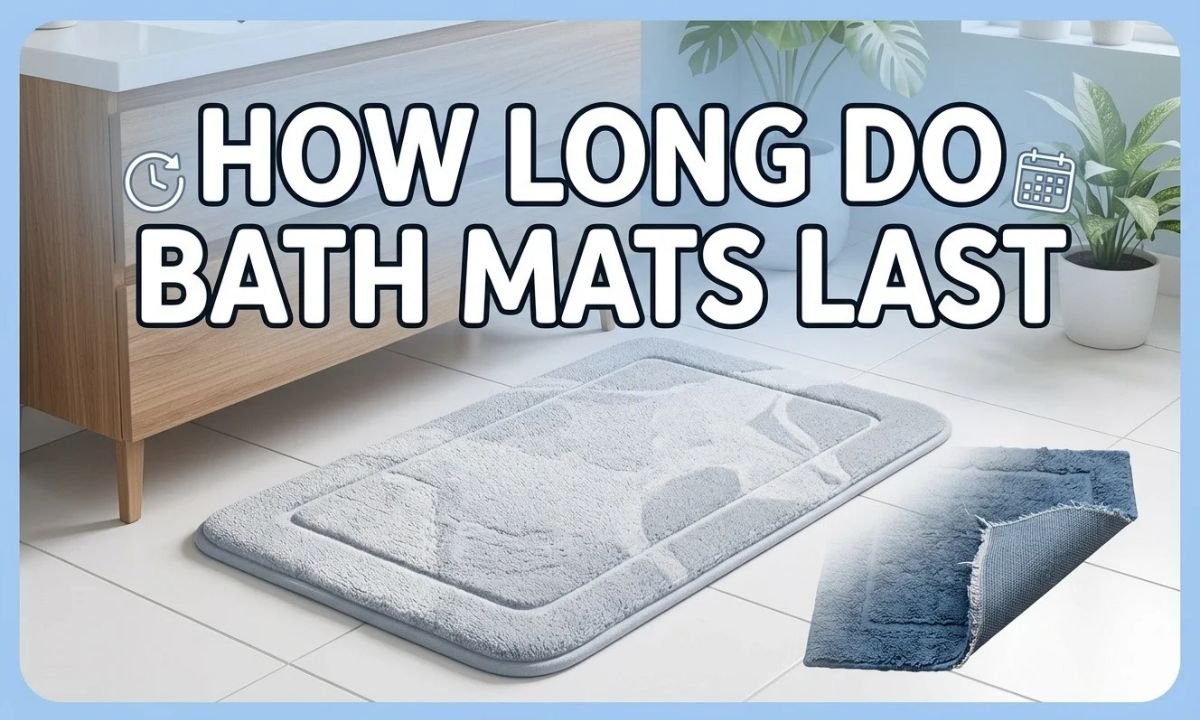
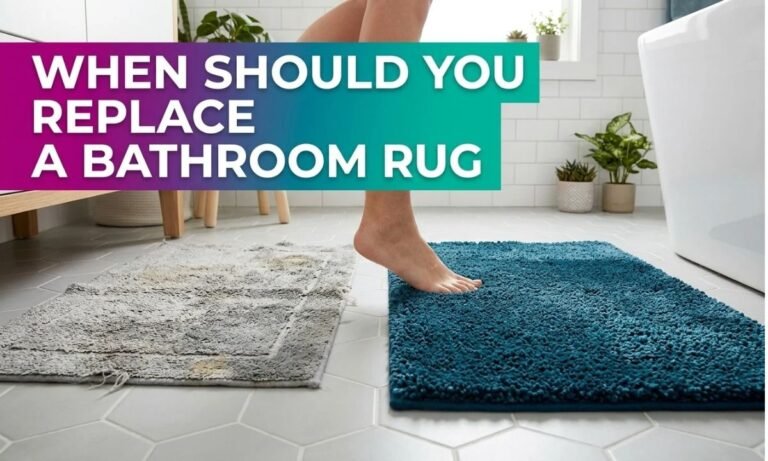
Most fabric bath mats last about 1 to 3 years with regular care, while some stone mats can last longer if kept dry and handled well.
In American homes, a bath mat may get used several times a day by family members who shower before work, bathe after a workout, or get ready for school. All that foot traffic, along with water and soap, can wear down the mat over time. How long it lasts depends on its material, how often it gets wet, how well it dries, and how you clean it.
A cotton mat in a busy family bathroom may wear out sooner than a mat in a guest bathroom that sees little use. A plush microfiber mat may lose its softness or grip, while a stone bath mat may remain firm but develop cracks or a rough surface. There is no single replacement date that fits every home, so the best approach is to use typical lifespans as a guide and check the mat for clear signs of wear.
Regular washing, good airflow, and proper drying can help extend a bath mat’s useful life. Still, cleaning cannot restore worn fibers, repair a damaged backing, or make a cracked stone mat safe. This guide explains how long different bath mats tend to last, what shortens their lifespan, how to care for them, and when it makes more sense to replace one.
Source: vanish.co.in
How Long Do Bath Mats Last on Average?
Most fabric bath mats last about 1 to 3 years under regular household use. This is a practical estimate rather than a guaranteed service life or a result established by one standard test. Some mats wear out sooner, while well-made mats in dry, lightly used bathrooms may remain useful for longer.
The most useful way to judge lifespan is to consider the material and the conditions in which the mat is used. A mat outside a frequently used shower faces more water, foot traffic, and repeated washing than one in a guest bathroom. A mat that stays damp between showers may also develop odors or material damage earlier.
Rather than replacing a mat just because it has reached a certain age, look at its condition. If it still absorbs water, dries properly, stays flat, and has a secure backing, it may remain useful. If it smells musty after washing, has damaged fibers, or slips on the floor, replacement may be the better choice.
Source: towelsupercenter.com
Light use
A mat in a guest bathroom may last longer because it receives less foot traffic, fewer wet uses, and fewer wash cycles.
Daily family use
A mat used by several people each day may wear out sooner due to repeated soaking, pressure, washing, and drying.
Poor drying conditions
A mat left damp on a bathroom floor can develop persistent odors and may deteriorate faster, especially when airflow is limited.
Good maintenance
Regular cleaning, full drying, and prompt attention to loose edges or damaged backing can help extend useful life.
Is a Two-Year-Old Bath Mat Too Old?
Not necessarily. A two-year-old bath mat can still be suitable if it is clean, dries well, lies flat, and has no signs of damage. Age alone does not tell you whether a mat is safe or hygienic.
However, a mat used every day by several people may be worn out by that point. Check its backing, edges, fibers, and smell. If it no longer performs its main job, replace it rather than trying to extend its life indefinitely.
Keep it
The mat remains absorbent, has no persistent odor, lies flat, and stays securely in place.
Replace it
The mat has a failing grip, damaged backing, persistent musty odor, or material damage that affects its use.
Bath Mat Lifespan by Material
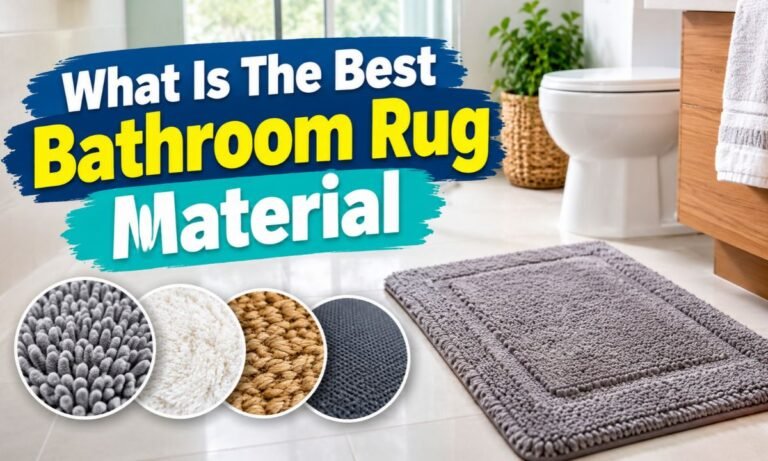
The material has a major effect on how long a bath mat lasts. Cotton, microfiber, chenille, rubber-backed fabric, and diatomaceous earth mats respond differently to water, friction, washing, and everyday use. The estimates below are broad planning ranges, not manufacturer guarantees or results from a controlled durability study.
When comparing materials, consider more than softness or appearance. A mat must also absorb water or dry quickly, remain stable underfoot, and tolerate the care routine you can realistically maintain. A cheaper mat that needs frequent replacement may cost more over time than a durable mat that suits your bathroom.
Source: miracle-custom.com
Cotton bath mats
A practical estimate is about 1 to 3 years. Cotton absorbs water well and can often be machine-washed, but repeated laundering, friction, and poor drying may lead to thinning, fraying, or loss of shape.
Microfiber bath mats
A practical estimate is about 1 to 3 years. Microfiber can feel soft and dry relatively quickly, but frequent use and washing may flatten the pile or damage the backing.
Chenille bath mats
A practical estimate is about 1 to 3 years. The raised fibers feel plush underfoot, but the tufts may flatten, loosen, or collect debris. Care instructions and backing quality affect how long the mat remains useful.
Rubber-backed fabric mats
A practical estimate is about 1 to 3 years, depending heavily on backing quality. The fabric may look fine even when the rubber or latex layer starts cracking, peeling, or losing its grip.
Diatomaceous earth or stone-style mats
Some can remain useful for several years with careful handling, but there is no universal lifespan. These rigid mats may crack, chip, or become less effective as the surface wears or becomes clogged.
Wooden or bamboo bath mats
A well-maintained wooden mat may last several years, depending on construction, finish, and moisture exposure. Persistent dampness, splitting, loose joints, or surface damage can shorten its useful life.
Which Material Usually Lasts the Longest?
Rigid stone-style and wooden mats may last longer than some fabric mats because they do not have plush fibers that flatten with repeated use. However, they have different weaknesses. Stone can crack or chip, while wood can warp or deteriorate when moisture remains trapped around joints or underneath the mat.
Fabric mats offer a different benefit: many can be washed in a household washing machine, provided the care label permits it. Their lifespan depends on how well the fibers and backing handle that routine. The longest-lasting choice is the one that suits your bathroom conditions and can be maintained without damaging it.
Choose fabric for softness
Cotton and microfiber suit people who prefer a soft surface and want a mat that can often be washed.
Consider stone for quick surface drying
A stone-style mat may suit a bathroom with a firm, level floor, but inspect it for cracks and follow the care instructions.
Consider wood for a firm platform
A wooden mat can work well when its design allows drainage and it can dry fully between uses.
What Makes a Bath Mat Wear Out Faster?
Moisture, frequent foot traffic, harsh cleaning, and a poor-quality backing can shorten a bath mat’s useful life. Even a thick, soft mat may deteriorate quickly if it stays wet for hours every day. The main goal is to limit unnecessary wear while keeping the mat clean and safe to use.
Bathroom conditions matter as much as the product itself. A bathroom with an exhaust fan, an open space for drying, and a washable mat may be easier to maintain than a small bathroom where the mat remains pressed against a damp floor. The same mat can therefore last for different lengths of time in different homes.
Source: storage.googleapis.com
Constant moisture
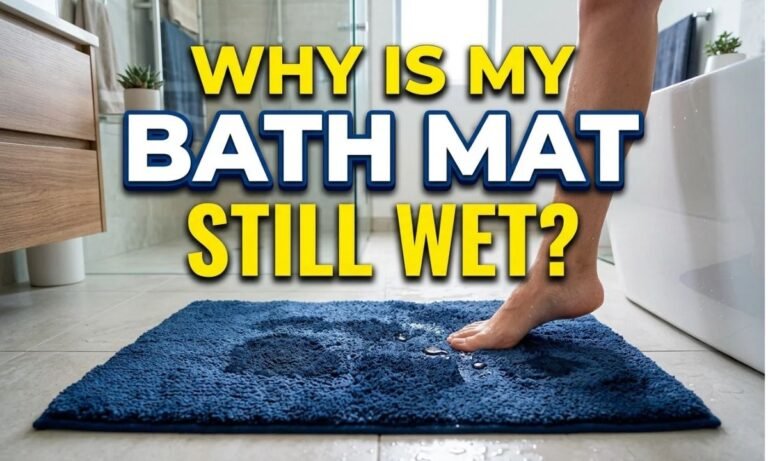
A mat that never dries fully may develop a musty smell, and damp conditions can encourage microbial growth. Lift the mat after use and let both sides dry when the care instructions allow.
Heavy foot traffic
Repeated pressure can flatten the pile and wear down fibers, seams, and backing. A shared bathroom usually puts more strain on a mat than a guest bathroom.
Frequent washing
Washing removes soil and body oils, but repeated cycles also create friction. Use the care-label settings rather than assuming hot water or a strong cycle is always better.
High heat
A hot dryer can damage some synthetic fibers, adhesives, rubber, or latex backing. Air-dry the mat when required by its care label.
Harsh chemicals
Bleach and strong cleaners may fade fabric, weaken fibers, or damage a backing. Use only cleaning products that are suitable for the material.
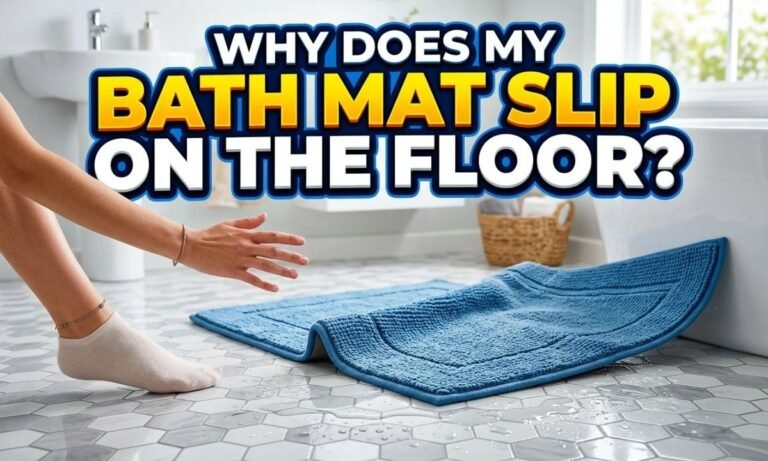
Poor floor contact
A curled edge, uneven backing, or damaged underside may cause the mat to shift. This can create a trip or slip hazard even when the top still looks new.
Does a Humid Bathroom Shorten Bath Mat Life?
It can. In a humid bathroom, moisture evaporates more slowly, so a thick fabric mat may stay damp long after someone has showered. Poor airflow can also make it harder for the underside to dry.
Use the bathroom exhaust fan during and after showers according to its instructions, and leave the mat in a position where air can reach both sides. If the room remains damp, consider a mat that dries more easily or use a second washable mat while the first one dries.
Improve airflow
Use a working exhaust fan or open a suitable window when practical to help remove moisture from the room.
Lift the mat
Do not leave a wet fabric mat pressed against the floor for long periods. Hang it over a suitable rack if the design allows.
Check the underside
Feel beneath the mat to see whether the backing or floor is still damp before putting it back in place.
Seven Signs Your Bath Mat Needs Replacing
Replace a bath mat when wear affects cleanliness, drying, comfort, or grip. You do not need to wait until the mat falls apart. A mat can look acceptable from above while its underside has begun to crack or lose traction.
Inspect the entire mat, including the edges and backing. If the mat has a persistent odor or visible damage, washing may not be enough to restore it. Safety problems deserve particular attention because a loose mat can move underfoot when someone steps out of a shower.
Source: storage.googleapis.com
1. A persistent musty smell
If the mat still smells musty after appropriate washing and complete drying, odor may be trapped in the fibers or backing. Replace it if the smell keeps returning or you cannot clean it properly.
2. Visible mold or mildew
Dark spots may have several causes, and appearance alone cannot confirm what they are. If you suspect mold, follow the material’s cleaning guidance. Replace the mat if contamination cannot be removed safely or it remains affected after cleaning.
3. Damaged non-slip backing
Cracking, peeling, flaking, or hardened backing can reduce traction. Replace the mat if it shifts or no longer grips the floor as intended.
4. Frayed edges or loose fibers
Loose threads and torn seams can spread with continued use. They may also catch toes or create uneven areas that make the mat harder to use safely.
5. Poor water absorption
If a fabric mat no longer absorbs water as it once did, it may have accumulated residue or suffered fiber damage. Try an appropriate wash first, but replace it if performance does not improve.
6. Flattened or uneven padding
A mat that has lost its pile or cushioning may feel uncomfortable and may not dry as well. Uneven areas can also cause the mat to bunch or create a tripping point.
7. Cracks or chips in a rigid mat
A cracked stone mat or a wooden mat with sharp splinters, loose joints, or unstable sections should be taken out of use. Repair is appropriate only when the maker provides a suitable method and the result remains safe.
Can You Save a Bath Mat That Smells Bad?
Sometimes. A mild odor may come from trapped moisture, soap residue, or body oils. If the care label allows machine washing, wash the mat with a suitable detergent and dry it fully before using it again.
If the odor returns quickly, inspect the backing and the floor beneath the mat. Persistent dampness may be the source of the problem. If the mat remains musty after proper cleaning and drying, replacement is a sensible choice rather than repeatedly masking the smell with fragrance.
Wash according to the label
Use the recommended detergent, water temperature, and wash cycle for the material.
Dry both sides
Allow the mat and its backing to dry fully before placing it back on the floor.
Avoid mixing cleaners
Never mix bleach with ammonia, acids, vinegar, or other cleaning products. Dangerous fumes can result from some combinations.
How Often Should You Wash a Bath Mat?
Wash a bath mat often enough to remove moisture, dirt, body oils, and soap residue, but use the care label to set the method. A practical starting point for a frequently used household bath mat is about once a week, with more frequent washing when it becomes visibly dirty, smells unpleasant, or is shared by several people.
That weekly interval is a general household guideline, not a universal rule for every material or bathroom. A lightly used guest-bath mat may need less frequent washing, while a mat that becomes soaked every day may need more attention. Drying between uses remains important even when you wash regularly.
Source: www.nytimes.com
Before washing
Shake off loose hair and debris, check the care label, and inspect the backing for cracks or peeling.
During washing
Use a suitable cycle and detergent. Do not overload the machine, and avoid combining the mat with items that may damage it or prevent proper cleaning.
After washing
Dry the mat according to the label. Do not put a mat with heat-sensitive backing into a hot dryer unless the manufacturer permits it.
Between washes
Hang or lift the mat to let it dry fully. Clean the floor beneath it as part of your normal bathroom routine.
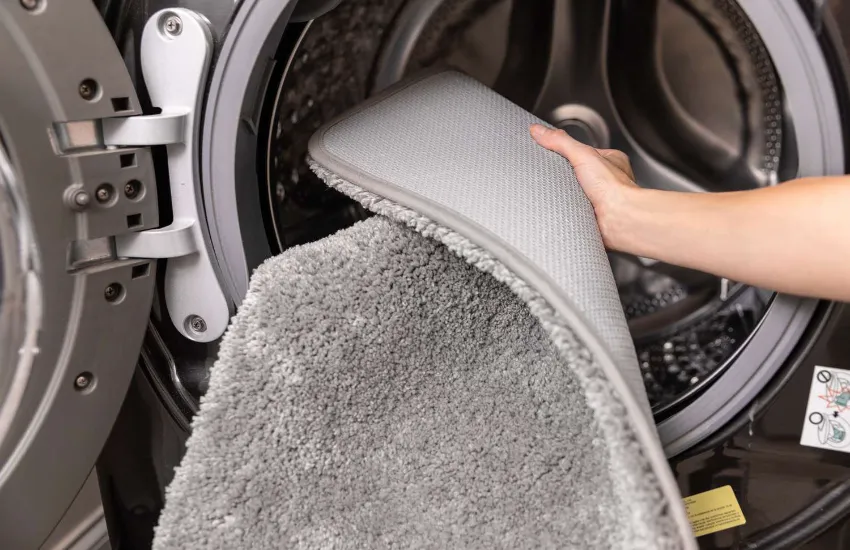
Can You Put a Bath Mat in the Washing Machine?
Many cotton and microfiber bath mats are machine-washable, but not all are. Rubber–backed mats may crack, peel, or break down under high heat or an unsuitable wash cycle. Stone, bamboo, and other rigid mats generally need a different care method.
Read the product label before washing. If the label is missing, check the manufacturer’s care instructions for the specific material and construction. Do not assume that a mat is machine-safe just because its top layer looks like ordinary fabric.
Cotton and many microfiber mats
These are often washable, subject to the manufacturer’s temperature and cycle instructions.
Rubber-backed mats
Check whether machine washing is allowed and avoid heat that could damage the backing.
Stone-style mats
Follow the manufacturer’s instructions for surface cleaning, drying, and restoring absorbency if applicable.
Wood or bamboo mats
Wipe them with an approved cleaner and let them dry well. Avoid soaking them unless the maker specifically permits it.
How to Make Your Bath Mat Last Longer
The best way to extend a bath mat’s life is to control moisture, clean it gently, and protect its backing. Small habits can reduce unnecessary wear without adding much work to your routine. The key is to keep the mat clean and dry while avoiding care methods that damage the material.
A good routine starts as soon as someone steps off the shower floor. Instead of leaving the mat wet on the bathroom floor, give it room to dry. Pair that habit with regular washing and quick checks for wear, and you may be able to use the mat for longer before replacing it.
Source: customizedlogomats.com
1. Let it dry after use
Lift or hang the mat so air can reach the underside. If the material must remain flat, follow the manufacturer’s drying instructions and make sure the floor beneath it is dry.
2. Use the right wash settings
Check the label before selecting a water temperature, cycle, or drying method. Gentle care can help protect fibers, seams, and backing.
3. Clean up spills quickly
Remove excess water and soap instead of allowing them to soak into the mat. Prompt cleanup helps keep the mat and floor cleaner.
4. Avoid harsh chemicals
Use a suitable detergent or approved cleaner. Strong chemicals may weaken the mat or leave residues that affect its surface.
5. Rotate mats when practical
If you have two suitable mats, alternate them so each has time to dry fully. This can reduce constant moisture exposure, though it will not prevent normal wear.
6. Keep the floor beneath it clean
Lift the mat regularly to clean and dry the floor. This also lets you spot dampness, residue, or damage that would otherwise remain hidden.
7. Inspect the backing and edges
Check for cracking, peeling, fraying, curling, or loose sections. Early checks help you identify a safety problem before the mat begins to shift underfoot.
A Simple Weekly Bath Mat Care Routine
A short weekly check can help you catch problems before they become serious. Shake off loose debris, inspect the backing, and wash the mat if it is due for cleaning or has become dirty. Once it is clean, let it dry fully before returning it to the floor.
During the week, lift the mat after showers and check whether moisture has collected underneath. If the mat repeatedly remains wet, improve airflow or consider a design that suits the room better. This routine helps you decide when cleaning is enough and when replacement is needed.
Check
Look for odor, visible spots, frayed fibers, curled edges, and backing damage.
Clean
Wash or wipe the mat according to its material and care instructions.
Dry
Allow the mat to dry fully before putting it back into use.
Decide
Keep it if it remains clean, absorbent, intact, and stable. Replace it if a problem cannot be corrected.
Are Stone Bath Mats More Durable Than Fabric Mats?
Stone bath mats can last for several years in suitable conditions, but they are not automatically more durable in every bathroom. Their rigid surface does not develop flattened fabric pile, and some designs absorb surface moisture and dry quickly. However, they may crack, chip, or lose performance if they are dropped, used on an unsuitable floor, or neglected.
Fabric mats are softer and may be easier to wash, while stone mats offer a firm surface that can be wiped or maintained according to the maker’s instructions. The better option depends on the floor, the people using the bathroom, and the type of maintenance you prefer.
Stone mats also need a level, stable place to rest. A chipped edge or cracked surface may become uncomfortable or unsafe, and a rigid mat may slide if it lacks a suitable grip underneath. Inspect the surface and underside regularly rather than assuming a stone mat will last indefinitely.
Source: kalhoof.com
Benefits of stone-style mats
They have no plush fibers to flatten and may dry quickly at the surface when used and maintained as intended.
Limits of stone-style mats
They can crack or chip, and their performance depends on the material, surface condition, and care instructions.
Benefits of fabric mats
Many provide a softer feel, absorb water, and can be machine-washed when the label allows.
Limits of fabric mats
They can remain damp, flatten, fray, and suffer backing damage over repeated use.
How Do You Know When to Replace a Stone Bath Mat?
Replace a stone bath mat when it develops cracks, unstable sections, sharp chips, or damage that affects its grip or use. If its surface becomes less absorbent, check the manufacturer’s instructions before trying to restore it. Some products allow specific cleaning or surface-refreshing methods, while others may not.
Do not keep using a cracked mat simply because the damage looks small. Remove it from service if the surface or underside makes it unstable, and replace it if an approved repair cannot restore safe use.
Inspect the surface
Look for cracks, deep chips, sharp edges, or unusual changes in texture.
Check the underside
Make sure the mat rests evenly and that any grip layer remains intact.
Follow product guidance
Use only cleaning or maintenance methods approved for the exact mat material.
When Should You Replace a Bath Mat Instead of Cleaning It?
Replace a bath mat when cleaning no longer restores its condition or when damage affects safety. A worn mat may still look acceptable, but its backing, seams, or ability to absorb water can deteriorate beneath the surface. Cleaning removes dirt and some residue; it does not rebuild broken fibers or restore a failed non-slip layer.
A simple decision process can help. First, check whether the mat is damaged or unsafe. If it is, stop using it. If it is intact but dirty or smelly, clean it according to its care label and let it dry fully before deciding whether the problem has been resolved.
Keep and clean
The mat is intact, lies flat, absorbs water as expected, and has no persistent odor or visible damage.
Clean and reassess
The mat is dirty or has a mild odor but no structural damage. Wash or clean it using an approved method, then inspect it again when dry.
Replace now
The mat slips, has a failed backing, remains musty after proper cleaning, has contamination that cannot be removed safely, or has significant tears, cracks, or unstable sections.
Does an Old Bath Mat Need to Be Thrown Away?
No. A mat does not need to be discarded simply because it is old. If it remains clean, dries well, has a secure backing, and works as intended, continued use may be reasonable.
However, do not let its age or purchase price outweigh a clear safety concern. If the mat has a worn grip or damaged structure, replacing it is more sensible than trying to get a few more months out of it.
Age is a guide
Use the estimated lifespan to remind you to inspect the mat, not as an automatic disposal deadline.
Condition decides
A clean, stable mat may remain useful beyond a typical estimate, while a damaged mat may need early replacement.
How Much Does Bath Mat Replacement Cost Over Time?
The long-term cost of a bath mat depends on its purchase price, how often you replace it, and whether you need a backup while it dries. A low-cost mat may be economical if it lasts well in your bathroom. A more expensive mat may offer better value if it remains in good condition longer, but price alone does not prove durability.
You can compare options by estimating their annual cost. Divide the price by the number of years you expect the mat to last. This is a simple planning calculation, not a promise of how long a particular product will survive.
Example: lower-cost mat
If a mat costs $15 and lasts 1 year, its estimated purchase cost is $15 per year.
Example: higher-cost mat
If a mat costs $30 and lasts 3 years, its estimated purchase cost is $10 per year.
Include maintenance
Detergent, laundry, replacement grip pads if permitted by the maker, and the cost of a backup mat may affect the total cost.
Is a More Expensive Bath Mat Worth It?
It can be, but only if the mat offers useful features and lasts long enough to justify the price. Look for sturdy seams, an appropriate backing, clear care instructions, and a material that suits your bathroom’s moisture level. A costly mat that is difficult to dry or cannot be cleaned properly may not be a good fit.
If you are shopping for a replacement, compare the cost with the care you can provide. A washable fabric mat may suit a busy family bathroom, while a rigid mat may work well for someone who prefers a firm surface and can maintain it as directed. Prioritize safe use and manageable care over appearance alone.
Check construction
Look at seams, edge finishing, backing quality, and the stability of the mat.
Check care requirements
Choose a mat that can be cleaned and dried in the way your household can realistically manage.
Compare expected cost
Use a realistic lifespan estimate and avoid assuming that a higher price guarantees a longer life.
Common Bath Mat Care Mistakes to Avoid
Several common habits can shorten a bath mat’s lifespan or make it less safe. Most are easy to fix once you know what to look for. The most important rule is to follow the care instructions for the specific material rather than treating every bath mat the same way.
Leaving the mat wet on the floor
Trapped moisture can contribute to odors and may affect the backing or floor beneath the mat. Lift it or hang it to dry when practical.
Using too much detergent
Excess detergent may leave residue in fabric. Measure the amount according to the product instructions and the laundry load.
Using high heat without checking
High heat may damage rubber-backed mats and some synthetic fibers. Check the care label before using a dryer.
Ignoring a loose backing
A mat that no longer grips the floor can move when stepped on. Stop using it if you cannot restore a safe, stable fit.
Covering up odor with fragrance
Sprays may mask an unpleasant smell without removing the underlying residue or moisture problem. Clean the mat and let it dry fully.
Assuming every stain is mold
A dark mark does not by itself prove that mold is present. Follow appropriate cleaning guidance, but replace the mat if suspected contamination cannot be removed safely.
Frequently Asked Questions
Q
How long should you keep a bath mat?
Many fabric bath mats remain useful for about 1 to 3 years, but there is no fixed deadline. Keep the mat while it remains clean, absorbent, stable, and free from significant damage. Replace it sooner if it develops a persistent odor, damaged backing, loose fibers, or other problems that affect safe use.
Q
How often should you replace bathroom mats?
Check your bath mat regularly and expect to replace many fabric versions within roughly 1 to 3 years, depending on use and care. A lightly used mat may last longer, while one that stays damp or receives heavy daily use may wear out sooner. Condition matters more than age alone.
Q
Can bath mats grow mold?
Yes. A damp bath mat can support mold or other microbial growth, especially when moisture remains trapped in thick fibers or beneath the backing. Wash the mat according to its care label, let it dry fully, and improve bathroom airflow. If suspected mold cannot be removed safely or the mat remains musty after cleaning, replace it.
Q
Should bath mats be washed every week?
About once a week is a practical starting point for a frequently used household bath mat. You may need to wash it sooner if it becomes soaked, visibly dirty, or unpleasant to smell. Follow the care label and make sure the mat dries fully between uses.
Q
Do stone bath mats last longer than regular bath mats?
Stone-style mats can remain useful for several years, but their lifespan depends on the material, construction, and care. They avoid the flattened fibers that affect fabric mats, but can crack, chip, or lose surface performance. Fabric mats are often softer and easier to machine-wash, so the better option depends on your bathroom and maintenance needs.
Q
Can I use a bath mat if the non-slip backing is peeling?
It is best to stop using a mat if peeling backing makes it slide, curl, or bunch up. A mat that moves underfoot can increase the risk of a fall. Replace it unless the manufacturer provides a suitable repair method that restores safe, stable use.
Q
How can I tell if a bath mat is clean enough to keep?
A bath mat is a reasonable candidate to keep if it has no persistent musty smell, dries fully, absorbs water as expected, and has no visible damage that affects its use. Check the backing and the floor beneath it as well. If cleaning does not resolve the odor or visible contamination, or the mat no longer stays in place, replace it.
✦ Wrapping Up
Conclusion
Most fabric bath mats last about 1 to 3 years, while stone-style and wooden mats may remain useful for several years when their materials and construction hold up. These are broad estimates, not strict replacement deadlines. How often the mat gets wet, how well it dries, how much foot traffic it receives, and how it is cleaned all affect its lifespan.
To help your bath mat last longer, wash it according to its care label, allow it to dry fully, keep the floor beneath it clean, and inspect the backing and edges. Replace it when it remains musty after proper cleaning, has persistent contamination, loses its grip, or develops damage that makes it unstable. A clean, intact mat can stay in use beyond the usual estimate, but a damaged one should not be kept just to save money.
💡 Key Takeaway
Check your bath mat today. Lift it, inspect the underside, look for fraying or cracks, and smell it after it has dried. If it is clean, absorbent, and stable, keep caring for it. If it slips, remains musty, or shows damage that affects safe use, replace it.