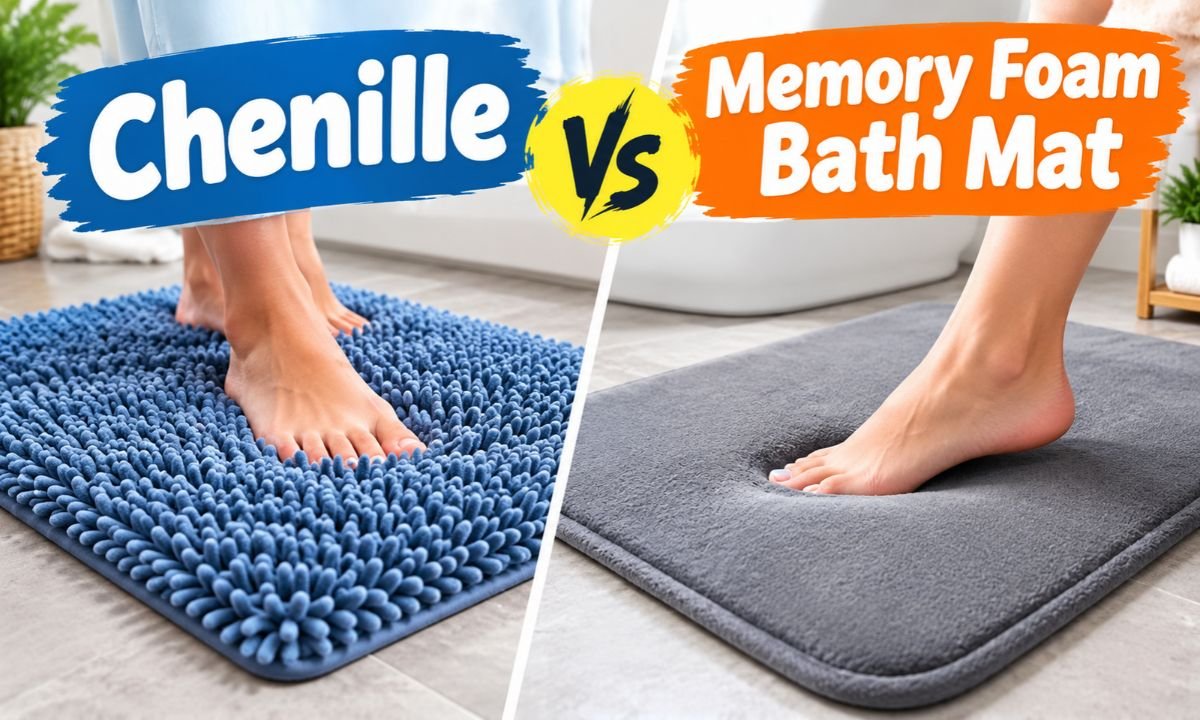
Chenille bath mats usually dry faster and absorb surface water well, while memory foam bath mats provide softer cushioning and pressure relief.
In U.S. homes, the choice between a chenille and memory foam bath mat often comes down to daily habits. A busy family bathroom that handles several showers each day may need a mat that releases moisture quickly, while a private bathroom may benefit more from a thick, cushioned feel underfoot.
Both materials solve different bathroom needs. Chenille uses soft, raised fibers that can trap water between strands, while memory foam uses a dense foam core that compresses under weight. The better option depends on whether you value drying speed, comfort, cleaning effort, floor protection, or long-term maintenance.
Source: thewearify.com
What Is The Difference Between Chenille And Memory Foam Bath Mats
The main difference is the material structure. Chenille bath mats are made with soft textile fibers that create a plush surface, while memory foam bath mats use a foam layer designed to compress and recover after pressure is removed.
Chenille focuses on water absorption and a soft fabric feel. The loose fibers can create many spaces where water droplets collect temporarily. Memory foam focuses on cushioning because the foam layer spreads pressure across the surface.
Source: walmart.com
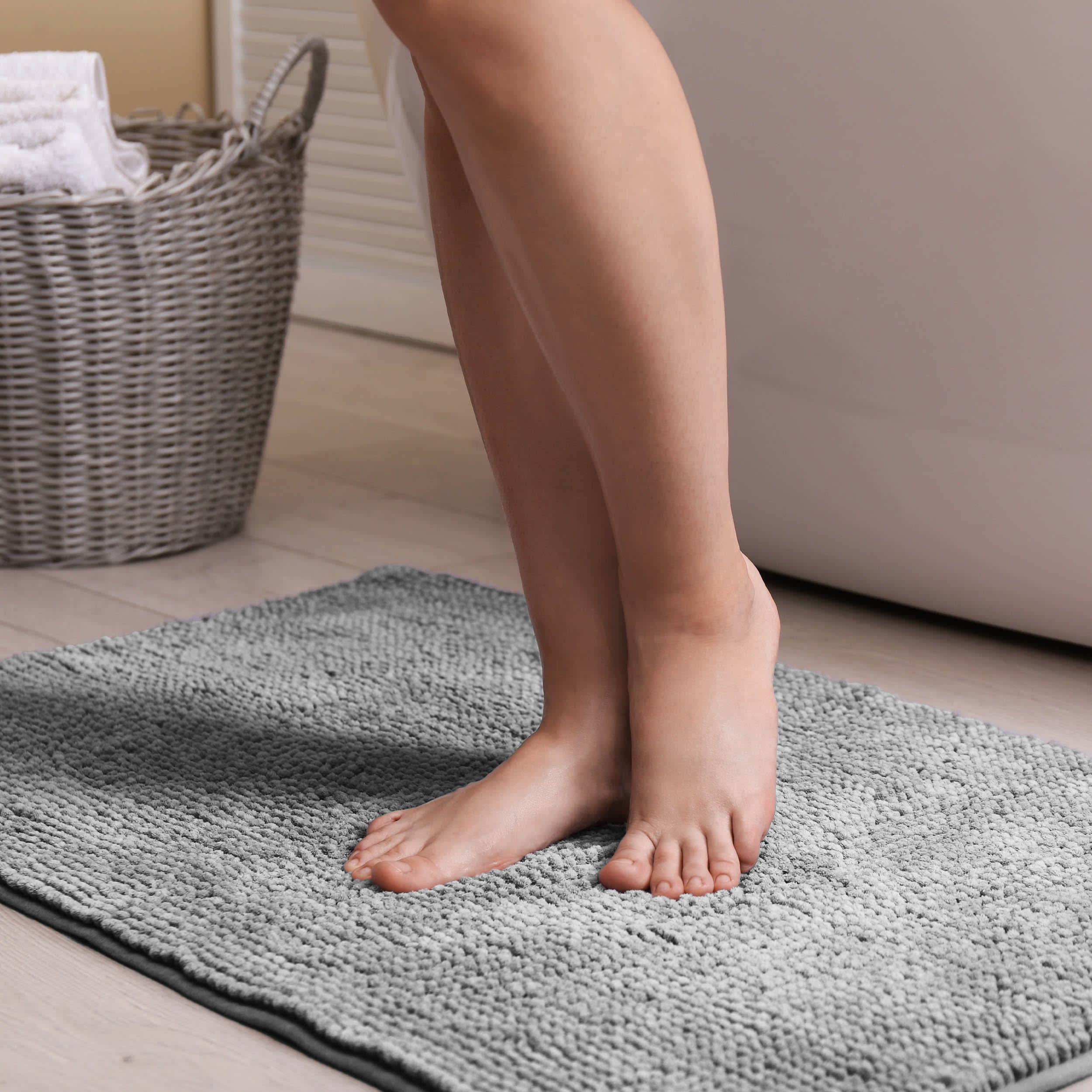
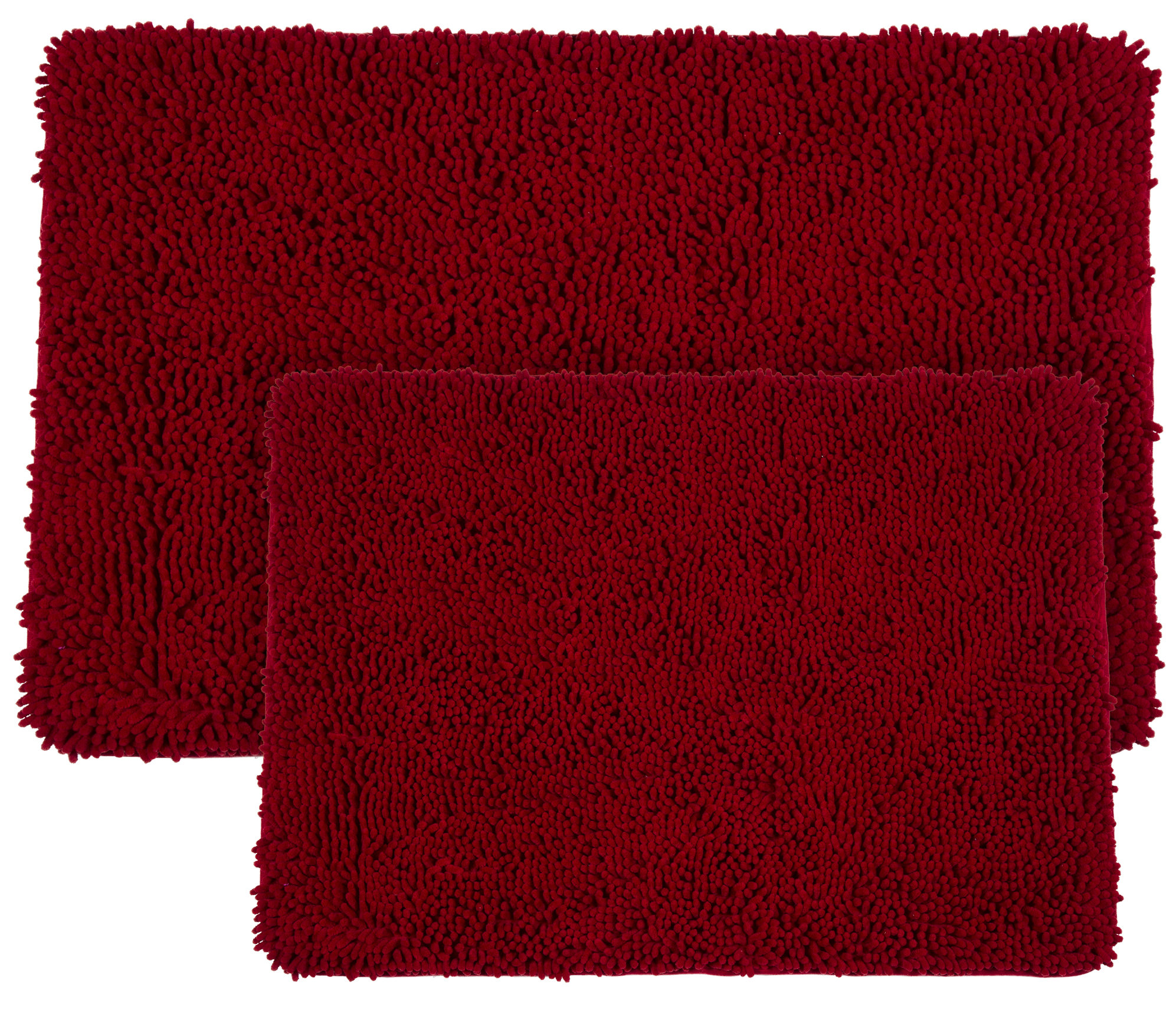
Chenille material
A fabric made with soft yarns that creates a fuzzy, comfortable surface and helps capture moisture.
Memory foam material
A flexible foam layer that changes shape under body weight and returns toward its original form.
How Material Changes Daily Use
The material affects what you feel when stepping out of a shower. Chenille often feels like standing on a soft towel, while memory foam can feel like stepping onto a cushion.
Memory foam can be appealing for people who prefer a padded surface.
Chenille Vs Memory Foam Bath Mat For Absorbency And Drying
Chenille usually has an advantage when the goal is picking up water quickly from feet. The raised fibers create more surface contact, allowing moisture to move away from your skin and into the mat.
Memory foam can absorb moisture if it includes a fabric cover, but the foam core itself does not work like a towel. Water that reaches deeper layers may take longer to evaporate, especially in rooms with limited airflow.
Source: walmart.com
Choose chenille when
You want a soft mat that handles frequent water exposure and may dry more easily between uses.
Choose memory foam when
You prefer cushioning and do not have heavy moisture demands.
Why Some Bath Mats Stay Wet
A bath mat can stay damp because of thick construction, poor airflow, a wet bathroom floor underneath, or frequent use without drying time. The material alone does not determine performance.
A thin chenille mat in a ventilated bathroom may dry faster than a thick memory foam mat. However, a well-made memory foam design with a breathable cover may perform better than a poorly made chenille rug.
Air circulation
Bathrooms with fans or open airflow often help mats dry faster.
Usage frequency
Multiple showers each day increase the need for faster moisture release.
Comfort Comparison: Which Bath Mat Feels Better
Memory foam usually wins for cushioning because the foam layer reduces pressure under your feet. This can make standing at a bathroom sink more comfortable.
Chenille provides softness but does not usually offer the same level of support. It creates a cozy surface rather than a deep cushion.
Source: www.wayfair.com
Memory foam comfort
Better suited for people who enjoy a padded feel while standing.
Chenille comfort
Better suited for people who prefer a soft fabric texture.
Comfort Depends On Thickness
A thicker bath mat is not always better. Extra thickness may improve softness but can also increase drying time and make washing more difficult.
Thin mats
Often easier to dry and store.
Thick mats
Often provide more cushioning but may need more care.
Cleaning And Maintenance Differences
Cleaning needs depend on the exact design, but chenille mats often behave more like fabric rugs during washing. Memory foam mats require more attention because bending, heat, or aggressive washing may affect the foam structure.
Always follow the care label because manufacturers may use different backing materials, foam types, and fabric blends.
Source: www.wayfair.com
Chenille care
Many chenille mats can be easier to refresh because the textile surface handles regular washing routines.
Memory foam care
Foam layers may need gentler handling to maintain shape.
Common Maintenance Mistakes
Leaving any bath mat wet on a bathroom floor for long periods can create odor and reduce freshness. Regular drying and cleaning help extend useful life.
Avoid trapped moisture
Lift mats occasionally so both the top and bottom can dry.
Check the backing
A damaged non-slip backing may reduce stability.
Which Bath Mat Should You Choose
The better choice depends on your bathroom routine. Chenille is often practical for active bathrooms where people step out with wet feet many times each day. Memory foam is often attractive for bathrooms where comfort and cushioning matter more.
A useful way to decide is to rank your priorities. If drying speed is first, choose a design that releases moisture easily. If comfort is first, look for a supportive cushioned option.
Source: walmart.com
Choose chenille if you want
Soft fibers, good moisture pickup, and a lighter fabric feel.
Choose memory foam if you want
Extra cushioning and a padded surface under your feet.
Decision Table For Different Bathrooms
Different bathrooms create different needs. A guest bathroom, family bathroom, and personal bathroom may not require the same type of mat.
Family bathroom
Chenille may be practical because repeated wet use can demand faster drying.
Primary bathroom
Memory foam may appeal if comfort is a major factor.
Small bathroom
A thinner mat may work better because space and airflow are limited.
Frequently Asked Questions
Q
Is chenille better than memory foam for a bathroom mat?
Neither material is always better. Chenille is often better for moisture handling, while memory foam is often better for cushioning.
Q
Which bath mat dries faster, chenille or memory foam?
Chenille often dries faster because its fibers allow more airflow. Actual drying time depends on thickness, bathroom ventilation, and construction.
Q
Are memory foam bath mats safe for bathroom floors?
Memory foam bath mats can be suitable when they have a stable non-slip backing and are used on a clean, dry floor surface.
Q
How often should you wash a bath mat?
Cleaning frequency depends on household use, moisture levels, and care instructions. Mats used by many people may need more frequent cleaning.
Q
Can you use chenille and memory foam together?
Some mats combine a chenille surface with a memory foam layer. These designs aim to provide both softness and cushioning.
✦ Wrapping Up
Conclusion
The chenille vs memory foam bath mat decision depends on what you need most from your bathroom rug. Chenille is a strong option for people who want softness with practical moisture management. Memory foam is a strong option for people who want a cushioned step after a shower.
Look beyond the material name and check thickness, backing, washing instructions, and your bathroom habits. The right bath mat should fit your daily routine, not just look good in a product photo.
💡 Key Takeaway
Choose chenille for faster moisture handling or memory foam for extra cushioning, then match the design to your bathroom conditions.
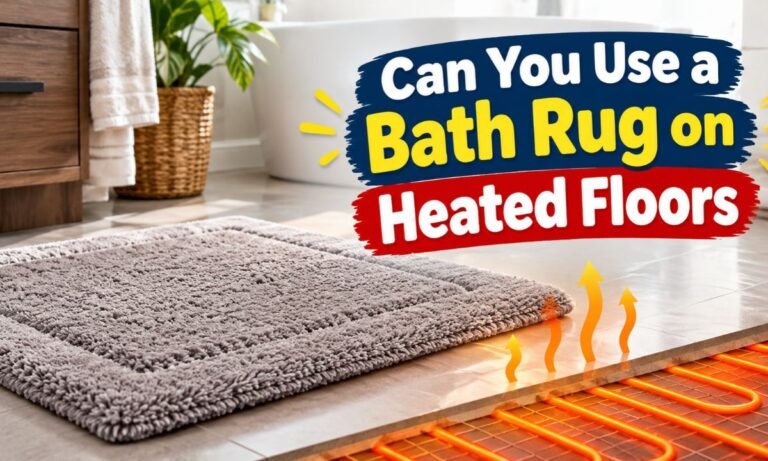
Learn how to remove mildew smell from a bath rug using washing, deodorizing, and proper drying. Includes tips for rubber-backed rugs and stubborn odors.







One Comment