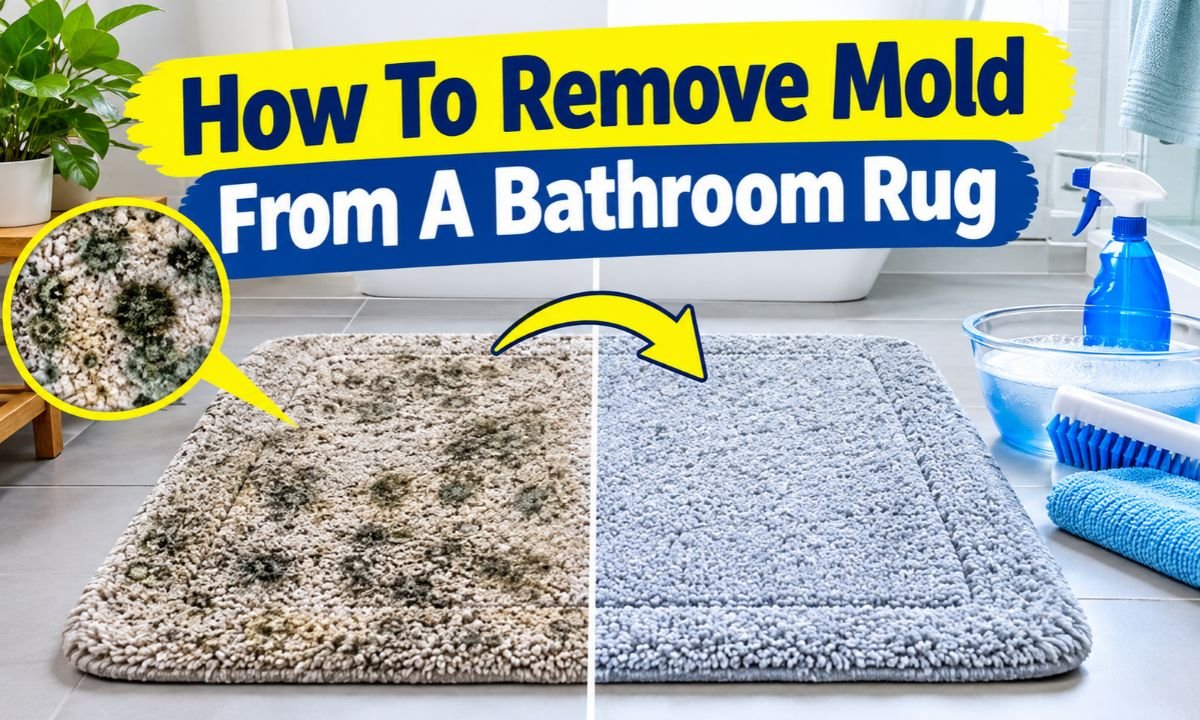
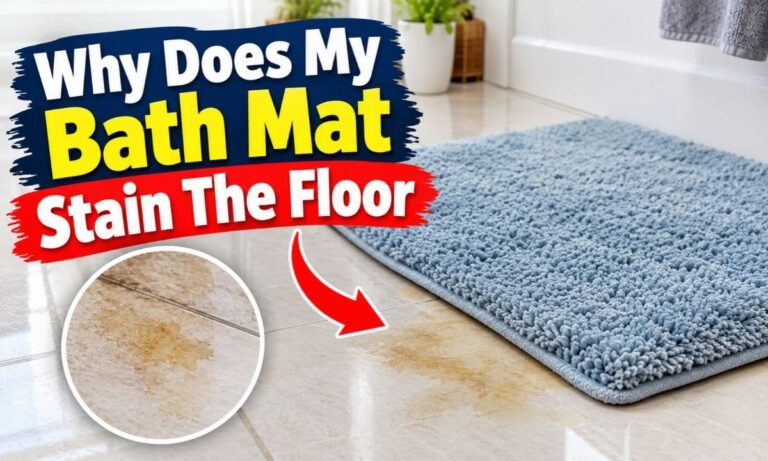
Wash a washable bathroom rug with laundry detergent as directed on its care label, then dry it fully. Discard rugs with deep mold, damaged backing, or a lasting musty smell.
In American homes, bathroom rugs help keep tile floors dry after showers and baths. But a rug that stays damp on the floor can develop mold, especially in a bathroom with poor airflow. A musty smell, dark spots, or fuzzy growth may mean the rug needs prompt care.
The right way to clean a moldy rug depends on its fabric, backing, and care label. A washable cotton rug may be easy to clean, while a thick memory foam mat or a rug with a damaged rubber backing may not handle the same treatment. Before you start, check whether the rug can be cleaned safely or should be replaced.
The key is to remove the mold you can clean, protect yourself during the job, and dry the rug and floor all the way. Cleaning alone will not solve the problem if the bathroom stays damp. Better airflow and a simple drying routine can help prevent the same spots from returning.
Why Does Mold Grow on Bathroom Rugs?
Mold grows when moisture remains on a surface long enough for it to spread. Bathroom rugs often collect water from wet feet, shower spray, and damp air. If the rug sits flat on a cool tile floor, the underside may stay wet even when the top feels dry.
Mold and mildew are often used as everyday terms for similar fungal growth. You may see black, green, gray, or white spots, but color alone cannot identify the type. A musty odor can also signal a moisture problem, even when you cannot see the growth.
A moldy rug may leave marks on the floor or spread dust and spores when you shake it. Do not beat, brush, or shake a dry moldy rug indoors. Handle it gently and decide whether it can be cleaned before carrying it through the home.
Trapped moisture
A thick rug or foam mat may hold water inside its fibers or core, where air cannot reach it easily.
Poor airflow
A bathroom without a working exhaust fan or a safe way to increase ventilation may stay damp for hours.
Wet backing
Rubber, latex, and other backing materials can trap moisture between the rug and the floor.
Slow drying
Leaving a wet mat in a pile, hamper, or closed bathroom can give mold more time to grow.
Mold or Mildew: Does the Difference Matter?
For home cleaning, you do not need to identify a mold species before taking action. Visible growth and a musty smell are enough reason to inspect the rug, remove the moisture source, and clean or discard the item as appropriate. Some stains may remain after cleaning, so a cleaner-looking rug is not proof that every trace of growth has been removed.
Decide Whether to Clean or Throw Away the Rug
Before washing the rug, check its material, the extent of the growth, and the condition of the backing. A small patch on a washable surface may be manageable, but mold that has spread into thick padding can be hard to remove fully. Porous items can hold mold within their fibers and spaces, so washing may not always make them suitable for reuse.
Check both sides in a well-ventilated area while wearing suitable protective gear. Look for widespread spots, crumbling foam, peeling backing, sticky areas, or a strong musty smell. If the rug has been soaked by sewage or floodwater, do not try to save it with a normal laundry cycle.
If you cannot tell whether a valuable rug can be cleaned, ask a qualified rug-cleaning or restoration professional. For a low-cost bath mat with deep growth, damaged material, or an odor that persists after proper cleaning, replacement is often the more practical choice.
Usually reasonable to clean
A washable rug with limited surface growth, intact backing, and care instructions that allow a suitable wash.
Consider discarding
A rug with deep or widespread growth, crumbling foam, peeling backing, or a persistent musty smell.
Do not salvage after contaminated flooding
A rug soaked by sewage or other contaminated water may carry hazards that ordinary washing cannot reliably remove.
Get professional advice
An expensive, delicate, handmade, or specialty rug may need a material-specific cleaning method.
How Material Changes the Cleaning Method
Cotton and many synthetic fabric rugs may be machine washable, but the care label must guide the choice. Memory foam mats often need gentle washing or hand cleaning, and some cannot tolerate a washer or dryer. A rubber-backed rug may crack or shed its backing under high heat, while a natural-fiber rug may shrink or become damaged when soaked.
If the label is missing, identify the material as best you can and use the least harsh method that the maker permits. Do not assume every bathroom mat can be washed with hot water, chlorine bleach, or a dryer cycle.
Cotton
Follow the label for machine or hand washing and permitted water temperature.
Synthetic fabric
Use a detergent suitable for the fibers and avoid heat that may warp the backing.
Memory foam
Check the maker’s instructions carefully; use a gentle method only if allowed and avoid wringing or twisting.
Rubber-backed or natural-fiber rugs
Avoid strong chemicals and high heat unless the care instructions specifically allow them.
What You Need Before Cleaning a Moldy Bathroom Rug
Gather your supplies before moving the rug so you do not need to walk through the house with a contaminated item. Choose cleaning products based on the rug’s care label, not on the idea that the strongest product must work best. A basic wash with suitable detergent is often the most sensible first step for a washable fabric rug.
Protect yourself from contact with mold and from particles released during handling. The CDC advises using at least a NIOSH-approved N95 respirator, gloves, and goggles that protect the eyes when cleaning mold. Keep children and pets away from the work area, and let fresh air into the space when it is safe to do so.
Protective gear
Use an N95 respirator, waterproof or washable gloves, and close-fitting eye protection.
Cleaning supplies
Prepare suitable laundry detergent, a clean basin if hand washing is allowed, and clean water for rinsing.
Drying tools
Use a drying rack or clothesline where permitted, and a working bathroom exhaust fan or dehumidifier if available.
A safe work area
Keep the rug away from clean laundry, bedding, and other items that should not contact mold.
Keep Cleaning Products Separate
Never mix bleach with ammonia, vinegar, toilet cleaner, or another cleaning product. These mixtures can release dangerous gases. Do not pour one cleaner over another or combine products in the washing machine. Follow the product label, use only one suitable cleaner at a time, and rinse as directed before using any different product.
Avoid improvised chemical mixes
Do not combine bleach, vinegar, ammonia, peroxide, or commercial mold removers.
Use bleach only when allowed
Check both the rug label and bleach label. Many colored fabrics and rubber backings can be damaged by bleach.
How to Remove Mold From a Bathroom Rug Step by Step
For a washable rug with limited growth, the goal is to remove visible contamination, wash the fabric without damaging it, and dry every layer completely. Do not begin by spraying several chemicals on the rug. Start with the care label and use a method that suits the fabric and backing.
Step 1: Put on protective gear
Wear an N95 respirator, gloves, and protective goggles before handling the rug. If you have asthma, mold allergies, chronic lung disease, or a weakened immune system, do not do the cleanup yourself.
Step 2: Remove the rug gently
Lift it without shaking or snapping it. Keep it away from clean towels and clothes, and take it to a suitable cleaning area without dragging it across the floor.
Step 3: Inspect both sides
Check the pile, seams, underside, and backing. If mold is deep in the padding or the backing is breaking down, stop and consider disposal.
Step 4: Read the care label
Confirm whether the rug can be machine washed, hand washed, or spot cleaned. Follow the stated temperature, detergent, and drying limits.
Step 5: Remove loose dirt carefully
Do not dry-brush or shake mold from the rug indoors. If the label permits rinsing before washing, gently rinse it in a suitable area without splashing contamination around.
Step 6: Wash with suitable detergent
Machine wash only if the label allows it. Choose the permitted cycle and temperature, and use the recommended amount of detergent. If hand washing is required, work gently in a basin with detergent and water, then rinse thoroughly.
Step 7: Inspect after washing
Check for remaining visible growth and a musty odor. A stain may remain even after washing, but persistent growth or odor suggests the rug may not be fully clean. Do not keep repeating harsh treatments in an effort to save a damaged mat.
Step 8: Dry it completely
Use only a drying method allowed by the care label. Hang the rug or lay it flat on a clean rack where air can reach both sides. Do not put it back on the bathroom floor while the backing or inner layers remain damp.
If the Rug Cannot Go in the Washing Machine
Some bath mats have foam cores, delicate fibers, or backing that may break down in a washer. If the manufacturer allows hand cleaning, use a small amount of suitable detergent and water, gently clean the affected surface, and remove soap residue with a clean damp cloth or careful rinse as appropriate. Avoid soaking the mat if its instructions warn against it.
A surface wipe is not enough when mold has penetrated thick foam or padding. If you cannot reach and dry the full depth of the material, replacing the mat is safer than assuming the visible surface tells the whole story.
What If the Mold Stain Does Not Come Out?
Mold can leave permanent discoloration even after the growth has been removed. Do not use stronger chemicals simply to restore the rug’s original color. Judge the result by the rug’s condition, whether growth remains, whether the smell persists, and whether the material can be dried fully. If those checks fail, discard the rug.
How to Clean the Floor Under the Rug
Clean and dry the floor before putting a washed rug back. Mold can grow on dust or other material left on a damp surface, and moisture trapped under the mat can start the problem again. The right method depends on whether the floor is tile, vinyl, sealed wood, or another material.
For a hard, washable surface such as tile, use water and a suitable household detergent. Wipe away residue and dry the area fully. Follow the floor maker’s instructions for vinyl, stone, laminate, or wood, since excess water and strong chemicals may damage some finishes.
Check the grout, edges, and nearby baseboards for signs of continued dampness. If the floor is soft, swollen, or damaged, or if mold seems to extend into the wall or subfloor, the issue may be larger than the rug. Stop using the area if needed and seek qualified help.
Remove moisture
Use a clean towel to pick up standing water before cleaning.
Clean the hard surface
Use a compatible detergent and follow the surface manufacturer’s care instructions.
Dry the floor
Wipe it with a clean dry cloth and allow airflow before replacing the rug.
Look for a larger problem
Check for leaks, recurring damp spots, damaged grout, or mold that returns quickly.
How to Dry a Bathroom Rug So Mold Does Not Return
Drying is just as important as washing. A clean rug that stays wet can develop new growth, so give air access to both sides and do not rush to put it back in place. Follow the care label because high heat can damage foam, rubber, latex, and some synthetic fibers.
If the rug is washable and the label permits machine drying, use the recommended settings. Otherwise, hang it securely or lay it on a clean drying rack. Turn it over when needed so the underside can dry, and keep it away from damp corners and closed hampers.
A rug may feel dry on top while the backing or center remains damp. Check the thickest areas and the underside before reuse. If the mat still feels cool and damp, smells musty, or cannot dry fully in your bathroom, leave it out until dry or replace it with a quicker-drying option.
Improve airflow
Run a working exhaust fan that vents outdoors, or open a window when weather and safety permit.
Use a dehumidifier if needed
A dehumidifier can help when the room remains humid after showers.
Lift the rug after use
Hang it over a rack or rail instead of leaving it flat on wet tile.
Do not store it damp
Wait until the rug is fully dry before folding it or placing it in a laundry basket.
How Long Should a Bathroom Rug Take to Dry?
There is no single drying time for every bath mat. A thin cotton rug in a warm, well-ventilated room may dry faster than a dense foam mat in a humid bathroom. Thickness, airflow, temperature, and the amount of water held in the backing all affect the time.
Use dryness rather than the clock as your final check. If a mat repeatedly remains wet for long periods, change how it is hung, improve ventilation, or choose a mat that is easier to dry. Prompt drying helps prevent mold, but it cannot guarantee that a rug with established deep growth can be restored.
Common Cleaning Mistakes to Avoid
The wrong cleaning method can damage a rug or create a new safety problem. Mold removal is not a contest to find the strongest chemical; the aim is to remove contamination when possible and prevent moisture from returning. Keep the method simple and follow the product and rug instructions.
Mixing cleaning products
Never combine bleach with vinegar, ammonia, or other cleaners. Dangerous fumes may result.
Using bleach on every rug
Bleach can discolor fabric and damage backing. Use it only when both the rug instructions and product label allow it.
Scrubbing mold while the rug is dry
Aggressive brushing can release particles into the air. Handle the rug gently and avoid spreading contamination.
Ignoring the underside
The backing can hold moisture and growth even when the top looks clean.
Putting a damp rug back
This traps moisture against the floor and can lead to new growth.
Cleaning without protection
Mold cleanup can expose people to particles that irritate the eyes, skin, and airways.
Keeping a badly damaged mat
Deep growth, crumbling foam, and a lasting musty odor are reasons to consider replacement.
When Should You Stop and Get Help?
Do not handle a moldy rug yourself if you have a health condition that makes mold exposure risky. The CDC advises that people with allergies, immune suppression, underlying lung disease, asthma, or chronic obstructive pulmonary disease avoid taking part in mold cleanup. Ask another adult or a qualified service to manage the item.
Seek professional advice if the affected area extends well beyond the rug, water damage is extensive, sewage or floodwater was involved, or mold keeps returning despite fixing the moisture source. A small rug does not always mean the underlying moisture problem is small.
How to Prevent Mold on Bathroom Rugs
The best long-term fix is to keep the rug and bathroom from staying wet. Mold control depends on moisture control, so cleaning the rug without changing the conditions that caused the growth may only offer a short break. Build a small drying routine into your normal bathroom cleanup.
After each shower, hang the mat or lift it so air can reach the bottom. Use the bathroom exhaust fan during showers and afterward, following the fan’s instructions. If the bathroom has no effective ventilation, consider whether an approved ventilation improvement or dehumidifier could help.
Wash the rug at the frequency needed to keep it clean, following the care label. Check the backing and underside regularly, especially if the mat sits on tile or another cool surface. If the same spot returns quickly, look for a leak or persistent dampness rather than repeatedly treating the rug.
Hang it after every shower
Do not leave a wet mat spread flat on the floor all day.
Vent the bathroom
Use an exhaust fan that vents outdoors or open a window when practical and safe.
Wash it regularly
Follow the care label and wash sooner when the mat becomes dirty or develops an odor.
Keep the floor dry
Wipe up puddles and check beneath the mat when cleaning the bathroom.
Choose a practical material
If the room stays humid, consider a rug that can be washed and dried easily, with backing suited to your floor.
Fix leaks promptly
Repair plumbing leaks and address damp grout, wall edges, or other sources of recurring moisture.
Should You Use a Mold-Resistant Bath Mat?
A mat described as mold-resistant may still grow mold if it remains damp or dirty. The term does not mean the mat can never develop growth, and it does not replace washing, ventilation, or proper drying. Check the material, care instructions, and how easily the mat dries before choosing a replacement.
Can a Bathroom Rug Sit on Heated Floors?
Do not assume a heated floor will dry a rug safely. Some backing materials may not be suitable for prolonged heat, and a rug can interfere with the floor maker’s temperature or covering limits. Check both the flooring and rug instructions, and use a drying rack instead if compatibility is unclear.
Frequently Asked Questions
Q
Can I remove mold from a bathroom rug with vinegar?
Vinegar is not a guaranteed fix for a moldy rug. It may not reach growth deep inside thick fibers or foam, and it can affect some materials. Never mix vinegar with bleach or another cleaner. For a washable rug, use the care label and a suitable detergent; replace the rug if growth is deep or the odor persists.
Q
Can I wash a moldy bath mat in the washing machine?
Yes, if the care label permits machine washing and the growth is limited enough for cleaning to be reasonable. Use the allowed wash settings and a suitable detergent, then dry the mat fully. Do not machine wash a memory foam or rubber-backed mat unless its manufacturer says it is safe.
Q
Does black mold mean I must throw away the rug?
Color alone cannot tell you what type of mold is present. Consider how much growth there is, whether it has penetrated the backing, whether the material can be cleaned, and whether a musty smell remains. If the growth is widespread or the rug cannot be cleaned and dried completely, discard it.
Q
Will washing remove the mold smell from a bathroom rug?
Washing may remove the odor when the source is limited and the rug can be cleaned fully. If the smell remains after an appropriate wash and complete drying, mold or moisture may still be trapped in the backing or padding. Do not cover the smell with fragrance; consider replacing the rug and checking the floor for dampness.
Q
Can I use bleach to clean a moldy bathroom rug?
Only use bleach if the rug’s care instructions and the bleach label both permit it. Bleach can damage colored fabric, foam, and some backing materials, and it is not a reliable solution for mold embedded in porous layers. Never mix bleach with vinegar, ammonia, or other cleaning products.
Q
When should I throw away a moldy bathroom rug?
Discard the rug if mold is widespread or deeply embedded, the backing is crumbling or peeling, a musty smell remains after suitable cleaning, or the rug was contaminated by sewage or floodwater. If you cannot dry all layers completely, replacement is a practical option.
Q
How can I stop mold from growing under my bath mat?
Lift or hang the mat after each shower, keep the bathroom ventilated, wipe up standing water, and let both the floor and mat dry fully. Check the underside often and repair leaks or persistent damp spots. If the room stays humid, use a suitable dehumidifier or improve ventilation where possible.
✦ Wrapping Up
Conclusion
Removing mold from a bathroom rug starts with checking whether the material can be cleaned safely. If the care label allows washing and the growth is limited, use a suitable detergent, protect yourself while handling the rug, and inspect both sides after cleaning. Deep mold, damaged backing, and a lingering musty smell are good reasons to replace the mat.
Do not overlook the floor beneath the rug. Clean compatible hard surfaces, dry them completely, and look for leaks or damp spots that could feed new growth. A rug that stays dry between showers is less likely to develop the same problem again.
💡 Key Takeaway
Check the care label today, clean or discard the rug based on its condition, and make sure the rug, backing, and floor are completely dry before putting it back.