Keep a bathroom rug from slipping on tile by using a compatible non-slip rug pad, cleaning the floor, and making sure the rug backing stays dry and flat.
In homes across the United States, bathroom rugs help keep cold tile floors more comfortable and catch water after a shower. But a rug that slides when you step on it can turn a simple morning routine into a fall risk. The fix often starts with the right grip beneath the rug, not with a thicker or heavier mat.
Start by checking the rug backing and the type of tile in your bathroom. Clean away soap, dust, hair, and moisture, then choose a grip solution made for both surfaces. A non-slip pad is often a good starting point, while a compatible rug tape or a replacement mat may work better in other cases.
The best method depends on whether your rug is a small cotton bath mat, a thick chenille rug, or a larger decorative bathroom rug. It also depends on whether your floor is smooth ceramic, porcelain, textured tile, or natural stone. This guide explains how to choose a suitable fix, install it, and check that the rug stays in place.
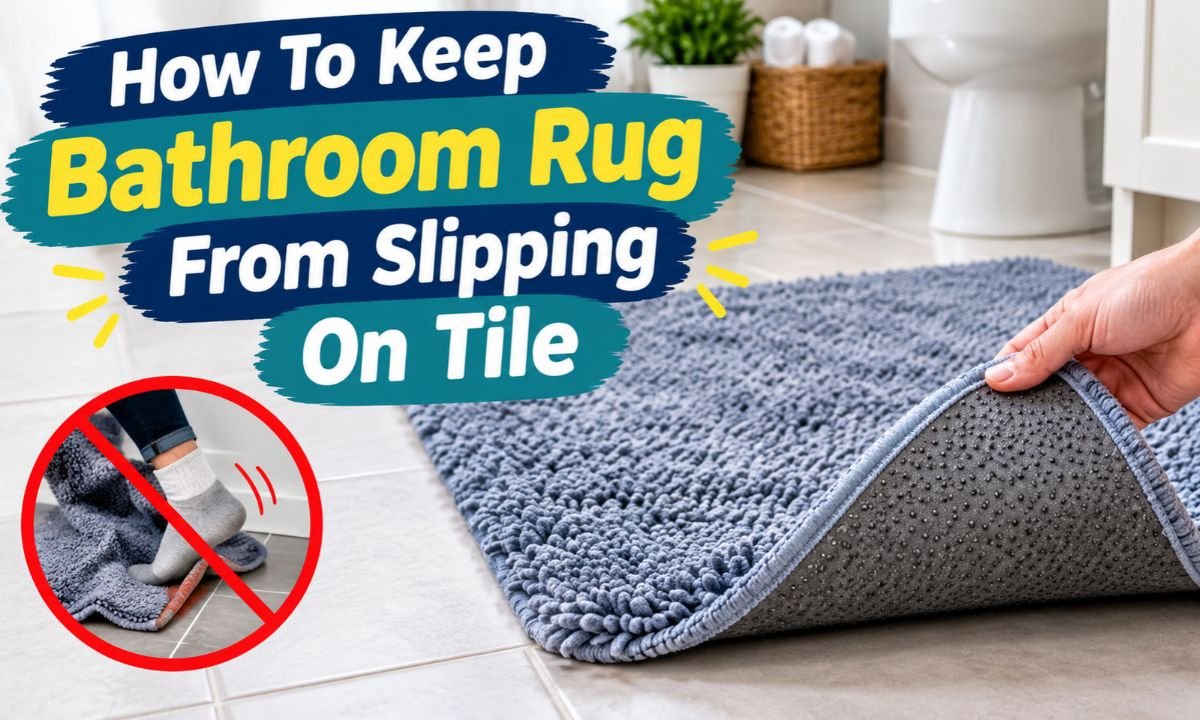
Source: i.pinimg.com
Why Bathroom Rugs Slip on Tile
Bathroom rugs slip because the force of a foot can push the rug across a smooth floor. Many ceramic and porcelain tiles have a hard surface that offers little grip to a loose fabric backing. Water, soap, and dust can make the problem worse.
The backing matters as much as the floor. A plain cotton rug may have no grip layer at all, while an older rubber-backed mat may have lost its hold. Some rugs also curl at the edges, so the rug can shift even if the center seems secure.
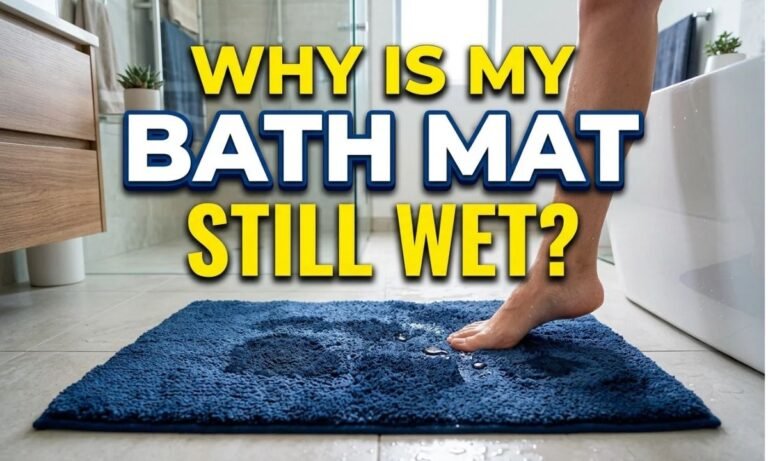
Moisture adds another problem. Water can collect under a rug after a shower or bath, and a damp backing may grip differently from a dry one. Soap residue can also leave a slick film on tile, so adding a pad without cleaning the floor may not solve the cause.
Source: i.pinimg.com
Smooth tile
A smooth, hard surface can let a rug move when someone steps on its edge or changes direction.
Worn rug backing
A backing that has cracked, peeled, or lost its texture may no longer hold the rug in place.
Water and soap
Moisture and residue can reduce grip and may collect under the rug.
Wrong rug size
A very small mat may shift more easily when a foot lands near its edge, especially if it has no gripping layer.
Is a Heavy Bathroom Rug Less Likely to Slip?
A heavier rug may be harder to move than a very light one, but weight alone does not make it safe. A thick cotton or chenille rug can still slide across wet, smooth tile. A suitable gripping layer is usually more useful than choosing a rug only because it feels heavy.
Choose grip over weight
Look for a backing or pad designed to resist movement on hard floors.
Check the edges
A heavy rug can still create a trip hazard if its corners curl or its edges bunch up.
The Best Ways to Keep a Bathroom Rug in Place
The most practical fix for many loose bathroom rugs is a non-slip pad made for hard floors. It adds friction between the rug and tile without requiring permanent changes. If a pad is not suitable for your rug, compatible rug tape or a new mat with a tested gripping backing may be a better option.
Before choosing a product, check the label for use on tile, the rug’s backing material, and any limits related to moisture or cleaning. Not every gripper works with every floor finish. Natural stone, specialty coatings, and some vinyl-like surfaces may need extra care.
Do not assume that a product described as non-slip is suitable for a bathroom. Some products are intended for dry living areas and may lose grip or leave residue when exposed to moisture. Follow the manufacturer’s instructions for installation, cleaning, and replacement.
Source: rugsandpads.com
Non-slip rug pad
A pad designed for hard floors is a good first option for many reusable bathroom rugs. It should fit flat under the rug without extending beyond the edges.
Bathroom rug with grip backing
A mat with an integrated non-slip backing avoids the need for a separate pad, but the backing still needs regular inspection and care.
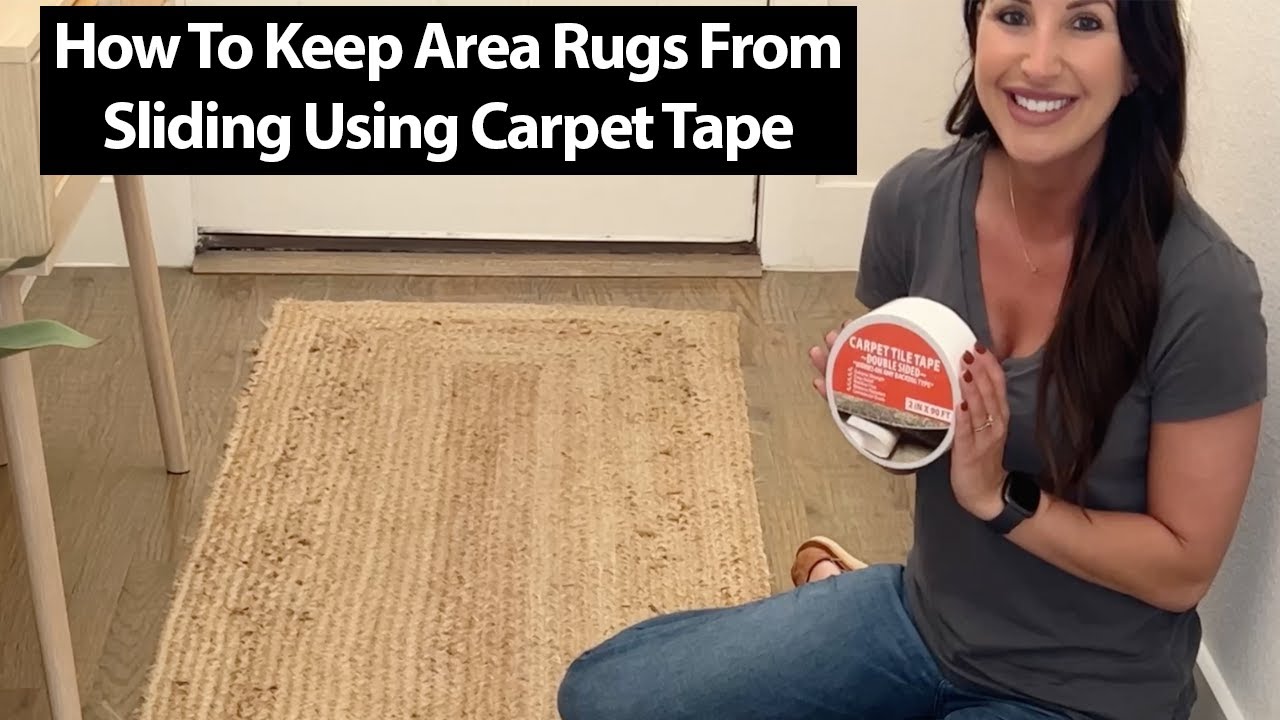
Rug tape
Compatible double-sided rug tape can help hold some rugs in place. Confirm that it suits the tile and rug backing and can tolerate the conditions in your bathroom.
Replace a worn mat
If the backing is peeling, sticky, brittle, or badly worn, replacing the rug may be safer than trying to repair it.
Choose a Non-Slip Rug Pad
A non-slip rug pad creates a gripping layer between the rug and the floor. For bathroom use, choose one that is specifically labeled for hard surfaces and is compatible with the rug’s backing. A pad that works under a living room rug may not be suitable for repeated contact with bathroom moisture.
Measure the rug before buying a pad. The pad should support the rug without sticking out around the sides. If the pad is too large, trim it only if the product instructions allow trimming and explain how to do it safely.
Check the materials
Confirm that the pad is safe for your tile finish and the rug’s backing, including any rubber or latex layer.
Avoid raised edges
The pad should lie flat and should not create a ridge that catches your toes.
Allow access for drying
Choose a setup that lets you lift the rug and pad for cleaning and drying when needed.
Use Double-Sided Rug Tape With Care
Rug tape can help stop a rug from moving, especially when a separate pad does not fit well. However, tape is not a universal fix for a wet bathroom floor. Some adhesives can leave residue, damage a floor finish, or react poorly with certain rug backings.
Use only tape that the manufacturer approves for the specific floor and rug materials. Clean and dry the surfaces first, apply the tape as directed, and press the rug into place. Do not place tape where it creates bumps or where water can repeatedly weaken the adhesive.
Read the label
Look for clear instructions about tile, moisture exposure, residue, and removal.
Test a hidden area
If the manufacturer permits testing, check a small, inconspicuous spot for residue or surface changes before using tape more widely.
Remove damaged tape
If the tape loosens, becomes gummy, or allows the rug to bunch up, remove it according to the product instructions and reassess the setup.
Consider Replacing the Bathroom Rug
A replacement mat may be the simplest solution if the old rug repeatedly slides or its backing has broken down. Look for a product intended for bathroom use, with a flat, secure backing and care instructions that match your laundry routine.
Do not rely on the words non-slip alone. Check whether the mat is suitable for hard tile and whether its backing needs to stay dry to work properly. If the manufacturer gives limits on floor types or cleaning products, follow them.
Look for a flat backing
Avoid mats with loose pieces, peeling layers, or raised sections that could create an uneven surface.
Check washing instructions
A mat that can be cleaned as directed is easier to maintain and inspect over time.
Prioritize stability
A secure, flat mat is more useful than a decorative rug that moves each time someone steps on it.
How to Stop a Bathroom Rug From Sliding Step by Step
Follow a simple sequence before buying extra products. First remove the rug and inspect the floor, then clean and dry both surfaces, choose a compatible grip solution, and test the finished setup with care. This order helps address dirt and moisture that could undermine a new pad or adhesive.
Do the work when the bathroom floor is dry and no one needs to walk across the area. Keep the rug away from the shower or tub until the setup is complete. If the tile has a special coating or the manufacturer warns against certain products, follow that guidance before proceeding.
Source: i.pinimg.com
Step 1: Lift the rug
Remove the rug and any old pad or tape. Check for curled corners, worn backing, damp patches, and trapped hair or grit.
Step 2: Clean the tile
Use a cleaner approved for your tile and follow its directions. Remove soap film and loose debris, then rinse if the label requires it.
Step 3: Dry the floor
Wait until the tile and grout are dry. Do not put a gripping pad or rug tape on a wet surface unless its instructions specifically allow that use.
Step 4: Inspect the rug backing
Check for cracks, peeling, sticky patches, or fabric that has stretched out of shape. Replace a rug with badly damaged backing if it cannot lie flat.
Step 5: Fit the grip solution
Place a compatible non-slip pad beneath the rug or apply approved rug tape according to its instructions. Keep all edges flat and make sure nothing extends beyond the rug.
Step 6: Check the result
With dry hands and bare feet or suitable footwear, gently press and nudge the rug from several sides without stepping onto an unstable mat. If it shifts, lifts, or bunches, stop and correct the setup.
Signs That the Fix Is Working
A successful setup lies flat and stays in position when you gently nudge it from the edges. The pad should not protrude, and the rug should not form folds or raised corners. The floor should remain accessible for routine cleaning and drying.
Check the rug again after normal bathroom use, once the floor and mat have had time to dry. A setup that seems secure when dry may behave differently after repeated splashes. If movement returns, review the backing, pad compatibility, and moisture level instead of simply adding more tape.
The rug stays flat
No corners curl, folds form, or edges bunch up when the rug is gently moved.
The pad remains hidden
The grip layer sits fully beneath the rug and does not create a new trip hazard.
The underside can dry
The rug and pad can be lifted and aired as needed, with no persistent dampness or unusual odor.
What to Do if the Rug Still Slips
If the rug still moves, remove it and check the floor and backing again. A slick film, worn grip layer, incompatible pad, or damp underside may be the cause. A pad that is too small or poorly fitted can also leave parts of the rug free to slide.
Try a different product only after confirming compatibility with the exact floor and rug materials. If several suitable methods fail, replacing the rug with a stable bathroom mat is a sensible next step. Do not keep layering pads and adhesives until the rug becomes thick, uneven, or difficult to dry.
If the rug moves only when wet
Check for water trapped beneath it and confirm that the grip product is suitable for the bathroom’s moisture conditions.
If one corner lifts
Lay the rug flat and inspect for curled backing or a pad that does not fit. Replace damaged materials rather than hiding a raised edge.
If adhesive leaves residue
Follow the tape maker’s removal instructions and use only a residue remover approved for the floor finish.
Choose the Right Fix for Your Bathroom Floor
The right grip method depends on the floor finish, rug backing, and amount of moisture in the area. Smooth porcelain tile may call for a different solution from textured ceramic tile or natural stone. A product that grips one surface may not behave the same way on another.
If you rent your home or have a newly installed floor, avoid permanent adhesive unless the floor manufacturer and product label permit it. A removable pad is often easier to inspect and clean, but it still needs to be compatible with the surface. When in doubt, check the tile maker’s care instructions before using a new adhesive or rubber-backed product.
Source: i.pinimg.com
Smooth ceramic or porcelain tile
A compatible non-slip pad designed for hard floors is a useful starting point. Make sure the tile is clean and dry before installation.
Textured tile
Check whether the pad sits evenly on the surface. A textured floor can change how the gripping layer contacts the tile.
Natural stone
Use products approved for the specific stone and finish. Some adhesives or rubber compounds may stain or affect certain surfaces.
Confirm that the pad or adhesive is suitable for the floor’s temperature conditions and does not conflict with the flooring manufacturer’s instructions.
Rented bathrooms
Favor removable options and avoid products that could leave residue or damage the finish without permission.
What About Vinyl or Laminate Near the Bathroom?
Some bathrooms and adjoining areas use vinyl or laminate instead of ceramic tile. These surfaces may react differently to rubber backing, plasticizers, or adhesive products. Check both the flooring instructions and the rug-grip label before use.
Do not assume that a product labeled for tile is safe for every hard floor. If the floor maker warns against rubber-backed mats or adhesive contact, follow that warning and choose an approved alternative. Lift the rug regularly to check for discoloration, trapped moisture, or changes in the finish.
Confirm floor compatibility
Read the flooring care guide and the gripping product’s instructions before placing the materials together.
Watch for surface changes
Stop using the product if the floor becomes discolored, tacky, cloudy, or otherwise damaged.
Common Mistakes That Can Make a Rug Less Safe
A quick fix can create a new problem if it adds height, traps water, or damages the floor. Avoid improvised grip materials that have not been made for rugs and hard flooring. A bathroom rug should stay flat, remain easy to clean, and allow the floor beneath it to dry.
Do not judge safety by how firmly the rug sticks when you press its center with your hand. The edges may still slide when someone steps on them, and water may change the grip. Check the whole rug, including the corners, after fitting a new pad or adhesive.
Source: i.ytimg.com
Using a loose towel underneath
A towel can shift, bunch, and retain moisture. It is not a dependable replacement for a purpose-made gripping pad.
Layering several pads
Multiple layers can create a soft, uneven surface and raised edges. Use one correctly sized, compatible layer instead.
Applying tape to a damp floor
Moisture may interfere with adhesion and leave the rug unstable. Prepare the surface as directed by the product maker.
Ignoring curled corners
A raised corner can catch a foot even when the rest of the rug stays in place. Replace or correct the damaged material before use.
Using an unapproved adhesive
Strong household adhesives may leave residue or harm tile finishes and rug backing. Use only a product approved for both materials.
Assuming a rubber backing never wears out
Rubber and similar materials can age, crack, or lose their grip. Inspect them regularly and replace a damaged mat.
Should You Use Silicone Caulk Under a Bathroom Rug?
Do not apply silicone caulk to the underside of a bathroom rug as a general-purpose grip fix unless the rug and flooring manufacturers explicitly approve that method. Caulk may cure unevenly, affect the backing, leave residue, or create a repair that is hard to remove. A purpose-made non-slip pad is usually easier to inspect and replace.
If a rug manufacturer provides specific instructions for adding grip to its backing, follow those instructions rather than improvising. Keep any treatment away from the walking surface until it has fully cured as directed, and do not use a rug that remains tacky or uneven.
Avoid untested DIY coatings
Paint, glue, caulk, and other coatings can alter the rug’s flexibility or damage the floor.
Choose a reversible fix
A compatible removable pad can make cleaning and future replacement easier.
Keep the Rug Clean, Dry, and Secure
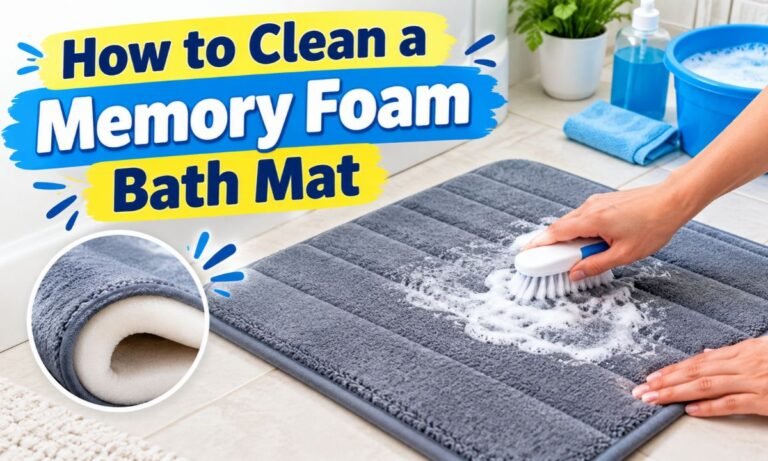
Routine care helps a bathroom rug keep its grip. Wash the rug according to its care label, remove hair and dust from the backing, and clean the tile with a suitable floor cleaner. Let both surfaces dry before putting the rug back in place.
The exact cleaning schedule depends on how often the bathroom is used, how much water reaches the floor, and how quickly the rug dries. A family bathroom used by several people may need more frequent checks than a rarely used guest bathroom. Look for persistent dampness, odor, residue, and changes in the backing rather than relying on a fixed calendar alone.
If your rug can be lifted easily, raise it after heavy splashes or when the underside feels damp. Allow air to reach the floor and the backing before returning it to its usual spot. This simple habit helps reveal problems before moisture or residue affects the grip.
Source: i.ytimg.com
Follow the wash label
Use the recommended water temperature, detergent, and drying method. Heat or harsh cleaners may damage some backings.
Clean the underside
Remove lint, dust, hair, and residue that may interfere with the gripping surface.
Dry both surfaces
Do not reinstall the rug while its underside or the tile remains wet unless the product instructions specifically permit it.
Inspect after washing
Check for loose threads, curled edges, cracking, peeling, and changes in the backing’s texture.
Replace worn materials
If the rug or pad no longer lies flat or holds its position, replace the damaged component rather than relying on repeated temporary fixes.
How Often Should You Check a Bathroom Rug?
Check the rug whenever you clean the bathroom and after washing the mat. If the rug gets soaked often, inspect it more frequently and lift it to let the floor dry. Any sudden change in grip deserves attention before the rug is used again.
There is no single replacement interval that fits every rug. Material quality, washing habits, water exposure, and floor conditions all affect how long the backing lasts. A rug that remains flat and secure may continue to serve well, while one that repeatedly shifts or develops curled edges should be replaced sooner.
Check after laundry
Washing and drying can change the rug’s shape or damage some backing materials.
Check after spills
Lift the rug after heavy splashes to make sure water has not collected underneath.
Check before use
If the rug looks folded, feels slick, or moves when gently nudged, correct the issue before stepping onto it.
Bathroom Rug Safety for Children, Older Adults, and Guests
A sliding bathroom rug can be especially risky for anyone who has trouble balancing, lifting their feet, or recovering from a stumble. Keep the walking path clear, secure the rug before use, and remove mats that cannot stay flat. Do not expect someone to step around a loose corner every time they enter the room.
A bath mat outside a shower or tub is not a substitute for a properly installed grab bar or other accessibility feature. A rug grip helps address movement on the floor, but it cannot prevent every bathroom fall. For a person with a higher fall risk, consider the whole bathroom layout and seek qualified advice when needed.
Make sure the rug does not block a doorway or interfere with a mobility aid. A pad that makes the rug too thick can create a new obstacle, even if it reduces sliding. The safest setup is stable, flat, easy to maintain, and suited to the people who use the bathroom.
Source: i.pinimg.com
Keep paths clear
Position the rug away from door swings and narrow walking routes where an edge could catch a foot or mobility aid.
Avoid excessive thickness
Choose a pad that improves grip without creating a raised ridge or unstable cushion.
Remove unsafe rugs
If a mat keeps moving, curling, or bunching up, take it out of use until it can be secured or replaced.
Address wider fall risks
If someone has balance concerns, review lighting, wet areas, grab bars, and other bathroom hazards rather than relying on a rug alone.
Can You Put a Bathroom Rug Right Outside the Shower?
Yes, if the rug is suitable for the area, lies flat, and has a compatible non-slip backing or pad. Place it where a person can step onto it without reaching across an unstable edge. Keep the mat out of the direct spray when possible, and lift it when the underside becomes damp.
If the floor is regularly flooded or the rug stays wet for long periods, consider a bath mat designed for frequent moisture exposure or move the mat to a drier location. A secure rug still needs regular cleaning and drying to remain in good condition.
Place it on a dry landing area
Avoid placing the mat where it is constantly soaked or where water pools underneath it.
Test the full surface
Make sure the center, edges, and corners remain flat and stable after installation.
Quick Comparison of Bathroom Rug Grip Options
Use this comparison to narrow down the most practical method for your rug. These are general selection guidelines, not claims that every product in a category performs the same way. The product label and floor manufacturer’s instructions should guide the final choice.
Source: i.ytimg.com
Non-slip pad
Best starting point for many reusable rugs when the pad is made for hard floors and compatible with the backing. It can be lifted for cleaning, but it needs proper sizing and drying.
Integrated grip backing
Useful when replacing a worn mat. It reduces the need for a separate pad, but the backing can still wear or lose grip.
Rug tape
May help with compatible rugs and floors. Adhesive performance can change with moisture, and removal may require care.
New rug
A practical choice when the current mat is damaged or cannot be secured. Check the backing, wash instructions, and suitability for the intended floor.
Which Option Should You Try First?
For a rug in good condition, start with cleaning, drying, and a compatible non-slip pad. If the rug has an integrated backing that has worn out, replacement is often more sensible than trying to restore it. Use tape only when the product is approved for the floor, backing, and bathroom conditions.
If the floor is natural stone, coated, heated, or covered by a flooring warranty, verify compatibility before adding any gripping material. A reversible solution is often easier to maintain because you can lift it, inspect the floor, and remove trapped moisture.
For a rug that is otherwise sound
Try a properly fitted non-slip pad after cleaning and drying both surfaces.
For a damaged backing
Replace the rug if the backing peels, cracks, or no longer lies flat.
For a delicate floor finish
Check manufacturer guidance and use only an approved, removable grip solution when possible.
Frequently Asked Questions
Q
What is the best way to keep a bathroom rug from slipping on tile?
For many bathroom rugs, a correctly sized non-slip pad made for hard floors is a good first choice. Clean and dry the tile, check that the pad suits the rug backing, and make sure the rug lies flat without raised edges. If the backing is badly worn, replacing the mat may be the better fix.
Q
Can I use double-sided tape under a bathroom rug?
You can use rug tape if its manufacturer approves it for your tile, rug backing, and moisture conditions. Ordinary household tape or an adhesive made for another surface may leave residue or damage the finish. Follow the application and removal instructions, and stop using the tape if the rug begins to shift.
Q
Why does my bathroom rug slip even when it has a rubber backing?
Rubber backing does not guarantee a secure hold on every tile surface. Soap film, dust, water, worn rubber, or an incompatible floor finish may reduce grip. Lift the rug, clean and dry both surfaces, and inspect the backing for cracks, peeling, or other damage.
Q
Can I use a non-slip rug pad on wet bathroom tile?
Prepare the tile as directed by the pad manufacturer, and do not install a product on a wet floor unless its instructions specifically permit it. Most ordinary rug pads should be fitted to a clean, dry surface. After installation, lift the rug when needed so moisture does not remain trapped underneath.
Q
Will a rug pad damage ceramic or porcelain tile?
A compatible pad is designed for its stated floor types, but no single material is suitable for every finish and condition. Check the product label and tile care instructions, especially if the floor has a special coating or sealant. Inspect the floor periodically for residue, discoloration, or trapped moisture.
Q
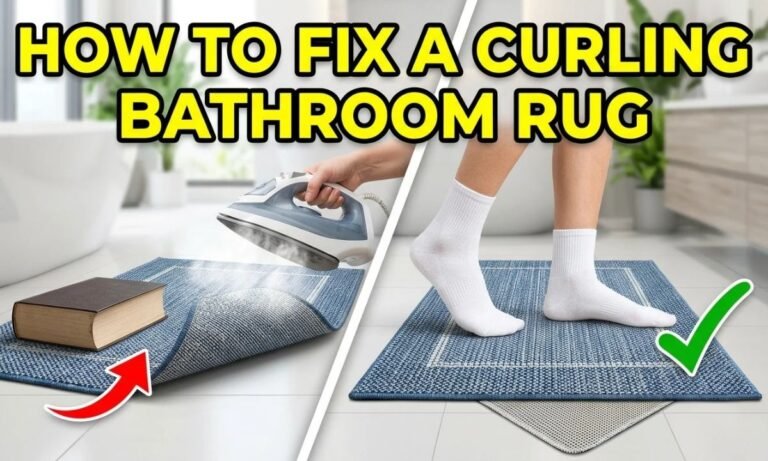
How do I stop bathroom rug corners from curling?
Start by checking whether the rug has shrunk, stretched, or developed damaged backing. Follow the care label and allow the rug to dry flat if that is permitted. A correctly fitted pad may help a sound rug stay flat, but replace the rug if its edges remain raised or create a trip hazard.
Q
How often should I replace a bathroom rug?
Replace it when the backing cracks, peels, becomes persistently slippery, or no longer lies flat. Frequent washing, heavy use, and repeated soaking may shorten its useful life. There is no universal replacement schedule, so use the rug’s condition and the manufacturer’s care instructions as your guide.
✦ Wrapping Up
Conclusion
The best way to keep a bathroom rug from slipping on tile is to give it a clean, dry surface and a grip solution that suits both the rug and the floor. A properly fitted non-slip pad is a practical starting point for many rugs, while approved rug tape or a replacement mat may be better in some cases. The goal is a rug that stays flat without damaging the tile or trapping moisture.
Make a habit of checking the rug after cleaning, washing, and heavy splashes. Lift it when needed, let the floor and backing dry, and replace any mat that keeps moving or develops curled edges. These small checks help keep the bathroom more comfortable and reduce an avoidable fall hazard.
💡 Key Takeaway
Remove the rug today, clean and fully dry the tile, inspect the backing, and fit a compatible non-slip pad. Before using the bathroom, gently check that every edge stays flat and the rug does not shift.
Learn how often you should wash a bath mat, what changes the schedule, how to clean different materials, and how to keep your mat fresh between washes.







2 Comments