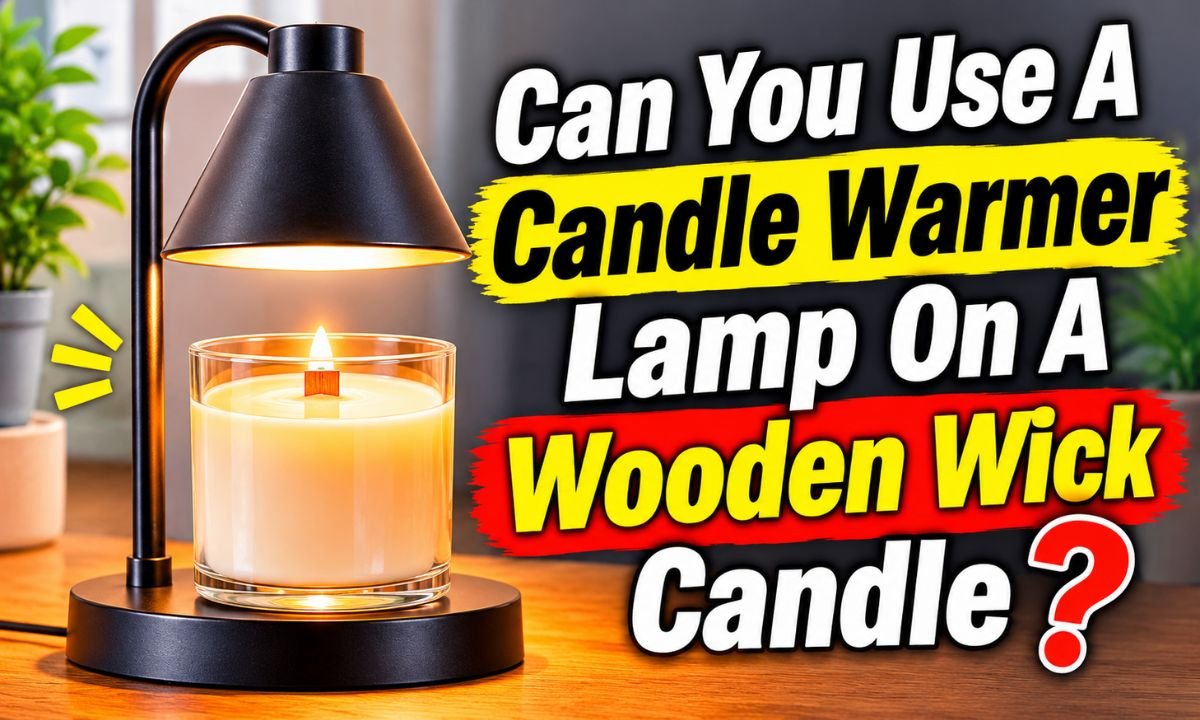
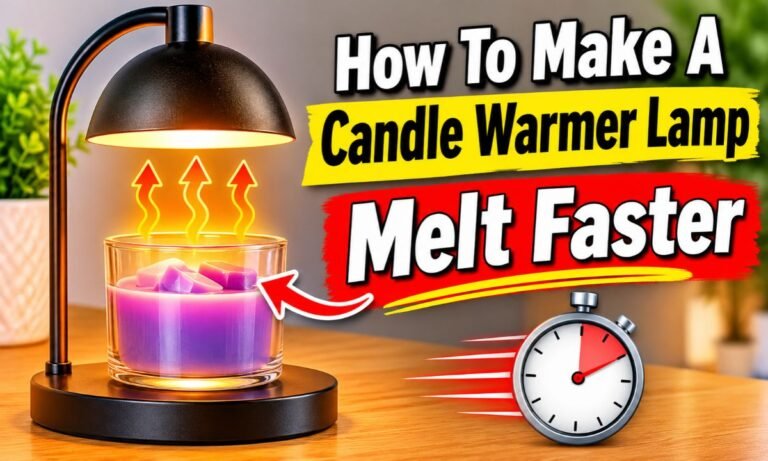
Yes, you can often use a candle warmer lamp on a wooden wick candle, provided the candle and lamp manufacturers allow it. The lamp melts the wax from above, so the wooden wick does not need to burn.
Wooden wick candles are popular in American homes because they offer a cozy look, a warm glow, and a gentle crackling sound when lit. You may find them on coffee tables, bedroom dressers, kitchen counters, and living room shelves. But what if you want their scent without lighting the wick? A candle warmer lamp may offer another way to enjoy the fragrance.
A candle warmer lamp uses a heated bulb to melt the wax from the top down. This means the wooden wick does not need to catch fire or produce a flame. However, not every candle is approved for this type of use. Before placing your wooden wick candle under a lamp, check its label, container, and care instructions.
There is another detail worth knowing. Heating a candle instead of burning it can change how the wick sits in the wax. The wick may become soaked, loose, bent, or covered as the wax melts and cools. This matters if you plan to light the candle again later.
This guide explains how wooden wick candles work with warmer lamps, what to check before use, how to warm one carefully, and what to do when the wax or wick does not behave as expected. The goal is to help you enjoy the scent while protecting your candle, home, and belongings.
Source: cdn.mos.cms.futurecdn.net
Can You Use A Candle Warmer Lamp On A Wooden Wick Candle?
Yes, in many cases, you can use a candle warmer lamp with a wooden wick candle. The key is to check whether the candle maker permits warming and whether the jar can handle the heat. A suitable candle can release fragrance when its top layer of wax melts under the lamp.
A wooden wick does not need a flame for this process. The lamp heats the wax directly, so the wick remains inactive. This is useful when you want a scented room without lighting a traditional candle.
Still, there is no universal rule for every wooden wick candle. Wax blends, fragrance oils, jar materials, candle size, and maker instructions can differ. If the label says not to use a warming device, follow that warning.
Source: cdn.mos.cms.futurecdn.net
The wax can melt without a flame
The lamp warms the top of the candle, allowing fragrance to enter the air without burning the wooden wick.
The wick may change position
As the wax melts and resets, the wooden wick may lean, move, or become partly covered.
The jar still needs heat protection
The candle container can become hot, even though there is no open flame.
Why The Wooden Wick Does Not Need To Burn
A regular candle releases fragrance as its flame melts the wax around the wick. The liquid wax moves up the wick and feeds the flame. This process uses up some of the candle wax and creates heat, light, and combustion gases.
A candle warmer lamp works in a different way. Its bulb directs heat toward the wax surface. The wax melts, and its fragrance compounds can evaporate into the room. The wooden wick does not need to draw up liquid wax or support a flame.
Think of the lamp as a small heat source above the candle. It warms the scented wax rather than burning the candle itself. This is why a wooden wick candle may work under a suitable warmer even when its wick is not lit.
Does Every Wooden Wick Candle Work With A Warmer?
No. A candle’s design matters as much as its wick type. Some makers approve top-down warming, while others provide limits or warnings about electric warmers. A candle may also have a container that is not intended for repeated heating.
Check the product label and the manufacturer’s website before trying it. If the instructions are unclear, contact the candle maker and ask whether a top-down warmer lamp is suitable for that exact candle.
Approved candle
The maker permits the use of a top-down candle warmer lamp, and the jar is in good condition.
Unclear instructions
Ask the manufacturer before warming the candle. Do not assume that all glass jars or wax blends have the same heat limits.
Warning against warming
Do not use a warmer if the candle label or manufacturer says not to.
How Does A Candle Warmer Lamp Work With A Wooden Wick?
A candle warmer lamp uses a heated bulb to warm the upper layer of wax. The bulb sits above the candle, and its heat travels down toward the surface. As the wax warms, fragrance can spread through the room.
Unlike a flame, the lamp does not need the wooden wick to stay lit. The wick simply sits in the wax while the bulb does the heating. This makes the lamp useful for people who want fragrance without an open flame.
The amount of heat depends on the lamp design, bulb type, distance from the candle, and any heat control built into the unit. A stronger bulb or a shorter distance may warm the wax faster, but more heat is not always better.
Source: m.media-amazon.com
Top-down heating
The bulb warms the wax from above rather than using the wick as a heat source.
Fragrance release
Heat helps fragrance compounds leave the melted wax and enter the surrounding air.
No active wick flame
The wooden wick stays unlit while the lamp is operating.
What Happens To The Wooden Wick During Warming?
The wooden wick stays inside the candle while the surrounding wax melts. Depending on the candle design, the wick may remain upright, lean slightly, or become partly covered by liquid wax. When the wax cools, the wick may become fixed in a new position.
This does not mean the candle has been ruined. It does mean you should inspect the wick before deciding to light the candle again. A wick that has shifted or become buried may not burn as intended.
Do not pull a hot wooden wick out of the wax. Wait until the candle has cooled completely. If the wick has become badly displaced, ask the candle maker whether the candle can be restored or should only be used for warming.
Does The Lamp Make The Wooden Wick Crackle?
No. The familiar crackling sound comes from a burning wooden wick. Small amounts of moisture and gases in the wood contribute to the sound as the wick burns.
A warmer lamp does not ignite the wick, so you should not expect the same crackling effect. You may still enjoy the candle’s fragrance, but you will not get the flame, light, or sound of a burning wooden wick.
What To Check Before Using A Warmer Lamp
Before switching on the lamp, inspect the candle and read both sets of instructions. The candle maker sets the limits for the candle, while the warmer maker sets the limits for the lamp. Both matter.
A wooden wick alone does not tell you whether a candle is suitable for warming. The jar, wax, fragrance, and product design all affect how the candle responds to heat. A cracked container or an unknown heat limit is a good reason to stop and check first.
Use the following checklist to decide whether it is sensible to proceed.
Source: candlewarmers.com
Read the candle label
Look for instructions about candle warmers, heat sources, and approved use.
Inspect the container
Do not warm a jar that is cracked, chipped, damaged, or showing signs of stress.
Check the lamp
Use the correct bulb type and wattage specified by the lamp manufacturer.
Check the candle size
Make sure the candle fits under the lamp without touching the bulb or other hot parts.
Clear the area
Keep curtains, paper, bedding, decorations, and other items that can catch fire away from the warmer.
Check The Candle Jar Material
Many wooden wick candles come in glass jars. However, not every glass container is designed to handle repeated heating. A decorative jar may look sturdy but still lack the heat resistance needed for a warmer.
Look for a candle container intended for hot wax and follow the candle maker’s directions. Do not transfer wax into a random drinking glass, food jar, or decorative bowl to make it fit under the lamp.
If the jar has a crack, chip, loose base, or unusual damage, do not use it. Heating a damaged container can increase the chance of leakage or breakage.
Check The Bulb Wattage And Lamp Distance
The bulb controls how much heat reaches the candle. A bulb with a higher wattage may heat the wax more quickly, but it may also make the jar and wax hotter than intended.
Use only the bulb type and wattage listed in the warmer’s manual. Do not replace the original bulb with a stronger one simply to speed up melting. If the lamp has an adjustable height, follow the manufacturer’s instructions for setting the distance.
A lamp that allows the candle to fit beneath it without contact is preferable to one that forces the jar against the bulb or shade.
Follow The Candle Brand’s Own Rules
Some candle brands set specific rules for electric warming. For example, Yankee Candle’s published safety guidance states that its candles are compatible with its branded top-down Candle Warmer Lamps and warns against using bottom-heating plate warmers. Its guidance also warns that the wick may shift after warming, making later burning unsafe.
This example shows why checking the exact candle model matters. A wooden wick candle from one maker may have different instructions from a candle made by another brand. Never treat one company’s approval as permission to warm every candle.
How To Use A Candle Warmer Lamp On A Wooden Wick Candle
If the candle maker allows top-down warming and the container is in good condition, you can prepare the candle and lamp carefully. Start with a clean, dry area and make sure the lamp is designed for jar candles.
There is no need to light or prepare the wooden wick for warming. The bulb does the work. Your main tasks are to position the candle correctly, follow the lamp instructions, and watch for unusual heat or wax movement.
Source: i.redd.it
Step 1: Read both manuals
Confirm that the candle and lamp can be used together. Check the bulb wattage, candle size, and any time limits.
Step 2: Inspect the candle
Look for cracks, chips, loose parts, or signs of wax leakage. Do not use a damaged candle.
Step 3: Prepare the surface
Place the warmer on a flat, stable, heat-resistant surface away from curtains, paper, and other flammable materials.
Step 4: Center the candle
Place the jar under the bulb according to the lamp’s instructions. Make sure it does not touch the bulb or shade.
Step 5: Switch on the lamp
Turn on the lamp and use its approved settings. Never light the wooden wick while the warmer is operating.
Step 6: Watch the wax
Stay nearby and look for unusual smoke, a damaged jar, leaking wax, or signs of excessive heat. Follow the manufacturer’s operating time.
Step 7: Turn off the warmer
Switch off the lamp when finished. Allow the candle and lamp to cool fully before touching or moving them.
How Do You Know The Candle Is Warming Properly?
A suitable candle should warm without unusual smoke, leaking wax, or visible damage to the jar. You may see a layer of liquid wax form on the top. The fragrance may become noticeable as the wax warms.
The amount of melted wax can vary with the bulb, candle size, wax blend, and lamp distance. Do not try to force a full melt pool by raising the heat or leaving the lamp on longer than the instructions allow.
If the jar becomes unusually hot, the wax spills, or the candle starts to smell burnt, switch off the lamp. Let everything cool before checking the problem.
What To Do After The Wax Cools
Once the wax has cooled and become firm, inspect the wooden wick. Check whether it is still upright and whether wax has covered its upper edge. Look for loose pieces of wood or other debris.
Do not assume the candle is ready to burn again just because the wax looks normal. Warming can change the wick’s position. Follow the candle maker’s instructions before lighting it again.
If the wick is buried, loose, or badly tilted, do not try to force it upright with a knife or other sharp tool. Contact the maker for advice.
Candle Warmer Lamp Vs. Lighting A Wooden Wick Candle
A warmer lamp and a burning wooden wick offer different experiences. The warmer focuses on fragrance without an open flame, while lighting the candle gives you fragrance, light, and the familiar crackling sound.
Neither method is automatically right for every candle. Your choice depends on the manufacturer’s instructions and what you want from the candle. If you mainly want fragrance, an approved warmer may suit your needs. If you want the full wooden wick experience, follow the normal burning instructions instead.
Source: cdn.mos.cms.futurecdn.net
Choose a warmer for fragrance
A suitable lamp can release fragrance without lighting the wooden wick.
Choose normal burning for crackling
The wooden wick must burn to create its flame and characteristic sound.
Check before switching methods
Some manufacturers warn against burning a candle after it has been warmed because the wick may have shifted.
Does A Warmer Lamp Make A Wooden Wick Candle Last Longer?
A warmer lamp does not burn the wax in the same way as a flame. Much of the wax remains in the container after warming, so the candle may last longer as a physical wax product.
However, the fragrance does not last forever. Repeated heating can reduce the amount of scent that remains available to release. The candle may still contain plenty of wax but produce a weaker smell.
This means there are two different measures of candle life: the amount of wax left and the amount of fragrance you can still enjoy. A candle can have plenty of wax remaining while its scent has faded.
Does A Warmer Lamp Give The Same Fragrance As A Flame?
Not always. A warmer and a flame heat wax in different ways, and the scent you notice can vary. Some fragrances may become noticeable quickly under a lamp, while others may smell different or weaker than they do during normal burning.
Room size, airflow, candle formulation, bulb heat, and distance from the lamp also affect how much fragrance you notice. A warmer is not a guarantee of a stronger scent or a particular fragrance throw.
Common Problems When Warming Wooden Wick Candles
Most problems with wooden wick candles under warmer lamps involve the wick, wax, container, or fragrance. The first step is to switch off the lamp if anything looks or smells unusual. Allow the candle to cool before inspecting it.
Do not try to fix a hot candle. Warm wax can cause burns, and a hot glass jar can be difficult to handle safely. The safest troubleshooting steps begin after the candle has cooled.
Source: cdn.mos.cms.futurecdn.net
The wick is covered with wax
The melted wax may have flowed over the wick and hardened. Do not dig into the hot wax. Check the maker’s care instructions once the candle has cooled.
The wick is leaning
The wick may have moved while the wax was liquid. Do not light the candle until the maker confirms that it is safe to do so.
The fragrance is weak
The fragrance may have faded through repeated heating, or the lamp may not be warming the wax as intended.
The wax is spilling
Switch off the lamp and let the wax cool. Check whether the candle container is suitable and whether the lamp is being used as directed.
Why Is My Wooden Wick Buried In Wax?
A wooden wick can become covered when melted wax flows around it and hardens as the candle cools. This may happen if the wick was already short or if the melted wax settles over its upper edge.
Wait until the wax is fully cool. Check the candle maker’s advice before removing any wax or trying to expose the wick. Avoid sharp metal tools, which can scratch the jar or damage the wick.
If the wick cannot be restored safely, ask the candle maker whether the candle should be used only as a warming candle or retired.
Why Does My Candle Smell Burnt Under A Warmer?
A burnt smell can come from overheated wax, debris, a damaged wick, or residue on the candle surface. It can also be a sign that the bulb is too powerful or the candle is too close to the heat source.
Turn off the lamp and allow the candle to cool. Check the bulb specification and lamp distance against the manual. If the smell returns during another approved use, stop using the warmer with that candle.
Do not cover the candle or try to hide the smell with extra fragrance oil. That will not correct an overheating problem.
Why Is The Wax Melting Unevenly?
Uneven melting can happen when the candle is off-center, the bulb is not aligned, or the candle is wider than the lamp can heat effectively. The wax formula and container shape can also affect how heat spreads.
Switch off the lamp and check its positioning once the unit has cooled. If the candle is too wide or tall, do not try to compensate with a stronger bulb or an improvised support.
Use a lamp that fits the candle and follow the maker’s recommended setup. If the candle still heats unevenly, contact the manufacturer.
Safety Rules For Wooden Wick Candles And Warmer Lamps
A candle warmer lamp removes the open flame from the warming process, but it does not remove every risk. The bulb, lamp housing, wax, and candle jar can all become hot. Electrical faults and unstable placement can also create hazards.
Treat the warmer like any other heated electrical appliance. Follow the instructions, keep it away from flammable items, and switch it off when you are finished. Never assume that a flameless device can safely run without supervision.
Product safety also matters. Buy a warmer with clear manufacturer information, proper electrical markings for your market, and a suitable power connection. Avoid damaged cords, loose plugs, or lamps with unclear bulb specifications.
Source: candlewarmers.com
Never light the candle under the lamp
Do not use a flame and a powered warmer at the same time. The extra heat can create an unsafe condition.
Do not leave the lamp unattended
Switch it off if you leave the room or cannot keep an eye on it.
Keep children and pets away
Place the lamp where it cannot be pulled, knocked over, or touched by curious hands.
Avoid unstable furniture
Use a level surface that can support the lamp and candle without wobbling.
Do not touch hot wax
Wait for the candle and lamp to cool before handling them.
Do not move the candle while hot
Hot wax can spill, and a hot jar may be difficult to grip.
Keep the lamp away from water
Do not use it near sinks, wet counters, or areas where liquid could reach electrical parts.
Can You Leave A Candle Warmer Lamp On Overnight?
Do not leave a candle warmer lamp on overnight unless the exact product instructions explicitly allow that type of operation and its safety features are designed for it. Even with a timer, you should follow the manufacturer’s directions and keep the device away from anything that can catch fire.
A timer can reduce the chance of forgetting to switch off the lamp, but it does not make every setup safe. The candle jar and bulb can still become hot during operation.
For ordinary household use, switch off the lamp when you are finished. Do not use it while sleeping or when nobody is available to monitor it.
Can You Use A Wooden Wick Candle On A Bottom Candle Warmer?
A bottom-heating candle warmer is different from a top-down lamp. It heats the candle from the base rather than directing heat onto the wax surface.
Do not assume that a candle approved for a warmer lamp is also approved for a hot plate. The candle maker may restrict the type of warmer because the base, jar, and wax can respond differently to heat.
Use only the warming method approved for the exact candle. If the instructions mention a top-down lamp, do not substitute a bottom-heating plate.
What If The Candle Jar Gets Very Hot?
Switch off the warmer if the jar becomes unusually hot, shows signs of damage, or begins leaking. Do not touch or move it while hot. Let the candle cool in place, provided the area remains safe.
If you notice smoke, burning smells, electrical buzzing, sparks, a damaged cord, or a hot plug, stop using the appliance. Disconnect it only if you can do so safely without touching a hot or damaged part.
If the container cracks or wax spills near electrical components, keep away from the area until it is safe. Replace a damaged candle container or lamp rather than continuing to use it.
How To Get More Fragrance From A Wooden Wick Candle
If your main goal is to enjoy the candle’s fragrance, a few simple habits can help. Start with a suitable lamp and a candle that the manufacturer approves for warming. Keep the setup clean and avoid excessive heat.
The fragrance released by a candle depends on more than the warmer. Wax type, fragrance blend, candle size, room airflow, and the amount of fragrance left in the wax all play a role.
You cannot restore fragrance that has already faded by heating the candle for longer. Repeated warming may use up more of the remaining fragrance without giving you the stronger scent you expect.
Source: cdn.mos.cms.futurecdn.net
Use the correct lamp
Choose a lamp that fits the candle and uses the bulb specified by its manufacturer.
Keep the candle centered
Correct placement helps the bulb warm the wax as intended.
Avoid excessive heat
Do not use a stronger bulb or shorten the lamp distance beyond the approved settings.
Keep the room in mind
Large rooms and strong airflow can make fragrance less noticeable.
Stop when the scent fades
If the wax no longer gives off the fragrance you want, more heating may not help.
Should You Remove The Melted Wax After Each Use?
Not necessarily. A warmer lamp melts the upper wax layer, but the wax usually remains in the jar. Whether you should remove any wax depends on the candle maker’s instructions and the type of candle.
Some users remove a small amount of spent top wax when the fragrance becomes weak, but this is not a universal care rule. Removing wax changes the candle’s fill level and can affect how the remaining wick sits.
Do not pour hot wax into a sink or drain. If the maker permits wax removal, let it cool and follow the recommended disposal method. Avoid adding water or other liquids to the candle.
Can You Add Fragrance Oil To A Wooden Wick Candle?
Do not add fragrance oil or essential oil to a finished candle unless the manufacturer specifically instructs you to do so. These products are not necessarily designed to be mixed into an existing wax blend.
Adding liquid can change the candle’s composition and may create an unpredictable heating or burning response. It can also damage the wick or container.
If the fragrance has faded, replacing the candle is a better choice than trying to rebuild its scent with extra oil.
Is A Candle Warmer Lamp Worth Using With A Wooden Wick Candle?
A warmer lamp can be useful if the candle maker approves it and you mainly want fragrance without a flame. It can also help you enjoy a candle when you do not want the light and sound of a burning wooden wick.
However, it is not the best option if you want to preserve the candle for normal burning later. Warming can alter the wick’s position, and some manufacturers warn against switching back to a flame after using an electric warmer.
Think about how you plan to use the candle before choosing a method. If you want both warming and burning, ask the maker whether switching between them is allowed. If the answer is unclear, choose one method and follow its care instructions.
Source: m.media-amazon.com
A warmer may suit fragrance-focused use
It releases scent without lighting the wooden wick, provided the candle is approved for warming.
Burning may suit a full candle experience
A flame provides the glow and crackling sound associated with wooden wick candles.
Switching methods needs care
The wick may shift after warming, so check the maker’s guidance before lighting the candle again.
When Should You Avoid Using A Warmer Lamp?
Avoid warming a wooden wick candle if the manufacturer prohibits it, the jar is damaged, the lamp does not fit the candle, or the bulb specifications are unknown. These are practical reasons to stop rather than experiment.
You should also avoid using a warmer if the candle has unusual decorations or materials that may not tolerate heat. Dried flowers, paper labels near the hot area, loose ornaments, and decorative attachments can create extra risks.
When in doubt, contact the candle maker. A short question about the exact candle model can prevent damage and help you choose the correct warming method.
Frequently Asked Questions
Q
Can a wooden wick candle melt under a candle warmer lamp?
Yes. A suitable candle warmer lamp can melt the upper wax layer of a wooden wick candle. The bulb supplies the heat, so the wooden wick does not need to burn. Check the candle maker’s instructions and make sure the container is approved for this use.
Q
Will a candle warmer lamp damage a wooden wick?
It may change the wick’s position or leave it covered with hardened wax. The wick may also become loose or lean as the wax melts and cools. This does not always ruin the candle, but you should inspect it after cooling and follow the maker’s advice before lighting it again.
Q
Can I light my wooden wick candle after using a warmer lamp?
Do not assume it is safe to light after warming. Some candle manufacturers warn that electric warming can shift the wick and make later burning unsafe. Check the instructions for your exact candle. If the wick is buried, loose, or tilted, do not light it until the maker confirms that it is safe.
Q
Does a wooden wick candle smell stronger under a warmer lamp?
Not always. The fragrance depends on the wax blend, fragrance oils, bulb heat, candle size, and room conditions. A warmer can release scent without a flame, but it does not guarantee a stronger fragrance than normal burning.
Q
Can I use a candle warmer lamp with a soy wooden wick candle?
You may be able to, but the soy wax label alone does not establish compatibility. Check whether the candle maker approves top-down warming and whether the container is designed to tolerate the heat. Follow the lamp’s bulb and distance requirements as well.
Q
Can I use a candle warmer lamp with a large wooden wick candle?
Only if the candle fits within the lamp’s approved size and height limits. A wide candle may not receive even heat from a small bulb, while a tall candle may sit too close to the hot parts. Never raise the heat or modify the lamp to accommodate an oversized jar.
Q
Does a candle warmer lamp use up the wax?
The wax does not burn away as it does with a flame. Much of it remains in the jar after warming. However, fragrance can gradually fade with repeated heating, so the candle may stop smelling strong even when plenty of wax remains.
Q
Can I use a candle warmer lamp and light the wooden wick at the same time?
No. Do not light a candle while its electric warmer is operating. Combining a flame with an additional heat source can lead to excessive heating and an unsafe setup. Switch off the warmer and follow the candle maker’s instructions before using the candle with a flame.
✦ Wrapping Up
Conclusion
You can often use a candle warmer lamp on a wooden wick candle, but only when the candle maker allows it and the jar is suitable for heating. The lamp melts the wax from above, so the wooden wick does not need to burn. This gives you a way to enjoy fragrance without an open flame.
The main concern is what happens to the wick after warming. It may shift, lean, become buried, or fail to burn as intended. Some manufacturers also warn against burning a candle after using an electric warmer. Always check the exact product instructions before switching between warming and burning.
For safe use, choose the correct lamp and bulb, place the candle on a stable heat-resistant surface, keep flammable items away, and never leave the warmer running unattended. Allow the candle and lamp to cool before handling them. If the jar becomes damaged or the wick moves, stop and ask the candle maker for advice.
💡 Key Takeaway
Before warming your wooden wick candle, check its label for warmer compatibility, inspect the jar, and confirm that your lamp uses the correct bulb. If the maker approves the setup, warm the candle according to both manufacturers’ instructions and never light its wick while the lamp is on.
Learn how thick a bath mat should be for comfort, absorbency, drying, door clearance, and bathroom safety, with practical thickness ranges for different needs.