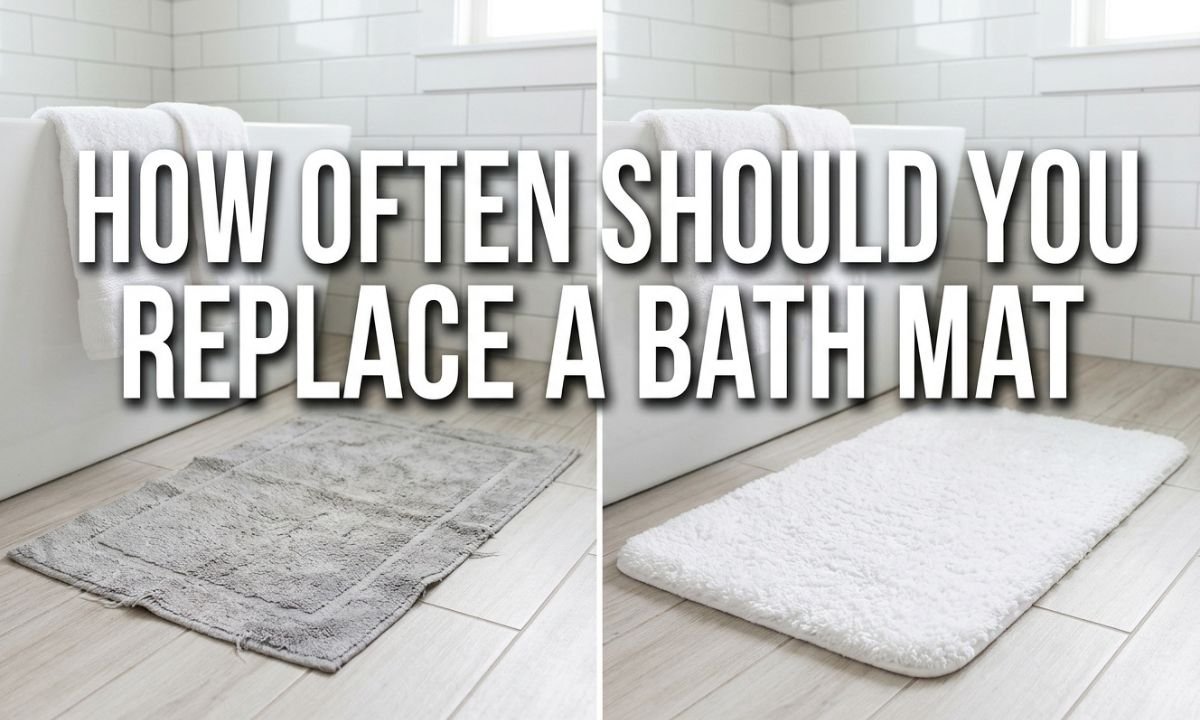
Most bath mats should be replaced every 1 to 2 years, but replace yours sooner if it develops mold, holds odors, loses absorbency, or has damaged backing.
In American homes, a bath mat is part of the daily bathroom routine. It sits beside the bathtub or shower, catches water from wet feet, and helps keep tile, vinyl, and other floors dry. From busy family bathrooms to small apartment bathrooms, these mats deal with regular moisture, foot traffic, and frequent washing.
But how often should you replace a bath mat? A useful starting point is every 12 to 24 months. This is a general household guideline, not a fixed safety rule. The actual lifespan depends on the material, how many people use it, how often it gets wet, and how well it dries between uses.
A mat that looks clean may still have problems underneath. Its rubber backing may crack, its fibers may stop soaking up water, or moisture may remain trapped inside. These problems can affect both cleanliness and safety.
The good news is that you do not need to replace every bath mat on the same schedule. By checking its surface, underside, smell, grip, and drying time, you can make a better choice. This guide explains when to keep your mat, when to clean it, and when buying a replacement is the sensible step.
How Often Should You Replace a Bath Mat?
For most households, replacing a bath mat every 1 to 2 years is a reasonable starting point. Some mats may last longer with careful cleaning, while others may need replacement within a year because of heavy use or poor drying conditions.
There is no single replacement date that applies to every material. A thick cotton mat, a rubber-backed microfiber rug, and a wooden bath mat have different parts and different ways of wearing out.
For example, a cotton mat may remain useful for several years if it stays absorbent and has strong edges. A rubber-backed mat may become unsafe much sooner if its grip layer cracks or peels. The condition of the mat matters more than its age alone.
Household care guidance from KOHLER uses about two years as a general replacement rule for bath and shower mats. Ruggable gives a shorter 12-to-18-month replacement recommendation for its own bath mat system. These different recommendations show why the manufacturer’s instructions and the mat’s actual condition matter.
Light use
A mat in a guest bathroom may last longer because it receives less daily use. Check it regularly, especially after long periods of storage.
Daily family use
A shared bathroom mat may need replacement closer to the one-year mark if several people use it every day.
High moisture
A mat in a humid bathroom may wear out faster if it stays damp for long periods.
Frequent washing
Regular cleaning helps remove dirt, but repeated washing can weaken fibers, seams, and backing.
A Simple Bath Mat Replacement Timeline
The following table gives practical planning ranges. These are estimates for household use, not guaranteed product lifespans or official standards.
Use the shorter end of each range when the mat gets wet several times a day, has poor airflow, or receives frequent machine washing. Use the longer end only when the mat remains clean, dries fully, and stays in good condition.
Rubber-backed fabric mats
Check them closely after 6 to 12 months. Many households may need to replace them within 1 to 2 years, or sooner if the backing loses its grip.
Cotton bath mats
About 1 to 3 years is a useful planning range. Some well-made, unbacked cotton mats may last longer when cared for properly.
Microfiber and chenille mats
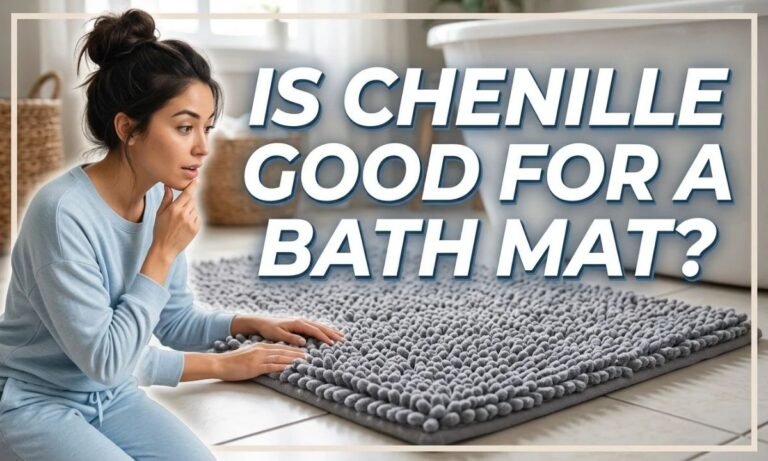
About 1 to 2 years is a practical estimate. Flattened fibers, poor absorbency, and lasting odors are reasons to replace them.
Memory foam mats
About 1 to 2 years is a reasonable planning range. Replace sooner if the foam stays compressed, develops an odor, or loses its shape.
Bamboo or wooden mats
These can last several years if the material stays sound. Cracks, loose parts, rot, and unstable feet are reasons for early replacement.
Stone bath mats
A solid stone mat may last for years. Replace it if it cracks, chips in a way that creates sharp edges, or becomes unstable.
7 Signs Your Bath Mat Needs Replacing
The clearest reason to replace a bath mat is a change that cleaning cannot fix. A mat does not have to reach a certain age before it becomes unsuitable for use.
Check the top and bottom of your mat. Pay close attention to its smell, texture, absorbency, edges, and grip. These simple checks can help you spot problems before they affect your bathroom floor or create a slipping risk.
1. Mold or mildew keeps returning
Dark spots, fuzzy growth, or recurring mildew after proper cleaning are warning signs. If mold has spread into the backing or inner layers, replacement is often the better option. Do not keep using a mat with widespread growth.
2. A musty smell remains after washing
A bath mat should not have a strong damp smell after it has been washed and fully dried. A lasting odor may mean moisture, dirt, or organic material remains trapped in the fibers or backing.
3. The non-slip backing is peeling or cracking
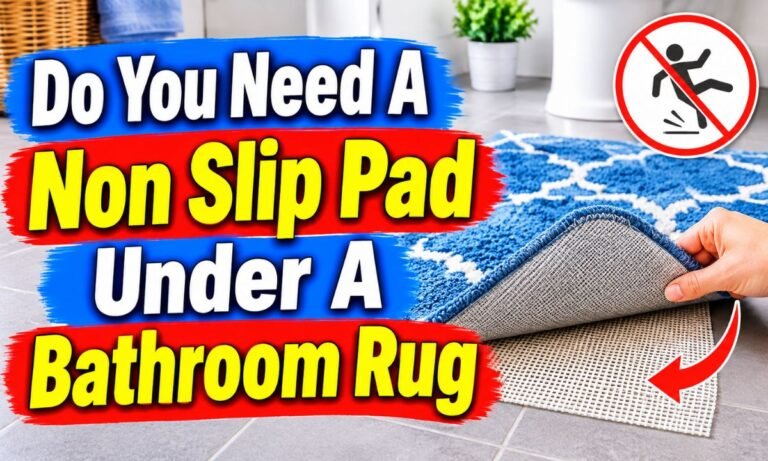
Turn the mat over and inspect its underside. If the rubber or other grip layer flakes, breaks apart, or feels brittle, the mat may slide across the floor. Replace it if the backing no longer provides reliable grip.
4. The fibers are flat and worn
A plush bath mat may become thin and rough after repeated use. If the fibers are heavily matted, damaged, or coming loose, the mat may no longer work as intended.
5. It no longer absorbs water
A bath mat should collect water from your feet. If water sits on its surface or runs onto the floor, its absorbency may have declined. Residue, fabric wear, or product buildup may be responsible.
6. The edges are frayed or the mat has holes
Loose threads and torn edges can catch your toes. A hole can also expose damaged backing or inner foam. Replace a badly damaged mat rather than trying to hide the worn area.
7. It slides or bunches up during use
A bath mat that moves under your feet can create a fall risk. If washing and proper placement do not restore its stability, stop using it and replace it with a suitable mat.
Which Warning Signs Need Immediate Action?
Some problems are more urgent than others. A slightly faded color is usually a cosmetic issue, but loose backing and a mat that slides on wet tile are safety concerns.
Remove a mat from use if it has widespread mold, loose pieces, sharp damage, or unreliable grip. Do not wait for the end of its expected lifespan when these problems appear.
A small stain may be washable. A broken backing, however, cannot be fixed by adding more detergent or running another wash cycle.
Replace promptly
A slipping mat, badly damaged backing, widespread mold, or torn material that creates a trip hazard.
Clean and inspect
A small removable stain, light dirt, or a mild smell that disappears after proper washing and complete drying.
Keep monitoring
Minor fading or light wear when the mat still absorbs water, dries fully, and stays firmly in place.
How Material Affects Bath Mat Lifespan
The material and construction of a bath mat play a major role in how long it lasts. Some mats are made to absorb water, while others focus on cushioning, airflow, or a firm surface.
The top material is only part of the story. The backing, seams, foam, and finish can wear out at different rates. A mat may look fine on top while its underside has already lost its strength.
Cotton Bath Mats
Cotton mats are common because they feel soft and absorb water well. Many can go in a washing machine, although the care label should always guide the wash cycle and water temperature.
A cotton mat may last for years if it has no weak backing and receives proper care. Watch for thinning fibers, loose seams, and reduced absorbency. Replace it when washing no longer restores its useful condition.
Main strength
Soft texture and good water absorption.
Main weakness
Cotton can remain damp in a humid room if it is left flat on the floor.
Microfiber and Chenille Bath Mats
Microfiber mats are often chosen for their soft feel and ability to collect water. Chenille mats have a raised, tufted surface that feels plush under bare feet.
Over time, the fibers may flatten or become matted. Dirt and detergent residue can also affect how well they absorb water. Replace the mat when it remains unpleasant, smells bad after washing, or no longer dries properly.
Main strength
A soft surface that can feel comfortable when stepping out of a shower.
Main weakness
Dense fibers may hold moisture when the bathroom has poor airflow.
Rubber-Backed Bath Mats
Rubber-backed bath mats are designed to help reduce movement on the floor. However, the backing can weaken with age, heat, and repeated washing.
KOHLER advises hanging rubber-backed bathroom rugs to dry rather than putting them in a dryer, since the backing can deteriorate with washing and heat. Follow the care label for your exact mat.
Check the rubber after every few washes. If it cracks, becomes sticky, flakes, or separates from the fabric, replace the mat. A soft top does not make a damaged underside safe.
Main strength
The backing may help the mat stay in place on suitable flooring.
Main weakness
The grip layer can break down before the fabric wears out.
Memory Foam Bath Mats
Memory foam mats provide a cushioned surface under your feet. They may feel comfortable, but their inner foam can lose its shape after repeated pressure and moisture exposure.
Watch for deep dents, uneven surfaces, a slow return to shape, and odors that remain after cleaning. If the inner material stays wet or the mat no longer provides a stable surface, replace it.
Check whether the mat can be machine washed. Some foam products need gentle hand cleaning or air drying. High heat can damage materials that are not made for it.
Main strength
Extra cushioning for people who prefer a softer surface.
Main weakness
Foam may lose its shape and can be difficult to dry when thick.
Bamboo and Wooden Bath Mats
Bamboo and wooden mats have a different design from fabric rugs. Their raised slats can allow air to move around the surface, and they do not soak up water in the same way as cotton or microfiber.
Their lifespan depends on the wood, finish, joints, and care. Keep the mat clean and dry according to its instructions. Check for cracks, loose slats, sharp edges, and signs of decay.
Replace a wooden mat when it becomes unstable or develops damage that cannot be safely repaired. Also check the floor beneath it, since trapped water can affect some flooring types.
Main strength
A firm surface with a different look and feel from fabric mats.
Main weakness
Wood may crack, loosen, or deteriorate if it is kept wet or poorly maintained.
Stone Bath Mats
Stone bath mats are firm, flat products that absorb surface moisture through a porous material. They do not have fabric fibers or a rubber backing in the same way as many traditional bath rugs.
A stone mat may remain usable for many years if it stays intact. Clean it according to its care instructions and inspect the surface for cracks, chips, and rough damage.
Do not continue using a stone mat that rocks, slides, or has sharp broken edges. Its stable placement is just as important as its surface condition.
Main strength
A firm surface without the thick fabric layers found in traditional mats.
Main weakness
It can crack or chip if dropped or handled roughly.
What Makes a Bath Mat Wear Out Faster?
A bath mat usually wears out faster when it stays wet, receives heavy foot traffic, or is cleaned in a way that damages its materials. A mat in a busy family bathroom has different demands from one in a guest bathroom.
You can often extend its useful life by changing a few simple habits. These steps will not make a damaged mat safe again, but they can help a sound mat stay in better shape.
Constant moisture
Leaving a wet mat flat on tile for hours can slow drying and encourage musty odors.
Poor bathroom ventilation
A room with little airflow may keep both the mat and the floor damp for longer.
Too many users
A shared family bathroom can expose the same mat to repeated moisture throughout the day.
High dryer heat
Heat may damage rubber or latex backing and can affect some foam and synthetic materials.
Harsh cleaning products
Strong chemicals or unsuitable detergents may weaken fibers, fade colors, or damage the backing.
Incorrect washing
A rough cycle or overloaded washer may strain seams and damage delicate materials.
Does a Humid Bathroom Shorten Bath Mat Life?
Yes, a humid bathroom can make it harder for a bath mat to dry. When moisture remains trapped in thick fabric or foam, the mat may develop a musty smell or visible mildew.
This does not mean that every humid bathroom mat must be replaced each year. Better airflow, regular washing, and hanging the mat after use can help. However, a mat that repeatedly stays wet needs closer attention.
If the bathroom has no window, use an exhaust fan when available and leave the door open after bathing when practical. The goal is to reduce the time that moisture remains in the room.
Improve airflow
Use the bathroom exhaust fan during and after a shower according to its instructions.
Lift the mat
Hang it over a suitable rack or bar so air can reach both sides.
Dry the floor
Remove standing water under the mat before putting it back.
How Often Should You Wash a Bath Mat?
Most frequently used fabric bath mats should be washed every 1 to 2 weeks. A busy household may need weekly washing, especially when several people use the same bathroom.
Cleaning frequency and replacement frequency are two different things. A mat may need washing many times before it needs replacing. Regular cleaning helps remove dirt and residue, but it cannot repair worn fibers or damaged backing.
Lowe’s general bath mat guidance recommends washing bathroom mats at least every 1 to 2 weeks, while Whirlpool recommends weekly cleaning. The best schedule depends on how often the mat gets wet and how quickly it dries.
Weekly washing
A useful routine for shared bathrooms, homes with children, and mats that receive heavy daily use.
Every two weeks
May suit a lightly used bathroom when the mat dries fully between uses.
More frequent cleaning
Clean sooner when the mat becomes visibly dirty, gets soaked, or develops an unpleasant smell.
How to Wash a Fabric Bath Mat Properly
The correct washing method depends on the material and backing. Before cleaning, read the care label and check whether the mat is machine washable.
A gentle method can help protect the fibers and prevent unnecessary wear. Never assume that every bath mat can handle hot water, bleach, or a dryer.
Step 1: Remove loose dirt
Shake the mat outside or over a suitable area to remove hair, dust, and loose debris.
Step 2: Check the care label
Look for washing temperature, cycle, detergent, and drying instructions. Follow the manufacturer’s directions.
Step 3: Wash with a suitable detergent
Use a mild detergent and the recommended wash cycle. Avoid bleach and fabric softener unless the manufacturer specifically permits them.
Step 4: Rinse thoroughly
Make sure detergent does not remain trapped in the fibers or backing.
Step 5: Dry completely
Use the approved drying method. Hang the mat or lay it flat in a suitable place if the care label requires air drying.
Step 6: Inspect before reuse
Check that the mat is fully dry, has no lasting odor, and still has a sound underside.
How to Know Your Bath Mat Is Fully Dry
A bath mat should feel dry across its full surface before you put it back on the floor. Do not judge it only by the top layer, since thick foam and rubber-backed materials may hold moisture underneath.
Check the center, corners, seams, and underside. If any area feels cool and damp or has a musty smell, give it more drying time.
A fully dry mat should not leave moisture on the floor when you lift it. If it repeatedly fails to dry between normal uses, consider using a thinner mat or improving bathroom airflow.
Dry surface
The top and underside feel dry rather than cool or damp.
No trapped smell
The mat does not have a damp or sour odor.
Dry floor
The floor beneath the mat has no standing water or damp patches.
Can You Keep Using a Bath Mat With Mold or Mildew?
A bath mat with visible mold should be removed from use while you assess the damage. Small surface spots on a washable mat may sometimes be cleaned, but widespread growth or mold inside thick layers is harder to remove completely.
Mold can grow when moisture remains on a surface or inside a material. Bath mats are exposed to water, soap residue, skin cells, and dirt, which can make poor drying conditions more troublesome.
If the mat has extensive growth, a persistent musty smell, or mold inside its backing, replacement is usually the safer household choice. Do not simply cover the spots or put the mat back on the floor while it is still damp.
What Should You Do if You Find Mold?
First, stop using the affected mat. Avoid shaking a moldy mat indoors because that may spread dust and spores around the bathroom.
For a small affected area on a washable mat, follow the manufacturer’s cleaning instructions. Use appropriate household cleaning precautions and dry the item completely.
If mold covers a large area, has reached the inner foam, or returns after cleaning, discard the mat. If mold has also spread to the bathroom floor or nearby building materials, address that moisture problem rather than replacing the mat alone.
Remove the mat
Keep it away from normal foot traffic while you decide whether it can be cleaned.
Check the underside
Look for hidden growth, damp backing, and material damage.
Clean only when suitable
Use the cleaning method allowed by the product instructions.
Replace when necessary
Do not keep a mat with widespread mold, damaged layers, or recurring odor.
Fix the moisture source
Improve airflow and dry the floor so the next mat does not face the same problem.
Does Washing a Moldy Bath Mat Always Make It Safe?
No. Washing can remove some surface dirt and mold from suitable washable materials, but it does not guarantee that every affected layer has been cleaned.
Thick foam, bonded backing, and dense fibers may be difficult to inspect. If the material still smells musty or shows visible growth after proper cleaning, replacing it is a sensible choice.
Do not mix cleaners
Never mix bleach with ammonia, vinegar, or other household cleaning products. Dangerous gases may form.
Protect yourself
Avoid direct contact with visible mold and follow suitable cleaning precautions.
Address larger mold problems
Seek qualified help if mold affects a large area or appears to come from a leak or hidden moisture source.
How to Make Your Bath Mat Last Longer
Good care can extend the useful life of a bath mat. The main goal is simple: keep it clean, protect its backing, and prevent moisture from staying trapped inside.
You do not need an expensive cleaning routine. A few small habits after each shower can make a real difference.
Hang it after use
Lift the mat from the floor and hang it where air can reach both sides.
Wash it on schedule
Use a weekly or biweekly cleaning routine based on the number of users and the amount of moisture.
Avoid excessive heat
Do not use a hot dryer on rubber-backed or foam mats unless the care label allows it.
Use suitable detergent
Choose a detergent that works with the mat’s material and avoid products that may leave residue.
Keep the floor dry
Wipe away standing water before returning the mat to its place.
Check the backing
Inspect the underside regularly for cracks, peeling, and loose pieces.
Avoid unnecessary foot traffic
Keep shoes and dirty outdoor footwear off the mat to reduce soil and wear.
Why Having Two Bath Mats Helps
Keeping two bath mats in rotation is a simple way to make bathroom care easier. One can be in use while the other is being washed and dried.
This prevents the common problem of putting a damp mat back on the floor because the bathroom needs one right away. It also gives you time to inspect the underside before returning a mat to service.
Choose two mats with similar sizes and care needs. If one has a rubber backing and the other does not, follow the separate care instructions for each.
Less waiting
You always have a clean, dry mat available.
Better drying
Each mat has more time to dry fully between uses.
Easier inspection
You can check for wear while the other mat is in use.
Should You Replace a Bath Mat Every Year or Wait Two Years?
You do not need to replace a bath mat every year if it remains clean, absorbent, stable, and in good condition. On the other hand, waiting two years is not wise if the mat already has damaged backing or recurring mold.
A yearly check is more useful than following a fixed calendar date. Review the mat after several months of regular use and again when you notice changes in its smell, texture, or grip.
For a family bathroom with daily use, planning for replacement around the 12-to-24-month range makes sense. For a guest bathroom, a mat may last longer if it stays dry and receives proper care.
Example: A Family Bathroom
Imagine a household where four people use the same shower each day. The bath mat gets wet several times daily and is washed every week.
In this case, inspect the mat often and consider replacement near the shorter end of the general lifespan range. If the backing begins to peel after eight months, replace it then rather than waiting for a full year.
Recommended approach
Wash weekly, hang after use, and inspect the backing every few weeks.
Example: A Guest Bathroom
Now consider a guest bathroom that is used only a few times each month. Its bath mat receives less moisture and less foot traffic.
The mat may last beyond two years if it remains clean and dry. Still, inspect it before guests arrive and after long periods without use. Storage can also lead to musty odors if the mat was put away damp.
Recommended approach
Wash after periods of heavy use, dry completely, and inspect before putting it back into service.
Common Bath Mat Replacement Mistakes to Avoid
Some bath mat problems continue because people focus only on how the top looks. The underside, drying time, and condition of the inner material matter just as much.
Avoid these common mistakes when deciding whether to keep or replace your mat.
Waiting for the mat to fall apart
A mat can become unsafe before the fabric looks badly worn. Replace it when the backing loses grip or the surface becomes unstable.
Ignoring a musty smell
A lasting damp odor can point to trapped moisture. Do not hide it with air freshener or scented detergent.
Using high heat on every mat
Different materials have different care needs. High heat may damage rubber, foam, and some synthetic fibers.
Putting a wet mat back on the floor
This can trap moisture underneath and leave the floor damp.
Assuming a clean surface means a clean backing
Always turn the mat over and check for peeling, cracks, stains, and hidden moisture.
Using a damaged mat because it still looks attractive
Appearance should never take priority over stable placement and good condition.
Replacing the mat without fixing moisture problems
If the bathroom remains damp, the next mat may develop the same problem. Improve ventilation and check for leaks.
Choosing a Replacement Bath Mat
When it is time to replace your old bath mat, choose one that suits your bathroom, floor type, and cleaning routine. A mat that is easy to wash and dry may be more useful than one that simply feels thick and soft.
Think about how many people use the bathroom, how much floor space you have, and whether the mat will need to handle frequent washing. These details can help you avoid buying another mat that wears out too soon.
Check the material
Choose cotton, microfiber, chenille, foam, wood, or stone based on the feel and care needs you prefer.
Look at the backing
Choose a suitable grip design for your floor. Make sure the backing is compatible with the floor finish.
Read the care label
Check whether the mat can be machine washed and how it should be dried.
Choose the right size
Measure the area beside your shower or bathtub. The mat should not block doors or create a trip hazard.
Consider drying time
A mat that dries easily may be more practical in a small bathroom with limited airflow.
Check the underside
Look for secure construction and a backing that is not already peeling or damaged.
What Type of Bath Mat Is Best for a Busy Household?
A washable fabric mat may suit a busy household because it can be cleaned on a regular schedule. Choose one with clear care instructions and a construction that can handle the expected washing routine.
If the bathroom is often humid, a thinner mat may be easier to dry than a very thick foam design. If you choose a rubber-backed mat, plan to hang it after use and avoid unsuitable dryer heat.
No material is automatically the best for every home. The right option is one that stays clean, dries fully, and remains stable on your floor.
For easy washing
Look for a machine-washable fabric mat with clear cleaning instructions.
For a humid bathroom
Consider a design that allows easier drying and does not hold large amounts of moisture.
For a cushioned feel
Choose foam or plush fabric only if you can clean and dry it correctly.
What Should You Look for on Different Floors?
The floor beneath a bath mat affects which backing and placement are suitable. Smooth tile, vinyl, hardwood, and laminate may all need different care.
Do not assume that every non-slip backing is safe for every floor. Some backing materials may leave marks or react with certain floor finishes. Follow the floor and mat manufacturers’ instructions.
For homes with older adults or people with limited mobility, mat stability deserves extra attention. A loose mat should be removed rather than treated as a minor inconvenience.
Tile
Keep the floor and mat backing clean and dry. Check grip before each use if the surface becomes wet.
Vinyl
Check that the backing is approved for the floor finish and will not cause staining or damage.
Hardwood
Avoid trapping water underneath. Use a suitable mat and dry the floor regularly.
Laminate
Prevent standing moisture from collecting around seams and beneath the mat.
Frequently Asked Questions
Q
Can a bath mat last longer than two years?
Yes. A well-made bath mat may last longer than two years if it receives light use, dries fully, and remains in good condition. Unbacked cotton and some wooden mats may have a longer useful life than heavily used rubber-backed rugs.
Check the mat regularly rather than replacing it based only on age. If it still absorbs water, has no lasting odor, and stays firmly in place, you may continue using it.
Q
How often should I replace a rubber-backed bath mat?
A rubber-backed bath mat may need replacement within 1 to 2 years, depending on its construction and care. Some may wear out sooner because the backing can crack, peel, or lose grip after repeated washing.
Inspect the underside regularly. Replace the mat as soon as the backing becomes damaged or unreliable, even if the fabric still looks new.
Q
Can I use a bath mat that smells bad after washing?
A mat with a lasting musty smell should not go straight back onto the bathroom floor. Check whether it is fully dry and whether moisture or residue remains in the backing or inner layers.
Try another suitable cleaning cycle only if the care label permits it. If the odor remains after proper washing and complete drying, replace the mat.
Q
Should I replace my bath mat if it has small black spots?
Small black spots may be mold, mildew, dirt, or another type of stain. Remove the mat from use while you inspect it. Do not assume that the marks are harmless based on color alone.
If the spots are mold and affect a large area or the inner material, replacement is generally the better option. For a small surface area on a washable mat, follow the manufacturer’s cleaning instructions and replace it if the growth or odor remains.
Q
Is it better to have one bath mat or two?
Having two bath mats is often more practical. You can use one while the other is being washed and dried, which helps prevent a damp mat from returning to the floor too soon.
This approach also gives you more time to inspect each mat and keep a clean one ready for use. Choose mats with care instructions that fit your normal laundry routine.
Q
Can I put a rubber-backed bath mat in the dryer?
Do not put every rubber-backed bath mat in the dryer. High heat may damage the backing and cause it to crack or peel. Many manufacturers recommend hanging these mats to dry instead.
Always check the care label for your specific product. If air drying is required, hang the mat where air can reach both sides.
Q
How do I know if my bath mat is still safe?
A bath mat should lie flat, stay in place, and have no loose edges, holes, or damaged backing. It should also be clean and fully dry before use.
Place it on a clean, dry floor and check whether it moves under normal foot pressure. If it slides, bunches up, or creates a trip risk, remove it from use and replace it with a suitable alternative.
✦ Wrapping Up
Conclusion
Most bath mats should be replaced every 1 to 2 years, but the right time depends on their material, use, and care. A mat in a busy family bathroom may wear out sooner than one in a guest bathroom. Cotton, microfiber, chenille, foam, rubber-backed, and wooden mats also have different maintenance needs.
The most useful signs are easy to spot. Look for lasting odors, mold, poor absorbency, flattened fibers, frayed edges, and damaged backing. A mat that slides or has widespread mold should be removed from use rather than kept until its expected replacement date.
Regular washing and complete drying can help a good bath mat last longer. Hang it after use, follow the care label, protect the backing from excess heat, and check the floor beneath it. These simple habits help keep your bathroom cleaner and reduce the chance of slipping on a damaged mat.
💡 Key Takeaway
Check your bath mat today. Turn it over, inspect the backing, smell the fabric, and check how well it absorbs water. If it is clean, dry, absorbent, and stable, keep caring for it. If it has mold, a lasting odor, damaged backing, or poor grip, replace it. Aim for a 12-to-24-month replacement window as a general guide, not a rule.
Is chenille good for a bath mat? Learn how chenille performs for absorbency, softness, drying, safety, durability, and care before choosing one for your bathroom.





One Comment