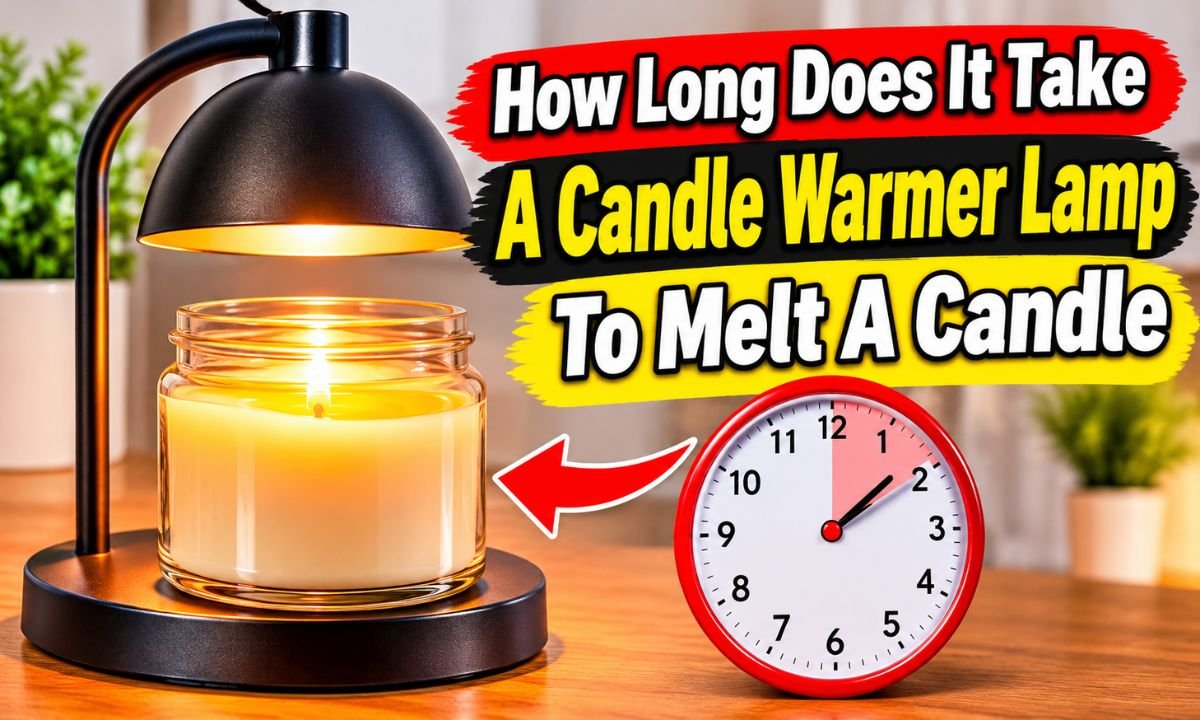
A candle warmer lamp usually starts melting the top layer of wax within 5 to 15 minutes. A wider liquid wax pool can take about 15 to 60 minutes, depending on the candle and lamp.
Across American homes, candle warmer lamps have become a popular way to enjoy scented candles without lighting a wick. People use them in living rooms, bedrooms, home offices, and bathrooms. They offer a simple way to release fragrance while avoiding an open flame.
The time needed to melt a candle depends on several things. These include the bulb’s heat output, its distance from the wax, the candle’s width, and the type of wax. A small jar may develop a liquid surface fairly quickly, while a large candle can need much longer. Also, melting the top layer is not the same as melting the entire candle.
For most users, the first sign of progress is a soft, shiny layer of wax beneath the bulb. Over time, this layer spreads across the surface. Understanding this process helps you choose the right lamp settings, avoid excessive heat, and get a pleasant fragrance from your candle.
Source: maoyue.shop
How Long Does a Candle Warmer Lamp Take to Melt a Candle?
Most candle warmer lamps begin warming the wax within a few minutes. You may see the surface soften in about 5 to 15 minutes. A more noticeable liquid layer may form in roughly 15 to 30 minutes, while a wider melt pool can take 30 to 60 minutes or longer.
These are practical estimates, not guaranteed times. Different lamps produce different amounts of heat, and candle designs vary. A low dimmer setting can slow the process. A large jar can also need more time than a small one.
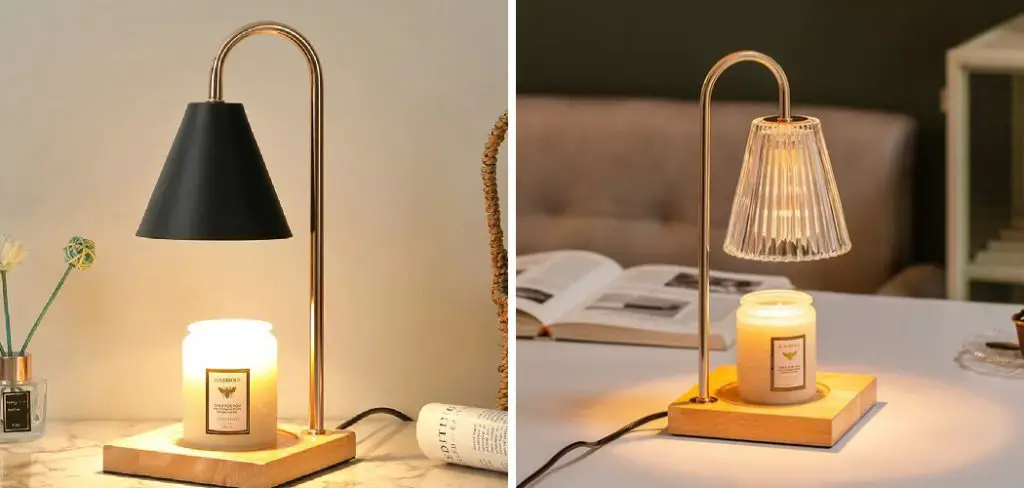
A candle warmer lamp does not work like a pot of water heated from below. Its bulb directs heat onto the wax surface. This means the top can become liquid while the wax near the bottom stays firm. That is normal.
Source: m.media-amazon.com
Initial softening
The top layer begins to lose its firm shape. You may notice a slight shine or a soft surface after several minutes.
Early melting
A small liquid area forms under the bulb. The candle may begin releasing a noticeable fragrance.
Wider surface melt
The liquid layer spreads across more of the candle’s top. This may take 30 to 60 minutes, especially with wide jars.
Continued warming
The surface stays warm and liquid while the lamp runs. The lower wax does not have to melt for the candle to release fragrance.
Why Does the First Melt Take Longer?
A new candle often starts with a firm, cool layer of wax. The warmer must transfer enough heat to soften that layer before it can spread. The glass jar may also absorb some heat during the first part of the session.
Once the top layer becomes liquid, the candle may continue warming more steadily. However, this does not mean every later session will take the same amount of time. Room temperature, the remaining wax level, and lamp settings can still change the result.
Does the Entire Candle Need to Melt?
No. A candle warmer lamp mainly needs to melt the upper surface to release fragrance. You do not need to wait until all the wax in the jar becomes liquid.
This is one of the main differences between a top-down lamp and a warmer plate. A lamp directs heat toward the surface, while a plate heats the candle from the bottom. Each design creates a different melting pattern.
What Factors Affect Candle Warmer Lamp Melting Time?
Several factors can make one candle melt faster than another. Even two candles placed under the same lamp may behave differently. The best way to understand the timing is to look at the heat source, candle size, wax, and room conditions together.
You can often improve the melting process by making small adjustments. However, never change the bulb to a higher wattage unless the lamp manufacturer specifically allows it. More heat is not always better.
Source: m.media-amazon.com
Bulb wattage
The bulb determines how much heat reaches the candle. Many warmer lamps use halogen bulbs, but their wattage and design vary. Follow the exact bulb rating listed in your manual.
Distance from the candle
A bulb positioned farther from the wax transfers less heat to the surface. An adjustable lamp can help you find a suitable position within the manufacturer’s allowed range.
Candle size
A wide candle has more surface area to warm. It may take longer to develop an even liquid layer than a narrow candle.
Wax formula
Soy, paraffin, beeswax, and blended candles can respond differently to heat. Their melting behavior depends on the specific formula and additives.
Room temperature
A cold room can slow the warming process. A warmer room may help the wax soften sooner.
Dimmer setting
A low brightness setting may reduce heat output on lamps designed to control heat through dimming. This can extend melting time.
How Bulb Wattage Changes Melting Time
The bulb is one of the most important parts of a candle warmer lamp. Many models use a halogen bulb because it produces both light and radiant heat. That heat travels downward and warms the wax.
A lamp with a suitable 50-watt halogen bulb may warm a candle differently from a model with a lower-rated bulb. However, wattage alone does not tell the whole story. Bulb design, reflector shape, distance, and lamp construction also affect how much heat reaches the candle.
Always use the bulb type and wattage listed in your product manual. A bulb with a higher rating can overheat the lamp or damage its parts. Never assume that a bulb will work simply because it fits the socket.
Does the Type of Candle Wax Matter?
Yes. Different wax formulas have different melting ranges. Soy wax, paraffin, beeswax, and coconut-based blends do not all respond to the same amount of heat in the same way.
Some soy blends may soften at lower temperatures than certain paraffin or beeswax formulas. But there is no reliable rule that every soy candle melts faster than every paraffin candle. The blend and additives matter.
If your candle warms slowly, do not assume the wax is unsuitable. Check the lamp’s instructions and candle container first. Give the wax time to soften rather than using an unapproved heat source.
How Long Does It Take to Melt Different Candle Sizes?
Candle size can make a clear difference in how long the top layer takes to melt. A small jar has less surface area to warm than a wide, multi-wick candle. The bulb’s coverage also matters because the heat needs to reach the wax across the jar.
The following table gives broad planning estimates. These are not laboratory measurements or guarantees for every lamp. They assume a compatible candle, a working bulb, and a suitable lamp position.
Source: m.media-amazon.com
Estimated Melting Times by Candle Size
Use these ranges as a starting point when you first switch on your lamp. Watch the wax rather than relying only on the clock. A small liquid area does not mean the whole surface has melted.
Small jar candle
A narrow candle may begin softening in about 5 to 10 minutes. A noticeable surface pool may form in approximately 15 to 30 minutes.
Medium jar candle
A medium candle may need about 10 to 20 minutes to show clear softening. A broader surface pool may take around 20 to 45 minutes.
Large jar candle
A large candle may need 15 to 30 minutes to show noticeable melting. A wider liquid layer can take 30 to 60 minutes or longer.
Wide three-wick candle
A wide candle may take longer if the bulb cannot cover its full surface. Check the lamp’s maximum candle width and height before use.
Why Large Candles Need More Time
Large candles often have wider openings and more wax near the top. The lamp must spread heat across this larger area. If the bulb is too small or too far away, the center may melt while the edges stay firm.
The shape of the glass jar also affects heat transfer. A tall candle may place the wax too close to the bulb, while a short candle may sit too far below it. Adjustable height can help, but you must stay within the model’s safe operating range.
If you regularly use large candles, choose a lamp designed to accommodate their dimensions. Do not place a candle on an unstable stack of books or other objects to bring it closer to the bulb.
How to Melt a Candle Properly With a Warmer Lamp
Using a candle warmer lamp is simple, but a few setup steps can improve the result. Before switching it on, check that the candle fits the lamp and that the bulb is installed correctly. Read the product manual because lamp designs and operating limits vary.
A stable setup is more important than getting the fastest possible melt. Keep the lamp away from curtains, paper, bedding, and other items that could be affected by heat. Place it on a firm, level surface with enough open space around it.
Source: i5.walmartimages.com
Step 1: Check the candle
Use a candle in a suitable heat-resistant container. Check the jar for cracks, chips, or other damage before warming it.
Step 2: Remove the lid
Take off the candle lid before switching on the lamp. Keep the wick unlit. The lamp is designed to warm the wax without a flame.
Step 3: Center the candle
Place the jar on the lamp base directly beneath the bulb. Make sure it sits flat and does not wobble.
Step 4: Adjust the lamp height
If your model has an adjustable arm, set the bulb at the distance recommended by the manufacturer. Do not allow the shade or bulb to touch the jar.
Step 5: Select a suitable setting
Start with the recommended setting in the manual. If the lamp has a dimmer, use its controls as directed rather than fitting a different bulb.
Step 6: Watch the wax
Allow the wax to warm gradually. Look for a soft, shiny surface and a growing liquid layer.
Step 7: Switch off the lamp
Turn off the lamp when your session is over or when the timer ends. Let the wax cool and harden before moving the candle.
What Does a Properly Melted Candle Look Like?
A properly warmed candle usually has a smooth liquid layer on its upper surface. The wax may look glossy rather than dull and solid. You may also notice the fragrance becoming more noticeable as the wax warms.
You do not need to see bubbles, smoke, or visible vapor. These are not signs that the warmer is working better. If the wax bubbles, smokes, or gives off an unusual burnt smell, switch off the lamp and let everything cool.
How Long Should You Wait Before Expecting a Fragrance?
Some candles begin releasing fragrance before the entire surface becomes liquid. You may notice a scent within the first 10 to 20 minutes, although a larger room or a mild fragrance may require more time.
Fragrance strength depends on the candle’s formula, fragrance load, room size, airflow, and heat level. A weak scent does not always mean the wax has failed to melt. Give the candle a reasonable warm-up period and check the lamp’s position before making changes.
Why Is My Candle Warmer Lamp Taking Too Long to Melt Wax?
If your candle is still firm after 30 minutes, check the setup before assuming the lamp is broken. A low setting, an incorrect bulb, or an unsuitable candle position can reduce the amount of heat reaching the wax.
Some large candles naturally need more time. However, if the surface shows no sign of softening after a reasonable warm-up period, it is worth checking the lamp and bulb. Switch off and unplug the lamp before inspecting or changing any parts.
Source: m.media-amazon.com
The bulb is too far from the wax
A large gap can reduce the heat reaching the candle. If the lamp is adjustable, follow the manual to set a suitable distance.
The dimmer is too low
A low setting may produce slower warming. Try the recommended starting setting instead of immediately increasing the heat beyond the manufacturer’s instructions.
The bulb is damaged
A worn or failed bulb may not provide enough heat. Check whether the bulb lights and inspect it after the lamp has been unplugged and cooled.
The wrong bulb is installed
An LED bulb may fit some sockets but produce too little heat for a lamp designed for halogen. Use only the exact bulb type and rating approved for the model.
The candle is too wide
The bulb may not cover the entire wax surface. Check the lamp’s stated size limits and use a compatible candle.
The room is cold
A cool room can slow the warming process. Allow extra time while keeping the lamp in a safe, stable location.
What to Check When the Wax Does Not Melt
Start with the simplest checks. Confirm that the lamp is plugged into a working outlet and switched on. Then check the dimmer setting and make sure the candle is centered beneath the bulb.
Next, inspect the bulb after unplugging the lamp and allowing it to cool. Check the manufacturer’s instructions for the correct bulb type, base, and wattage. Replace a damaged bulb only with an approved replacement.
If the lamp still does not warm the wax, stop using it. A damaged socket, loose electrical connection, or faulty control can create a safety risk. Contact the manufacturer or replace the unit rather than attempting an electrical repair without the proper skills.
Why Does Only the Center of the Candle Melt?
A small melted circle in the center can mean the bulb is heating one area more strongly than the rest. This can happen when the candle is too wide for the lamp or when the bulb is not positioned over the center of the jar.
Check whether the lamp’s shade and bulb cover the candle’s full width. If the model supports height adjustment, use the position recommended for that candle size. Do not tilt the lamp or use an improvised support to spread the heat.
A small central melt pool is not necessarily a fault. It may simply be an early stage of the warming process. Give the candle time to warm while following the recommended operating period.
How Long Should You Leave a Candle Warmer Lamp On?
The best running time depends on the lamp’s instructions and the candle’s condition. Some manufacturers provide timers with 2-hour, 4-hour, or 8-hour settings. These settings are product features, not a rule that every candle should be heated for that long.
For everyday use, start with a short supervised session and see how quickly the candle develops a surface melt. Once the fragrance is noticeable, you may not need to keep increasing the heat. More time does not always mean a better scent.
Follow the manufacturer’s maximum operating time. Turn off the lamp before leaving home or going to sleep. If your model has an automatic timer, use it as an extra control rather than a reason to leave the warmer unattended.
Source: m.media-amazon.com
Use the built-in timer
Choose a setting that fits the manufacturer’s instructions and your planned session. Check that the automatic shutoff works as described.
Avoid overnight use
Do not run a candle warmer lamp while sleeping. Switch it off before going to bed.
Do not leave home with it running
Turn off the lamp before leaving the room for an extended period or leaving your home.
Let the candle cool
Allow liquid wax to become firm before moving the jar. Hot liquid wax can spill and cause burns.
Does Longer Heating Make the Candle Smell Stronger?
Not always. Warming the wax helps fragrance oils evaporate into the air, but running the lamp for longer does not guarantee a stronger scent. The candle’s fragrance formula and the room’s size also matter.
Repeated heating gradually reduces the fragrance available in the wax. You may eventually notice that the candle produces less scent even though plenty of wax remains in the jar. This is a normal limitation of scented candles.
If the fragrance becomes weak, check whether the candle has already released much of its fragrance. Do not keep raising the heat in an attempt to restore a scent that has faded.
Can You Turn the Lamp Off Before All the Wax Melts?
Yes. There is no need to wait for every part of the candle to become liquid. If the top has developed a suitable melt pool and the fragrance is noticeable, you can turn off the lamp according to its instructions.
The wax will gradually cool and become solid again. This is expected. A candle warmer lamp can be used in separate sessions, so the wax does not need to stay liquid all day.
Candle Warmer Lamp Safety Tips You Should Follow
A candle warmer lamp removes the need for an open flame, but it still uses heat and electricity. The bulb, shade, candle jar, and melted wax can become hot during use. Treat the lamp as a heating appliance rather than an ordinary decorative light.
The National Fire Protection Association recommends safe candle practices, including keeping heat sources away from combustible items and avoiding unattended use. The same careful approach is sensible with electric candle warmers.
A timer is useful, but it does not replace safe placement and supervision. Always follow the instructions supplied with your specific model.
Source: lightenify.com
Keep the lamp away from flammable items
Leave space around curtains, paper, clothing, bedding, furniture, and decorations. Never cover the lamp or place objects over its shade.
Use a stable surface
Place the lamp on a level, firm surface where it cannot tip over. Keep cords away from walkways and areas where people may pull them.
Protect children and pets
Position the lamp where children and pets cannot reach the hot shade, bulb, or candle jar. Remember that even a flameless warmer can cause burns.
Inspect the candle jar
Do not heat a cracked or damaged container. Stop using the candle if the glass shows signs of damage.
Avoid touching hot parts
Switch off and unplug the lamp before handling the bulb or cleaning it. Allow all parts to cool as directed by the manual.
Use approved replacement bulbs
Never install a bulb with an unapproved wattage or type. The wrong bulb can cause overheating or poor performance.
Do not use the wick
Never light the candle while it is under the warmer lamp. Use one heating method at a time and keep the wick unlit during warming.
Can a Candle Warmer Lamp Overheat a Candle?
Yes. A candle warmer lamp can expose wax and its container to excessive heat if the wrong bulb is used or the lamp is operated outside its intended settings. Very hot wax can also damage some containers or create a burn risk if spilled.
Watch for unusual signs such as bubbling wax, smoke, a burnt smell, damaged glass, or excessive heat around the candle. Switch off and unplug the lamp if you notice any of these problems. Do not touch the hot wax or jar until they have cooled.
Never try to fix overheating by adding water to hot wax or moving a hot candle. Let the equipment cool, then check the manual. If the lamp continues to overheat, stop using it.
Is a Candle Warmer Lamp Safer Than a Burning Candle?
A candle warmer lamp avoids the open flame that comes with a burning wick. This removes one important ignition source and can reduce risks linked to unattended flames. It also avoids the normal soot and smoke produced by burning a wick.
However, it is not risk-free. Electric heating elements, hot bulbs, damaged cords, and hot liquid wax can still cause problems. The safest choice is to use the lamp correctly, keep it supervised, and switch it off after use.
If your main concern is fire prevention, remember that no heat-producing appliance should be treated as completely safe just because it does not use a flame.
Does a Candle Warmer Lamp Melt Wax Faster Than a Candle Flame?
A candle warmer lamp and a burning candle heat wax in different ways. A lamp directs heat from above, while a lit wick creates a flame that heats the wax around it. Because the heat patterns differ, there is no single melting time that applies to both methods.
A warmer lamp can soften the top layer without burning the wick. This helps reduce tunneling in many jar candles. It also means the wax can remain in the container while its fragrance is released.
A burning candle consumes wax as fuel. A warmer lamp does not burn the wax in the same way, although fragrance oils can still evaporate over time. As a result, the candle may retain much of its wax after its scent has weakened.
Source: m.media-amazon.com
Candle warmer lamp
Heats the upper surface from above. It releases fragrance without a lit wick and does not consume wax through combustion.
Burning candle
Uses a flame and wick to melt and burn wax. It produces light and heat while gradually reducing the candle’s wax supply.
Electric warmer plate
Heats a candle from its base. Its melting pattern differs from a top-down lamp, and the warming process may be slower depending on the design.
Does a Warmer Lamp Make a Candle Last Longer?
A candle can last longer in terms of the amount of wax remaining because the warmer does not burn wax as fuel. However, that does not mean the original fragrance will last forever.
Fragrance oils gradually leave the wax during repeated heating. Eventually, the candle may have plenty of solid wax but produce little noticeable scent. At that point, keeping it under the lamp for longer may not provide much benefit.
Think of the wax and fragrance as two different things. The wax may remain, while the scent becomes weaker. This is why candle lifespan depends on what you mean by finished.
Frequently Asked Questions
Q
How long does it take a candle warmer lamp to release fragrance?
Many candles begin releasing noticeable fragrance within about 10 to 30 minutes. However, some may take longer depending on the bulb, candle formula, jar size, and room conditions. You may smell the fragrance before the entire wax surface becomes liquid.
Q
Should the entire candle melt under a warmer lamp?
No. A candle warmer lamp heats wax from above, so the upper layer can become liquid while the lower wax remains solid. This is normal and is often enough to release the candle’s fragrance.
Q
Why does my candle warmer lamp melt wax slowly?
A slow melt may result from a low dimmer setting, excessive bulb distance, a weak or incorrect bulb, a wide candle, or a cool room. Check the lamp’s manual, candle dimensions, and approved bulb type before making changes. Never install a stronger bulb unless the manufacturer allows it.
Q
Can I leave my candle warmer lamp on for four hours?
Only if the manufacturer permits that operating time. Some models include four-hour timer settings, while others have different limits. Use the built-in timer, supervise the appliance, and switch it off before sleeping or leaving home.
Q
Does a candle warmer lamp work with soy candles?
Yes. Many jar-style soy candles can be used with a compatible warmer lamp. The exact melting time depends on the soy wax formula, fragrance, candle dimensions, and lamp settings. Check that the candle container fits the warmer and is suitable for heating.
Q
Can I use an LED bulb in a candle warmer lamp?
Not unless the lamp manufacturer specifically approves that LED bulb for the model. Many candle warmer lamps rely on the heat from a halogen bulb. A standard LED bulb may produce light without enough heat to melt the wax.
Q
Why does my candle smell weaker after several uses?
Repeated warming releases fragrance oils into the air. As those oils gradually evaporate, the remaining wax may produce a weaker scent. This can happen even when the candle still contains a large amount of wax.
Q
Can I use a candle warmer lamp with a three-wick candle?
You can use one only if the candle’s size and container fit the lamp’s stated limits. Wide three-wick candles may extend beyond the area heated by the bulb. Check the maximum candle width and height before use.
✦ Wrapping Up
Conclusion
A candle warmer lamp usually begins softening candle wax within 5 to 15 minutes. A noticeable liquid surface may develop in about 15 to 30 minutes, while a wider melt pool can take 30 to 60 minutes or longer. The exact time depends on the candle, bulb, distance, dimmer setting, and room temperature.
Remember that a warmer lamp heats wax from above. You do not need to melt the entire candle to enjoy its fragrance. A smooth liquid layer across the top is generally enough to show that the warming process is working.
For the best results, use a compatible candle, follow the manufacturer’s bulb and height instructions, and allow the wax to warm gradually. Keep the lamp on a stable surface, use its timer, and switch it off before leaving home or going to sleep.
💡 Key Takeaway
Start with a supervised 15-minute warming session. Check whether the wax has softened, then allow more time if needed. Use only the approved bulb and settings, and turn the lamp off when finished.









One Comment