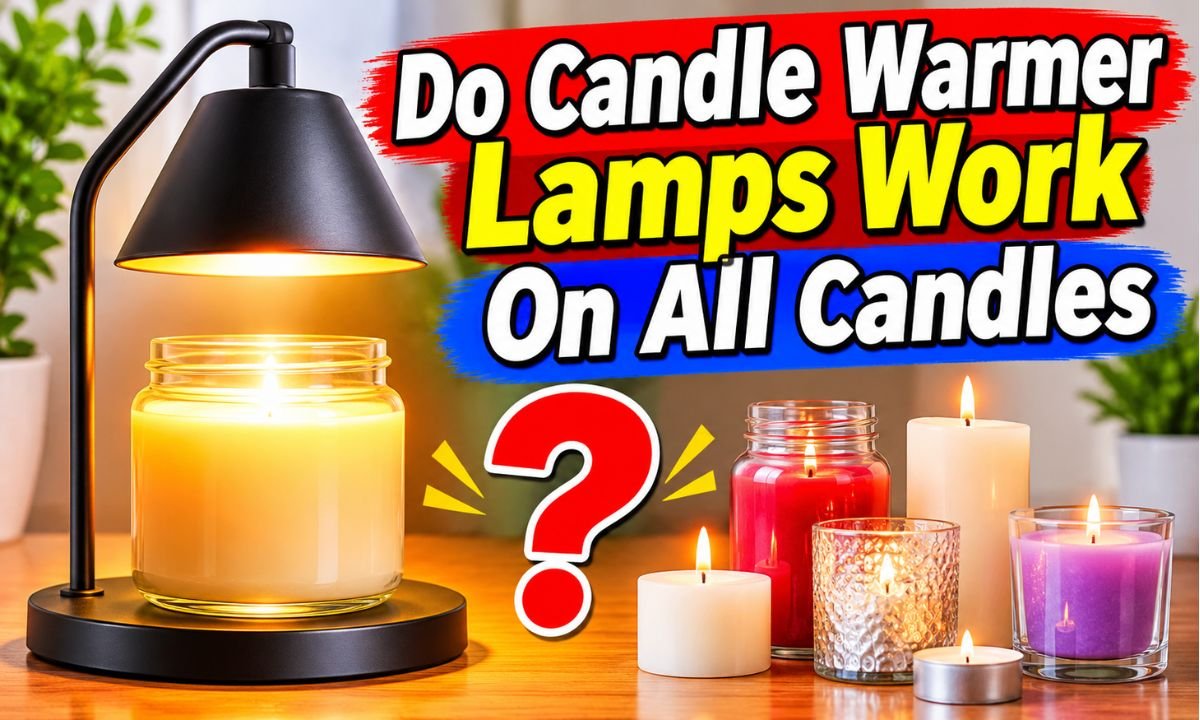
No. Candle warmer lamps work with most standard jar candles, but candle size, container material, shape, and lamp design determine compatibility.
In American homes, scented candles are common in living rooms, bedrooms, bathrooms, and home offices. Many people enjoy using a candle warmer lamp because it releases fragrance without lighting a wick. It can be a handy option when you want a pleasant scent without an open flame.
However, not every candle is suitable for this type of warmer. A standard glass jar candle will often work, while a tall pillar, narrow taper, or candle in a fragile decorative container may not. The lamp must also have enough space above the wax to heat it properly.
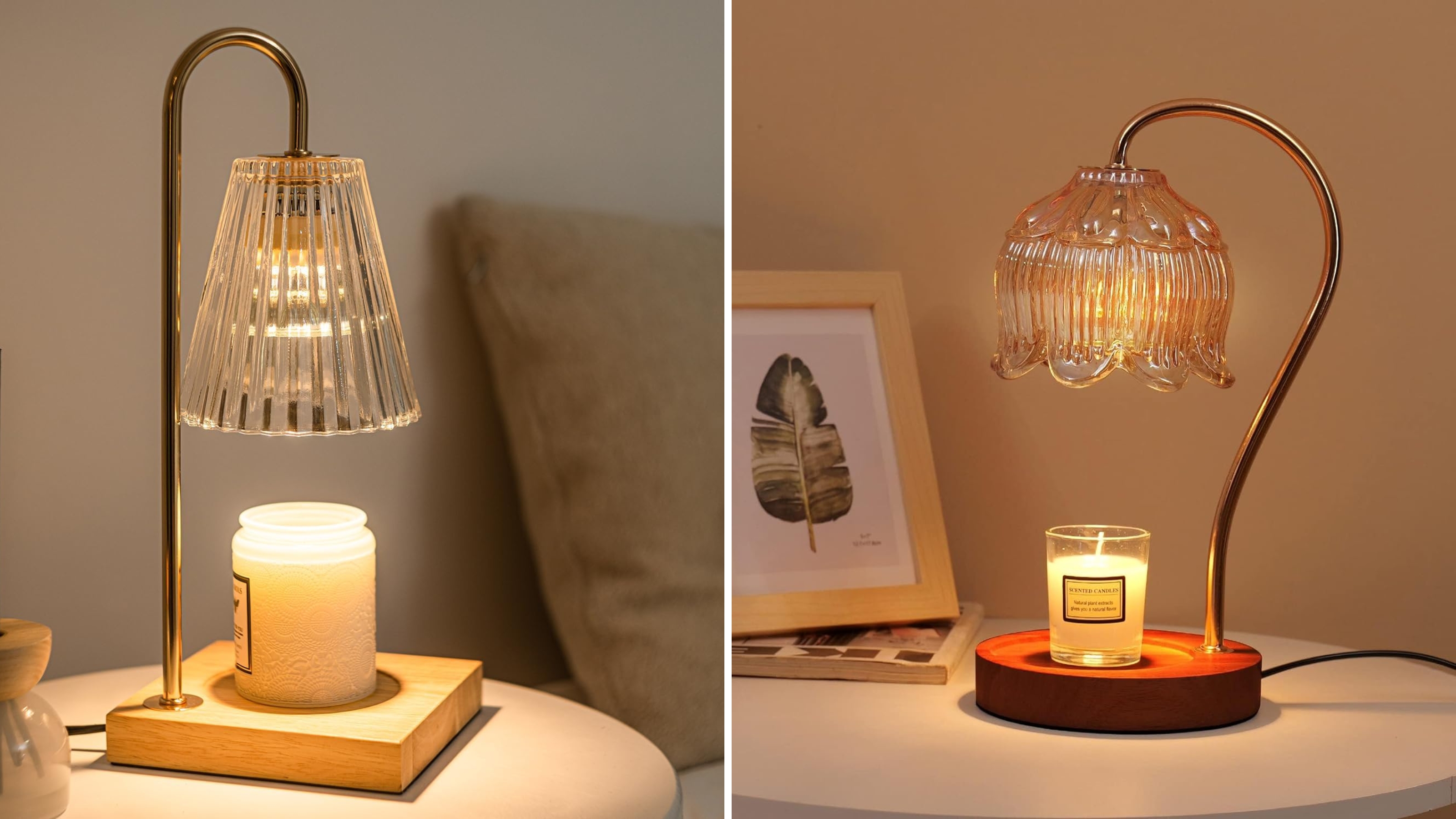
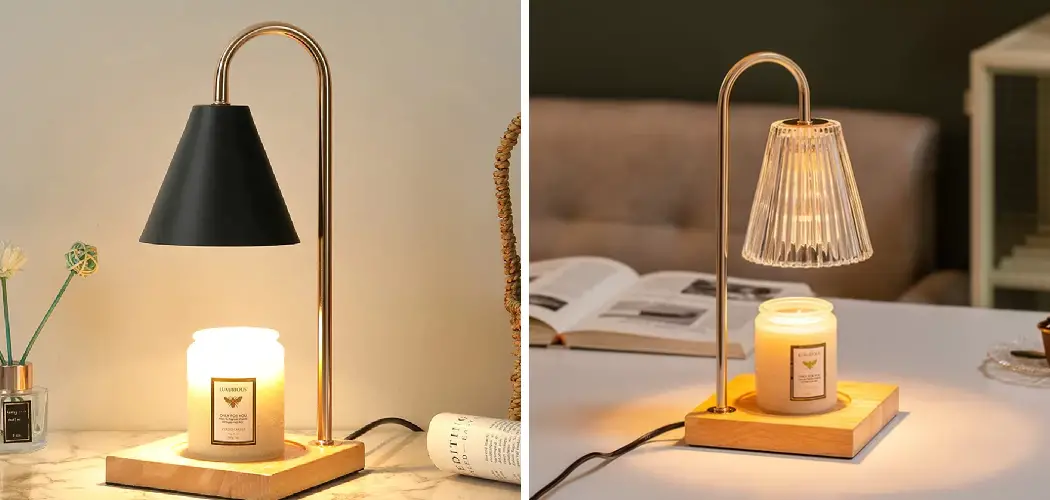
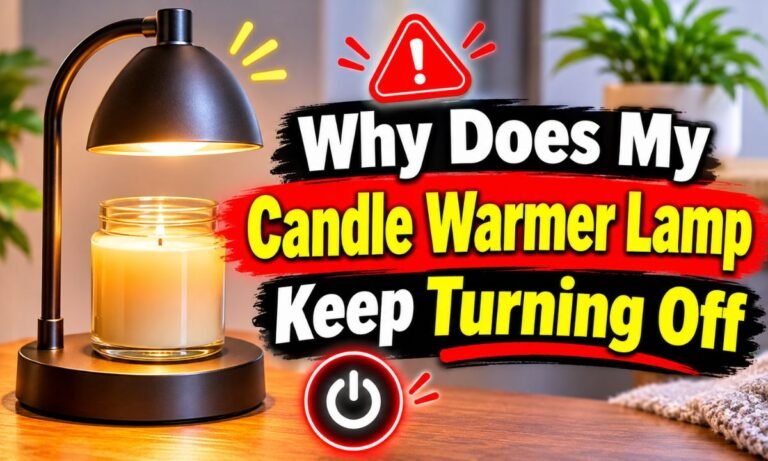
The key is to understand how a warmer lamp works before placing a candle underneath it. These lamps use a focused heat bulb to warm wax from above. They do not work like traditional warmer plates, which heat a candle from the bottom. This difference affects which candles you can use and how well they release fragrance.
There is also an important safety point: a candle warmer lamp does not make every glass jar safe for heating. Check the candle maker’s guidance, inspect the container, and follow the lamp’s instructions. This guide explains which candles are suitable, which ones need another type of warmer, and how to make a sensible choice.
Source: realhomes.com
How Do Candle Warmer Lamps Work?
A candle warmer lamp uses heat from a bulb to soften the top layer of candle wax. The softened wax releases fragrance into the room without needing a flame or a burning wick. Most lamp-style warmers use a focused halogen bulb, although designs and heating systems can vary.
When you switch on the lamp, heat travels from the bulb toward the candle surface. The wax begins to soften and form a small melted pool. Fragrance compounds then escape from the warmed wax and spread through the surrounding air.
This process differs from burning a candle. When you light a wick, the flame melts and consumes wax as fuel. Under a warmer lamp, the wax stays in the container rather than being consumed by a flame. However, the fragrance can still become weaker with repeated use because fragrance components gradually escape into the air. Candle Warmers Etc. describes this top-down heating process in its official product FAQ.
Source: lightenify.com
Top-down heating
The bulb warms the upper wax surface. The lower wax does not need to melt for the candle to release fragrance.
No burning wick
The candle remains unlit while the lamp is operating. You do not need to trim or light the wick during warming.
Fragrance release
Heat helps fragrance compounds escape from the wax and enter the room.
Wax remains in the jar
The wax is not consumed by a flame, although its fragrance may become weaker over time.
Why Does Candle Shape Matter?
A warmer lamp needs to direct heat toward the candle’s upper surface. A wide jar may receive heat across a smaller portion of its wax than a narrow jar. A candle that is too tall may not fit beneath the lamp at all.
For example, a regular glass jar candle may sit comfortably on the lamp’s base. A large decorative candle with a wide rim may extend beyond the heated area. The lamp could warm only part of its surface, leading to uneven melting and weaker fragrance release.
Height
The candle must fit below the lamp head with the clearance required by the manufacturer.
Width
The heated area should cover the wax surface well enough for useful warming.
Container shape
An uneven rim or unusual vessel may block heat or prevent stable placement.
Which Candles Work Best With Candle Warmer Lamps?
Standard scented jar candles are generally the best match for candle warmer lamps. Their containers provide a stable base, and their open tops allow the bulb to warm the wax directly. However, the candle must still fit the lamp and have a container designed to handle the expected heat.
Glass jar candles are common choices because many are made for candle use. Still, not all glass containers have the same quality or heat resistance. Candle Warmers Etc. warns that it cannot guarantee every candle company’s glass jars are free from hidden defects and recommends checking with the candle manufacturer when necessary.
The wax type also matters, but it is not the only factor. Soy, paraffin, coconut, and blended waxes can all soften under suitable heat. A particular candle’s formula, fragrance load, surface area, and container design affect how it performs. You should not assume that every candle made from one wax type will behave exactly the same way.
Source: realhomes.com
Glass jar candles
Usually the most practical choice when the jar is sturdy, undamaged, approved or recommended for warming, and correctly sized for the lamp.
Soy candles
Many soy candles can be warmed in suitable containers. Their performance depends on the wax blend, fragrance formula, and lamp heat.
Paraffin candles
Many paraffin jar candles can work under a suitable warmer lamp. Check the jar and the manufacturer’s instructions rather than relying on wax type alone.
Coconut wax blends
These may work when packaged in suitable heat-safe containers. The exact blend and candle design still matter.
Three-wick jar candles
Some lamps can accommodate wider three-wick jars. Measure the candle and check the lamp’s maximum size before using it.
Wickless jar candles
These are designed without a wick and can be convenient for lamp warming when their container and wax are compatible.
Can You Use Soy Candles Under a Warmer Lamp?
Yes, many soy jar candles can work under candle warmer lamps. Soy wax is a common material in scented candles, and it can soften when exposed to suitable heat. The lamp must still be able to warm the wax surface effectively.
Do not assume that every soy candle will produce the same fragrance. Some soy candles contain blends of different waxes and fragrance ingredients. A candle with a wide jar or a thick decorative rim may also warm differently from a smaller container candle.
If the candle maker gives specific warming instructions, follow them. Otherwise, begin with a short supervised session and check how the wax responds.
Good starting choice
A regular soy candle in an undamaged glass jar that fits the warmer.
What to watch
Uneven melting, excessive heat, and a fragrance that becomes weak after repeated sessions.
Can You Use Paraffin Candles?
Yes, a paraffin candle in a suitable jar can usually be warmed by a compatible lamp. Paraffin is used in many scented candles and softens when heated. The warmer does not need to burn the wax to release its fragrance.
The main concern is the whole candle, not just the wax. A stable container, proper lamp clearance, and a suitable heating bulb matter more than the label on the wax blend. Always check the candle’s packaging and the lamp instructions.
Suitable option
A properly made paraffin jar candle that fits the warmer.
Avoid
An unknown or damaged container, even if the wax itself seems suitable.
Are Three-Wick Candles Compatible?
Many three-wick candles can work under a warmer lamp if the jar is within the lamp’s size limits. However, three-wick candles often have wider openings than small single-wick jars. The bulb must warm enough of the wax surface to release fragrance effectively.
An adjustable-height lamp may offer more room for larger containers, but height adjustment does not always solve a width problem. Measure both the candle’s height and its widest point before using it.
Measure first
Check the jar diameter, height, and clearance beneath the lamp head.
Check the heat coverage
Make sure the bulb can warm the surface without requiring an unsafe position.
Which Candles Should You Avoid Using With a Warmer Lamp?
Not every candle is made for top-down warming. Some shapes cannot sit properly under a lamp, while others need a special holder or dish. A candle may soften when heated but still be unsuitable because its container is unstable or not designed for that use.
The safest approach is to avoid direct warming when the candle maker or lamp manufacturer does not support the combination. Do not try to make an unsuitable candle fit by removing its container, balancing it on another object, or changing the lamp’s bulb.
Source: lampinsider.com
Pillar candles
These candles are usually designed to stand upright and burn without a jar. They may not fit securely on a lamp base. Do not place a bare pillar candle under a lamp unless the warmer’s manufacturer specifically permits that use and provides a suitable support.
Taper candles
Their long, narrow shape is intended for a candle holder, not a typical warmer lamp. They are generally unsuitable for direct use.
Tea lights
Small metal or plastic cups may not provide the correct support or clearance. Use them only with a warmer designed for that candle type.
Loose wax melts
Wax melts need an appropriate heat-safe dish. Do not place loose wax directly on a lamp base or electrical parts.
Cracked or chipped jars
Damage can weaken the container. Do not heat a damaged glass jar.
Unknown decorative containers
Ceramic, painted, thin glass, and unusual decorative vessels may not be designed to handle repeated heating.
Very large candles
A candle that exceeds the lamp’s height or width limits may receive uneven heat or sit too close to the bulb.
Can You Put a Pillar Candle Under a Candle Warmer Lamp?
A pillar candle is generally not the best choice for a standard candle warmer lamp. Unlike a jar candle, it has no surrounding container to hold melted wax. Once the wax softens, it may spread or drip onto the lamp base or nearby surfaces.
Some specialized warming products may support candles without jars, but you should not assume that a regular lamp can do this. Check the manufacturer’s instructions for the exact warmer model. If the instructions only mention jar candles, use a jar candle instead.
Main concern
Softened wax may move beyond the candle’s original shape.
Better choice
Use a compatible jar candle or a warmer specifically designed for the candle type.
Can You Use Wax Melts With a Candle Warmer Lamp?
You can use wax melts with some candle warmer lamps, but only when the model supports them and you have the correct heat-safe dish. A wax melt is a piece of scented wax without a wick or its own container.
Some lamps have a base or accessory that accepts a small dish. Other designs are intended only for jar candles. The official instructions for the particular lamp should settle this question.
Never place loose wax on a wooden base, plastic surface, bulb housing, or electrical component. Melted wax can spill, damage the warmer, or create a difficult cleanup problem.
Check the design
Look for a specific dish or wax-melt accessory approved for your model.
Use the correct dish
Place the wax in the designated heat-safe dish before warming.
Clean after cooling
Switch off the warmer, unplug it, and allow the wax and dish to cool before handling.
Does the Candle Container Matter?
Yes. The container is one of the most important parts of candle warmer compatibility. Even when the wax is suitable, the vessel must be able to tolerate the heat and remain stable throughout the warming session.
A regular candle jar may be made from glass intended for candle use. That does not mean every glass jar is suitable for repeated heating under a lamp. Differences in glass quality, thickness, manufacturing defects, and previous damage can affect how a container responds to heat.
Candle Warmers Etc. specifically states that it cannot guarantee the quality of every candle company’s glass jars. Its guidance recommends contacting the candle manufacturer when you need to confirm whether a particular jar is suitable. This is a useful rule for any unfamiliar candle.
Source: lightenify.com
Glass
Use an undamaged jar intended for candle use, subject to the candle maker’s warming guidance.
Metal tins
Do not assume a metal tin is compatible with every lamp. Follow the instructions for the specific warmer and candle.
Ceramic
Decorative ceramic vessels may have different heat limits. Use them only when their maker confirms they are suitable.
Plastic
Do not use ordinary plastic containers under a heat source unless the product is specifically designed and approved for that use.
Damaged containers
Never warm candles in jars with cracks, chips, loose bases, or other visible damage.
Are Candle Jars Likely to Crack Under a Warmer Lamp?
A suitable, undamaged candle jar should be used according to its maker’s instructions, but no general rule can guarantee that every jar will remain intact. Poor-quality glass, hidden defects, existing damage, and improper heating can increase the risk of breakage.
A warmer lamp’s bulb is a heat source. The jar may become warm during use, so do not grab it while the lamp is operating. Switch off the warmer and allow the candle to cool before moving it.
If you hear unusual cracking sounds, see a new crack, or notice that the container has become unstable, switch off the lamp if you can do so safely. Unplug it once safe, keep away from hot wax, and do not reuse the damaged candle.
Before use
Inspect the entire jar, including its base and rim.
During use
Watch for visible damage, unusual movement, or signs of overheating.
After use
Let the container cool before touching or moving it.
Can You Use Candles in Metal Tins?
Some candle tins may be suitable for certain warming products, but you should not treat all metal containers as interchangeable with glass jars. Their shape, size, construction, and the warmer’s design all matter.
A metal tin can also become hot during use. Check the instructions for both products before trying it. If the lamp maker specifies glass jar candles only, do not substitute a tin.
Check the manual
Confirm whether the warmer supports metal candle containers.
Check stability
The tin must sit securely on the approved base.
How to Check Whether Your Candle Fits a Warmer Lamp
You can check compatibility by looking at the candle, reading both sets of instructions, and measuring the container. This simple process can help you avoid poor fragrance release, unstable placement, and unnecessary heat exposure.
Do not rely on a candle’s brand name or price to judge compatibility. A popular candle may still be too tall or wide for your lamp. A less expensive jar candle may fit perfectly but still require confirmation that its container is suitable for warming.
Source: realhomes.com
Step 1: Read the lamp manual
Check the approved candle types, maximum height, maximum width, bulb requirements, and minimum clearance.
Step 2: Check the candle instructions
Look for information about warming, container material, and any restrictions from the candle maker.
Step 3: Inspect the container
Look for cracks, chips, loose parts, unusual decorations, or signs of previous damage.
Step 4: Measure the candle
Measure its height and widest point. Compare both measurements with the lamp’s stated limits.
Step 5: Check the bulb
Make sure the lamp has its specified bulb. Do not substitute a regular household bulb or a higher-wattage bulb.
Step 6: Place the candle correctly
Set the unlit candle on the stable base and position it according to the lamp instructions.
Step 7: Supervise the first session
Watch how the wax responds and check for uneven heating, unusual smells, container damage, or other problems.
Candle and Warmer Compatibility Table
The following table gives a general starting point. It is not a substitute for the instructions supplied with your exact lamp and candle. Manufacturer approval takes priority when a material or candle shape is uncertain.
Standard glass jar candle
Generally suitable when the jar is undamaged, intended for candle use, and within the warmer’s size limits.
Soy jar candle
Often suitable in a compatible container. Check the wax formula and maker’s instructions.
Paraffin jar candle
Often suitable in a compatible container. Check the lamp’s heating requirements.
Three-wick jar candle
Conditionally suitable. Confirm that the jar fits and that the bulb covers the wax surface adequately.
Wickless jar candle
Often suitable when the jar and wax are designed for lamp warming.
Pillar candle
Generally unsuitable for direct use on a standard lamp base.
Taper candle
Generally unsuitable because of its shape and lack of a stable warming container.
Tea light
Use only with a warmer designed for tea lights.
Loose wax melts
Use only in the correct heat-safe dish on a model designed for wax melts.
Cracked glass candle
Do not use. Replace or safely discard the damaged candle.
Unknown decorative vessel
Avoid warming until the container’s heat suitability is confirmed.
Example: Checking a Large Jar Candle
Imagine that you own a large three-wick candle measuring 6 inches wide and 5 inches tall. Your warmer lamp manual lists a maximum candle width of 5 inches and a maximum height of 7 inches.
The candle passes the height check but fails the width check. It may not receive suitable heat across its surface, even though it fits beneath the lamp. You should not force it onto the warmer or position it off-center to make it fit.
In this example, a wider warmer with a suitable heating area would be a better option. The lesson is simple: check both measurements, not just the height.
Height result
The 5-inch candle fits within the stated 7-inch height limit.
Width result
The 6-inch candle exceeds the stated 5-inch width limit.
Final decision
Do not use this candle with that particular lamp.
Why Some Candles Do Not Melt Properly Under a Warmer Lamp
A candle that does not form a melted surface pool may not be incompatible with the lamp. The bulb could be too far away, the candle could be too large, or the replacement bulb could be incorrect. The first step is to identify the actual problem instead of increasing the heat without checking the instructions.
Candle warmer lamps use focused heat. Candle Warmers Etc. explains that its lamp bulbs have a narrow beam directed at the candle. This means the correct bulb and its position matter. A general household bulb may not provide the same heating pattern.
Source: lampinsider.com
The wax stays hard
Possible causes include an incorrect bulb, excessive distance, a very large candle, or a heating system that is not working properly.
Only one part of the wax melts
The candle may be too wide, off-center, or poorly matched to the lamp’s heated area.
The fragrance is weak
The fragrance may have faded after repeated warming, or the lamp may not be heating the wax effectively.
The candle smells unusual
The wax or fragrance may be overheating, or the candle may contain materials that are not suitable for the warming conditions.
The jar becomes damaged
The container may be unsuitable, defective, or already damaged. Stop using it.
What to Do When the Candle Does Not Melt
Start by switching off the lamp and checking the bulb after the fixture has cooled. Confirm that it is the correct replacement type and wattage. Never install a stronger bulb simply because the wax is not melting.
Next, check the candle’s position and dimensions. It should sit in the approved location and within the lamp’s size limits. If the lamp has an adjustable head, use only the adjustment range permitted by its instructions.
If the problem continues, stop using the combination and contact the lamp manufacturer. The candle may not be compatible, or the lamp may need repair or a correct replacement bulb.
Check the bulb
Confirm the exact bulb specification printed in the manual or on the fixture.
Check the distance
Follow the recommended lamp-to-wax clearance.
Check the candle size
Make sure the jar does not exceed the permitted height or width.
Stop if the lamp behaves unusually
Do not continue if you notice flickering, electrical smells, damaged wiring, or excessive heat.
How to Use a Candle Warmer Lamp With a Compatible Candle
Once you have confirmed that the candle and lamp are compatible, setup is simple. You need the warmer lamp, the correct bulb, a suitable candle, and a stable, uncluttered surface. Keep the candle unlit throughout the warming process.
A little care during setup can prevent spills and reduce the chance of overheating. Do not place the lamp near curtains, paper, bedding, or other items that could be affected by heat.
Source: lightenify.com
Prepare the area
Choose a flat, stable surface with enough space around the lamp. Keep it away from flammable objects and areas where it may be knocked over.
Inspect the candle
Make sure the container is clean, stable, and free from cracks or chips.
Remove the lid
Take off the candle lid unless the candle and lamp instructions specifically say otherwise.
Center the candle
Place the jar on the approved base directly below the lamp head.
Set the lamp height
Follow the recommended clearance in the manual. Do not move the head closer than the permitted distance.
Switch on the lamp
Use the correct controls and supervise the first warming session.
Check the wax
Look for a suitable melted surface and stop if the container shows damage or other warning signs.
Switch off and cool
Turn off the lamp, unplug it when appropriate, and allow the candle and fixture to cool before handling.
How Do You Know the Candle Is Warming Properly?
A compatible candle should begin to soften at the surface as the lamp warms it. You may notice a melted layer and a gradual release of fragrance. The exact time depends on the bulb, candle size, wax formula, and distance from the lamp.
Do not judge success only by how quickly the entire candle melts. A lamp is designed to warm the surface from above, not necessarily turn the whole jar into liquid wax. A surface pool can form while the lower wax remains solid.
Normal sign
The upper wax gradually softens without visible damage to the container.
Normal fragrance response
The candle begins to release its scent as the wax warms.
Warning sign
The jar cracks, wax spills, electrical parts behave unusually, or the candle develops an unexpected smell.
Does a Candle Last Longer Under a Warmer Lamp?
A candle may last longer in terms of wax quantity because a warmer lamp does not consume the wax as fuel. When you burn a candle, the flame uses wax to keep burning. When you warm it, the wax stays in the jar.
However, longer wax life does not mean endless fragrance. The fragrance ingredients gradually escape as the wax is heated. After repeated sessions, the candle may still look nearly full but produce much less scent.
Candle Warmers Etc. explains this difference in its product FAQ. It notes that the wax is not burned away during warming, but fragrance eventually evaporates and the scent becomes weaker. This means the useful life of a candle depends on both the remaining wax and the fragrance it can still release.
Source: realhomes.com
Wax quantity
Most of the wax remains in the container because there is no burning wick consuming it.
Fragrance strength
The scent can become weaker after repeated warming.
Surface condition
The upper wax may change as it is heated and cooled over several sessions.
Replacement decision
Consider replacing the candle when it no longer produces useful fragrance, even if wax remains.
How Can You Tell When a Warmed Candle Is Finished?
The most useful sign is a lasting loss of fragrance. If the candle no longer produces a noticeable scent during normal warming, the fragrance may have been depleted from the upper wax layer.
Some warmer manufacturers explain that spent melted wax can be removed from certain candles so that fresher wax beneath it can be exposed. However, this should only be done when the candle and warmer instructions permit it. Hot wax can cause burns, and pouring it incorrectly can damage surfaces or create a mess.
Never pour hot wax into a sink or drain. Let it cool and follow the candle maker’s disposal instructions.
Weak scent
The fragrance is barely noticeable even after the wax has warmed.
No useful fragrance
The candle no longer provides the scent you expect.
Container damage
Stop using the candle immediately if the jar becomes cracked or unstable.
Important Safety Tips for Candle Warmer Lamps
A candle warmer lamp removes the open flame from the warming process, but it is still an electrical heating device. Its bulb and surrounding parts can become hot. A suitable candle container, correct bulb, stable surface, and careful use are essential.
Do not assume that a flameless device is risk-free. In July 2026, the UK’s Office for Product Safety and Standards published a product safety report involving a particular candle warmer lamp with an electric shock hazard caused by insufficient insulation. This report concerned a specific product, not every candle warmer lamp, but it shows why product quality and electrical safety matter.
Choose a properly documented product from a reliable seller. Check the electrical rating and applicable safety certification for your market. In the United States, look for recognized electrical safety certification, such as UL or ETL, where applicable. A certification claim should be verifiable for the exact model.
Source: lampinsider.com
Never light the candle
Do not burn a candle while it is under a switched-on warmer lamp. The extra heat can create an unsafe situation.
Do not leave the lamp unattended
Stay nearby while it operates. An automatic timer is useful but does not replace supervision.
Keep the lamp away from flammable items
Avoid placing it near curtains, bedding, paper, clothing, and other materials that could be affected by heat.
Use the correct bulb
Only install the bulb specified by the lamp manufacturer. Do not increase the wattage to make a candle melt faster.
Keep the cord in good condition
Do not use a lamp with damaged wiring, a loose plug, exposed conductors, or signs of electrical overheating.
Keep children and pets away
Place the lamp where it cannot be easily pulled, knocked over, or touched by children or pets.
Allow cooling before handling
The jar, bulb, and fixture may be hot after use. Let them cool before moving or cleaning them.
Do not modify the warmer
Avoid homemade bulb changes, altered wiring, improvised supports, or other changes that are not approved by the manufacturer.
Is a Candle Warmer Lamp Safer Than a Burning Candle?
A candle warmer lamp avoids the open flame that comes with a burning candle. This removes one important ignition source and avoids the normal smoke and soot associated with a candle flame.
However, it still produces heat and uses electricity. A damaged lamp, unsuitable candle jar, poor electrical construction, or unstable setup can create other risks. It is more accurate to say that a warmer lamp avoids some hazards of burning candles, not that it is completely safe.
For households where an open flame is not appropriate, an electric warmer may be worth considering. However, a battery-powered LED candle avoids both an open flame and a hot wax-warming process.
Open flame
A warmer lamp does not need a burning wick.
Heat exposure
The bulb and candle container can still become hot.
Electrical risks
Poorly made or damaged electrical equipment can cause shock or fire hazards.
Safer decorative alternative
An LED candle provides a candle-like appearance without heating wax.
Common Mistakes to Avoid
Many candle warmer problems happen because people assume that every candle and lamp works in the same way. A little checking before use can prevent poor performance and avoid unnecessary risks.
The following mistakes are especially worth avoiding when you are trying a new candle or using a different warmer model.
Assuming every jar candle is suitable
A glass jar may look sturdy but still have hidden defects or may not be approved for repeated warming. Check the candle maker’s guidance.
Ignoring the lamp’s size limit
A large candle may sit too close to the bulb or extend beyond the useful heating area. Measure it first.
Using an ordinary household bulb
The lamp may require a particular bulb shape, wattage, and heat pattern. Use the exact replacement type.
Placing loose wax on the base
Loose wax can spill or damage the lamp. Use the proper dish when the model supports wax melts.
Moving a hot candle
A warmed jar may be hot enough to cause burns. Switch off the lamp and wait for the candle to cool.
Using a damaged candle jar
A cracked or chipped container should never be heated.
Increasing bulb wattage
A stronger bulb can exceed the lamp’s design limits and create excessive heat.
Leaving the warmer on for long periods
Use the operating time and timer guidance in the manual. Do not treat a timer as permission to leave the device unattended.
Expecting the whole candle to melt
A lamp warms the wax from above. The lower portion may remain solid, and this is not necessarily a fault.
How to Choose the Right Candle for Your Warmer Lamp
The best candle for a warmer lamp is not necessarily the most expensive or the most strongly scented. It is a candle that fits the lamp, has a suitable container, and is approved or recommended for the warming process.
Start with a standard jar candle from a maker that provides clear care instructions. If you often use larger candles, look for a warmer with an adjustable head and published size limits. If you prefer wax melts, choose a model that includes or supports a proper warming dish.
You should also think about ongoing maintenance. A warmer lamp may need a specific replacement bulb, and not every bulb sold in a regular hardware store will work. Check availability and the exact bulb specification before purchasing a lamp.
For everyday use
Choose a standard jar candle with a sturdy, undamaged container and a size that matches the warmer.
For large candles
Choose an adjustable model with a clearly stated maximum height and width.
For wax melts
Select a warmer that specifically supports wax melts and includes the correct heat-safe dish.
For frequent use
Check the availability and price of the correct replacement bulbs.
For household safety
Look for a stable design, suitable electrical certification, clear instructions, and a reliable automatic shutoff feature where available.
Frequently Asked Questions
Q
Can I use any brand of candle with a candle warmer lamp?
You can use many different candle brands, but not every candle is automatically compatible. The candle must fit beneath the lamp, have a suitable container, and meet the warmer manufacturer’s requirements. Check the candle maker’s guidance if you are unsure about its glass jar or wax formula.
Q
Can I use a Bath & Body Works candle under a warmer lamp?
Many standard Bath & Body Works jar candles may fit some warmer lamps, but compatibility depends on the exact candle size and the warmer model. Measure the jar and check the lamp’s maximum dimensions. Also inspect the container and follow the candle maker’s instructions before warming it.
Q
Can I use a three-wick candle with a candle warmer lamp?
Yes, some three-wick candles can work if their containers fit beneath the lamp and the bulb can warm the wax surface effectively. Wide jars may exceed the heating area of smaller lamps. Check both the maximum jar width and height before using one.
Q
Do candle warmer lamps work with unscented candles?
Yes, an unscented candle made from suitable wax and placed in a compatible container can soften under a warmer lamp. However, it will not provide the same fragrance as a scented candle because it does not contain added fragrance designed for release.
Q
Can I use a candle warmer lamp with a candle that has already been burned?
A previously burned candle may work if its container remains undamaged and the lamp manufacturer permits that candle type. Remove loose debris only when the candle is cool. Do not use a jar with cracks, chips, soot-related damage, or a loose base.
Q
Can I use a candle warmer lamp without removing the wick?
Yes. Most ordinary jar candles can be warmed without removing the wick. Keep the wick unlit and follow the candle maker’s instructions. The wick may become covered by softened wax or move as the candle is warmed, so the candle may not burn normally afterward.
Q
Can I burn a candle while the warmer lamp is on?
No. Never light the wick while the candle is beneath a switched-on warmer lamp. The additional flame and heat can create an unsafe condition. Use the lamp only to warm an unlit candle.
Q
Why does my candle warmer lamp melt some candles but not others?
Different candles have different sizes, wax formulas, container shapes, and heating needs. A candle that is too wide or too far from the bulb may not melt evenly. An incorrect replacement bulb can also cause poor performance. Check the lamp’s instructions before changing the height or bulb.
Q
Do candle warmer lamps work with wax melts?
Some models support wax melts, but they usually require a designated heat-safe dish. Other lamps are intended for jar candles only. Check the instructions for your exact model and never place loose wax directly on the lamp base.
Q
Do candle warmer lamps make candles last forever?
No. The wax is not consumed by a flame, so it may remain in the jar much longer than when the candle is burned. However, repeated warming releases fragrance into the air. The candle can eventually lose most of its scent even while a large amount of wax remains.
✦ Wrapping Up
Conclusion
Candle warmer lamps do not work on every candle, but they are compatible with many standard scented jar candles. The most important factors are the candle’s size, container material, shape, wax formula, and the lamp’s heating design. A sturdy, undamaged jar that fits the lamp is usually the most practical starting point.
Pillar candles, taper candles, tea lights, and loose wax melts need more care because they may require different holders or warmer designs. Never force a candle into a lamp that is too small, use a damaged container, or replace the specified bulb with a stronger one.
Remember that a warmer lamp avoids an open flame but still produces heat and uses electricity. Follow both manufacturers’ instructions, supervise the warmer while it operates, and let the candle cool before moving it. A few simple checks can help you enjoy your favorite fragrance without using an unsuitable candle.
💡 Key Takeaway
Before warming your next candle, check its container, measure its height and width, read the lamp manual, and confirm that the candle is suitable for top-down heating. If the candle or container is not approved for the process, choose a compatible jar candle instead.