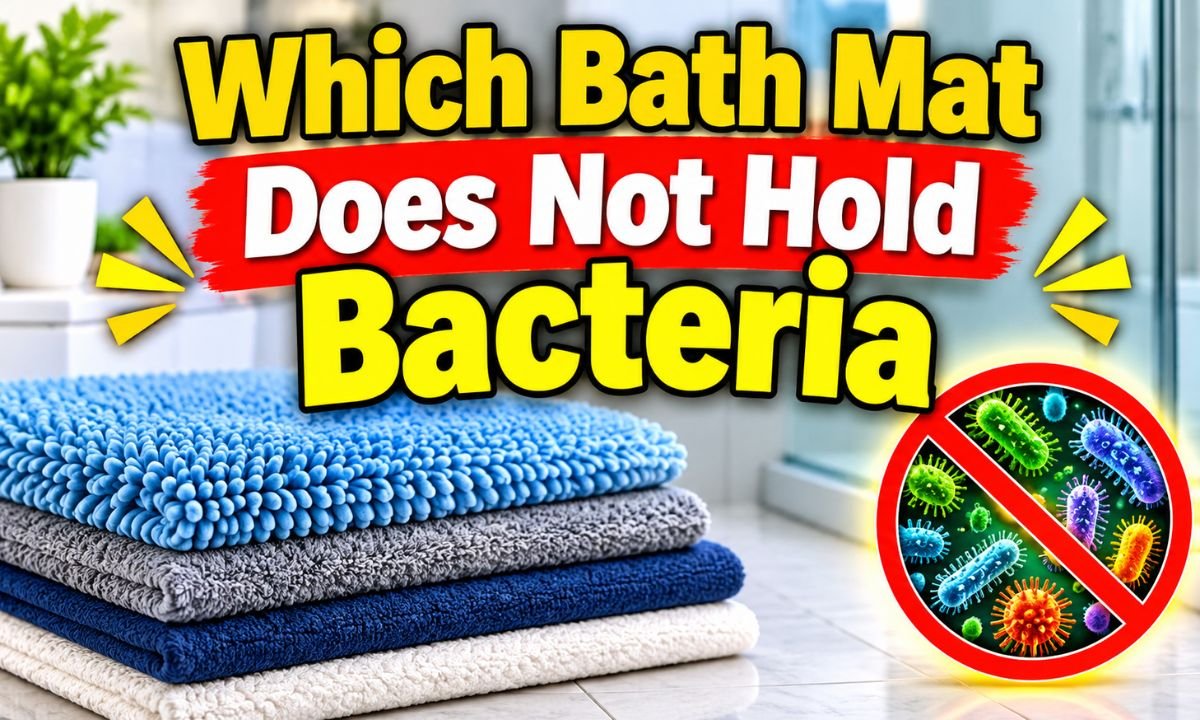
A smooth, nonporous silicone or hard plastic bath mat is generally easier to clean and less likely to trap moisture and dirt than a thick, fluffy fabric mat. No bath mat is completely bacteria-proof.
In American homes, a bath mat is often used right outside the shower or bathtub. It catches drips, keeps wet feet off cold tile, and can help reduce slips. However, a mat that stays wet for hours can become a place where bacteria and mold may grow.
If you want a cleaner bathroom, look beyond labels that say antibacterial or antimicrobial. The material, surface design, drainage, cleaning instructions, and drying time matter more than a marketing claim. A mat that you can clean well and dry fully is often a better choice than one with a special treatment but poor care instructions.
Silicone and smooth plastic mats are practical options because their nonporous surfaces are easier to wipe and rinse. Diatomaceous earth mats are another option because they absorb water and can dry quickly under suitable conditions. Washable cotton and microfiber mats can also stay clean when they are laundered and dried as directed.
The best choice depends on where you plan to use the mat. A mat inside a bathtub needs a secure grip and drainage, while a mat outside the shower needs good floor grip and enough air flow to dry after use.
Source: 5.imimg.com
Which Bath Mat Holds the Least Bacteria?
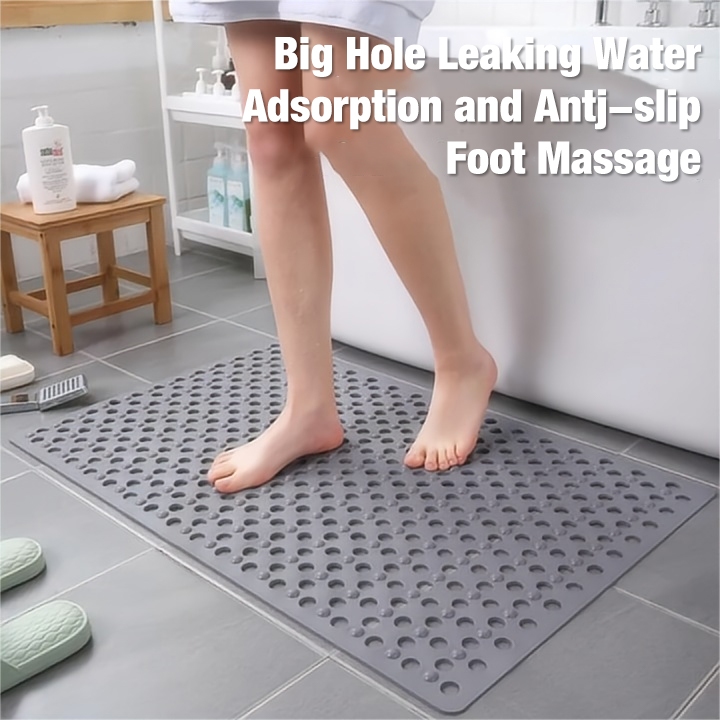
A smooth, nonporous bath mat made from silicone or hard plastic is a strong choice if your main goal is to avoid trapped dirt and moisture. These materials do not soak up water like thick fabric. You can usually rinse their surfaces and wipe them dry.
This does not mean bacteria cannot live on silicone or plastic. Germs can still remain on a dirty surface, especially when soap residue, skin cells, and water build up. The advantage is that a smooth surface is generally easier to clean than a deep pile of wet fibers.
A good mat should have a simple design, enough drainage, and clear cleaning instructions. Avoid designs with deep grooves, closed pockets, or hard-to-reach gaps that collect water and soap.
Source: m.media-amazon.com
Best for easy cleaning
Smooth silicone or hard plastic with a simple surface and no deep grooves.
Best for quick moisture removal
A suitable diatomaceous earth mat that can absorb water and dry between uses.
Best for a soft feel
A machine-washable cotton or microfiber mat that can be dried completely.
Why Nonporous Materials Are Easier to Keep Clean
A nonporous material has a surface that does not readily absorb liquid. Smooth silicone and hard plastic are examples. Water tends to remain on the surface, where it can be rinsed away or wiped off.
Fabric works differently. Its fibers absorb water, and the spaces between those fibers can hold moisture and small bits of dirt. This is not automatically unsafe, but it means the mat needs regular washing and enough time to dry.
The practical lesson is simple: choose a surface that matches your cleaning habits. If you prefer to rinse and wipe a mat, choose silicone or plastic. If you prefer to use a washing machine, choose a fabric mat with suitable care instructions.
Fewer absorbent fibers
Smooth materials do not have a thick pile that can hold water and debris.
Simple surface care
A suitable nonporous mat can often be cleaned with mild soap and water.
Does Antibacterial Mean Bacteria-Free?
No. Antibacterial and antimicrobial are not the same as bacteria-proof. These terms may describe a treatment or material intended to limit certain microbes under stated test conditions. They do not mean that every germ is killed or that the mat never needs cleaning.
Before trusting an antibacterial claim, look for details about the active treatment, the organisms tested, the test method, and whether the claim applies after repeated washing. Without this information, the label alone is not enough to judge real-world hygiene.
Check the evidence
Look for specific test details rather than relying on a large antibacterial label.
Keep cleaning
Even treated mats need care because dirt, soap, skin cells, and moisture can collect on them.
Comparing Bath Mat Materials for Bacterial Control
The material affects how a bath mat handles water, dirt, and cleaning. However, no material can guarantee a germ-free surface. The table below compares common choices based on their general care needs, not on laboratory tests of specific products.
A smooth surface is often easier to wipe than a thick fabric surface. On the other hand, a fabric mat may feel more comfortable under bare feet and can be washed in a machine if its care label allows it.
Source: litb-cgis.rightinthebox.com
Silicone
Nonporous, flexible, and easy to rinse. Check that the design drains well and grips the floor securely.
Hard plastic or PVC
Usually simple to wipe clean. Choose a well-drained design and check the surface for cracks or trapped residue.
Diatomaceous earth
A rigid mineral-based mat that absorbs water at the surface and may dry quickly. It needs suitable ventilation and care.
Cotton
Soft and washable, but it absorbs water and needs complete drying between uses.
Microfiber
Can absorb water well and may dry faster than some thick fabrics, depending on its construction and room conditions.
Memory foam
Comfortable underfoot, but a thick foam core may retain moisture. Follow the care label and inspect the underside.
Silicone Bath Mats
Silicone is one of the most practical materials for people who want a bath mat that is easy to clean. It is flexible, does not absorb water like cloth, and can often be rinsed after use.
Look for a mat with drainage holes or an open design. Water should not remain trapped between the mat and the tub or floor. A mat with many small suction cups may also need extra attention because soap residue can collect around them.
Use a silicone mat only where its manufacturer permits it. A bathtub mat is not automatically suitable for use on a bathroom floor, and a floor mat is not always safe inside a tub.
Main advantage
Easy surface cleaning and low water absorption.
Main limitation
Suction cups, holes, and textured areas still need regular cleaning.
Plastic and PVC Bath Mats
Hard plastic and PVC mats are common choices for wet areas. Their surfaces can be wiped with a suitable cleaner, and many designs have holes that allow water to drain.
The shape matters. A mat with narrow channels, deep ridges, or many small openings may collect soap and debris. A simple design is often easier to maintain.
Inspect the mat from time to time. If it becomes brittle, cracked, rough, or difficult to clean, replace it. Damaged areas can hold residue and may make the mat less safe.
Choose
A smooth, flexible design with open drainage and clear cleaning instructions.
Avoid
A damaged mat with cracks, peeling material, or stubborn buildup.
Are Diatomaceous Earth Bath Mats More Hygienic?
Diatomaceous earth bath mats are worth considering if you want a firm mat that absorbs water from wet feet. These mats are made from mineral material with a porous structure. Water moves into the surface and evaporates as the mat dries.
Their main benefit is moisture handling, not proven sterilization. A dry surface gives microbes less moisture to use, but it does not make the mat free of bacteria. Dirt, skin cells, and other residue can still build up.
A diatomaceous earth mat also needs proper care. Some products can be cleaned with a damp cloth, while others have specific instructions for sanding or surface maintenance. Follow the exact manufacturer’s directions rather than using bleach or soaking the mat without approval.
Source: s1.gaiaecological.com
Potential benefit
Absorbs water from the surface and can dry between uses in a well-ventilated room.
Possible drawback
Rigid construction may feel less soft, and the mat can crack or lose performance if handled or cleaned incorrectly.
Best fit
A dry, level bathroom floor where the mat can be used according to its instructions.
What to Check Before Buying a Mineral Bath Mat
Check the surface care instructions first. A product that cannot be cleaned in a way you can manage may not be a practical choice for your home.
Also check the base. A rigid mat can slide on a smooth or wet floor if it lacks a suitable nonslip backing. The floor must be clean and dry before placement, and the mat should sit flat without rocking.
Floor grip
Choose a model with a suitable base and follow its placement instructions.
Drying space
Give the mat enough air around it so moisture can evaporate.
Care method
Confirm that the cleaning and surface-care steps are manageable.
Can Washable Fabric Bath Mats Stay Hygienic?
Yes. A fabric bath mat can stay clean when it is washed often enough, dried fully, and replaced when it becomes worn or develops persistent odor or mold. You do not have to avoid every cotton or microfiber mat to maintain good bathroom hygiene.
The main concern is trapped moisture. A thick rug left flat on a damp floor may remain wet underneath even when the top feels dry. That is why lifting the mat after a shower can be just as useful as choosing the right fabric.
Choose a mat that fits in your washing machine and dryer, if the care label allows machine drying. A mat that is too large or too heavy for your laundry setup may be harder to maintain.
Source: m.media-amazon.com
Cotton
A familiar, soft option that can be washed when the care label allows it. It may take longer to dry when thick.
Microfiber
Often light and absorbent. Check the backing and drying instructions because some models cannot go in a hot dryer.
Memory foam
Offers cushioning but can hold water in its core. Choose one with clear washing instructions and enough drying space.
How Often Should You Wash a Fabric Bath Mat?
There is no single washing schedule that suits every home. A mat used by several people, exposed to heavy splashing, or placed in a humid bathroom may need more frequent washing than one used by a single person in a well-ventilated room.
Wash the mat when it becomes visibly dirty, smells unpleasant, or feels damp for too long. A regular weekly wash can be a useful starting routine in a busy bathroom, but adjust it to actual use and the manufacturer’s care instructions.
Use the warmest water setting allowed by the care label and a suitable laundry detergent. Dry the mat fully before putting it back on the floor.
Before washing
Remove loose hair and debris, then check the backing for cracks or peeling.
During washing
Use detergent and the temperature permitted by the care label.
After washing
Dry the entire mat, including its backing, before using it again.
Why the Backing Matters
Some fabric bath mats have rubber, latex, or other nonslip backing. This layer may need gentler washing and drying than the fabric above it. High heat can damage some backing materials, so never assume that a machine-washable mat is also dryer-safe.
Turn the mat over during routine checks. If the backing stays damp, becomes sticky, cracks, or separates from the fabric, stop using it until you have checked the manufacturer’s advice. Replace it if it can no longer lie flat or grip the floor safely.
Check both sides
The underside can hold water and develop odor even when the top looks clean.
Avoid excess heat
Use only the drying method and temperature approved for the backing.
What Makes a Bath Mat Hold Bacteria?
Moisture, residue, poor air flow, and irregular cleaning can all make a bath mat harder to keep hygienic. The problem is not simply that a mat is made from fabric or plastic. It is the way the mat is used and maintained.
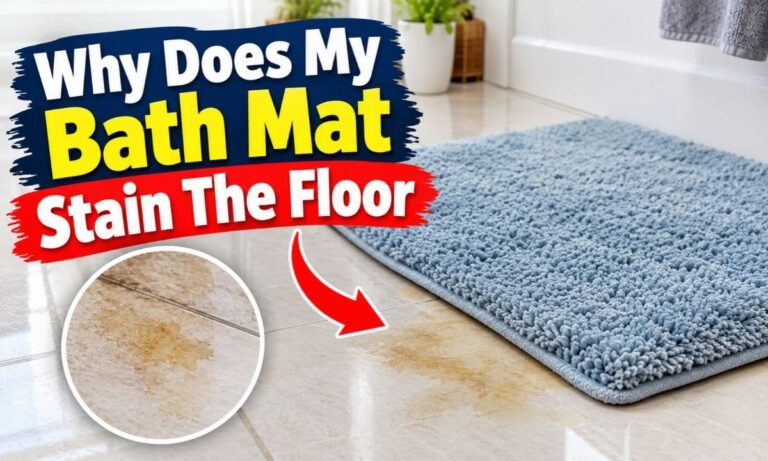
A bathroom can stay humid long after a shower. If a mat lies flat on a wet floor, water may remain trapped underneath. Soap, body oils, dead skin cells, and dirt can add residue that makes cleaning more difficult.
The U.S. Environmental Protection Agency explains that moisture control is central to mold prevention. It also notes that mold can be difficult to remove from porous materials once it grows inside them. This guidance concerns mold, not a direct measurement of bacteria on bath mats, but it supports the practical need to keep mats clean and dry.
Source: i.ytimg.com
Long drying time
A damp mat provides a better setting for unwanted microbial growth than a mat that dries fully.
Poor air flow
A mat left flat on a wet floor may trap moisture underneath.
Soap and dirt buildup
Residue can collect in fibers, grooves, suction cups, and drainage holes.
Infrequent cleaning
A mat that is rarely washed or wiped can accumulate grime over time.
Mold and Bacteria Are Not the Same
Bacteria and mold are different types of microorganisms. Mold is a type of fungus, while bacteria are single-celled organisms. Both can be affected by moisture and cleaning, but the same material or cleaning method may not work equally well for every type.
A musty smell or dark spot does not tell you exactly which organism is present. Do not try to identify mold by smell or color alone. Focus on cleaning, drying, fixing the moisture source, and replacing a mat that cannot be cleaned properly.
Visible growth
Stop using the mat and follow suitable cleaning guidance or replace it if the material cannot be cleaned fully.
Persistent odor
Wash or clean the mat as directed, then dry it fully. Replace it if the smell returns.
Does a Bathroom Fan Help?
Yes. A bathroom exhaust fan that vents outdoors can help remove humid air after showers. Opening a window can also help when weather and privacy allow it.
Better room ventilation does not replace mat cleaning, but it can help the mat and bathroom floor dry sooner. If the room remains damp, consider whether the fan works well and whether air can move freely around the mat.
Run the fan
Use the bathroom exhaust fan during showers and afterward, following its operating instructions.
Lift the mat
Hang or stand it so both sides can dry when the design permits.
How to Keep a Bath Mat Clean and Dry
A simple care routine can reduce moisture and dirt buildup. The right routine depends on the mat material, so always read its care label or manufacturer instructions before washing, soaking, or using a cleaning product.
The U.S. Centers for Disease Control and Prevention advises cleaning household surfaces with suitable soap or detergent and drying soft items completely after washing. Its guidance also says that disinfecting is not usually needed in most homes unless someone is sick or has recently been sick.
For a normal bathroom, regular cleaning and complete drying are sensible first steps. Strong chemicals are not a substitute for removing dirt and moisture.
Source: litb-cgis.rightinthebox.com
Step 1: Remove the mat
After bathing, lift the mat from the floor or tub when it is safe to do so.
Step 2: Remove loose dirt
Shake out loose hair and debris. Rinse off visible soap residue when the material allows it.
Step 3: Clean the surface
Use mild soap or a suitable cleaner. Scrub grooves and suction cups gently with a soft brush.
Step 4: Rinse well
Remove leftover soap and cleaner according to the product instructions.
Step 5: Dry completely
Hang or stand the mat in a well-ventilated area. Make sure both sides are dry before putting it back.
Step 6: Inspect regularly
Look for cracks, peeling backing, stubborn stains, visible growth, and odors that do not go away.
How to Clean a Silicone or Plastic Mat
Rinse the mat with clean water to remove loose dirt. Apply a mild soap or cleaner approved by the manufacturer, then gently scrub the surface, holes, edges, and suction cups.
Rinse away all cleaning residue. Stand the mat upright or hang it where air can reach both sides. Do not put it back on a wet floor or tub.
Avoid abrasive tools if they may scratch the surface. Do not mix bleach with ammonia, vinegar, or other cleaning products. If you use a disinfectant, make sure its label permits use on the material and follow all directions.
Useful tool
A soft cleaning brush can reach small grooves and suction cups.
Sign of success
The mat has no visible residue, feels clean, and is fully dry before reuse.
How to Clean a Fabric Bath Mat
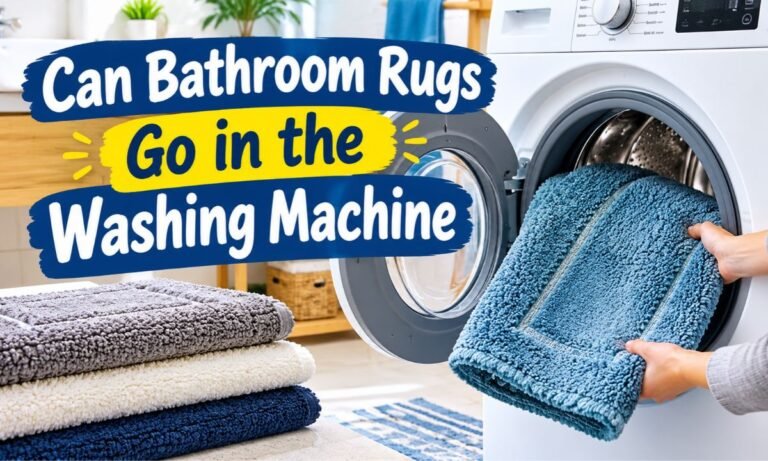
Shake out the mat outdoors or over a suitable bin to remove loose hair and dirt. Check its care label before putting it in a washing machine.
Wash it with laundry detergent using an approved water temperature. Avoid fabric softener if the manufacturer warns that it can affect absorbency or the backing.
Dry it according to the label. If the mat must air-dry, hang it in a place with good air flow and check the backing before returning it to the floor.
Do not guess
Check whether the backing allows machine washing and tumble drying.
Do not rush
A mat that feels dry on top may still be wet underneath.
How to Choose a Bath Mat That Is Easier to Keep Hygienic
Start with the place where the mat will be used. A mat inside a bathtub needs a secure grip on the tub surface, while a mat outside the shower needs a stable backing that grips the bathroom floor.
Then think about cleaning. A mat that needs special care may not be a good match for a busy household. Choose one that fits your available washing space, drying area, and normal cleaning routine.
Do not trade slip safety for a surface that seems easier to clean. A bath mat should be designed for its intended location, and its grip should be checked according to the maker’s directions.
Source: down-ph.img.susercontent.com
Material
Choose silicone or hard plastic for easy wiping, or washable fabric if you prefer a soft surface.
Drainage
Look for a design that does not trap standing water.
Cleaning
Read the care instructions before buying.
Drying
Make sure you have room to lift, hang, or stand the mat between uses.
Grip
Check that the mat is made for the tub or floor where you plan to use it.
Condition
Choose a design that can be inspected easily for dirt, damage, and buildup.
A Simple Bath Mat Comparison
Use this comparison as a starting point. These are general material traits, not test results for every product. The actual design, thickness, backing, and cleaning directions can change how a mat performs.
Silicone
Easy to rinse and wipe; check drainage and grip.
Hard plastic
Easy surface care; check grooves and cracks.
Diatomaceous earth
Absorbs surface water; needs suitable care and a stable base.
Cotton
Soft and washable; needs full drying.
Microfiber
Absorbent and often light; check backing and dryer limits.
Memory foam
Cushioned feel; may be harder to dry through its full thickness.
What About Antimicrobial Coatings?
Some bath mats are sold with antimicrobial treatments. These may be designed to limit the growth of certain microbes on the treated material. The effect can depend on the active ingredient, the test conditions, and how the product is used.
Do not assume that a treated mat is self-cleaning. Ask what organisms were tested, what method was used, and whether the treatment lasts after washing. If the seller provides no clear details, focus on the mat’s material, construction, and care instructions instead.
Ask for test details
A clear claim should explain what was tested and under which conditions.
Keep a care routine
An antimicrobial treatment does not remove visible dirt or replace drying.
Common Bath Mat Mistakes That Can Increase Moisture Buildup
Even a suitable bath mat can become difficult to keep clean when it is used the wrong way. A few small changes can help prevent trapped moisture and reduce the need for early replacement.
The most useful habit is to avoid leaving a wet mat flat on a damp surface for long periods. Lift it after use, clean it as needed, and let it dry before putting it back.
Source: ae-pic-a1.aliexpress-media.com
Leaving the mat on a wet floor
Water can become trapped underneath. Lift the mat and dry the floor.
Ignoring the underside
The backing can hold moisture and dirt. Inspect and clean both sides.
Using too much cleaner
Leftover soap or detergent can create residue. Rinse the mat as directed.
Using the wrong disinfectant
Some chemicals can damage silicone, plastic, fabric, or rubber backing. Check the label.
Putting a damp mat back
Let it dry fully before returning it to the bathroom floor.
Keeping a damaged mat
Cracks, peeling backing, and rough areas can make cleaning and safe use harder.
When Should You Replace a Bath Mat?
Replace a bath mat when it has persistent mold, a smell that remains after proper cleaning and drying, a damaged backing, or cracks that cannot be cleaned well. You should also replace it if it no longer grips the tub or floor as intended.
There is no single replacement date for every mat. A well-cared-for mat may last longer than one used in a crowded, humid bathroom. Use its condition and cleaning performance to guide the decision.
Visible mold that returns
Replace the mat if the growth cannot be fully removed or keeps returning.
Persistent musty odor
Replace it if cleaning and complete drying do not resolve the smell.
Damaged backing
Replace it if the mat peels, curls, cracks, or loses its grip.
What If the Mat Always Feels Damp?
First, check whether the room has enough air flow. Run the exhaust fan, lift the mat after showers, and allow both sides to dry. If the floor itself stays wet, look for splashes, leaks, or poor drainage.
If the mat remains damp despite these steps, choose a thinner or more open design that suits the bathroom. A mat that cannot dry between uses is not a good match for that room.
Check the room
Look for poor ventilation, standing water, or a plumbing leak.
Check the mat
Look for thick padding, trapped water, and a wet underside.
Are Antibacterial Bath Mats Worth Buying?
An antibacterial bath mat may be worth considering if its claims are supported by clear testing and its care instructions suit your home. However, it is not necessary to buy one just to keep a bathroom mat clean.
A plain silicone mat that you rinse and dry properly may be easier to maintain than a treated fabric mat that stays wet. Likewise, a washable fabric mat can be a sensible choice when you can launder it and dry it fully.
Compare the total care needs rather than the label alone. The best mat is one that fits your bathroom, stays secure underfoot, and can be cleaned without difficulty.
Source: thesevencolours.com
Worth considering
The product gives specific antimicrobial test details and clear cleaning instructions.
Not worth assuming
A large antibacterial label by itself does not prove that the mat stays free of bacteria.
A practical alternative
Choose a simple, easy-to-clean material and maintain a regular drying routine.
When Is Disinfection Needed?
For most ordinary household cleaning, soap or detergent and water are enough to remove much of the dirt and many germs from surfaces. The CDC says home disinfection is usually not needed unless someone is sick or has recently been sick.
If a household member has an infection or the mat has been contaminated with bodily fluids, follow relevant health guidance and the manufacturer’s cleaning instructions. Use only a disinfectant approved for the material and the intended use.
Never mix cleaning chemicals. In particular, bleach mixed with ammonia or acidic cleaners can release dangerous gases. Ventilate the room and follow the product label.
Clean first
Remove dirt and residue before using a disinfectant when disinfection is needed.
Follow the label
Use the correct surface, dilution, contact time, and safety steps.
Dry afterward
Allow the mat to dry fully before use.
Research Notes and Useful Next Questions
This guide focuses on material care, moisture control, and practical cleaning. It does not claim that a specific bath mat was laboratory-tested for bacterial growth. The material comparisons are based on general surface and care properties, while the hygiene advice draws on public guidance for cleaning and moisture control.
The main evidence limitation is that the reviewed public guidance does not rank silicone, PVC, diatomaceous earth, cotton, and microfiber bath mats by bacterial counts under the same test conditions. A reliable product ranking would require comparable tests on exact models, with stated organisms, moisture levels, cleaning cycles, and test methods.
The most useful next step is to match the mat to its location and your cleaning routine. For a low-maintenance option, start with a smooth, well-drained silicone or plastic design. For a soft floor mat, choose a washable fabric model that you can dry fully.
Source: m.media-amazon.com
Question: Can a bath mat be bacteria-proof?
Answer: No. Cleaning and drying reduce buildup, but no ordinary bath mat can be promised to remain free of bacteria.
Question: Is a quick-dry mat always more hygienic?
Answer: Not automatically. Drying helps, but the surface still needs cleaning.
Question: Does an antibacterial label prove better performance?
Answer: No. Look for the exact test, organism, treatment, and conditions.
Compact Next-Question Gap Map
The following questions are inferred next needs based on the choices and care steps in this guide. They are not claims about verified search volume or live search demand. The reviewed public health pages explain cleaning and moisture control but do not compare bath mat products by bacterial counts.
Which mat is safest inside a bathtub?
Reader stage: before buying. Basis: inferred next need. Coverage in reviewed guidance: not checked as a product comparison. Benefit: helps readers choose a mat designed for wet tub surfaces. Priority: high.
How often should I wash a bathroom rug?
Reader stage: after buying. Basis: inferred next need. Coverage: general laundry guidance is available, but no universal bath mat schedule is established. Benefit: supports a practical cleaning routine. Priority: high.
Reader stage: troubleshooting. Basis: inferred next need. Coverage: moisture and mold guidance is available, but exact mat and floor combinations vary. Benefit: helps prevent trapped moisture and floor damage. Priority: high.
How do I clean a rubber-backed bath mat?
Reader stage: maintenance. Basis: inferred next need. Coverage: general soft-surface cleaning guidance is available, but care depends on the backing. Benefit: helps prevent backing damage. Priority: medium.
When should I replace a bath mat?
Reader stage: after repeated use. Basis: inferred next need. Coverage: general mold cleanup advice supports removal of materials that cannot be cleaned, but no fixed bath mat lifespan is established. Benefit: supports safe replacement decisions. Priority: medium.
Frequently Asked Questions
Q
Which bath mat is best for preventing bacteria?
A smooth, nonporous silicone or hard plastic mat is a practical choice because it is easy to rinse and wipe. However, no bath mat prevents all bacterial growth. Regular cleaning and complete drying remain necessary.
Q
Do silicone bath mats hold bacteria?
Bacteria can remain on silicone if dirt, soap, and moisture build up. Silicone is not bacteria-proof, but its smooth, nonabsorbent surface is generally easier to clean than a thick fabric mat. Clean the surface and drainage areas regularly.
Q
Are diatomaceous earth bath mats antibacterial?
Diatomaceous earth mats are designed to absorb surface water and help it evaporate. That does not prove they kill bacteria or prevent all microbial growth. They still need proper cleaning, ventilation, and care.
Q
Are fabric bath mats unhygienic?
No. Cotton and microfiber bath mats can be hygienic when they are washed according to their care labels and dried completely. Problems are more likely when a mat stays damp, collects residue, or is not cleaned often enough.
Q
Can I use bleach on a bath mat?
Only use bleach if the manufacturer permits it and the product label gives suitable directions. Bleach can damage some materials and backings. Never mix bleach with ammonia, vinegar, or other cleaners.
Q
How do I stop my bath mat from smelling musty?
Clean the mat according to its care instructions, rinse away residue, and dry both sides fully. Lift it after each shower and improve bathroom ventilation. Replace it if the odor remains after proper cleaning and drying.
Q
Should I choose a bath mat with antibacterial treatment?
You can consider one if the maker provides clear test information and care instructions. However, an antibacterial treatment does not replace regular cleaning. A simple mat that is easy to clean and dry may be just as practical for everyday use.
✦ Wrapping Up
Conclusion
If you want a bath mat that is less likely to hold moisture, dirt, and residue, start with smooth silicone or hard plastic. These materials are generally easy to rinse and wipe, especially when the mat has open drainage and a simple design.
Diatomaceous earth is another option for people who prefer a firm, water-absorbing floor mat. Washable cotton and microfiber mats can also work well if you have enough time and space to dry them fully.
The key is not finding a mat that promises to hold no bacteria. No ordinary bath mat can make that promise. Choose one that fits its intended location, clean it regularly, lift it after use, and make sure both sides dry before you use it again.
💡 Key Takeaway
For the easiest routine, choose a smooth, well-drained silicone or plastic mat made for your intended bathroom surface. Clean it with suitable soap and water, rinse it, and let it dry fully after use.








One Comment