Cotton is the best all-around bathroom rug material for comfort and absorbency, while microfiber and chenille are strong choices for a soft feel and quick drying.
In American homes, a bathroom rug can make cold tile floors feel warmer and help soak up water after a shower or bath. The right choice depends on your daily routine, the size of your bathroom, your floor type, and how much time you have for laundry. A rug that works well in a dry guest bathroom may not be the best fit for a busy family bathroom.
Cotton, microfiber, chenille, bamboo, and memory foam each offer different benefits. Some feel soft underfoot, some dry quickly, and others provide a firm surface that is easy to wipe clean. The best material is the one that meets your needs without staying wet for too long or creating a slipping hazard.
For most households, a washable cotton rug is a practical starting point. Choose microfiber or chenille if you prefer a plush feel, and consider bamboo if you want a firm surface instead of a fabric mat. Material is only part of the decision, so check the backing, care label, drying needs, and fit before buying.
Source: i5.walmartimages.com
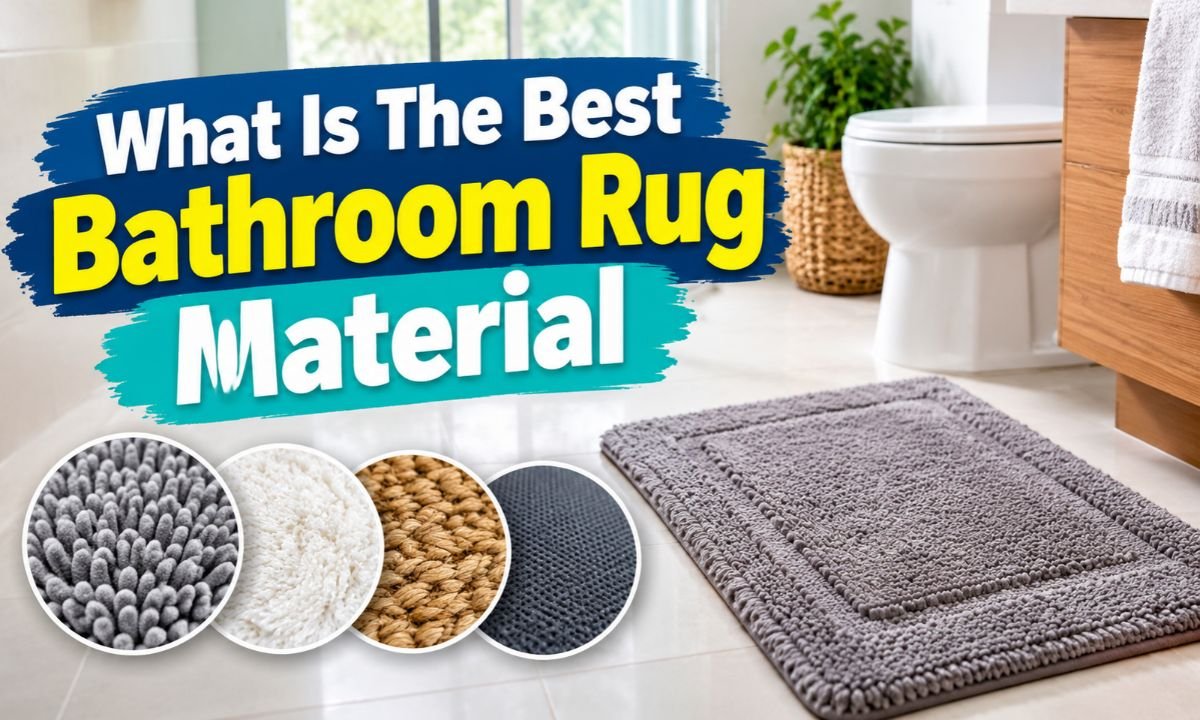
What Is the Best Bathroom Rug Material?
Cotton is the best all-around material for many bathrooms because it absorbs moisture, feels comfortable, and is available in washable designs. It works well beside a shower, bathtub, or sink when the rug can be dried between uses. However, cotton is not always the fastest-drying option, especially when the rug is thick or the bathroom has poor airflow.
Microfiber is a better fit for people who want a soft surface that can absorb water and may dry faster than a thick cotton mat. Chenille offers a similar plush feel with raised yarn tufts that make stepping out of the shower more comfortable. Bamboo is worth considering when you want a firm, flat surface rather than a fabric rug.
There is no single material that wins in every bathroom. A small, well-ventilated guest bath has different needs from a family bathroom where several people shower each day. Think about water exposure, comfort, cleaning, and floor safety together rather than choosing by softness alone.
Source: discoveringlifellc.com
Best all-around choice
Cotton is a sensible starting point for people who want absorbency, comfort, and straightforward washing.
Best plush feel
Microfiber and chenille are good options for people who prefer a soft, cushioned surface under bare feet.
Best firm surface
Bamboo provides a harder surface that does not have the same fabric feel as a conventional bath rug.
Best for added cushioning
Memory foam may suit people who want a softer step, provided the mat can be cleaned and dried as directed.
How Should You Compare Bathroom Rug Materials?
Compare materials by how they work in your actual bathroom. Absorbency describes how well a rug takes up water, while drying time describes how quickly that water leaves the rug. These are different qualities. A rug may absorb a lot of water but remain damp for hours if it is thick or the room is humid.
Water absorption
Consider how wet your feet are when you step onto the rug and whether water tends to collect around the shower or tub.
Drying
Look for a construction that allows airflow and can be hung or spread out when wet.
Cleaning
Check whether the entire rug is machine washable or whether the backing and core need special care.
Floor grip
Choose a design that stays in place on your floor and follow any instructions for keeping the backing effective.
Cotton Bathroom Rugs: A Dependable Everyday Choice
Cotton is a strong choice for a bathroom that needs a comfortable, absorbent rug. Cotton fibers take up water, and many cotton mats can be washed at home according to their care labels. This makes cotton practical for households that want to keep bath linens and rugs on a regular cleaning schedule.
Cotton rugs come in flat woven, looped, tufted, and thicker pile styles. Flat or low-pile designs often allow easier handling and may dry sooner than heavy, dense mats. Thick cotton rugs can feel luxurious, but they may hold more moisture and take longer to dry after repeated showers.
One drawback is that cotton can stay damp when the bathroom is humid or the rug lies flat on a cool floor. Leaving a wet cotton rug bunched up or folded can slow drying. Hang it over a suitable rack or spread it out when possible, and wash it as needed.
Source: e-a-a.com
Advantages
Cotton is absorbent, comfortable, widely available, and often simple to machine wash.
Limitations
Thick cotton rugs may dry slowly, and some designs can shrink or lose their shape if washed against the care instructions.
Best use
Choose cotton for everyday use beside a shower, tub, or sink when you can give it time and space to dry.
Is Cotton Better Than Synthetic Fabric?
Cotton is often a better fit for shoppers who value a familiar fabric feel and easy routine washing. Synthetic fibers such as polyester and microfiber may offer a lighter construction or a different drying profile. Neither group is always superior, because yarn thickness, pile height, backing, and ventilation also affect performance.
Choose cotton
When you want a traditional fabric rug that absorbs water and can often be washed with other suitable bathroom textiles.
Choose synthetic fabric
When you prefer a plush texture, a particular color or shape, or a design marketed for easy care, after checking the care label.
Microfiber Bathroom Rugs: Soft and Easy to Handle
Microfiber is a popular choice for people who want a soft rug with a plush feel. It is usually made from very fine synthetic fibers, often polyester or a blend that includes polyamide. The fine fibers create a soft surface and can help spread moisture through the material.
A microfiber rug may feel especially comfortable when you step out of a shower onto cold tile. Many designs are light enough to move for cleaning and may be machine washable. Still, the word microfiber does not guarantee a specific drying time, level of absorbency, or quality of construction.
Check the pile height and the backing before buying. A thick, shaggy microfiber rug may trap more water than a low-pile design. Some backing materials also require special washing or air drying, so do not assume the entire mat can go into a dryer simply because its surface is synthetic.
Source: cdn.shopify.com
Advantages
Microfiber often feels soft, is available in many sizes, and can be easy to move and clean.
Limitations
Dense pile can retain moisture, and synthetic backing may wear or become less effective if handled incorrectly.
Best use
Microfiber is useful for people who want a soft, plush surface in a bathroom where the rug can dry between uses.
Does Microfiber Dry Faster Than Cotton?
It can, but the answer depends on the actual rug. A thin microfiber mat may dry sooner than a thick cotton rug, while a dense microfiber shag mat may remain damp for a long time. Fiber type alone does not establish drying speed. Compare the thickness, backing, care directions, and how much air can reach both sides.
For a humid bathroom
Look for a thinner, washable design that can be lifted or hung up after use.
For a soft landing
A thicker pile may feel softer, but plan to give it more time and space to dry if it becomes very wet.
Chenille Bathroom Rugs: A Plush Surface for Bare Feet
Chenille bathroom rugs have a textured surface made from soft yarn tufts or loops. The raised fibers create a plush feel that many people enjoy after a bath or shower. Chenille is often made from cotton, polyester, or other fibers, so the word describes the yarn style rather than one single material.
The texture can make a chenille mat feel cozy and help it pick up water from wet feet. However, a thick chenille rug may hold moisture deep within its pile. The rug can also collect hair, lint, and dust between the tufts, which makes regular cleaning useful.
Chenille works well when comfort matters and the bathroom has enough airflow for the rug to dry. Check whether the backing and pile can withstand machine washing. If the care label calls for gentle washing or air drying, follow those directions instead of using high heat.
Source: media.glamour.com
Advantages
Chenille offers a soft, textured surface and comes in many colors, sizes, and pile styles.
Limitations
Dense tufts may dry slowly, collect debris, or need more careful cleaning than a flat mat.
Best use
Choose chenille when you value a plush feel and can dry and wash the rug on a regular basis.
Is Chenille the Same as Microfiber?
No. Chenille describes a yarn with a soft, fuzzy surface, while microfiber refers to very fine fibers. A chenille rug may use microfiber or another synthetic fiber, so the two terms can overlap. To judge a specific rug, check the fiber content, pile, backing, and washing instructions instead of relying on the name alone.
Check the fiber label
Look for cotton, polyester, or a blend to learn what the chenille yarn is made from.
Check the construction
A dense, deep pile may need more drying time than a low, open texture.
Bamboo Bathroom Mats: A Firm Alternative to Fabric
Bamboo mats suit people who prefer a firm, flat surface instead of a soft fabric rug. Many designs use slats or narrow strips that allow air to move around the mat. This construction can help the surface dry between uses, provided the mat is lifted when needed and the bathroom has reasonable ventilation.
A bamboo mat does not absorb water in the same way as cotton or microfiber. Water may remain on its surface or pass through the gaps, so it is not a direct replacement for an absorbent towel-like rug. Some people prefer this firm feel, while others find it less comfortable on bare feet.
The mat must sit securely on the floor. A hard mat can slide or rock if the floor is uneven or the feet are poorly designed. Follow the manufacturer’s cleaning and drying instructions, and check whether the mat is intended for a wet bathroom environment.
Source: images.thdstatic.com
Advantages
Bamboo offers a firm surface, a different look from fabric rugs, and a design that can allow airflow beneath it.
Limitations
It provides less cushioning and does not absorb water like a textile rug. Its grip depends on the design and floor.
Best use
Bamboo is a reasonable option for people who prefer a firm mat and are comfortable wiping away water rather than relying on fabric absorption.
Can Bamboo Mats Be Used on Tile or Vinyl?
They can be used on suitable tile or vinyl floors if the mat is designed for that setting and stays stable. The floor must be clean and level, and any feet or grip pads should be compatible with the floor finish. Test for movement before stepping onto the mat, especially when the floor is wet.
Before use
Check that the mat lies flat and does not rock, slide, or catch on a floor seam.
After use
Wipe off standing water and lift the mat when needed so the floor beneath it can dry.
Memory Foam Bathroom Rugs: Comfort With Extra Care
Memory foam bath mats are designed to compress under pressure and provide a cushioned feel. They can be appealing to people who spend time standing at the sink or who prefer a softer surface underfoot. Many designs have a fabric cover over a foam core, but the materials and construction vary by product.
The main trade-off is care. A foam core does not behave like a simple cotton towel, and some mats cannot be machine washed or tumble dried. Water may also remain inside the cover or foam, depending on the design. Always check the manufacturer’s directions before cleaning the mat.
Do not assume a memory foam mat is more absorbent or safer than another material. A soft surface can still slide, and a wet or damaged backing may fail to grip the floor. If the bathroom gets heavy daily use, choose a design that can dry thoroughly and be maintained without damaging the core.
Source: cdn.shopify.com
Advantages
Memory foam can provide a cushioned surface that feels comfortable for standing at the sink.
Limitations
Cleaning and drying may be more involved, and some designs are not suitable for a washer or dryer.
Best use
Choose memory foam when cushioning is a priority and the care requirements suit your household.
How Do You Keep a Memory Foam Mat Dry?
Start by checking the label for washing and drying limits. After use, hang the mat or place it where air can reach the surface and underside if the manufacturer permits this. If it stays damp, develops an odor, or shows signs of damage, stop using it until it is clean and fully dry; replace it if the material or backing cannot be restored.
Avoid excess heat
Do not use a hot dryer or heater unless the product instructions specifically allow it.
Inspect the core
Look for persistent dampness, a misshapen foam layer, or a backing that has begun to peel.
Other Bathroom Rug Materials Worth Considering
Cotton, microfiber, chenille, bamboo, and memory foam cover many common choices, but other materials may fit specific needs. Polyester rugs are widely available and can offer a soft feel with a range of textures. Some use recycled fibers, but the label should identify the actual material rather than relying on a general sustainability claim.
Wool can feel warm and resilient, but it is less common in bath mats and may need more careful cleaning. It is not automatically the best choice for a spot that gets soaked each day. If you consider wool, check the cleaning requirements and make sure the rug is intended for the moisture level in your bathroom.
Rubber and other water-resistant materials may suit a bath or shower area when the product is specifically designed for wet use. A rubber mat is not the same as a decorative bathroom rug, and its grip and drainage depend on the exact design. Use the product only for its stated purpose and keep it clean.
Source: cdn.thewirecutter.com
Polyester
A common synthetic option with many colors and textures. Its real-world drying and wear depend on pile, density, and backing.
Wool
A warm natural fiber that may require more careful care and is not ideal for every frequently wet location.
Rubber
Useful in some wet-area mats, but the design must be suitable for the intended floor and purpose.
Are Natural Fibers Always Better Than Synthetic Fibers?
No. Natural and synthetic fibers each have trade-offs. Cotton can absorb water well but may dry slowly, while a thin synthetic mat may be easier to dry but feel less like a traditional cotton rug. Environmental impact also depends on how the fibers are made, how long the rug lasts, how often it is washed, and what happens when it is discarded.
Compare the full product
Look at the fiber content, construction, backing, durability, and care needs instead of choosing by the word natural or synthetic.
Consider replacement
A durable rug that remains usable for a long time may be more practical than one that needs frequent replacement.
Bathroom Rug Material Comparison
Use this table to narrow your choices by the qualities that matter most. These are general material traits, not guaranteed performance scores for every rug. A product’s pile, thickness, backing, and care instructions can change how it performs.
Source: designingidea.com
Cotton
Best for everyday absorbency and a familiar fabric feel. It may dry slowly when thick or left flat on a damp floor.
Microfiber
Best for a soft, plush surface and flexible styling. Dense pile can still retain water.
Chenille
Best for a textured, cozy feel. Deep tufts may collect debris and need extra drying time.
Bamboo
Best for a firm surface with space for airflow. It does not absorb water like a textile rug.
Memory foam
Best for cushioning. The foam core and backing may limit washing and drying options.
Polyester
Best for a broad range of synthetic textures and designs. Performance varies with construction.
Which Material Should You Choose for Your Bathroom?
If you want one dependable choice for an everyday bathroom, start with cotton. If the bathroom stays humid, focus on a thin, washable rug that can be lifted off the floor rather than choosing a thick mat just for softness. If comfort is your main concern, compare microfiber, chenille, and memory foam while checking their cleaning requirements.
For a family bathroom
Choose a washable rug that can be dried between showers and replaced when the backing or fabric wears out.
For a small bathroom
A low-pile rug may be easier to move, wash, and dry without taking up much floor space.
For a guest bathroom
Cotton or a low-pile synthetic mat can work well when it is clean and fully dry before guests arrive.
For a bathroom with poor ventilation
Avoid relying on a very thick rug that remains damp. Improve airflow and choose a design that is easy to lift and dry.
How to Choose the Right Bathroom Rug for Your Floor
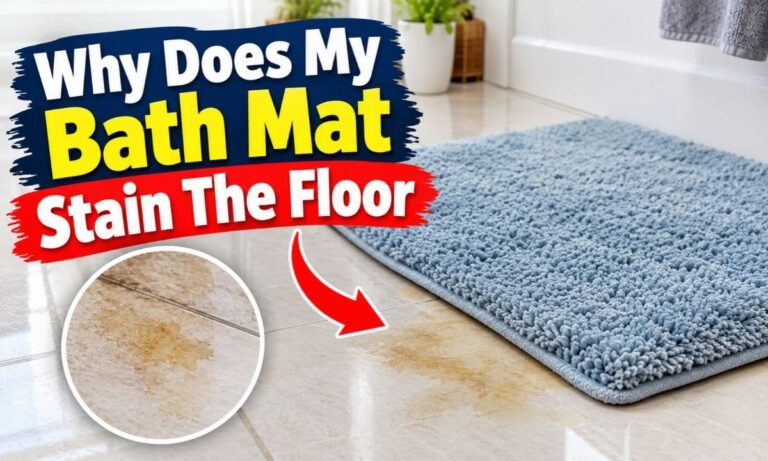
The floor under a bathroom rug matters almost as much as the material on top. Tile, vinyl, stone, laminate, and wood can react differently to trapped moisture, cleaning products, and rubber or plastic backing. A rug that stays wet underneath can leave moisture against the floor and may cause damage to some finishes over time.
Before buying, check the rug’s dimensions and make sure it does not block doors, drawers, or cabinets. Leave enough room for the bathroom door to swing freely. A mat that bunches under a door or curls at the edges can become a trip hazard.
A non-slip backing can help a rug stay in place, but no backing should be treated as a guarantee of safety. Dust, soap residue, water, worn grip material, and an unsuitable floor finish can reduce traction. Place the rug on a clean, dry floor and check for movement before stepping onto it.
Source: i5.walmartimages.com
Tile floors
Choose a rug with a suitable backing and check that it stays in place on the tile surface. Clean residue that may affect grip.
Vinyl floors
Check the flooring and rug instructions for backing compatibility, since some materials may mark or affect certain finishes.
Wood or laminate floors
Prevent moisture from remaining under the rug. Lift it regularly and dry the floor and mat before replacing it.
Heated floors
Check both the flooring system’s instructions and the rug’s care label before covering a heated area. Some thick mats can interfere with heat transfer.
Does Bathroom Rug Backing Matter?
Yes. The backing affects grip, cleaning, and the way moisture moves under the rug. Some mats use latex, rubber, or synthetic coatings, while others have no non-slip layer at all. The material name alone does not tell you whether the rug is suitable for a particular floor.
Inspect before use
Check for peeling, cracking, sticky patches, curled edges, or any signs that the rug moves too easily.
Keep the floor dry
Do not place a bath rug over standing water or a damp floor and assume the backing will prevent a slip.
Follow care directions
Incorrect washing or high heat can damage some grip coatings and reduce their usefulness.
How to Clean and Maintain Bathroom Rugs
Regular cleaning helps keep a bathroom rug fresh and gives you a chance to inspect its fabric and backing. The right schedule depends on how many people use the bathroom, how wet the rug becomes, whether it dries fully, and whether it collects hair or dirt. A rug used by several people each day may need more frequent washing than one in a rarely used guest bath.
Start by reading the care label. Cotton and some synthetic rugs can be machine washed, but backing materials and foam cores may require a gentle cycle, air drying, or spot cleaning. Do not assume that a rug can be washed and dried the same way as a bath towel.
After a shower, spread the rug out or hang it where air can reach it. If the room has an exhaust fan, use it as intended and allow it to clear humid air. A window can also help when outdoor conditions allow, but airflow alone may not be enough if the rug is very thick or the bathroom stays damp.
Source: media.glamour.com
Shake out loose debris
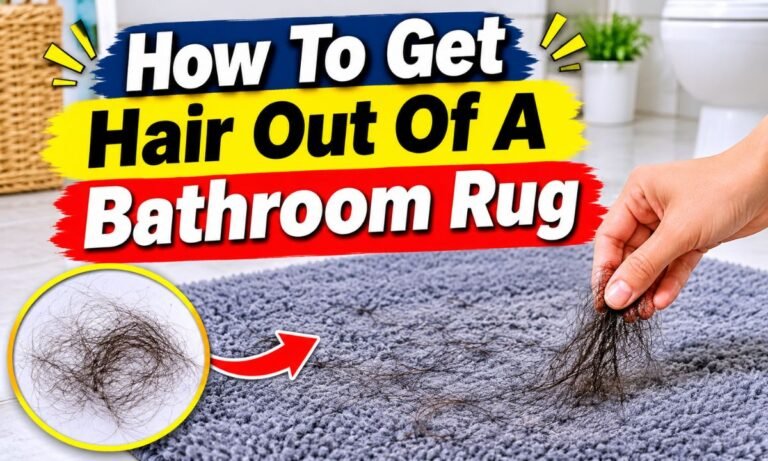
Remove hair, lint, and dust before washing so they do not build up in the pile or washer.
Wash according to the label
Use the stated water temperature, detergent guidance, and cycle limits for the fabric and backing.
Dry completely
Do not return a damp rug to the floor. Make sure the underside is dry as well as the top.
Inspect the backing
Replace the rug if the grip layer peels, cracks, becomes sticky, or no longer holds the mat in place.
How Can You Tell When a Bathroom Rug Needs Replacing?
Replace a rug when it no longer stays flat, the backing has deteriorated, the fibers are badly worn, or an odor remains after proper washing and drying. Persistent dampness can be a sign that the rug is too thick for the room or that ventilation is poor. If cleaning does not restore it, replacing the rug may be more practical than continuing to use it.
Visible wear
Look for loose seams, frayed edges, thinning areas, and curled corners that may catch a foot.
Grip failure
A rug that slides during normal use should not remain in service until the backing is repaired or the rug is replaced.
Persistent odor
Wash and dry the rug according to its label. If the odor remains, inspect for trapped moisture and consider replacement.
Common Mistakes When Choosing Bathroom Rug Material
The most common mistake is choosing a rug based on softness alone. A thick, fluffy mat can feel great at first but become inconvenient if it stays wet, takes too long to wash, or cannot dry in the available space. Consider how you will care for the rug before deciding how plush it should be.
Another mistake is assuming that all rugs labeled absorbent or quick drying perform the same way. These descriptions do not establish a standard drying time for every size and construction. A dense pile and waterproof backing can change the way water moves through a rug.
It is also easy to overlook the floor beneath the rug. A suitable fabric cannot prevent slipping if the mat moves across the floor, and even a well-designed backing may not work as intended when dirty or worn. Inspect the entire mat, including its underside, rather than judging only the visible surface.
Source: e-a-a.com
Buying a rug that is too thick
A deep pile may take longer to dry and can be harder to clean. Match the thickness to your bathroom’s airflow and washing routine.
Ignoring the care label
A rug that needs special cleaning may not suit a busy household. Check washing and drying limits before buying.
Leaving a wet rug flat
Moisture may collect underneath. Lift or hang the rug when possible and let the floor dry.
Trusting the backing without testing it
Check for movement on the actual floor before use and replace worn grip material.
Choosing the wrong size
A rug that blocks a door or curls around a toilet or vanity can create a trip risk. Measure the area first.
What If Your Bathroom Rug Never Seems to Dry?
First, check whether the rug is thick, folded, or pressed tightly against the floor. Spread it out or hang it so air can reach more of the fabric. Next, use the bathroom fan and check that it is clearing humidity as intended. If the rug still stays damp, choose a thinner design or a material that better fits your room and care routine.
Check the rug
Look for trapped moisture in the pile or foam and follow the care label for proper drying.
Check the room
Improve ventilation and avoid leaving wet towels or rugs piled together.
Change the design if needed
A thinner washable rug may work better than a dense, plush mat in a humid bathroom.
A Simple Buying Checklist for the Best Bathroom Rug Material
Before choosing a rug, think about what happens after each shower. If the rug becomes wet several times a day, easy washing and thorough drying should rank above an extra-deep pile. If it is mainly for a guest bathroom, comfort and appearance may matter more, as long as the rug remains clean and safe to use.
Measure the space where the rug will sit and check the door clearance. A mat should lie flat without bunching around the tub, vanity, or toilet. If you are placing it on wood, laminate, or vinyl, make sure the backing is suitable for that floor and does not trap moisture against the finish.
Finally, read the complete care label. Check whether the rug can be machine washed, whether it must air dry, and whether the backing has special limits. A rug that fits your cleaning routine is more likely to stay useful than one that requires care you cannot easily provide.
Source: designingidea.com
Choose your main priority
Decide whether absorbency, quick drying, softness, cushioning, or a firm surface matters most.
Match the material to the room
Choose a design suited to your bathroom’s humidity, foot traffic, and daily water exposure.
Confirm the care requirements
Make sure the rug can be washed and dried with the time, equipment, and space you have.
Check safety and fit
Verify the backing, floor compatibility, edges, and clearance around doors and fixtures.
A Practical Example
Imagine a household where three people shower each morning and the bathroom has limited ventilation. A thick chenille rug may feel pleasant, but it could stay damp between showers. A thinner cotton or synthetic rug that can be lifted and dried may be the more practical choice, even if it feels less plush.
Now consider a guest bathroom used only a few times each week. A soft cotton or microfiber rug may work well because it has more time to dry between uses. These examples show why room conditions and habits matter more than a simple ranking of fibers.
Busy, humid bathroom
Prioritize a washable design that is easy to lift, dries thoroughly, and does not trap moisture under the backing.
Occasional guest use
Choose the texture and style you prefer, while keeping cleaning and grip in mind.
Frequently Asked Questions
Q
What is the best material for a bathroom rug?
Cotton is a strong all-around choice because it absorbs water, feels comfortable, and is often easy to wash. Microfiber and chenille are good alternatives when you want a plush surface. The best option depends on how wet your bathroom gets, how quickly the rug can dry, and what its care label allows.
Q
Is cotton or microfiber better for a bath mat?
Cotton is a good choice for a traditional absorbent rug that can often be machine washed. Microfiber may provide a softer, lighter surface and can dry quickly in some constructions. Neither material always performs better, so compare thickness, backing, and washing instructions before deciding.
Q
What bathroom rug material dries the fastest?
Drying time depends on fiber, pile depth, backing, room humidity, and airflow. A thin, low-pile rug that can be lifted or hung to dry may be more practical than a thick plush mat. Check the care instructions and choose a construction that allows air to reach the rug.
Q
Are chenille bathroom rugs absorbent?
Chenille rugs can absorb water, but the amount depends on the fiber used and the rug’s construction. Chenille describes a soft, fuzzy yarn style rather than one specific fiber. A dense chenille rug may hold moisture for longer than a thin design, so drying and washing remain important.
Q
Are bamboo bathroom mats better than fabric rugs?
Bamboo mats suit people who prefer a firm surface and do not need a fabric rug to soak up water. Fabric rugs generally provide more softness and can absorb moisture from wet feet. Choose bamboo for its firm feel and suitable construction, or choose fabric when comfort and absorption are priorities.
Q
How often should you wash a bathroom rug?
There is no single schedule for every home. Wash the rug when it becomes dirty, develops an odor, or no longer feels fresh, and more often if it gets heavy daily use. Follow the care label and let the rug dry fully between uses.
Q
Can bathroom rugs cause mold or mildew?
A rug that stays damp can support unwanted microbial growth, especially when it sits on a wet floor or dries poorly. Lift and dry the rug regularly, ventilate the bathroom, and wash it according to its care instructions. If persistent odor, visible growth, or dampness remains after proper cleaning, consider replacing the rug and addressing the moisture source.
Q
What is the safest bathroom rug material for tile floors?
No fiber is automatically the safest on tile. Choose a rug with backing designed for the floor, keep both the tile and backing clean, and check for movement before use. Replace the rug if the backing wears out, and never rely on a rug to make a wet floor safe.
✦ Wrapping Up
Conclusion
Cotton is the best all-around bathroom rug material for many households because it absorbs water, feels comfortable, and is often easy to wash. Microfiber and chenille are worth considering if you want a plush feel, while bamboo offers a firm alternative. Memory foam can provide extra cushioning, but it may require more careful cleaning and drying.
The right choice depends on the way you use your bathroom. A busy, humid room needs a rug that can dry fully between showers, while a guest bathroom may allow more flexibility in texture and thickness. Whatever material you choose, check the backing, make sure the rug fits the space, and keep both the mat and floor dry.
💡 Key Takeaway
Start with a washable cotton rug if you want a dependable everyday option. Choose a thin microfiber or chenille design for a plush feel, or bamboo for a firm surface. Before buying, confirm that the rug fits your floor, has suitable grip, and can be cleaned and dried as directed.







2 Comments