The best bath mat for hardwood floors has an absorbent top, a breathable or moisture-safe backing, a secure grip, and a design that dries quickly.
In American homes, a bathroom may have hardwood floors, engineered wood, or wood flooring just outside the shower area. A bath mat can make stepping out of the shower more comfortable, but a wet mat can also trap water against the floor. Over time, that moisture may damage the finish, cause stains, or lead to swelling and warping.
The safest choice depends on where you place the mat and how much water reaches it. A washable cotton or microfiber mat can work well when you need to absorb splashes and can lift it to dry after use. A slatted teak mat can suit a bathroom where airflow matters, but it does not soak up water like a fabric rug. No bath mat is completely safe for every hardwood finish, so moisture control matters as much as the material.
This guide explains which mat types work best, what backing to look for, how to prevent slipping, and how to care for the mat without harming your floor. The goal is to find a practical balance between comfort, grip, easy cleaning, and protection from water.
Source: mazeoasis.com
What Is the Best Bath Mat for Hardwood Floors?
For most homes, a washable cotton or microfiber bath mat with a floor-compatible backing is a good starting point. It absorbs water from wet feet, feels comfortable underfoot, and can be removed for washing and drying. The key condition is that the mat must not hold moisture against the hardwood for long periods.
The word best does not mean the thickest, softest, or most absorbent mat. A very thick mat may hold a great deal of water and take longer to dry. A mat with a waterproof backing may keep water from passing through at first, but trapped moisture can collect underneath if the edges become wet or the mat stays damp.
Choose a mat that suits your bathroom routine. If several people use the shower each day, quick drying and frequent washing matter. If the mat sits on hardwood just outside the bathroom, a smaller absorbent mat that is easy to lift may be more useful than a large rug that stays in place all day.
Source: storage.googleapis.com
Best for everyday use
A washable cotton or microfiber mat that absorbs splashes, has a suitable grip, and dries fully between uses.
Best when airflow is the priority
A slatted teak or other suitable wood mat with open gaps, provided you can keep the floor beneath it dry and the mat stable.
Best for a busy household
A lightweight mat that can be lifted, washed, and dried often, with a second mat available while the first dries.
Best for protecting a vulnerable floor
A removable mat placed outside the main splash zone, combined with prompt water cleanup and regular checks of the floor finish.
Why Hardwood Needs Special Care
Hardwood is sensitive to excess moisture. Water can affect the protective finish and may enter joints, seams, or exposed wood. Depending on the floor construction and how long moisture remains, the result may include discoloration, raised edges, swelling, or gaps that become more noticeable as the wood changes shape.
A finished floor may resist small spills for a time, but that does not mean it is waterproof. Engineered wood can also be vulnerable, and its resistance varies by construction, finish, and installation. Follow the flooring maker’s care instructions rather than treating every wood floor as if it had the same protection.
Watch for damp areas
Check beneath the mat after showering, especially near seams, wall edges, and doorways.
Avoid long periods of contact
Do not leave a soaked mat flat on hardwood while you wait for it to dry.
Compare the Best Bath Mat Materials for Hardwood Floors
The top material affects how well a bath mat absorbs water, how quickly it dries, and how easy it is to clean. The backing and care routine matter just as much. A cotton mat with an unsuitable backing may create more risk than a simpler mat that can be lifted and dried after every shower.
Use the following comparison to narrow your options. These are general material characteristics, not results from a hands-on test of specific products. Construction, thickness, backing, ventilation, and care can change how any individual mat performs.
Source: apartmentabc.com
Cotton
Cotton is absorbent, soft, and often machine washable. It is a practical option for everyday splashes, but thick cotton mats can remain damp for a long time.
Microfiber
Microfiber often feels soft and can absorb water quickly. Its drying time depends on pile depth, density, room airflow, and whether the backing traps moisture.
Slatted teak
Teak slats allow air to move through gaps and give the mat a firm surface. Water can still pass through, so the hardwood below needs protection and regular drying.
Bamboo
Bamboo mats often have a firm, slatted structure. Their finish, joints, and surface grip vary, and they do not absorb water in the same way as fabric.
Memory foam
Memory foam feels cushioned, but dense foam may retain moisture and can take longer to dry. Check the care label and backing material before using it on wood.
Rubber-backed fabric
Rubber backing can help limit movement, but some rubber compounds may react with certain floor finishes or trap moisture. Use it only when the flooring and mat makers confirm compatibility.
Cotton Bath Mats: A Good Everyday Option
Cotton works well when your main goal is to soak up water from your feet. Many cotton mats are easy to wash and can be hung over a rack after use. A thinner, lightweight cotton mat may dry more readily than a deep, plush design, though actual drying time depends on the room and construction.
Check the backing before buying. Some cotton mats have a separate non-slip layer, while others use a coating attached to the fabric. If the backing is not suitable for your floor finish, choose a different design or use the mat only on a compatible surface.
Choose
A washable mat with a clear care label and enough absorbency for the amount of water that reaches the floor.
Avoid
Leaving a wet cotton mat flat on hardwood for hours or placing it back before both surfaces are dry.
Microfiber Bath Mats: Soft and Easy to Lift
Microfiber is useful for people who want a soft surface that can collect water from wet feet. Some microfiber mats are lightweight and simple to hang up. Others have dense pile or thick foam layers that hold moisture, so the fabric name alone does not tell you how quickly a mat will dry.
Look at the full construction. A washable microfiber top, a thin profile, and an appropriate backing may suit a busy bathroom better than a thick mat that stays damp between showers.
Check the pile
A low or moderate pile is often easier to air out than a very deep, dense surface.
Check the backing
Confirm that its material is compatible with your flooring finish and cleaning routine.
Slatted teak and bamboo mats are often chosen for their natural look and open construction. The gaps between slats let air pass through and may help the mat dry. However, the open design also allows water to fall onto the floor, so these mats do not replace a moisture barrier or absorbent fabric mat.
A wood mat is most suitable when it sits on a floor that can tolerate occasional splashes, when the wet area is well controlled, and when you can lift the mat to dry the floor beneath it. On hardwood that is easily damaged by water, a slatted mat directly over the wood may not be the safest option.
Inspect the feet
Check the material and condition of any pads or feet that touch the floor.
Keep it clean
Remove soap residue and let the slats dry fully according to the maker’s instructions.
Check stability
Make sure the mat does not rock, slide, or tip when you step onto it.
What Type of Backing Is Safe for Hardwood Floors?
The backing is one of the most important parts of a bath mat used on hardwood. It touches the floor for long periods, may hold moisture, and can interact with the floor’s finish. A backing that works well on ceramic tile is not automatically suitable for sealed or unfinished wood.
There is no single backing material that is guaranteed safe for every hardwood floor. Rubber, latex, PVC, foam, and other synthetic materials differ in composition. Some may discolor certain finishes, leave marks, or limit airflow, especially when exposed to heat, sunlight, moisture, or cleaning products.
Look for clear compatibility information from both the bath mat manufacturer and the flooring manufacturer. If either maker warns against the material, choose a different mat. When compatibility cannot be confirmed, a removable fabric mat without a questionable coating may be a better starting point, but it still needs to be lifted and dried regularly.
Source: storage.googleapis.com
Natural or uncoated fabric
May allow more airflow than a solid backing, but it may not grip the floor well. A separate compatible grip solution may be needed.
Rubber or latex
Can offer traction, but some compounds may react with floor finishes or trap moisture. Confirm suitability before use.
PVC or vinyl-style backing
May form a barrier that slows water transfer, but it can also reduce airflow and may not suit every finish. Check the manufacturer’s guidance.
Foam backing
Can add comfort, but dense foam may hold moisture or dry slowly. Inspect the underside often.
Adhesive grip strips
Can leave residue or damage a finish when removed. Use only products approved for the floor surface.
How to Check Backing Compatibility
Start with the floor care guide, if you have one. Identify whether your floor is solid hardwood, engineered wood, laminate, or a wood-look product, because the recommended care can differ. Then check the mat label for the exact backing material and any limits on wood floors.
If the instructions remain unclear, ask the flooring manufacturer or installer before leaving the mat in place. A hidden test area may reveal some problems, but it cannot prove that long-term contact will be safe. Never use an unapproved chemical, adhesive, or coating as a shortcut to make a mat grip better.
Read both labels
Check the flooring care guide and the mat’s material and maintenance details.
Inspect over time
Look for discoloration, sticky residue, dull patches, or trapped moisture under the mat.
Stop if the finish changes
Remove the mat and contact the flooring maker or a qualified floor-care professional for advice.
How to Choose the Right Size and Shape
The right size covers the area where your feet land without blocking doors, creating a trip hazard, or extending into a place where water regularly pools. A larger mat can catch more splashes, but it can also cover more hardwood and make hidden moisture harder to spot.
Measure the available floor area before shopping. Check the distance from the shower or tub to the nearest wall, door swing, cabinet, and walkway. Choose a mat that lies flat and leaves enough room to move safely around it.
Source: amazon.ca
Small mat
Useful for a compact shower exit or a narrow bathroom where a large rug would obstruct movement.
Medium rectangular mat
Often works for a single shower or tub when it can be lifted easily after use.
Runner
Can cover a longer vanity area, but it needs regular lifting and inspection along its full length.
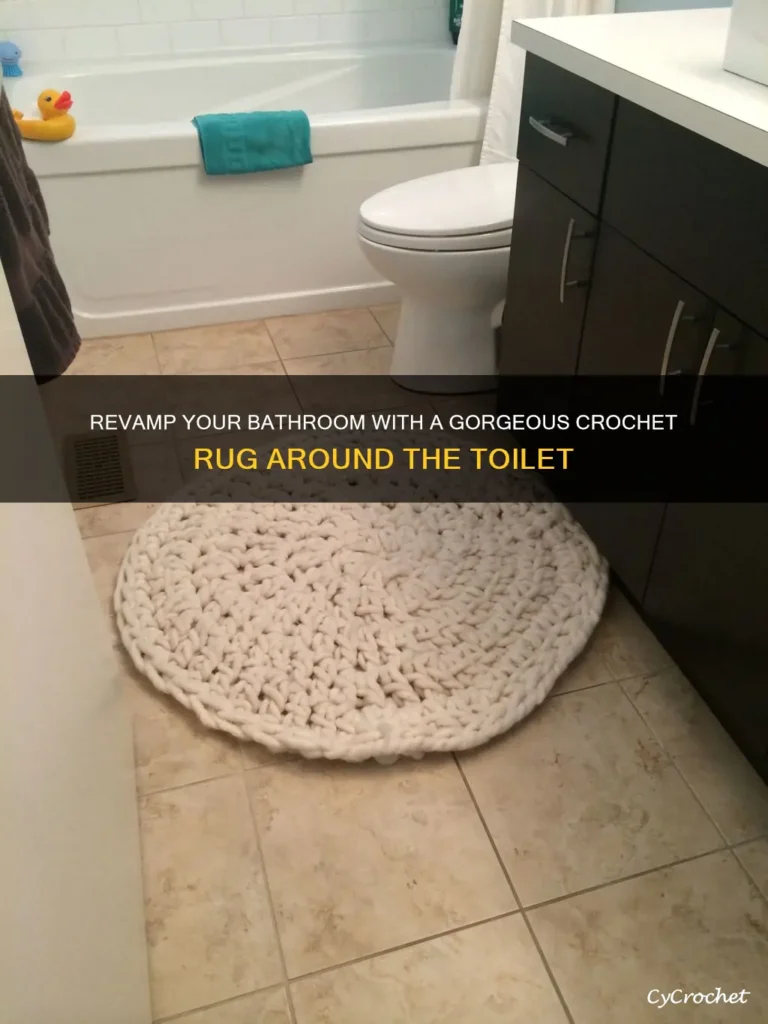
Contoured toilet mat
May fit around the toilet base, but avoid shapes that bunch, curl, or leave damp fabric trapped in tight spaces.
Where Should You Place a Bath Mat?
Place the mat where wet feet are likely to land, but keep it outside areas where standing water collects. If the shower door opens over hardwood, consider whether the mat can catch splashes without remaining soaked. A mat should not hide an active leak or compensate for a damaged shower seal.
For a bathroom with hardwood throughout, it may help to place the mat just beyond the wet zone and wipe the floor after bathing. If water frequently reaches the wood, address the source rather than relying on a larger rug.
Keep doorways clear
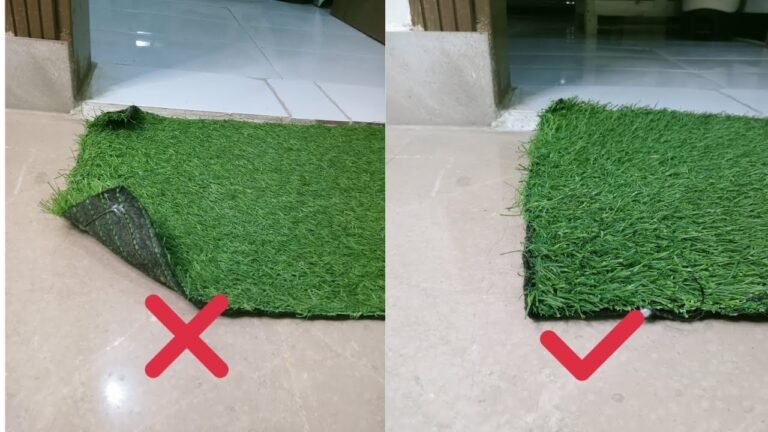
Make sure the mat does not fold under a door or create a raised edge that catches a foot.
Avoid permanent placement
Do not treat a bath mat as a fixed floor covering that never needs to be moved.
How to Prevent Water Damage Under a Bath Mat
The most reliable way to protect hardwood is to limit water exposure and remove moisture promptly. Even a well-made bath mat cannot prevent all water from reaching the floor, especially if the mat is soaked, its edges curl, or the shower sends water beyond the covered area.
Build a simple routine around each shower. Lift the mat, wipe up visible water, and let both the mat and floor dry before putting the mat back. This also gives you a chance to spot early changes in the wood before they become more difficult to address.
Source: amazon.ca
Lift after use
Hang the mat over a drying rack or another suitable support rather than leaving it flat on the floor.
Dry the hardwood
Use a soft, dry cloth to remove water. Follow the floor manufacturer’s instructions for any further cleaning.
Allow airflow
Use the bathroom exhaust fan if available and keep the mat spread out so moisture can escape.
Wash when needed
Follow the care label and let the mat dry completely before returning it to the floor.
Check the underside
Look for damp patches, odor, residue, and changes in the floor finish.
Signs That Moisture Is Affecting the Floor
A floor problem may start with a small change. You might notice a dull patch, darkened wood, a raised seam, a rough edge, or a musty odor that remains after the mat dries. These signs do not prove that the bath mat caused the damage, but they are reasons to investigate.
Remove the mat and let the area dry. Do not sand, bleach, or apply a new finish to a small patch before you know what caused the change. If the wood stays swollen, the finish peels, or the damage spreads, seek advice from the flooring manufacturer or a qualified flooring professional.
Dark or cloudy patches
Could indicate moisture or a finish problem. Stop covering the area until the cause is clear.
Raised edges or seams
May indicate swelling or movement in the flooring. Arrange a professional assessment if the change persists.
Musty odor
May point to trapped moisture or another damp source. Dry the area and investigate rather than masking the smell.
What If Water Keeps Reaching the Hardwood?
If the floor becomes wet after nearly every shower, review the shower door, curtain, splash direction, and seals. Check whether water is escaping from the tub edge or a nearby plumbing fixture. A bath mat can catch small splashes, but it cannot correct a leaking fixture or a failed waterproof seal.
If you cannot find the source, or the floor remains damp despite routine drying, have the plumbing or shower enclosure checked. Repeated moisture exposure is more likely to cause problems than a small spill that is cleaned up promptly.
Check the shower barrier
Look for gaps in the curtain or door and signs that water is escaping at the edges.
Check nearby fixtures
Look for drips around the toilet, sink, tub, and supply lines without dismantling plumbing.
Fix the source
Arrange suitable repairs if water continues to reach the floor.
How to Keep a Bath Mat From Sliding on Hardwood
A bath mat must stay in place when someone steps onto it with wet feet. However, adding a strong grip layer without checking floor compatibility can create a different problem. The best approach is to select a stable mat and use only a grip solution approved for your specific flooring finish.
Start with the floor itself. Remove dust, hair, and water using the cleaning method recommended for the finish. A damp or soapy floor can make even a mat with a good backing slide. Make sure the mat lies flat, has no curled corners, and does not bunch as you step on it.
Source: fity.club
Choose a stable shape
A flat mat with straight edges is less likely to curl or bunch than a damaged or poorly fitted one.
Check the grip
Follow the mat maker’s guidance and verify that its backing is suitable for the wood finish.
Use approved underlays only
Do not add a generic rubber or adhesive pad unless the flooring manufacturer confirms it is safe.
Replace worn mats
A cracked backing, stretched fabric, or curled edge can reduce stability and make the mat harder to keep flat.
Should You Use a Non-Slip Pad Under a Bath Mat?
A non-slip pad may help when the mat moves on a smooth surface, but not every pad is designed for hardwood. Some can discolor a finish, leave residue, or hold moisture between the pad and floor. Check the exact product instructions and floor care guidance before using one.
If you cannot confirm that a pad is compatible, consider a different bath mat designed for the floor type or place the mat on a more suitable surface. Do not rely on tape, glue, or an improvised coating to secure a mat near a shower.
Confirm material compatibility
Look for explicit approval for your floor type and finish, not just a general claim that the pad is non-slip.
Inspect regularly
Lift the pad to check for moisture, residue, or changes in the floor’s appearance.
How to Wash and Dry a Bath Mat Safely
A clean bath mat should not leave moisture, detergent residue, or backing material on the hardwood. The safest care method is the one stated on the product label, paired with a routine that keeps the floor dry. Do not assume every mat can go in a washing machine or dryer.
Before washing, check whether the mat has a rubber, latex, foam, or wood base. These materials may require a different method from a plain cotton mat. High heat, harsh cleaners, or rough handling can damage some backing materials and shorten the mat’s useful life.
Source: storage.googleapis.com
Read the care label
Confirm the recommended wash temperature, detergent, and drying method before cleaning the mat.
Shake off loose debris
Remove hair and loose dirt before washing to help keep the mat clean.
Dry it completely
Hang the mat or use a dryer only if the care label allows it. Check the backing as well as the top.
Clean the floor separately
Wipe the hardwood with a suitable dry or manufacturer-approved method before replacing the mat.
How Often Should You Wash It?
Wash a bath mat when it becomes dirty, develops an odor, or no longer feels clean. The right schedule depends on how many people use the bathroom, how much water reaches the mat, the ventilation in the room, and whether the mat dries between uses.
A household with frequent showers may need to wash and dry mats more often than a guest bathroom used occasionally. Whatever schedule you choose, lift the mat after use and do not wait for a musty smell before checking whether it stays damp.
Daily care
Lift the mat, air it out, and check for water underneath after showers.
Routine washing
Set a schedule based on use and the care label, and wash sooner when the mat is dirty or damp for too long.
After spills
Dry both the mat and the hardwood before returning it to the same spot.
What If the Mat Smells Musty?
A musty smell may mean the mat or floor beneath it has stayed damp. Lift the mat, inspect the underside, and check the hardwood for visible water or finish changes. Let the mat dry fully and wash it according to its care label.
If the odor remains, check the bathroom for a leak or another source of moisture. Do not cover the smell with fragrance or return a damp mat to the floor. If you find persistent dampness, visible mold, or floor damage, address the moisture source and seek qualified help when needed.
Do
Dry the mat and floor separately and improve ventilation where possible.
Do not
Mix cleaning products or use harsh chemicals on hardwood without checking the floor manufacturer’s guidance.
Common Mistakes to Avoid
Many bath mat problems come from how the mat is used rather than from the fabric alone. A good mat can still cause trouble if it stays wet, slides underfoot, or covers a floor that needs frequent inspection. Small changes to your routine can reduce those risks.
Source: carglassadvisor.com
Choosing by softness alone
A plush mat may feel comfortable but can hold more water and take longer to dry than a thinner design.
Assuming waterproof means floor-safe
A waterproof surface does not guarantee that the backing is compatible with a wood finish or that moisture cannot collect underneath.
Leaving the mat in one spot permanently
Long periods of contact can hide dampness, residue, and changes to the finish. Lift the mat regularly.
Using a generic grip pad
A pad intended for tile or another surface may not be suitable for hardwood.
Putting a damp mat back down
Even if the top feels almost dry, the backing may still hold water against the floor.
Ignoring recurring splashes
A mat cannot replace a sound shower enclosure, intact seals, or repairs to a leak.
Using too much cleaner
Residue from cleaners can affect the floor finish or make the surface slippery. Follow the floor care instructions.
When a Bath Mat May Not Be the Best Choice
If your hardwood is unfinished, damaged, or already showing signs of water exposure, placing a bath mat over it may hide a problem rather than solve it. The same concern applies when the floor stays wet after each shower or when you cannot safely secure the mat.
In these cases, control the water source first. A suitable floor repair, a shower seal repair, or a change in the wet-area layout may be more useful than buying another mat. Ask a flooring professional for advice if the floor has swollen, darkened, or developed persistent soft or raised areas.
Unfinished or vulnerable wood
Get floor-specific advice before exposing it to routine bathroom moisture.
Recurring leaks
Repair the source rather than covering the wet area with a larger mat.
Unstable footing
Do not use a mat that shifts, curls, or creates a trip hazard.
A Simple Buying Checklist
Before buying a bath mat, compare the features that affect floor protection and everyday use. A product listing may highlight softness, appearance, or a non-slip claim, but those details do not establish whether the mat will dry quickly or suit your hardwood finish.
Use this checklist to compare options without relying on vague claims. If a seller does not state the backing material or cleaning method, look for the product’s care instructions or ask the seller before making a choice.
Source: storage.googleapis.com
Top material
Choose cotton or microfiber for absorbency, or slatted wood when airflow and a firm surface matter more than soaking up water.
Backing material
Identify the exact material and confirm that it is suitable for the floor finish.
Drying method
Make sure you can wash or clean the mat and dry it fully between uses.
Grip and stability
Check that the mat lies flat and that its grip system is suitable for hardwood.
Size
Measure the area and avoid a design that blocks doors or creates a trip hazard.
Maintenance
Choose a mat you can lift and clean without difficulty.
Clear instructions
Prefer products with specific care guidance instead of broad claims about being safe for every floor.
Which Mat Should You Choose for Your Situation?
If you shower daily and want to absorb water, start with a thin or medium-weight washable cotton or microfiber mat that has a compatible backing. If you prefer the look of wood, consider a slatted mat only when you can manage water that passes through it and dry the floor below.
If your main concern is preventing damage to valuable or delicate hardwood, do not focus only on the mat. Confirm backing compatibility, place it where water exposure is limited, and lift it after each use. A simple routine is often more useful than an expensive material that remains wet.
For a family bathroom
Choose an easy-to-wash mat and plan to rotate it with a clean, dry spare.
For a small bathroom
Use a compact mat that can be lifted easily and does not obstruct the door.
For a wood-floored bathroom
Give priority to floor compatibility, water cleanup, and regular inspection.
For a low-use guest bathroom
Choose a mat that can be stored dry between visits rather than leaving it permanently on the floor.
Next Questions to Consider Before You Buy
Choosing the mat is only one part of keeping hardwood in good shape. You may also need to consider how the floor was finished, whether the shower sends water beyond its enclosure, and how much time the mat has to dry between uses.
These follow-up questions focus on practical decisions that can change which mat is suitable. The answers below provide general guidance, but the flooring maker’s care instructions should take priority for your specific floor.
Source: apartmentabc.com
Does your floor have a protective finish?
A finished surface may resist small splashes better than unfinished wood, but neither should be treated as waterproof without specific manufacturer guidance.
Can you lift the mat easily?
If the mat is too heavy or large to move often, a smaller, lighter option may be easier to maintain.
Does the bathroom dry out between uses?
Poor ventilation can slow drying and make frequent mat lifting more important.
Does water reach the same spot every day?
If so, investigate the shower layout or seals before choosing a more absorbent mat.
Research and Coverage Notes
The main reader need is to choose a bath mat that balances water absorption, floor compatibility, grip, and easy care. The practical comparison in this guide is based on general material characteristics and common moisture-control principles, not laboratory testing or a verified ranking of specific products.
The strongest decision point is backing compatibility. A mat can be absorbent and comfortable yet remain unsuitable for a particular hardwood finish. The guide also treats regular lifting and drying as essential because no material alone can guarantee protection from all water damage.
A useful next research step for a specific home is to identify the flooring brand and finish, then compare those care instructions with the exact bath mat’s backing and cleaning requirements. Product-specific claims about drying speed, slip resistance, and long-term finish safety should not be treated as established without relevant test data.
Primary intent
Help readers choose a suitable bath mat for hardwood floors.
Evidence limits
No first-hand product tests or independent comparative measurements are claimed in this article.
Decision priority
Confirm floor compatibility, then compare absorbency, drying, grip, size, and maintenance.
Frequently Asked Questions
Q
Can you put a bath mat directly on hardwood floors?
Yes, in some cases, but the mat must be compatible with the floor finish and managed carefully. Choose a mat that can be lifted and dried, confirm that the backing is suitable, and remove water from the floor after bathing. Do not leave a wet mat in place for long periods.
Q
Are rubber-backed bath mats safe for hardwood floors?
Not always. Some rubber or latex backings may react with certain floor finishes, leave marks, or trap moisture. Check the exact backing material and confirm compatibility with the flooring manufacturer before using the mat. A non-slip claim alone does not prove that a product is safe for hardwood.
Q
Is a cotton or microfiber bath mat better for wood floors?
Both can work well when the backing is compatible and the mat dries fully between uses. Cotton is absorbent and often easy to wash, while microfiber can offer a soft surface that collects water quickly. The better option depends on the mat’s thickness, construction, care instructions, and your ability to dry it.
Q
Are wooden bath mats better than fabric mats for hardwood?
Not necessarily. Slatted teak and bamboo mats allow air to pass through, but they do not absorb water like fabric. Water may fall through the gaps and reach the floor. A wooden mat can be suitable when you can keep the area below it dry, but it is not automatically the best choice for vulnerable hardwood.
Q
How often should you lift a bath mat on hardwood floors?
Lift it after each shower or whenever it becomes wet. Wipe up water underneath and allow both the mat and floor to dry before replacing it. Check the underside regularly for trapped moisture, residue, odor, or changes in the floor finish.
Q
Can a waterproof bath mat prevent hardwood floor damage?
A waterproof layer may reduce water passing through the mat, but it cannot guarantee floor protection. Water can enter at the edges, become trapped underneath, or collect because the mat does not dry. The backing must also be compatible with the floor finish. Prompt cleanup and regular lifting remain important.
Q
What should you do if hardwood turns dark under a bath mat?
Remove the mat, dry the area, and inspect the floor for swelling, peeling finish, or other changes. Do not cover the patch again until you understand the cause. Darkening can have more than one cause, so contact a qualified flooring professional if the discoloration persists, spreads, or appears with raised seams or damaged finish.
✦ Wrapping Up
Conclusion
The best bath mat for hardwood floors is one that absorbs the water you need it to catch, stays stable underfoot, and can be dried without trapping moisture against the wood. For everyday use, a washable cotton or microfiber mat with a compatible backing is a practical starting point. A slatted teak or bamboo mat can be an alternative when airflow and appearance matter, but water can still pass through it.
The backing deserves close attention because no single material is guaranteed safe for every floor finish. Read the mat’s care instructions, check the flooring manufacturer’s guidance, and avoid generic grip pads or coatings that have not been approved for your floor.
Most of all, treat the mat as a removable tool, not a permanent floor covering. Lift it after bathing, wipe up water, and let both surfaces dry. If water keeps reaching the hardwood or the floor begins to discolor or swell, fix the moisture source and seek professional advice when needed.
💡 Key Takeaway
Before buying, identify your floor finish and check the mat’s backing for compatibility. Choose a washable, easy-to-lift mat, then make lifting and drying it after every shower part of your routine.