Your bathroom rug most likely smells because it stays damp, traps dirt, or collects soap and body oils. Washing it and drying it fully can remove many common odors.
In American homes, bathroom rugs often sit beside a bathtub, shower, or toilet where water and humidity build up. A rug may feel dry on top while its backing and thick fibers stay wet underneath. That trapped moisture can lead to a musty smell, especially in bathrooms with poor airflow.
The good news is that most bathroom rug odors have a simple cause. You can often fix the problem by checking the care label, washing the rug with a suitable detergent, and letting it dry all the way through. If the smell returns soon after cleaning, you may need to check the rug backing, the floor beneath it, or the bathroom itself.
Source: craftsyhacks.com
Why Does My Bathroom Rug Smell?
A bathroom rug smells when moisture, dirt, or other residue builds up faster than the rug can dry or be cleaned. Wet feet leave water behind, shower steam raises humidity, and soap can settle into the fibers. Over time, these conditions can create a stale, sour, or musty odor.
The type of smell can help you narrow down the cause, but it cannot prove what is growing in the rug. A musty odor often points to trapped moisture. A sour smell may come from damp fabric and body oils, while a urine-like odor can result from splashes around the toilet or residue that ordinary washing has not removed.
Start by lifting the rug and checking both sides. Feel the backing, smell the underside, and inspect the floor beneath it. If the bottom smells stronger than the top, moisture or residue may be trapped near the backing or on the floor.
Source: proluxcleaning.co.uk
Musty or earthy smell
Check for trapped moisture, slow drying, poor ventilation, and possible mold or mildew growth.
Sour or stale smell
Look for damp fibers, body oils, soap residue, and a rug that stays wet between uses.
Urine-like smell
Check for toilet splashes, pet accidents, or residue on the rug and the floor beneath it.
Rubbery or chemical smell
Inspect the backing for wear or breakdown. A new rug may also have a material odor, but a strong or worsening smell should not be ignored.
Moisture Is the Most Common Place to Start
Bathroom rugs absorb water from wet feet and nearby splashes. Thick chenille, cotton, and microfiber rugs can hold moisture between their fibers, while a rubber or latex backing can slow drying from the bottom. If the rug lies flat on a damp floor, air may not reach the underside.
This creates a simple cycle: the rug gets wet, stays damp, develops an odor, and gets wet again before it fully dries. Washing alone may not solve the problem if you put the rug back on the floor while it is still damp.
What to check
Lift the rug after a shower and feel the backing and floor. If either remains damp long after the surface feels dry, improve drying and airflow.
Soap, Oils, and Dirt Can Build Up
A bathroom rug collects more than water. It can trap skin flakes, hair, dust, soap, lotion, and body oils. These materials can cling to the fibers and create an odor even when the rug looks clean.
Too much detergent or fabric softener can also leave residue. That residue may make fibers feel coated and can hold dirt, so adding more cleaning product is not always the answer. A proper wash and thorough rinse may work better.
What to check
Look for flattened fibers, a sticky feel, visible grime, or a smell that remains after the rug dries.
How to Get the Smell Out of a Bathroom Rug
The best way to remove a bathroom rug smell is to clean the rug according to its care label and dry it completely. Do not start by spraying perfume or adding a strong fragrance. These may cover the odor without removing the material causing it.
Before cleaning, check the rug’s label for washing instructions, water temperature, dryer limits, and backing restrictions. Some rugs can go in a washing machine, while others need gentle hand washing or spot cleaning. If the label is missing, check the manufacturer’s care instructions when available.
Source: renaissancerugportland.com
Step 1: Remove loose dirt
Take the rug outside or to a suitable area and shake it gently. Vacuum it if the material and care instructions allow. Keep dust away from your face, especially if you see possible mold.
Step 2: Check the backing
Look for peeling, cracking, sticky patches, or loose pieces. Damaged backing may not tolerate machine washing and can be a reason to replace the rug.
Step 3: Wash it properly
Use a detergent suitable for the rug material and follow the label. Avoid overloading the washer, and do not use a harsh cycle on delicate fibers or rubber-backed mats.
Step 4: Rinse away residue
Follow the recommended detergent amount. If the rug still feels soapy and its care instructions allow it, use an additional rinse to remove leftover product.
Step 5: Dry both sides
Use the approved drying method. Hang the rug or lay it flat in a well-ventilated area when suitable, and turn it over so the backing can dry too.
Step 6: Clean the floor
While the rug dries, clean the floor beneath it with a product suitable for that surface. Let the floor dry before returning the rug.
How to Tell Whether the Cleaning Worked
A successful cleaning should leave the rug without its previous stale or musty odor once it is fully dry. The fibers should not feel soapy, and the backing should not feel damp or sticky. Check the underside as well as the top.
If the smell remains, do not keep adding detergent or fragrance. Check whether the rug dried fully, whether the backing holds the odor, and whether the floor or nearby area has a moisture problem. A persistent odor may require a different cleaning method or replacement.
If the odor returns within a day
Check for trapped moisture and poor airflow. The rug may be getting damp again before it dries fully.
If the rug smells clean but the room does not
Check the floor, toilet base area, shower edges, bath towels, and other damp textiles.
Can Baking Soda Remove Bathroom Rug Odors?
Baking soda may help with some mild odors, but it is not a substitute for washing a dirty or damp bathroom rug. It cannot fix a leaking pipe, remove every type of stain, or guarantee that mold has been removed. Use it only if the rug’s care instructions and material make it suitable.
For a rug that can tolerate dry powder, sprinkle a small amount over the dry surface. Leave it for a short period, following the product and material guidance, then vacuum it thoroughly if vacuuming is allowed. Do not leave powder embedded in thick fibers or use this method on a wet rug.
Source: storage.googleapis.com
Use it for
Mild stale odors in a clean, fully dry rug when the material can be safely vacuumed.
Do not rely on it for
Persistent musty smells, visible mold, urine contamination that needs targeted cleaning, or odors caused by damaged backing.
Protect the material
Test a small hidden area if the care instructions permit it. Avoid methods that leave powder in delicate fibers or damage a coated backing.
Why Fragrance Sprays Often Fail
Air fresheners and fabric sprays may cover an unpleasant smell for a while. They do not remove the dirt or moisture that caused it, and some sprays are not suitable for every rug material. Fragrance can also mix with a musty odor and make the room smell stronger.
Clean the source first. If you use a fabric product, follow its label, test for color changes, and make sure the rug can dry fully before anyone steps on it.
Better first choice
Wash the rug with a suitable detergent and dry it fully before trying an odor-control product.
Why Does My Bathroom Rug Smell After Washing?
A bathroom rug can smell worse after washing if it stays wet for too long, retains detergent, or has an odor trapped in its backing. Water can loosen residue inside the rug and make an existing smell more noticeable. A wet rug may also have a temporary damp-fabric odor that fades after full drying.
The key is to judge the smell after the rug has dried completely. If the odor disappears, moisture was likely part of the problem. If it remains or returns quickly, inspect the backing, check the floor beneath the rug, and review whether the cleaning method suits the material.
Source: the-rugs.com
The rug is still damp
Give it more drying time and improve airflow. Do not put it back on the floor until the backing is dry.
The rug smells like detergent
Too much detergent or incomplete rinsing may leave residue. Follow the care label and use the correct detergent amount on the next wash.
The backing smells stronger than the fibers
The backing may hold moisture or odor. Check whether the manufacturer permits another wash, and replace the rug if the backing is breaking down.
The odor comes back after a clean start
Inspect the floor and nearby moisture sources. The rug may be collecting water from a leak, repeated splashes, or a humid room.
How to Dry a Bathroom Rug Faster
The safest drying method depends on the rug. Check the label before using a dryer, heater, or direct sunlight. Excessive heat can damage some synthetic fibers and cause rubber or latex backing to crack, curl, or lose its grip.
If machine drying is not allowed, hang the rug where air can reach both sides or lay it flat on a clean, dry surface in a ventilated room. Turn it over as needed, and use a bathroom exhaust fan or a dehumidifier to lower moisture in the room.
Allow air to reach the backing
Do not leave a wet rug flat on a damp tile floor. Hang it over a suitable rack or use another approved method that exposes the underside.
Improve ventilation
Run the bathroom exhaust fan during and after showers according to its instructions. Open a window when weather and outdoor conditions allow.
Avoid unsafe heat
Do not place a rug against a space heater or use a high dryer setting unless the manufacturer explicitly allows it.
Could Mold or Mildew Be Causing the Smell?
Yes, mold or mildew may contribute to a musty bathroom rug odor when the rug stays damp. However, smell alone cannot confirm mold or tell you which type is present. Visible spots, persistent dampness, and a musty odor together are reasons to take a closer look.
Do not shake, beat, or aggressively brush a rug with visible suspected mold indoors. These actions can spread particles into the air. Keep children and pets away while you assess the problem, and avoid handling a badly affected rug without suitable protection.
A small washable rug may be manageable if its care instructions allow thorough cleaning and drying. If mold is widespread, the backing is affected, the rug cannot be cleaned safely, or the odor keeps returning, replacement may be the more practical option. Also investigate the source of moisture so the problem does not move to a new rug.
Source: ozknots.com.au
Look for visible changes
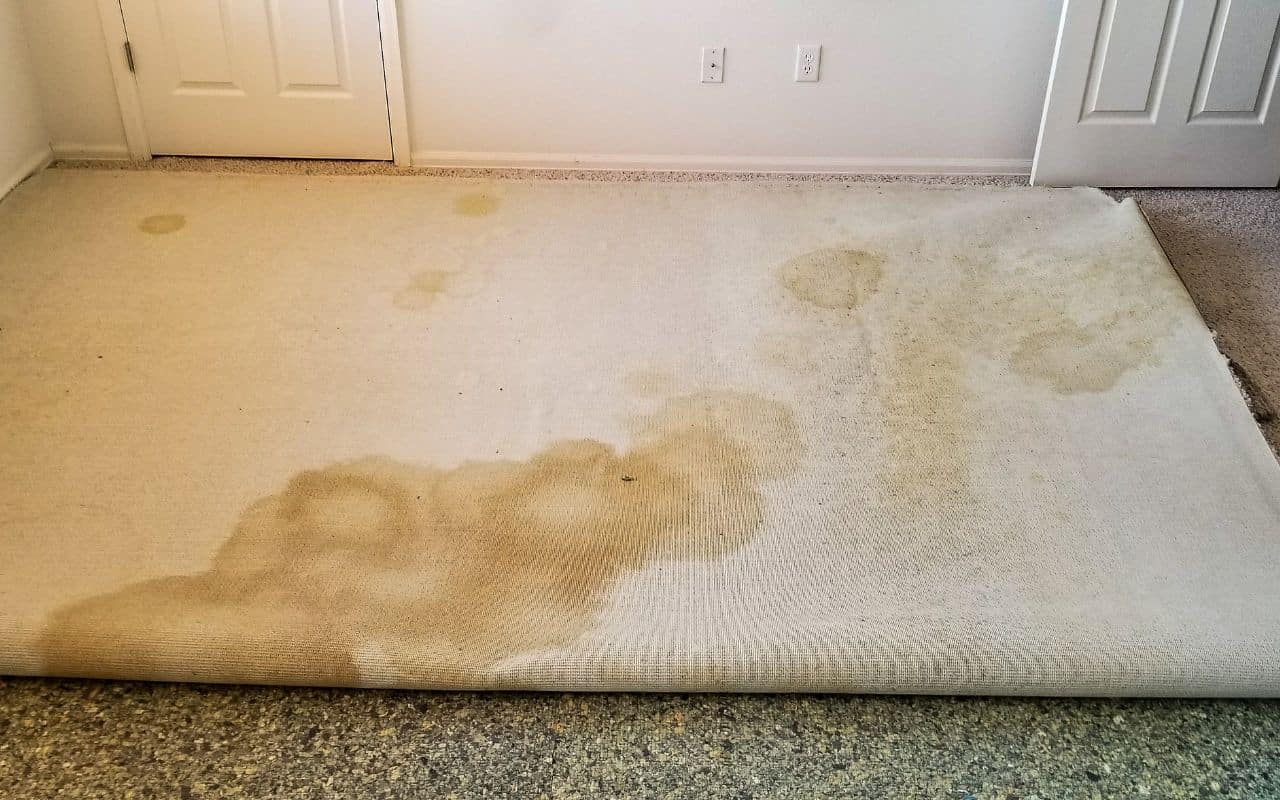
Check for unusual spots, discoloration, damaged fibers, and areas that remain wet. Not every stain is mold, and mold may not always be visible.
Find the moisture source
Inspect the floor, nearby plumbing, shower edges, and toilet area for leaks or repeated wetting.
Know when to stop cleaning
Do not keep using a rug that has extensive suspected mold, a deteriorating backing, or a persistent odor that ordinary care does not resolve.
When the Floor Beneath the Rug Smells Musty
If the floor smells musty after you remove the rug, cleaning the rug alone will not solve the problem. Water may be collecting beneath the backing or entering gaps, seams, or damaged flooring. The risk depends on the floor material and how long the area has stayed wet.
Clean and dry the exposed floor using a method suitable for its material. Check for swollen edges, lifting vinyl, damaged grout, or persistent dampness. If the floor remains wet, the odor spreads, or you suspect water damage beneath the surface, contact a qualified flooring or water-damage professional.
Tile floor
Check the grout, edges, and nearby joints for persistent moisture or damage.
Wood or laminate floor
Look for swelling, discoloration, soft areas, or changes in the finish. Avoid soaking the surface during cleaning.
Vinyl floor
Check for lifting seams, damaged edges, or moisture that may be trapped below the surface.
How Different Bathroom Rug Materials Affect Odor
The rug material affects how it absorbs water, how fast it dries, and which cleaning methods it can tolerate. No single material is guaranteed to stay odor-free. Room humidity, rug thickness, backing design, washing habits, and airflow all matter.
When choosing a replacement, consider how often the rug gets wet and whether you can hang it up after each shower. A rug that is easy to wash and dry may be more useful than a thicker rug that feels plush but stays damp for hours.
Source: asterlane.com
Cotton
Cotton can absorb water well and may be machine washable, depending on its construction. A thick cotton rug still needs enough time and airflow to dry.
Microfiber
Microfiber can feel soft and absorb water, but dense fibers may trap residue. Follow the care label to avoid damaging the fabric.
Chenille’s textured pile can feel comfortable underfoot. Its depth may also hold moisture, hair, and dirt if the rug is not cleaned and dried well.
Memory foam
Memory foam mats may dry slowly through their thicker layers. Some can be machine washed, but others have specific limits, so check the manufacturer’s directions.
Rubber-backed rugs
The backing can limit airflow underneath. Repeated heat exposure, harsh cleaners, or age may damage some backing materials.
Bamboo or wooden bath mats
These mats do not behave like absorbent fabric rugs. Water can remain between slats or beneath the mat, so they still need ventilation and regular cleaning.
Which Rug Is Easiest to Keep Fresh?
For many households, the easiest rug to keep fresh is one that fits the bathroom, can be cleaned without damage, and dries fully between uses. A washable cotton rug may suit someone who prefers regular laundry, while a lightweight rug may be easier to hang after a shower.
If you prefer a thick, plush mat, plan for its drying needs. You may need to hang it after use or keep a second washable mat available while the first one dries. Whatever the material, check that the rug has a stable, suitable backing and does not create a slipping hazard.
Choose for your routine
Pick a rug you can realistically wash, lift, and dry as often as needed.
Check care limits before buying
Confirm whether the rug can be machine washed and how the manufacturer says to dry it.
How Often Should You Wash a Bathroom Rug?
Wash a bathroom rug when it becomes dirty, smells stale, or stays damp, and set a routine based on how often the bathroom is used. A shared family bathroom may need more frequent washing than a guest bathroom that sees little use. There is no single schedule that suits every rug and household.
Drying matters as much as washing. If several people use the shower each morning and the rug stays wet all day, washing it more often may not be enough. Lift or hang the rug between uses and make sure air can reach the backing.
Source: medshun.com
After heavy use
Hang the rug to dry when practical, especially if several people shower in a short period.
When it smells or looks dirty
Wash it promptly if the material permits. Do not wait for visible stains if the rug remains damp and develops an odor.
After a spill or accident
Clean the affected area as soon as possible with a method suitable for the rug. Urine or other bodily fluids may require a targeted cleaner.
After washing
Return the rug only when both the fibers and backing are fully dry.
A Simple Weekly Care Routine
A simple routine can prevent many recurring odors. Once a week, inspect the rug, lift it to check the floor, and wash it if its condition or care needs call for it. In a heavily used bathroom, check it more often.
Between washes, remove loose hair and dust when the material allows. Keep the floor dry, run the exhaust fan during and after showers, and avoid leaving wet towels piled on the rug. If the rug repeatedly smells before the next wash, address the drying problem rather than relying only on more frequent laundry.
Inspect
Check the top, underside, backing, and floor for odor, dirt, damage, or dampness.
Clean
Use the care-label method and the right amount of detergent.
Dry
Allow airflow around both sides and do not return the rug while damp.
Common Mistakes That Make Bathroom Rug Odors Worse
Some cleaning habits can leave a bathroom rug smelling worse or damage it. The most common problem is treating the odor without fixing the moisture source. Another is using a product that does not suit the fibers or backing.
Avoid combining cleaning chemicals to make a stronger solution. Never mix bleach with vinegar, ammonia, or other cleaners. These combinations can release dangerous gases or cause harmful reactions.
Source: medshun.com
Putting the rug back while damp
This traps moisture against the floor and may allow the odor to return. Wait until the entire rug is dry.
Using too much detergent
Excess product can remain in the fibers and attract dirt. Measure according to the detergent and rug instructions.
Using high heat without checking the label
High heat can damage rubber backing, synthetic fibers, or foam layers. Use only approved drying methods.
Spraying perfume over a musty smell
Fragrance may mask the odor without removing the cause. Clean and dry the rug before considering a fabric-safe odor product.
Ignoring the floor underneath
A wet or dirty floor can make a freshly cleaned rug smell again. Inspect and dry the area before putting the rug back.
Scrubbing suspected mold indoors
Aggressive brushing can spread particles. Avoid disturbing a heavily affected rug and seek suitable cleanup advice when the problem is extensive.
When Should You Replace a Smelly Bathroom Rug?
Replace the rug if the odor persists after appropriate cleaning and complete drying, especially if the backing is peeling, cracking, sticky, or separating from the fabric. A rug with extensive suspected mold or water damage may not be worth trying to salvage. The same applies when its material cannot tolerate the cleaning needed to remove the contamination.
Before buying a new rug, fix the reason the old one smelled. Improve ventilation, dry the floor, address leaks, and choose a rug that suits your washing routine. Otherwise, the new rug may develop the same odor.
Replace it when
The backing is breaking down, the odor remains after proper care, or widespread contamination cannot be cleaned safely.
Keep it when
The rug is structurally sound, the odor disappears after cleaning and drying, and the floor beneath it stays dry.
How to Prevent Your Bathroom Rug From Smelling Again
The best way to prevent bathroom rug odor is to stop moisture from lingering. A clean rug can still develop a smell if it stays wet between showers or rests on a damp floor. Build drying into your daily routine instead of waiting until the odor returns.
Use the bathroom exhaust fan during showers and afterward, following its instructions. If the room stays humid, consider a dehumidifier suitable for the space and correct any plumbing leaks. Avoid placing a thick rug where it blocks access to a damp floor or makes it hard to inspect the area.
Source: craftsyhacks.com
Hang the rug when possible
Let air reach both sides after a shower, especially when the rug has a thick pile or moisture-resistant backing.
Keep the floor dry
Wipe up splashes around the tub, shower, and toilet before water becomes trapped beneath the rug.
Wash before odors become strong
Follow a regular cleaning routine based on use, visible soil, and the manufacturer’s instructions.
Use suitable cleaning products
Choose a detergent or targeted cleaner that matches the rug material and the type of residue.
Inspect the backing
Replace a deteriorating mat before damaged material begins to hold grime or creates a slipping risk.
A Quick Decision Guide for Smelly Bathroom Rugs
Use the smell, the rug’s condition, and the area beneath it to decide what to do next. This table is a practical starting point, not a way to diagnose mold or identify a specific contaminant by odor alone.
Musty smell and damp backing
Hang the rug, improve airflow, wash it if permitted, and dry it fully before reuse.
Odor after washing
Check drying time, detergent residue, backing condition, and the floor beneath the rug.
Urine-like smell
Inspect the toilet area and use a suitable targeted cleaner according to its label.
Visible suspected mold or extensive damage
Avoid disturbing the material. Consider replacement or appropriate professional cleanup, and address the moisture source.
Odor from the room rather than the rug
Inspect other damp textiles, plumbing, drains, and floor areas rather than repeatedly washing a clean rug.
Frequently Asked Questions
Q
Why does my bathroom rug smell like mildew even after washing?
The rug may still be damp inside, the backing may hold odor, or the floor beneath it may be wet. Detergent residue can also contribute to a stale smell. Let the rug dry fully, inspect both sides, and check the floor before deciding whether another wash or replacement is needed.
Q
Can I use vinegar to remove a bathroom rug smell?
Vinegar may help with some odors, but it is not suitable for every fiber or backing. Check the manufacturer’s care instructions before using it, and never mix vinegar with bleach or other cleaning products. A suitable detergent and thorough drying are often the better first steps.
Q
Can I put a rubber-backed bathroom rug in the dryer?
Only if the manufacturer explicitly allows machine drying and states the suitable settings. Heat can damage some rubber or latex backings, causing them to crack, curl, or lose their grip. When in doubt, use an approved air-drying method that allows both sides to dry.
Q
Why does my bathroom rug smell like urine?
Possible causes include toilet splashes, pet accidents, or residue that remains in the fibers or backing. Inspect the rug and the floor around the toilet. If needed, use a cleaner labeled for the specific contamination and safe for the rug material, following its instructions.
Q
How can I tell if my bathroom rug has mold?
A persistent musty smell, visible spots, discoloration, and ongoing dampness can raise concern about mold, but smell and appearance alone cannot confirm the type or extent. Avoid shaking or aggressively brushing a visibly affected rug. If the growth is extensive or the floor beneath it may be damaged, seek suitable cleanup or repair advice.
Q
Should I throw away a bathroom rug that smells bad?
Not always. If the rug is washable, its backing is sound, and the odor disappears after proper cleaning and drying, you may be able to keep it. Replace it if the smell persists, the backing is deteriorating, or extensive contamination cannot be cleaned safely.
Q
How do I stop my bathroom rug from smelling between washes?
Lift or hang it after use so both sides can dry. Run the bathroom exhaust fan, wipe up standing water, and avoid leaving the rug on a damp floor. If the room remains humid or the rug never dries fully, address the ventilation or moisture problem.
✦ Wrapping Up
Conclusion
If you are asking why your bathroom rug smells, start by checking for trapped moisture, dirt, detergent residue, and backing damage. Wash the rug according to its care label, clean the floor beneath it, and let every layer dry completely. Baking soda may help with mild odors on suitable dry rugs, but it cannot replace proper cleaning or fix a moisture problem.
If the smell returns quickly, look beyond the rug itself. Poor ventilation, a damp floor, a plumbing leak, or possible mold may be the real cause. Fixing that source is the best way to keep both your rug and bathroom fresh.
💡 Key Takeaway
Today, lift your bathroom rug, inspect the backing and floor, wash it if the care label allows, and dry it fully before putting it back. If the musty odor persists or visible mold or floor damage appears, stop using the rug until the cause has been addressed.












3 Comments