A bath mat in front of a shower is not required, but it can help control water and make the floor safer when properly selected and maintained.
For a typical U.S. bathroom, the decision depends mainly on how much water reaches the floor, how slippery the flooring becomes when wet, and whether anyone using the bathroom has a higher risk of falling. A bath mat can catch water as you step out of the shower, but a loose or poorly designed mat can create a trip or slip hazard of its own.
The safest approach is to treat a bath mat as one part of bathroom moisture and slip control rather than as a guarantee of safety. A mat should stay firmly in place, dry between uses, and be large enough to catch the water that normally lands outside the shower. If the bathroom floor remains dry without one, leaving the mat out may be reasonable.
Source: medschoolinsiders.com
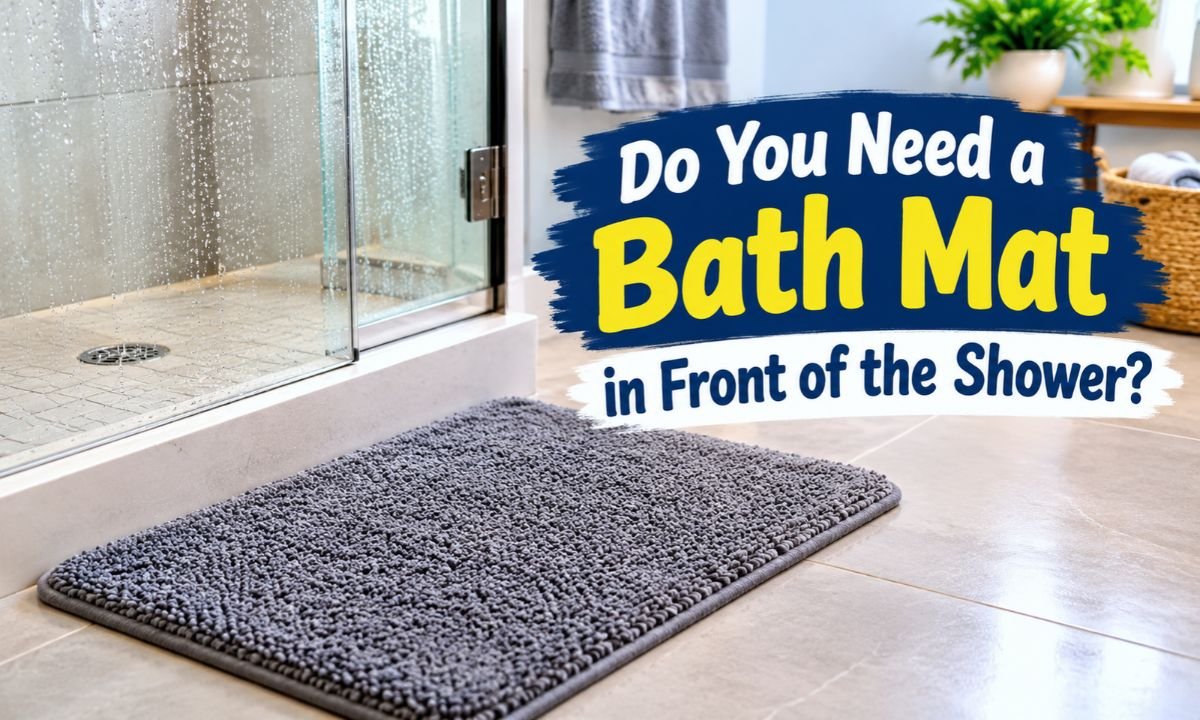
Do You Need a Bath Mat in Front of the Shower?
No, a bath mat is not universally necessary in front of a shower. It is useful when shower water regularly reaches the bathroom floor or when the floor becomes slippery when wet. If your shower has effective doors or curtains, good drainage, and little water escapes, you may not need a separate mat.
The main purpose of a bath mat outside the shower is to manage water between the shower and the rest of the bathroom. It can absorb droplets from wet feet and reduce the amount of water left where people walk. That benefit matters most when the floor surface does not provide good traction while wet.
Bathroom falls are a real safety concern in the United States. CDC data have found that falls account for most reported nonfatal bathroom injuries, with bathing, showering, and getting out of a tub or shower among the activities associated with injury. A mat can help with water management, but it should not replace appropriate nonslip surfaces or other safety measures when they are needed.
Source: etsy.com
Use one when water regularly reaches the floor
A mat can catch water from wet feet and small amounts of splash that escape the shower.
Consider skipping it when the floor stays dry
If the shower contains water effectively and the surrounding flooring remains dry, a mat may provide little practical benefit.
Prioritize traction and stability
A bath mat should not slide, bunch up, curl at the edges, or become unstable when stepped on.
What Is the Difference Between a Shower Mat and a Bath Mat?
A shower mat is commonly placed inside the shower area, while a bath mat or bathroom rug is normally placed outside the shower or bathtub. Their purposes overlap but they are not interchangeable. A mat designed for use inside a wet shower must be suitable for that environment and should not be assumed to work safely outside it.
For the floor directly in front of a shower, choose a mat intended for bathroom-floor use and follow its care and placement instructions. The key features are stability, water absorption, appropriate backing, and compatibility with the floor underneath.
Inside the shower
Use a product specifically designed for wet shower or tub surfaces when an additional nonslip surface is appropriate.
Outside the shower
Use an absorbent bath mat or suitable bathroom rug that stays securely positioned on the bathroom floor.
Why Put a Bath Mat in Front of the Shower?
The biggest reason to place a mat outside the shower is water control. Water can leave the shower on bare feet, drip from a shower curtain, or splash through an open shower door. A properly positioned mat gives that water an absorbent surface instead of leaving it directly on the walking floor.
This is particularly useful on smooth flooring that becomes less secure when wet. The CDC has identified slippery floors and bathroom mats without rubber backing as potential contributors to slips in older adults. That does not mean every bath mat is safer than bare flooring. The mat itself needs to remain stable.
A mat can also make the area more comfortable because it gives you a dry surface to step onto after showering. However, an absorbent mat that remains wet for long periods can become a moisture-management problem. It should be dried and cleaned according to its care instructions.
Source: ar.inspiredpencil.com
Reduces water on walking surfaces
An absorbent mat can capture droplets that would otherwise remain on the bathroom floor.
Provides a defined step-out area
The mat creates a consistent place to step after leaving the shower.
Can improve comfort
A dry textile surface may feel warmer and more comfortable than bare bathroom flooring.
Does not eliminate fall risk
A mat can become a hazard if it moves, folds, curls, or becomes saturated.
When a Bath Mat May Not Be Necessary
You may not need a bath mat if your shower keeps water contained, the floor outside remains dry, and the flooring maintains suitable traction when a small amount of water is present. A minimalist bathroom can function perfectly well without a mat when moisture is controlled another way.
Skipping a mat can also make sense when you cannot keep a particular mat securely positioned. A loose accessory should not be added simply because a bathroom traditionally has one. The goal is a dry, stable walking surface, not the presence of a rug.
The shower has effective water containment
A well-designed door or curtain limits the amount of water reaching the surrounding floor.
The floor dries quickly
Good ventilation and appropriate flooring can reduce lingering moisture.
The mat would move or curl
If a mat cannot stay securely positioned, leaving the floor clear may be safer.
How to Choose a Safe Bath Mat for the Shower Area
Choose a bath mat based on stability, water management, size, and maintenance rather than appearance alone. The best mat for your bathroom is one that remains flat and secure on your particular floor while handling the amount of water your shower produces.
The backing is especially important. A mat that slides easily can introduce a hazard at exactly the point where someone is stepping with wet feet. Before using a mat, check that the backing is appropriate for the flooring and that the manufacturer allows that combination. Do not assume that any rubberized or textured backing is safe for every floor type.
Size should also match the area where water lands. A mat that is too small may become saturated quickly or leave wet flooring around its edges. A very large mat is not automatically better if it interferes with doors, cabinets, toilet access, or normal walking paths.
Source: mydegreeguide.com
Stable backing
Select a mat that is designed to resist movement on the type of floor you have.
Adequate absorbency
The mat should handle the normal amount of water produced when household members leave the shower.
Flat construction
Avoid mats with curled edges, damaged backing, or folds that can catch a foot.
Suitable dimensions
The mat should cover the practical step-out area without obstructing doors, fixtures, or walking routes.
Easy maintenance
Choose a material and construction that can be cleaned and dried as frequently as your bathroom requires.
What Size Bath Mat Should Go in Front of a Shower?
There is no single correct size because shower layouts differ. Measure the available floor area first, then consider where your feet land when you step out. The mat should cover the primary wet zone without extending into places where it can interfere with doors or create a trip point.
For a narrow shower, a compact rectangular mat may be sufficient. A wider walk-in shower may need a longer mat to cover the normal exit path. If multiple people use the bathroom, size the mat for the actual traffic pattern rather than choosing a size based only on the shower opening.
Measure before buying
Check the width of the shower exit and the available floor depth.
Keep doors clear
Make sure the mat does not block a hinged or sliding shower door.
Cover the wet path
Place the mat where wet feet naturally land rather than simply centering it in the room.
How to Place and Maintain a Bath Mat Safely
Place the bath mat on a clean, dry floor and position it so the main step out of the shower lands on the mat. Keep the edges away from doors and other areas where a foot could catch the material. If the mat repeatedly shifts, do not simply accept the movement as normal; determine whether the product is suitable for the floor or replace it.
Keep the mat clean and allow it to dry between uses when practical. Persistent moisture can contribute to unwanted biological growth indoors, and the EPA recommends controlling moisture and drying wet materials promptly. Bathroom textiles that stay damp for long periods deserve particular attention.
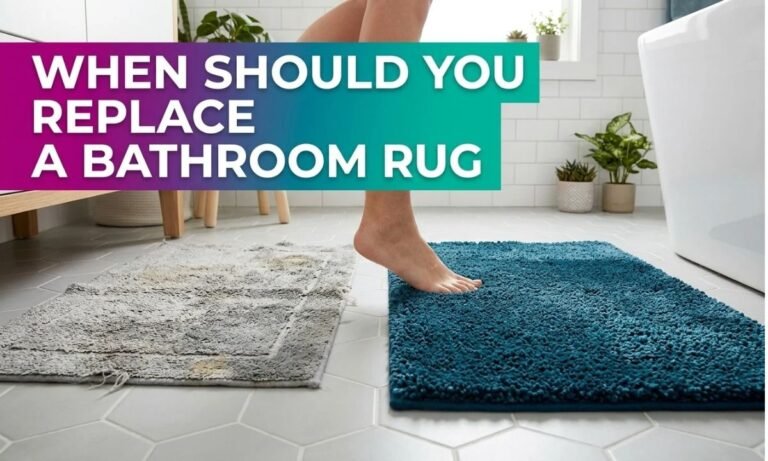
Inspect the mat regularly. Replace it if the backing has deteriorated, the edges remain curled, the surface no longer lies flat, or the material cannot be kept reasonably clean and dry. Washing instructions vary by material, so follow the manufacturer’s care guidance rather than assuming every mat can be machine washed or dried.
Source: gaz.com.br
Keep it flat
Flatten curled edges and replace the mat if it no longer lies securely.
Keep it dry
Allow the mat to dry between uses when possible, especially if it becomes heavily saturated.
Clean it regularly
Follow the care instructions for washing and drying so moisture and buildup do not accumulate.
Check the backing
Stop using a mat when the backing becomes damaged, brittle, detached, or ineffective.
Keep the floor underneath clean
Lift the mat periodically so you can clean and dry the floor beneath it.
What If the Bath Mat Gets Soaked Every Day?
If a bath mat is soaked after normal shower use, first check whether it is too small, positioned incorrectly, or absorbing more water than it can reasonably hold. A larger mat may help, but the underlying problem could also be excessive water escaping from the shower.
If the mat stays wet for long periods, improve drying and ventilation and address the source of the water. A permanently damp mat is not a good substitute for fixing a shower curtain, door seal, drainage, or other moisture problem.
Find the water source
Check whether the shower curtain, door, showerhead, or user movement is directing water outside the shower.
Improve drying
Hang or spread the mat so it can dry rather than leaving it folded or bunched.
Fix persistent leaks
A mat should manage ordinary droplets, not compensate for a continuing plumbing or enclosure problem.
Bath Mat vs. No Bath Mat: Which Is Better?
Neither option is automatically better for every bathroom. The better choice is the one that leaves the walking surface dry, stable, and easy to maintain. A bath mat is useful when it solves a real water-management problem without introducing movement or trip hazards.
For households with older adults or anyone who has difficulty with balance, bathroom safety deserves extra attention. A mat should be only one part of the setup. The CDC recommends broader home-safety measures such as reducing trip hazards and using appropriate grab bars around tubs and showers when needed.
If your bathroom floor is already slip-resistant and stays dry after showering, a bath mat may add little safety value. If water frequently collects outside the shower, a properly secured absorbent mat can be a practical improvement.
Source: ar.inspiredpencil.com
Choose a mat
A mat is useful when water regularly reaches the floor and the mat can remain securely positioned.
Skip the mat
Going without one can be reasonable when the floor stays dry and the existing surface provides suitable traction.
Use additional safety measures
Higher-risk bathrooms may require more than a mat, including appropriate grab bars, improved lighting, and safer shower surfaces.
A Simple Decision Guide
Use these questions to decide what makes sense for your bathroom. The goal is to control water without creating a new obstacle.
Does water regularly reach the floor?
Yes suggests that an appropriate bath mat may be useful. No means a mat may be optional.
Does the floor become slippery when wet?
If yes, prioritize a suitable flooring or safety solution rather than relying on a decorative rug.
Can the mat stay firmly in place?
If no, do not use that mat until the movement problem is resolved.
Can the mat dry adequately?
If no, choose a different setup or address the moisture source.
Does someone in the household have a higher fall risk?
If yes, evaluate the entire shower exit and bathroom walking area rather than treating the mat as the only safety measure.
Frequently Asked Questions
Q
Can you use a bath mat without a shower?
Yes. A bath mat can be used near a bathtub, sink, or other area where water commonly reaches the bathroom floor. Its usefulness depends on whether it manages moisture without becoming a slip or trip hazard.
Q
Should a bath mat be inside or outside the shower?
A bath mat intended for bathroom floors is generally placed outside the shower where wet feet step onto the floor. Products intended for use inside a shower should be specifically designed for that wet environment and should not be treated as interchangeable with an ordinary fabric bath mat.
Q
Can a bath mat make a bathroom less safe?
Yes. A loose, sliding, curled, or damaged mat can create a slip or trip hazard. Research summarized by the CDC has identified bathroom mats without adequate slip-resistant backing as a potential fall risk, particularly for older adults.
Q
How often should you wash a bath mat?
There is no single schedule that fits every household. Wash or clean the mat often enough to prevent persistent dampness, odor, visible buildup, or other hygiene problems, and follow the care instructions for the specific material. If the mat remains wet between uses, improve drying rather than simply washing it more often.
Q
What should you put in front of a walk-in shower?
A properly sized, stable bath mat is a common option when water reaches the floor. The best choice depends on the floor surface, shower design, amount of splash, and the needs of the people using the bathroom. Keep the walking path clear and make sure the mat does not interfere with the shower door.
✦ Wrapping Up
Conclusion
You do not need a bath mat in front of every shower. The deciding question is whether it improves water control without creating another hazard. If shower water regularly reaches the floor, a stable and absorbent mat can help keep the step-out area drier. If the floor stays dry and the mat would move or remain damp, leaving it out may be the better choice.
For the safest setup, focus on the whole bathroom rather than the mat alone. Keep walking surfaces dry, address leaks or excessive splash, maintain the mat and floor, and consider additional fall-prevention measures when someone in the household has increased difficulty with balance.
💡 Key Takeaway
Step out of the shower and observe where water actually lands. If the walking floor becomes wet, choose a properly sized mat that stays firmly in place, dries between uses, and does not interfere with doors or normal movement.
Should a bath mat match the towels? Learn when matching works, when to mix colors and textures, and how to create a coordinated bathroom without overmatching.