Yes, a memory foam bath mat is worth it if you want a soft, cushioned surface and have enough airflow to dry it between uses. However, it may not be the best choice for damp bathrooms, busy households, or people who need easy-care flooring.
After a shower in an American home, stepping onto a cold tile floor is not always pleasant. A soft bath mat can make that moment much nicer. Memory foam mats take this comfort a step further by adding a cushioned layer under your feet. They are popular in homes across the United States, especially in bathrooms with tile, stone, or other hard floors.
But comfort is only one part of the decision. A bath mat also needs to soak up water, dry well, stay in place, and remain easy to clean. Memory foam can do some of these jobs well, but its thick construction can create problems when a bathroom has poor airflow or gets used several times a day.
The right choice depends on your bathroom, your daily routine, and how much care you want to give the mat. A memory foam mat can be a good buy for a guest bathroom or a well-ventilated primary bathroom. A thinner cotton or microfiber mat may work better for a family bathroom that stays busy from morning to night.
Source: ae01.alicdn.com
What Is A Memory Foam Bath Mat?
A memory foam bath mat is a bathroom floor mat with a soft foam layer inside. The foam compresses when you stand on it and then slowly returns toward its original shape. This gives the mat a padded feel that differs from a thin cotton rug.
Many models have a fabric cover made from polyester, microfiber, or another soft material. Some have a rubber or PVC backing to help keep the mat in place. Others use small grip dots or a separate non-slip layer.
The foam is the main feature. It creates a soft surface that can make standing at the sink or stepping out of the shower more comfortable. Still, not every mat uses the same foam, cover, or backing. These details can change how well a mat absorbs water, dries, and holds up over time.
Source: nypost.com
Foam core
This is the padded layer that gives the mat its soft, springy feel. Its thickness and density can vary by product.
Fabric cover
The outer layer touches your feet and helps collect water. Its texture can affect softness and absorbency.
Non-slip backing
This layer is designed to reduce movement on the bathroom floor. Its grip depends on the backing material and the condition of the floor.
Stitched edges
The edges hold the layers together. Strong stitching can help prevent the cover from coming apart during regular use.
How Does Memory Foam Work?
Memory foam changes shape under pressure. When you step on the mat, the foam compresses around the areas that carry your weight. When you step away, it gradually rises again.
This gives your feet a softer landing than a flat woven mat. It can also make standing at a bathroom sink feel more pleasant. However, the foam does not provide medical support or guarantee relief from foot, joint, or back pain.
Pressure response
The foam compresses under your feet rather than feeling like a hard floor.
Slow recovery
The material gradually returns to shape after you move away.
Cushioned feel
The padded surface creates a warmer and softer feel than many thin bath mats.
The Main Benefits Of A Memory Foam Bath Mat
The biggest reason to buy a memory foam bath mat is comfort. If you dislike stepping onto cold tile after a shower, the padded surface can make your bathroom feel more inviting. It can also add a soft spot in front of a bathroom vanity.
These mats offer more than a pleasant feel. They can help absorb water from wet feet, add warmth, and improve the look of a plain bathroom. The value depends on the quality of the mat and the conditions in which you use it.
Source: memoryfoamlab.com
1. Softness underfoot
Memory foam creates a cushioned surface that feels softer than a flat cotton or woven mat. This is useful when you stand at the sink to brush your teeth, shave, or get ready for work.
2. More warmth on cold floors
The foam creates a barrier between your feet and a cold floor. This can be welcome during winter in homes with tile or stone bathroom flooring.
3. Water absorption
Many memory foam mats have absorbent fabric covers. They can collect water from your feet after a shower and help keep the floor from getting wet. The amount they hold depends on the cover and construction.
4. A comfortable place to stand
A padded mat can make short periods of standing at a bathroom vanity feel more pleasant. It adds cushioning that a thin floor rug does not offer.
5. Attractive bathroom designs
Memory foam mats come in many colors, shapes, and sizes. You can choose one that matches your towels, shower curtain, vanity, or other bathroom items.
6. Useful for different bathroom areas
A mat can go near a shower, bathtub, or sink. A vanity mat may stay drier than one placed directly outside a shower, so placement can affect how long it remains comfortable and fresh.
Does Memory Foam Make Standing More Comfortable?
Yes, it can make standing feel softer. The foam gives underfoot cushioning that a bare tile floor cannot provide. This is one of the clearest reasons to choose this type of bath mat.
However, a bath mat is not the same as an ergonomic standing mat. It is usually designed for bathroom use, not long work sessions. If you need support while standing for long periods, look at products designed for that purpose.
Good for short routines
It can make brushing your teeth, washing your face, and getting dressed more comfortable.
Not a medical product
Do not expect it to treat foot pain, improve circulation, or correct posture.
The Disadvantages Of Memory Foam Bath Mats
Memory foam bath mats are not perfect. Their main weakness is moisture management. A thick mat may feel soft and absorb water, but that same construction can make it harder to dry.
This matters in American homes where several people share one bathroom or where a bathroom has no window. A mat that stays damp for long periods can develop an unpleasant smell and become harder to keep clean.
You should also consider the backing, washing instructions, and height of the mat before buying. These details may matter more than its color or softness.
Source: i5.walmartimages.com
Slow drying
Thick foam can hold moisture, especially when the mat stays flat on the floor. A damp bathroom can make this problem worse.
Care restrictions
Some memory foam mats cannot go in a washing machine or dryer. Others need a gentle cycle or hand washing.
Possible odor
Moisture that remains trapped inside the mat can lead to musty smells. Regular drying and cleaning help reduce this problem.
Backing wear
Some rubber or PVC backing materials can crack, peel, or lose grip over time, especially when exposed to unsuitable heat or cleaning methods.
Door clearance
A thick mat may block a bathroom door or get pushed out of place when the door opens.
Not ideal for every floor
Some backing materials may not suit certain vinyl, wood, or specialty floor finishes. Check the flooring and mat instructions before use.
Can Memory Foam Bath Mats Stay Wet?
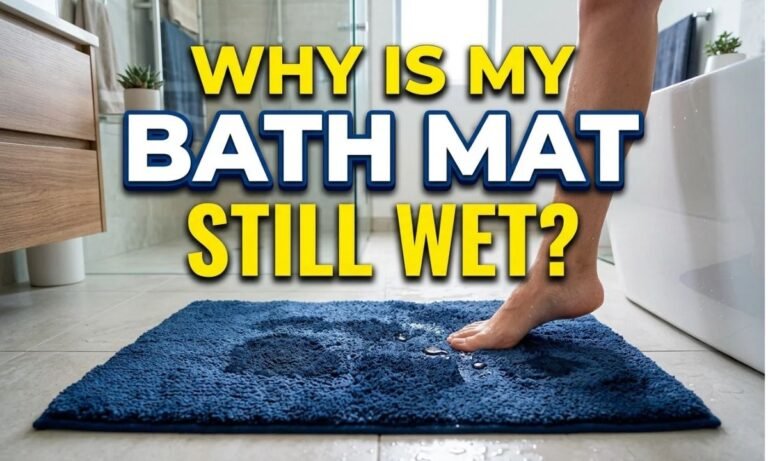
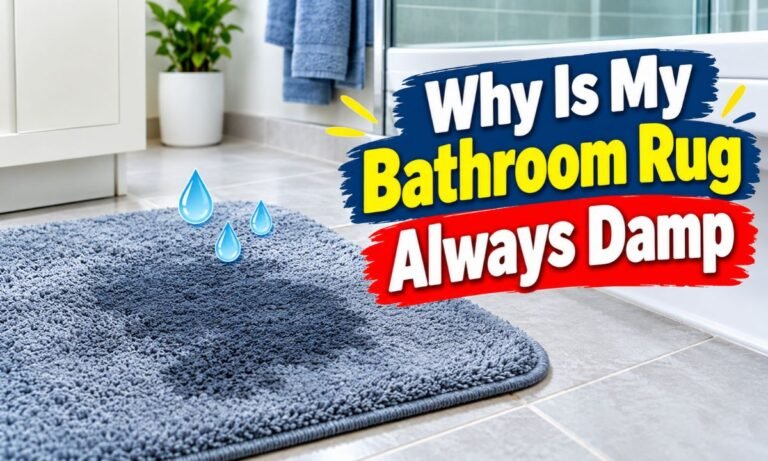
Yes. A memory foam bath mat can stay damp after the top fabric looks dry. Water may remain inside the foam or between the foam and the backing. This is more likely when the mat is thick and has little airflow underneath.
A mat that stays wet is not a good choice for a bathroom that already has moisture problems. It may develop a musty odor and need more frequent cleaning. Hang it up after use so air can reach both sides.
Check the underside
Feel the backing before using the mat again. If it still feels damp, give it more time to dry.
Watch for odor
A persistent musty smell can signal that the mat needs cleaning or replacement.
Avoid trapped moisture
Do not leave a wet mat pressed against the bathroom floor all day.
Memory Foam Vs. Cotton Vs. Microfiber Bath Mats
The best bath mat material depends on what matters most to you. Memory foam is a strong choice for cushioning. Cotton offers a familiar fabric feel, while microfiber and chenille are popular for their soft texture and water absorption.
There is no single winner for every bathroom. A thick foam mat may feel better at a vanity, while a washable cotton mat may be more practical near a busy family shower.
The following table gives a general comparison. Actual results vary with the thickness, fabric, backing, construction, and care instructions of each product.
Source: sc04.alicdn.com
Memory foam
Best when a cushioned feel and warmth are the main goals. Its main trade-off is drying and cleaning.
Cotton
Best for a familiar fabric feel and straightforward washing when the care label allows it.
Microfiber
Best when you want a soft surface that can absorb water and may be easier to dry than a thick foam mat.
Chenille
Best when you like a plush, textured surface. Its drying speed depends on the pile and overall construction.
Which Bath Mat Material Dries Faster?
A thin mat generally has an easier time drying than a thick, padded one because air can move through and around it more easily. For this reason, a flat cotton or microfiber mat may be more practical in a humid bathroom.
However, material alone does not decide drying time. A thick cotton rug can also stay damp, while a well-made memory foam mat with a removable cover may be easier to care for than a poorly made one.
For a humid bathroom
Consider a thin cotton or microfiber mat that can be hung up easily.
For a comfortable vanity area
Memory foam may be a better choice if the mat receives little water and can dry between uses.
Is A Memory Foam Bath Mat Safe To Use?
A memory foam bath mat can be suitable for normal bathroom use if it stays firmly in place and does not create a tripping hazard. However, a soft surface does not automatically mean a safe surface.
Bathrooms have several fall risks. Water can make tile slippery, and a loose rug can move when someone steps on it. Older adults and people with limited balance need to pay special attention to floor coverings and other bathroom obstacles.
Choose a mat with a suitable grip backing for your floor. Keep the floor clean and dry, and replace the mat if its backing becomes worn. If someone in the home has a high risk of falling, removing loose floor coverings may be safer than adding another rug.
Source: i.ytimg.com
Look for a suitable backing
A full grip backing or well-designed non-slip surface may help reduce movement. The backing must match the floor type.
Keep the floor dry
Water under or around the mat can make the floor slippery. Wipe up spills instead of relying on the rug to catch all the water.
Check the mat before stepping
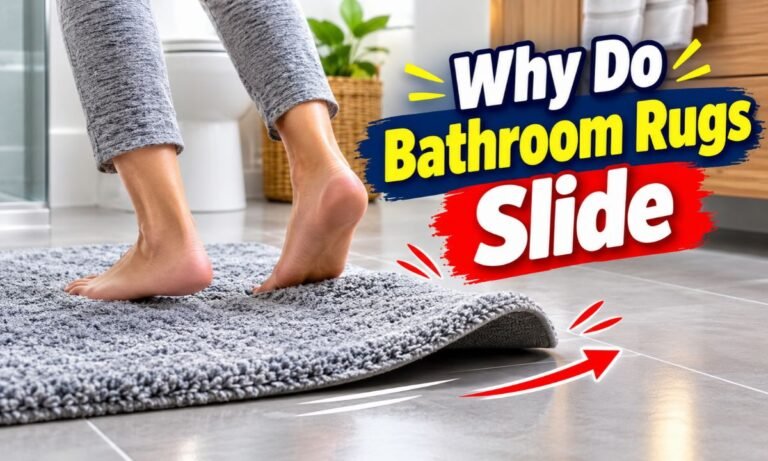
Make sure the mat lies flat and does not slide, curl, or bunch up.
Avoid raised edges
A thick edge can catch a toe or interfere with a walker. Choose a low-profile design if this is a concern.
Are Memory Foam Bath Mats Safe For Older Adults?
Not always. A memory foam mat may feel comfortable, but its thickness, softness, and backing can create problems for someone who has trouble with balance. A mat that shifts underfoot can increase the risk of a fall.
For older adults or anyone with limited mobility, bathroom safety should come before cushioning. A firm, secure floor surface may be a better choice. A healthcare provider or occupational therapist can help assess the bathroom when fall risk is a concern.
Check mobility needs
Consider whether the person can step onto and off the mat without losing balance.
Consider mobility aids
Make sure the mat does not catch the feet of a walker, cane, or other mobility aid.
Use proper bathroom equipment
A shower grab bar, suitable shower seat, and non-slip tub surface may be more important than a padded floor mat.
Does A Non-Slip Backing Guarantee Safety?
No. The term non-slip describes the intended function of a backing, not a promise that the mat cannot move. Dust, soap residue, moisture, floor texture, and worn backing can affect grip.
Test the mat gently on a clean, dry floor before regular use. Stop using it if it moves when stepped on. Never assume that a mat outside the shower makes the inside of the tub safe.
Use a separate tub mat
A bathroom floor mat is not designed to replace a proper non-slip mat or suitable grip strips inside the tub or shower.
Inspect the backing
Replace a mat if the backing becomes cracked, sticky, brittle, or detached.
How To Choose A Good Memory Foam Bath Mat
The best way to choose a memory foam bath mat is to look beyond its appearance. A beautiful mat is not useful if it stays wet, slides across the floor, or cannot fit in your washing machine.
Start with your bathroom size and floor type. Then check the foam, fabric, backing, and cleaning instructions. These details help you find a mat that fits your daily routine.
Source: ae01.alicdn.com
1. Check the thickness
A thicker mat may offer more cushioning, but it can also create a raised edge and take longer to dry. Choose a thickness that does not interfere with doors or walking.
2. Examine the foam
Look for clear product details about the foam and its construction. Avoid assuming that every product advertised as memory foam has the same feel or quality.
3. Choose a suitable cover
The cover should feel comfortable and be easy to clean. Check whether it is removable and whether the care instructions allow machine washing.
4. Inspect the backing
Choose a backing that is suitable for your bathroom floor. Check the manufacturer’s guidance for tile, vinyl, laminate, or sealed wood.
5. Measure the bathroom space
Measure the area near your tub, shower, or sink. Leave enough room for doors to open without pushing the mat out of place.
6. Read the cleaning instructions
Check the washing temperature, drying method, and whether the foam can be removed. A mat that is difficult to clean may not suit a busy household.
7. Consider ventilation
Think about how quickly your bathroom dries after a shower. If the room stays damp, choose a thinner mat or another material.
What Size Memory Foam Bath Mat Should You Buy?
The right size depends on where you plan to use the mat. A small mat may work in front of a compact shower, while a wider design may suit a bathtub or double vanity.
Measure the floor before ordering. Make sure the mat is large enough for comfortable foot placement but does not block the door, toilet, or bathroom walkway.
Small bathrooms
Choose a compact mat that fits the shower exit without covering too much floor space.
Large bathrooms
A wider mat may provide more coverage in front of a bathtub or double sink.
Narrow spaces
A slim design can reduce the chance of the mat interfering with doors and walkways.
Does The Backing Matter On Different Floor Types?
Yes. The same backing may behave differently on different floor surfaces. A grip layer that works on one tile floor may not hold as well on textured vinyl or a dusty surface.
Be careful with rubber-backed mats on certain vinyl and finished wood floors. Some backing materials can react with floor finishes or leave marks during long contact. Check the flooring and mat manufacturer’s instructions before placing the mat down.
Ceramic and porcelain tile
Use a clean, dry surface and check that the backing grips without sliding.
Vinyl flooring
Check compatibility because some backing materials may discolor certain vinyl finishes.
Hardwood flooring
Avoid leaving a damp mat in place. Confirm that the backing is suitable for the floor’s finish.
Laminate flooring
Keep moisture away from seams and choose a mat that does not trap water against the surface.
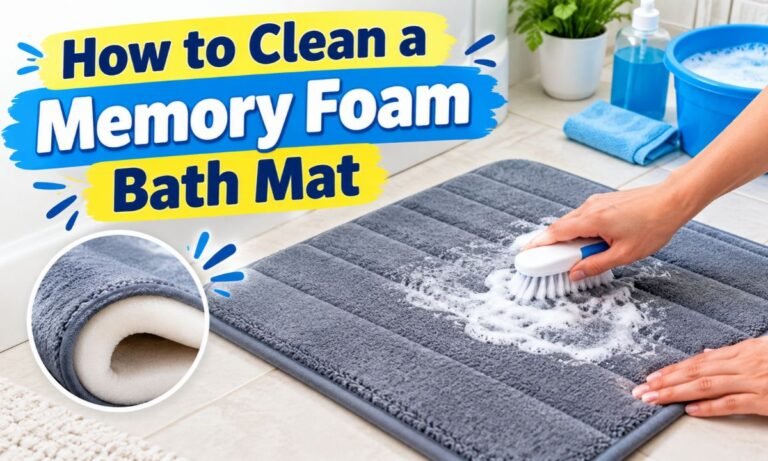
How To Clean And Maintain A Memory Foam Bath Mat
Regular cleaning helps keep a memory foam bath mat fresh, but the correct method depends on its design. Some mats are machine washable, while others need hand washing or spot cleaning.
Never assume that a foam mat can handle the same washing routine as a cotton towel. High heat, rough washing, and unsuitable cleaning products may damage the foam, cover, or backing.
Source: sc04.alicdn.com
Check the care label first
Follow the manufacturer’s instructions for washing, temperature, detergent, and drying.
Remove loose dirt
Shake the mat outside or use a vacuum suitable for its surface to remove loose hair, dust, and debris.
Wash gently when allowed
Use the recommended wash cycle and a suitable amount of mild detergent. Avoid harsh treatment.
Dry it completely
Air-dry the mat when required. Make sure the foam and backing are fully dry before placing it back on the floor.
Clean spills quickly
Blot spills with a clean cloth instead of rubbing them deep into the foam.
Can You Put A Memory Foam Bath Mat In The Washing Machine?
Some memory foam bath mats are machine washable, but others are not. The care label is the best source of instructions for your exact mat. If the label says hand wash or spot clean only, do not put the entire mat in the washer.
If the cover comes off, check whether it can be washed separately. The foam insert may need a different cleaning method. Never wash the insert just because the outer cover is machine washable.
Machine washable
Use the cycle and water temperature listed on the care label.
Hand wash only
Clean the mat gently using the method recommended by the manufacturer.
Spot clean only
Treat small stains without soaking the entire foam core.
Can You Put A Memory Foam Bath Mat In The Dryer?
Only use a dryer if the product instructions allow it. High heat can damage foam and may affect rubber or PVC backing. Some mats are best dried flat or hung over a suitable rack.
If you are unsure, air drying is the more cautious option. Keep the mat away from direct heat sources and allow enough airflow for the inside to dry.
Avoid high heat
Do not expose the mat to a hot dryer unless the care label clearly permits it.
Allow airflow
Hang or position the mat so both sides can dry when the construction allows it.
Check before reuse
Feel the foam and backing to make sure no damp areas remain.
How Often Should You Wash A Memory Foam Bath Mat?
A weekly cleaning routine is a useful starting point for a frequently used bathroom, but the right schedule depends on how many people use the mat and how quickly it dries. A guest bathroom used only occasionally may need less frequent washing.
Clean it sooner if it develops a smell, visible dirt, or stains. Drying it after each use is also important because washing alone will not solve a moisture problem.
Daily
Hang the mat or otherwise allow airflow after showers.
Weekly
Inspect the mat and wash it if the care label allows and the level of use calls for it.
As needed
Clean stains, spills, and odors promptly using a suitable method.
How To Keep A Memory Foam Bath Mat From Smelling
A memory foam bath mat may develop a musty smell when moisture stays trapped inside it. This can happen when the mat is left flat on a wet bathroom floor or used again before it has dried.
The best fix is to improve airflow and prevent moisture from building up. You do not need expensive cleaning products to start. A simple drying routine can make a big difference.
Source: m.media-amazon.com
Hang it after each shower
Lift the mat off the floor so air can reach the underside. Use a rack or bar that can support its weight.
Use the bathroom exhaust fan
Run the fan during and after showers according to the room’s ventilation needs.
Avoid folding it while wet
A folded wet mat can trap moisture between its layers.
Clean it when needed
Follow the care label to remove dirt, soap residue, and odor-causing buildup.
Inspect the underside
Check for dark spots, damage, or signs of mold. Replace the mat if it cannot be cleaned properly.
Can Mold Grow Under A Memory Foam Bath Mat?
Mold can grow in damp places when moisture and suitable surfaces are present. A bath mat that remains wet underneath may create conditions that allow mold to develop on the mat or nearby floor.
Move the mat regularly and check the floor beneath it. Clean and dry the floor before putting the mat back. If you see mold that keeps returning, look for a larger moisture problem rather than simply covering the area with another rug.
Check the floor
Look for discoloration, damp patches, or changes in the flooring beneath the mat.
Improve airflow
Use an exhaust fan, open a window when practical, and hang the mat after use.
Replace damaged mats
A mat with persistent mold, damaged foam, or a lingering musty smell may need replacement.
What If The Mat Still Smells After Cleaning?
If the smell remains after proper cleaning and drying, moisture may still be trapped inside the foam or backing. The mat may also have reached the end of its useful life.
Do not keep using a mat that has persistent mold or an unpleasant odor that cleaning cannot remove. Replace it with a thinner, easier-to-dry option if your bathroom cannot provide enough airflow.
Do not mask the odor
Strong fragrances do not remove trapped moisture or mold.
Check the foam
Inspect the inside and underside if the mat has a removable cover.
When Is A Memory Foam Bath Mat Worth Buying?
A memory foam bath mat is worth buying when comfort matters more than quick drying and your bathroom has enough airflow. It can be a practical addition to a bathroom where the mat receives only a little water and can be hung up after use.
It is also useful when you want a soft surface in front of a sink. This location may expose the mat to less water than a shower exit, although spills and splashes still need attention.
On the other hand, a thick foam mat may not suit a busy family bathroom. If several people take showers one after another, the mat may not have enough time to dry. A thinner mat may be easier to maintain.
Source: nypost.com
Buy one for a well-ventilated bathroom
Good airflow makes it easier to dry the mat between uses.
Choose one for a vanity area
A cushioned mat can make standing at the sink more comfortable without receiving as much shower water.
Consider one for occasional use
A guest bathroom may be a suitable place if the mat can be cleaned and dried between visits.
Skip it for a damp bathroom
A room that stays humid may make a thick foam mat difficult to maintain.
Skip it if easy washing is essential
A simple cotton or microfiber mat may be a better choice when frequent washing is part of your routine.
Is Memory Foam Worth It For Small Bathrooms?
It can be, but size and door clearance matter. Small bathrooms often have limited airflow and less space to hang a thick mat. A large foam mat may also block the door or make a narrow walkway harder to use.
Choose a compact design that fits the space and can be removed easily for drying. If the bathroom has no window or exhaust fan, a thinner mat may be more practical.
Measure first
Check the available floor area and the door’s swing path.
Avoid oversized designs
A smaller mat can leave more floor space open and make cleaning easier.
Is Memory Foam Worth It For A Guest Bathroom?
A guest bathroom can be a good place for a memory foam mat if it has good ventilation. Occasional use may give the mat more time to dry between visits.
Still, clean it before and after periods of heavy use. A guest bathroom should feel fresh and safe, not just look attractive.
Choose washable construction
A removable cover or clear cleaning instructions make maintenance easier.
Dry it after visitors leave
Do not leave a damp mat folded or pressed against the floor.
When Should You Choose A Different Type Of Bath Mat?
You should consider another material when your bathroom needs a mat that dries quickly, washes easily, or creates less of a raised edge. Memory foam is not the only way to make a bathroom floor more comfortable.
Cotton, microfiber, chenille, and flat woven mats each have different strengths. Your choice should match the room’s moisture level and the amount of care you can provide.
Source: sc04.alicdn.com
Choose cotton for familiar care
Cotton mats are a practical option when you want a traditional fabric feel and straightforward washing.
Choose microfiber for soft absorbency
Microfiber can be a useful choice when you want a soft mat without a thick foam core.
Choose chenille for texture
Chenille mats have a plush surface and can feel soft underfoot. Check their drying and washing instructions.
Choose a thin woven mat for low bulk
A flat design may fit better under doors and can be easier to hang.
Is A Cotton Bath Mat Better Than Memory Foam?
Cotton may be better when easy washing and a familiar fabric feel matter most. It does not offer the same cushioned surface as memory foam, but many cotton mats are simple to care for.
Memory foam may be better when softness is your main goal. The choice comes down to whether you value cushioning more than easy drying and care.
Cotton advantage
A useful choice for people who prefer traditional fabric mats and regular laundry routines.
Memory foam advantage
A useful choice for people who want a padded surface on a hard floor.
Is Microfiber Better For A Busy Family Bathroom?
It may be. A thin microfiber mat can be easier to hang and dry than a thick foam design. This can help in a bathroom used by several people throughout the day.
However, microfiber can also hold odor if it stays damp. Wash it as directed and let it dry fully before placing it back on the floor.
Useful for frequent showers
A thinner design may fit a busy household’s faster cleaning and drying routine.
Still needs care
Regular washing and proper drying remain important.
Common Mistakes To Avoid When Using A Memory Foam Bath Mat
Even a good memory foam bath mat can cause problems if you use it the wrong way. Most issues come from poor drying, unsuitable cleaning, or ignoring the condition of the backing.
A few simple habits can help your mat last longer and keep your bathroom easier to maintain.
Source: i.ytimg.com
Leaving the mat flat after a shower
This can trap moisture underneath. Hang it up or move it to a place with good airflow.
Using too much detergent
Extra soap may leave residue in the fabric. Follow the detergent instructions and the mat’s care label.
Using high dryer heat
Heat can damage foam and backing. Use only an approved drying method.
Ignoring a worn backing
A damaged grip layer may allow the mat to move. Replace it when it no longer stays securely in place.
Buying without measuring
A thick or oversized mat may block the door or create an awkward walking path.
Assuming all mats are machine washable
Different products have different construction and care needs. Read the label before washing.
Using it to cover a damp floor
A mat does not fix leaks, poor ventilation, or water damage. Find and address the moisture source.
When Should You Replace A Memory Foam Bath Mat?
Replace the mat when it no longer provides a clean, comfortable, and secure surface. You do not need to wait for it to fall apart completely. Some signs of wear can make it unsuitable for regular use.
The exact lifespan depends on the material, frequency of use, cleaning habits, and bathroom conditions. There is no reliable universal replacement date for every memory foam mat.
Damaged foam
Replace the mat if the foam becomes flattened, lumpy, torn, or loses its shape.
Peeling backing
A backing that flakes, cracks, or separates may no longer provide reliable grip.
Persistent odor
A smell that remains after suitable cleaning and complete drying may signal a deeper moisture problem.
Visible mold
Discard a mat with mold that cannot be safely and fully removed.
Poor fit
Replace it if the mat curls, slides, blocks a door, or creates a tripping concern.
Frequently Asked Questions
Q
Is A Memory Foam Bath Mat Better Than A Regular Bath Mat?
It depends on what you want from a bath mat. Memory foam is usually the better option when you want a soft, cushioned feel. A regular cotton or microfiber mat may be more practical when easy washing and drying are your main concerns.
Compare the backing, cover, and care instructions before choosing. The best mat is the one that suits your bathroom and daily routine.
Q
Do Memory Foam Bath Mats Absorb Water Well?
Many memory foam bath mats have absorbent fabric covers that collect water from wet feet. However, absorption varies by cover material and construction. Some designs may hold moisture inside the foam and take longer to dry.
Check the product details and consider how much water your bathroom mat will receive each day.
Q
Do Memory Foam Bath Mats Get Flat Over Time?
They can lose some of their original shape and cushioning with regular use. The amount of wear depends on foam quality, thickness, pressure, cleaning, and how often people stand on the mat.
If the mat becomes uneven, permanently compressed, or uncomfortable, replacing it may be the best option.
Q
Can You Use A Memory Foam Bath Mat On Hardwood Floors?
You may be able to use one on hardwood, but check that the backing is compatible with the floor finish. Some rubber or PVC backing materials may discolor certain finishes, especially during long contact.
Keep the mat dry, lift it regularly, and inspect the floor underneath. Do not leave moisture trapped between the mat and the wood.
Q
Are Memory Foam Bath Mats Good For Small Bathrooms?
They can work in small bathrooms if the mat fits the available space and does not block the door. However, small bathrooms may have limited airflow, which can make thick mats harder to dry.
Choose a compact design and make sure you have somewhere to hang it after use.
Q
Why Does My Memory Foam Bath Mat Take So Long To Dry?
The foam core and fabric cover may hold moisture after the surface feels dry. Poor bathroom ventilation and leaving the mat flat on the floor can make the problem worse.
Hang the mat after showers, improve airflow, and allow both sides to dry. If it remains damp for long periods, consider a thinner mat.
Q
Can You Put A Memory Foam Bath Mat In The Washing Machine?
Some models are machine washable, while others require hand washing or spot cleaning. Always check the care label before putting one in the washer.
If the mat has a removable cover, check whether the cover and foam insert have separate cleaning instructions.
Q
Are Memory Foam Bath Mats Worth The Extra Cost?
They can be worth the extra cost if you value cushioning and warmth more than quick drying. The added comfort may make sense for a vanity area or a bathroom with good ventilation.
If you mainly need an absorbent mat that is easy to wash, a cotton or microfiber option may offer better value for your needs.
✦ Wrapping Up
Conclusion
So, is a memory foam bath mat worth it? Yes, it can be a good purchase when comfort, softness, and warmth are your main priorities. It gives your feet a cushioned surface and can make a bathroom with cold tile or stone floors feel more welcoming.
However, it is not the best choice for every home. Thick foam can hold moisture, take longer to dry, and require more care than a simple cotton or microfiber mat. A bathroom with poor airflow or frequent daily use may be better suited to a thinner design.
Before buying, check the backing, foam construction, size, and cleaning instructions. Make sure the mat fits your floor, does not block the door, and can dry fully between uses. If safety is a concern, choose a stable floor surface and do not rely on a soft mat to prevent falls.
💡 Key Takeaway
Choose a memory foam bath mat if you want extra cushioning and have good bathroom ventilation. If quick drying, easy cleaning, or a low-profile design matters more, choose a cotton or microfiber mat with suitable non-slip backing instead.
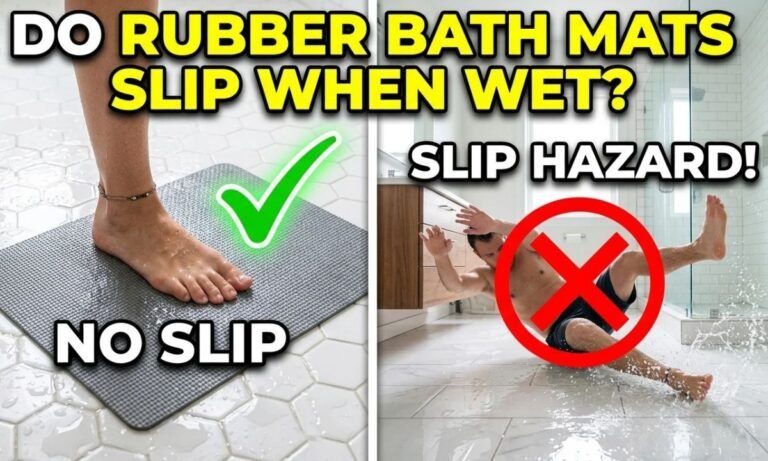
Do rubber backed bath mats slip when wet? Learn why they can move, what affects grip, how to test your mat, and how to reduce slipping in a U.S. bathroom.







One Comment