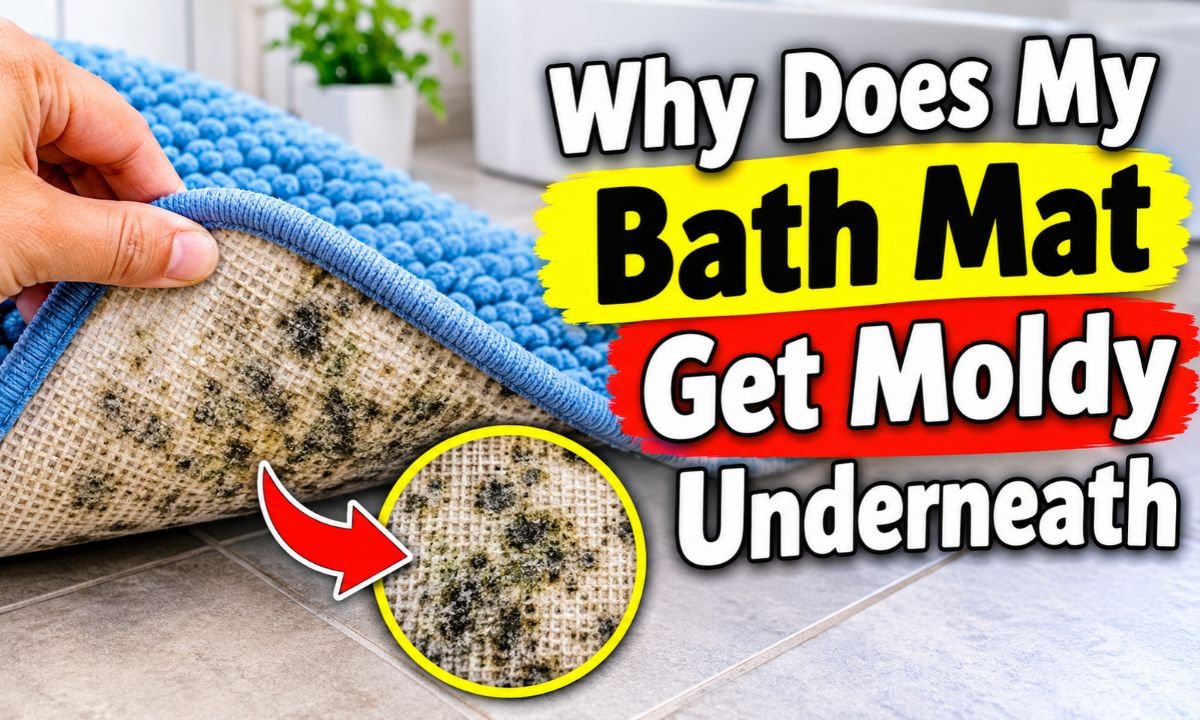
Your bath mat gets moldy underneath because trapped water, poor airflow, soap residue, and warmth create conditions that allow mold to grow.
In American homes, a bath mat often sits on a tile, vinyl, or stone floor just outside the shower or bathtub. It catches water after a morning shower, a child’s bath, or a quick rinse before bed. When the mat stays in the same spot, moisture can collect beneath it and remain there long after the bathroom floor looks dry.
The problem can affect thick fabric rugs, memory foam mats, and rubber-backed bath mats. The underside may develop dark spots, a musty smell, or a slimy film, while the top still looks clean. High humidity, a weak bathroom fan, and a floor that receives little airflow can make the problem worse.
The best fix depends on the mat material and the condition of the floor. You can often clean a washable mat and prevent another outbreak by lifting it after use, drying both sides, and improving ventilation. However, a mat with deep mold growth, a damaged backing, or a strong smell that remains after cleaning may need to be replaced.
Why Does My Bath Mat Get Moldy Underneath?
A bath mat gets moldy underneath when moisture remains trapped between the mat and the floor for long enough to support mold growth. Mold needs moisture and a suitable surface on which to grow. Dust, skin cells, soap residue, and other small particles can provide extra material for some types of mold.
The underside of a bath mat is often a hidden damp spot. Water from wet feet can pass through fabric or collect around the edges, while the backing blocks air from reaching the floor. If the mat stays flat on that damp surface, evaporation slows and the area may remain wet for hours or longer.
Warm indoor temperatures and humid bathroom air can add to the problem. A bathroom may look clean and still have enough moisture for mold to grow beneath a rug. This is why regular floor cleaning alone may not stop the growth if the mat keeps trapping water.
Source: dormouselife.com
Trapped water
Water from showers, baths, and wet feet can collect beneath the mat and keep the backing or floor damp.
Poor airflow
A mat lying flat against the floor prevents air from moving freely across the damp surface.
Slow-drying materials
Dense fibers, thick foam, and some rubber-backed designs can retain moisture or limit drying.
Bathroom humidity
Steam from hot showers raises indoor moisture levels, especially when ventilation is weak.
Why Mold Grows Underneath Instead Of On Top
The underside can remain wet longer than the visible surface. The top may feel dry because water evaporates into the room, while moisture stays trapped against the floor. This difference can allow growth to develop out of sight before you notice any change.
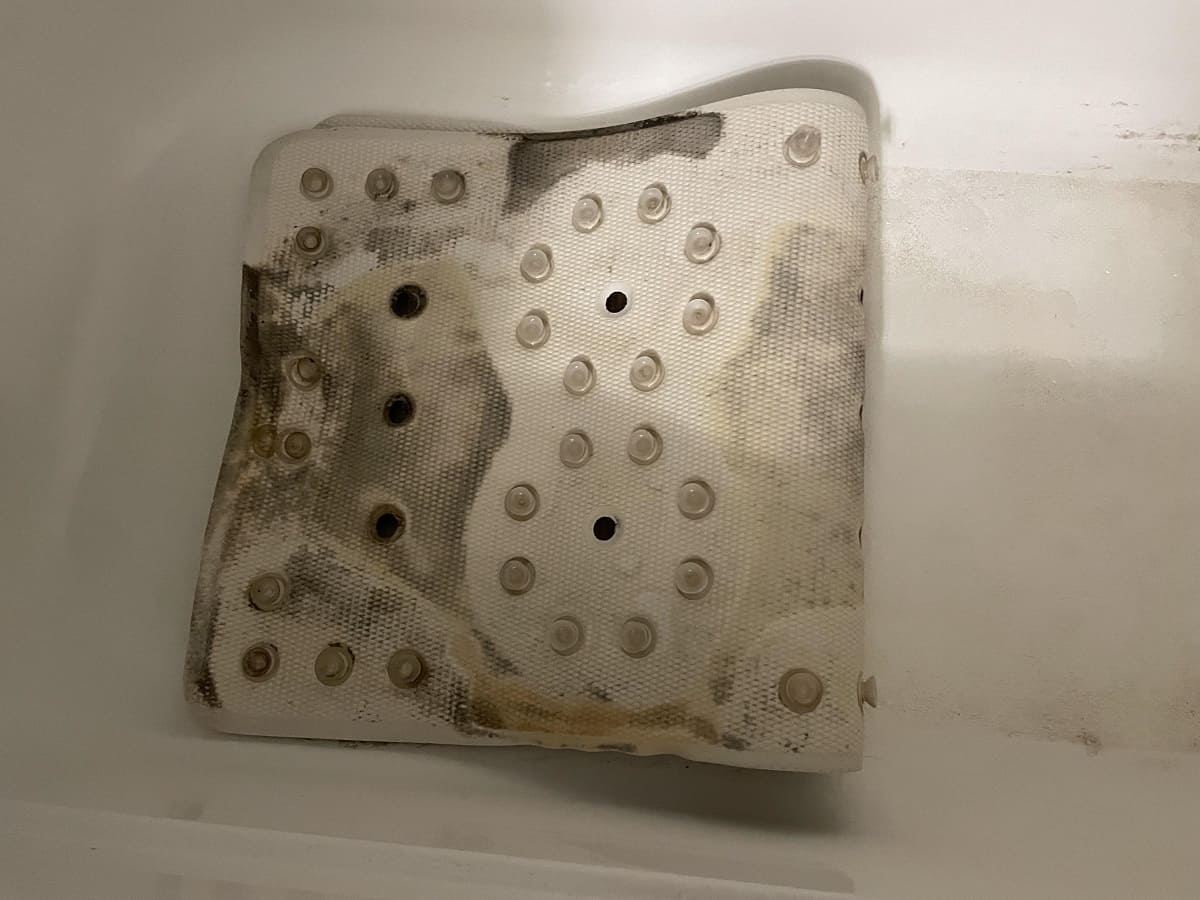
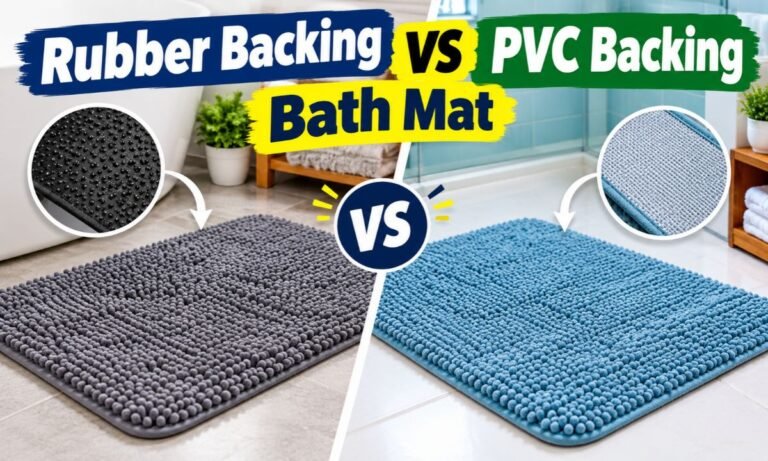
A rubber or foam backing can also create a less breathable layer. Some backings contain small grooves or textured areas where water and residue collect. A mat that looks dry from above may therefore still be damp underneath.
Hidden moisture
The floor-facing side may remain wet after the upper fibers have dried.
Limited evaporation
A flat backing can reduce airflow and slow the release of moisture.
Common Causes Of Mold Beneath A Bath Mat
Several everyday habits can lead to mold beneath a bath mat. The most useful first step is to work out whether the mat is staying wet, the room is too humid, or water is entering the area from another source. Finding the cause helps you avoid cleaning the same patch again and again.
Look at the mat’s location, material, and drying routine. A mat placed directly outside a frequently used shower may receive more water than one near a rarely used tub. A thick rug on a poorly ventilated floor may also dry more slowly than a thin mat that can hang freely.
Source: storage.googleapis.com
Leaving the mat flat after showering
When the mat remains in place, moisture can stay trapped underneath it. Lift it and allow both sides to dry.
Using a thick or dense mat
Dense fabric and foam can hold water within their structure, extending drying time.
Rubber or waterproof backing
Some backings limit airflow and may trap water between the mat and the floor.
Weak bathroom ventilation
A room that stays steamy after a shower may keep mats and floors damp for longer.
A damp or dirty floor
Water, dust, body oils, and soap residue beneath the mat can contribute to an environment that supports mold.
Leaks or recurring condensation
If the floor remains wet even when the mat is removed, a plumbing leak or another moisture source may be involved.
How Rubber Backing Can Contribute To Mold
Rubber-backed mats are useful because they can reduce movement on smooth floors, but their backing needs proper care. Depending on the design, a backing may restrict airflow and hold moisture against the floor. Textured areas and worn sections may also collect dirt and water.
Not every rubber-backed mat causes mold. The risk depends on how much water reaches the underside, how long it remains damp, the backing’s design, and the room’s ventilation. A mat that dries fully between uses is less likely to develop persistent mold than one that stays wet every day.
Check the care label
Some rubber-backed mats can be machine-washed, while others need gentle hand cleaning or have restrictions on heat.
Inspect the backing
Cracking, peeling, a sticky surface, or a persistent odor can indicate that the mat is wearing out.
Avoid excess heat
High dryer temperatures can damage some rubber and latex backings, so follow the manufacturer’s instructions.
Can A Dirty Washing Machine Cause Mold To Return?
A poorly maintained washing machine can develop residue and odors, but it is not necessary to assume the machine caused mold beneath a bath mat. The more direct issue is often that the mat comes out of the wash and stays damp in a pile, a basket, or on the floor.
Wash the mat according to its label, remove it promptly, and dry it fully. If the machine itself smells musty, clean it using the washer manufacturer’s recommended maintenance cycle and cleaning method.
Do not leave wet laundry sitting
Move the mat to a suitable drying area soon after the wash cycle ends.
Clean the washer when needed
Follow the appliance manual if residue or a musty smell develops inside the drum or gasket.
How To Tell If The Growth Under Your Bath Mat Is Mold
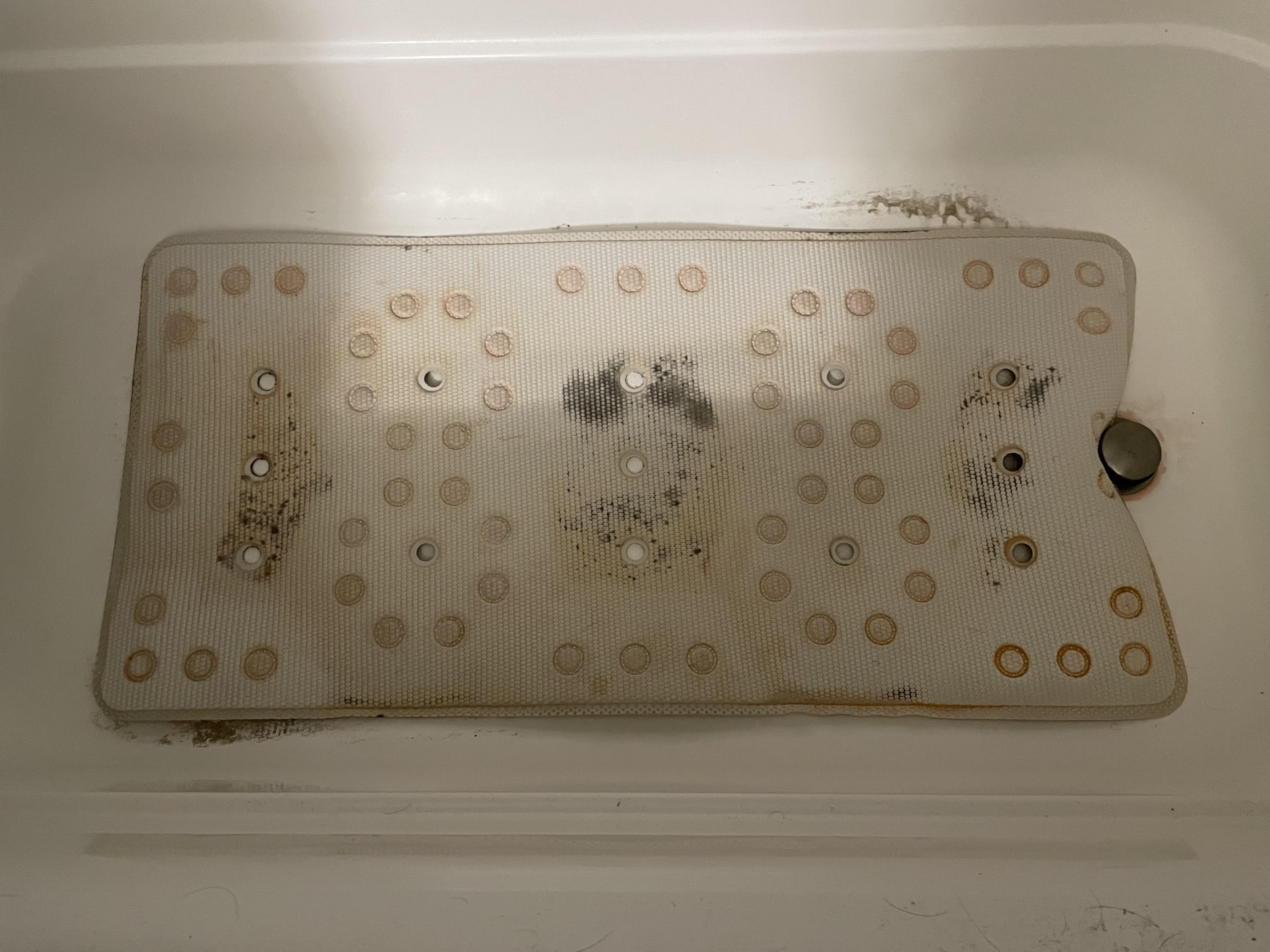
Dark marks beneath a bath mat may be mold, but color alone cannot confirm what they are. Dirt, rubber transfer, dye, mineral deposits, and adhesive residue can also leave stains on a floor. The appearance, smell, moisture pattern, and behavior of the marks can help you decide what to check next.
Mold may appear as black, green, gray, brown, or white patches. Some growth looks fuzzy or powdery, while other growth appears as small dots or a thin film. A musty odor can be a warning sign, but not every mold growth has a noticeable smell.
Remove the mat carefully and inspect the floor in good light. If you see visible growth, avoid brushing or shaking the mat in a way that could spread dust or debris through the room. Keep children and pets away while you assess the affected area.
Dark or spreading spots
Marks that expand or return after cleaning may indicate ongoing moisture or possible mold growth.
A persistent musty smell
An earthy odor from the mat or floor may point to trapped moisture and microbial growth.
A slimy or damp underside
A wet, slippery film may reflect accumulated residue or microbial growth and deserves cleaning and inspection.
Stains that remain after drying
A lasting mark may be a stain rather than active growth, so avoid assuming its identity from color alone.
How To Check The Floor After Removing The Mat
First, check whether the floor is wet, stained, damaged, or unusually soft around the affected area. Look near the tub, shower door, toilet, sink, and plumbing connections for other signs of water. Do not pull up flooring or scrape away finishes just to identify a stain.
If the floor dries and the mark does not change, the stain may be permanent discoloration or material transfer. If moisture or growth returns, investigate the source rather than repeatedly covering the area with the mat. Persistent dampness can damage flooring and may indicate a leak that needs repair.
Check nearby plumbing
Look for drips, loose connections, wet grout, and water that appears after using a fixture.
Watch the drying pattern
A floor that stays damp after the rest of the bathroom dries may have a separate moisture problem.
Avoid unnecessary testing
Home mold test kits are not usually needed to decide to remove visible growth and correct the moisture source.
How To Clean A Moldy Bath Mat Safely
You may be able to clean a moldy bath mat if the growth is limited, the material is washable, and the backing remains in good condition. The first step is to check the care label and choose a method that will not damage the mat. Cleaning alone will not solve the problem if the mat continues to sit on a wet floor.
For a small, localized problem on a washable household mat, start with ordinary detergent and the cleaning method approved by the manufacturer. Avoid aggressive scrubbing that releases dust, and do not shake the mat indoors. If the mat has extensive growth, a damaged backing, or an odor that remains after cleaning and drying, replacement is often the more practical choice.
Use gloves when handling a visibly moldy mat, and consider eye protection if splashing is possible. People with asthma, significant mold allergies, or weakened immune systems should avoid direct cleanup and ask someone else to handle it when appropriate. If the growth is extensive or the floor beneath it is affected over a wider area, seek qualified help.
Step 1: Remove the mat carefully
Lift it slowly without snapping, shaking, or beating it. Keep it away from clean towels and other household fabrics.
Step 2: Check the care instructions
Confirm whether the mat can be machine-washed, hand-washed, or cleaned only with specific products.
Step 3: Clean with a suitable method
Use a compatible detergent or the manufacturer’s recommended cleaner. Avoid mixing cleaning chemicals.
Step 4: Rinse away residue
Rinse the mat as directed so detergent and loosened dirt do not remain trapped in the fibers or backing.
Step 5: Dry it completely
Hang the mat or lay it in a well-ventilated place, following its drying instructions. Make sure the underside is dry before use.
Step 6: Clean the floor separately
Use a cleaner suitable for the flooring material, then dry the surface before putting the mat back.
Cleaning A Fabric Or Microfiber Bath Mat
Many fabric and microfiber mats can be washed with laundry detergent, but the care label determines the safest method. Remove loose debris first, then wash the mat using the recommended water temperature and cycle. Do not add bleach unless the label permits it and the product is suitable for the material.
Dry the mat fully before returning it to the bathroom. If the label allows machine drying, use the specified setting. Otherwise, hang it where air can reach both sides and avoid leaving it folded over itself while damp.
Wash separately when appropriate
A visibly moldy mat should not be shaken over clean laundry. Follow the product label and washer instructions for handling and washing.
Inspect after washing
Look for remaining spots, a musty odor, or damage to the backing before using the mat again.
Cleaning A Rubber Bath Mat
Rubber mats used inside a bathtub or shower often have suction cups and textured surfaces that collect soap residue. Check the manufacturer’s instructions before using a brush, detergent, or disinfectant. Clean the top, underside, suction cups, and grooves, then rinse thoroughly.
Do not assume that a rubber mat can be boiled, machine-washed, or treated with strong chemicals. These methods may damage the material or its grip. If the surface remains stained, slimy, cracked, or musty after suitable cleaning, replacing the mat may be safer and easier than repeated treatment.
Clean the suction cups
Residue can build up around the cups and create places where moisture and dirt remain.
Check for material damage
Cracks, peeling, and loss of grip can make the mat harder to clean and less secure.
Can You Use Bleach On A Moldy Bath Mat?
Bleach is not suitable for every bath mat, and it should not be the default choice for every stain. It can discolor fabrics and damage some backings. Follow the product label and the mat manufacturer’s guidance before considering a bleach-based cleaner.
Never mix bleach with ammonia, vinegar, toilet bowl cleaner, or other cleaning products. Mixing chemicals can release dangerous gases. Use any permitted product with the ventilation and protective measures stated on its label, and rinse or dry the mat as directed.
Use one cleaning product at a time
Do not combine cleaners in a bucket, spray bottle, sink, or on the mat.
Protect the floor finish
Check cleaner compatibility before applying it to vinyl, natural stone, wood, grout, or other flooring.
How To Prevent Mold From Growing Under Your Bath Mat
The most reliable way to prevent mold beneath a bath mat is to stop moisture from staying trapped there. A short drying routine after each shower can make a real difference because it allows water to evaporate instead of collecting beneath the backing. The goal is to keep both the mat and the floor dry between uses.
You do not need to remove the mat permanently if it serves a useful purpose. Instead, change how it is stored, improve bathroom airflow, and choose a mat that suits the room’s moisture level. These habits also help you spot leaks or floor damage before they become larger problems.
Source: mophonic.com
Lift the mat after every shower
Hang it over a suitable rack or shower bar if the manufacturer allows, so air can reach the underside.
Dry the floor beneath it
Wipe away pooled water and let the floor dry before placing the mat back.
Use bathroom ventilation
Run an exhaust fan during bathing and afterward according to its instructions, or open a window when outdoor conditions allow.
Wash the mat on a suitable schedule
Clean it when it becomes soiled, develops an odor, or according to the care label and household use.
Keep the bathroom air moving
Avoid leaving damp towels, clothes, and bath mats piled together in a closed room.
Inspect the floor and plumbing
Address drips, recurring wet patches, damaged grout, and condensation instead of relying on repeated surface cleaning.
Build A Simple After-Shower Drying Routine
After a shower, lift the mat and place it where air can reach both sides. If it is too heavy to hang safely, spread it flat in a dry, ventilated area with the underside exposed. Avoid leaving it folded on the floor or draped over a surface that cannot support its weight.
Check the floor before returning the mat to its normal position. If the floor is still damp, wipe it dry and allow any remaining moisture to evaporate. This small habit helps prevent the hidden wet layer that often leads to mold beneath bathroom rugs.
After each use
Lift the mat, remove visible water, and allow the floor and mat to dry.
During routine cleaning
Inspect the underside, wash the mat when needed, and check for odor or damage.
When moisture persists
Look for ventilation problems, leaks, and dampness that continues even with the mat removed.
Improve Bathroom Ventilation
Good ventilation helps remove humid air created by hot showers. Use a bathroom exhaust fan if available and keep it running for the period recommended by the manufacturer or applicable household guidance. If you have a window, opening it may help when outdoor humidity and weather conditions make that practical.
If mirrors, walls, and floors stay wet long after bathing, check whether the fan is operating and whether its airflow is adequate. A dehumidifier may help in a persistently humid room, but it does not replace fixing a plumbing leak or repairing a failed exhaust system.
Check the exhaust fan
Look for unusual noise, weak airflow, or a fan that does not switch on. Seek qualified help if repairs involve electrical work.
Reduce excess steam
Use the bathroom fan during showers and keep the bathroom door open afterward when privacy and household conditions allow.
Which Bath Mat Materials Are Less Likely To Stay Damp?
The best bath mat material for mold prevention is one that suits your bathroom, dries readily, and can be cleaned according to its care instructions. No material is guaranteed to remain mold-free. Even a quick-drying mat can develop growth if it stays on a wet floor or the room remains damp.
Fabric mats can feel soft underfoot and may be machine-washable, but dense pile and thick foam can hold moisture. Rubber-backed designs can help reduce slipping, yet some restrict airflow. Smooth, quick-drying surfaces may be easier to wipe down, but their grip and comfort vary by design.
Cotton bath mats
Often washable and absorbent, but they need enough airflow and drying time after use.
Microfiber mats
Can absorb water and feel soft, although thick constructions may still stay damp underneath.
Memory foam mats
Offer cushioning, but the foam core and backing may take longer to dry depending on construction.
Rubber-backed fabric mats
Can provide added stability, but the backing may restrict airflow and needs careful cleaning.
Smooth or quick-drying mats
May be easier to wipe and dry, but check slip resistance, floor compatibility, and cleaning instructions.
How To Choose A Mat For A Humid Bathroom
If your bathroom has weak ventilation or gets heavy daily use, choose a mat that is easy to lift, clean, and dry. A thinner washable mat may be easier to manage than a thick rug that stays damp for long periods. A spare mat can also help because you can use one while the other dries fully.
Do not trade away floor safety to get a mat that dries quickly. The backing should be suitable for your floor type, and the mat should not slide when stepped on. If you use a rubber-backed mat, follow the manufacturer’s instructions and lift it often enough to keep the floor dry.
Look for clear care instructions
Choose a mat with washing and drying directions you can follow consistently.
Consider the drying location
A mat is easier to maintain if you have a rack or other safe place where both sides can dry.
Replace worn backing
A mat with peeling, cracking, or reduced grip may no longer work safely or cleanly.
What To Do If Mold Keeps Returning Under The Mat
If mold returns after you clean the mat and floor, look for a moisture source that has not been resolved. Repeated growth does not always mean the cleaning method failed. The mat may be returning to a damp floor, the room may be staying humid, or water may be entering through a leak or damaged joint.
Start by removing the mat and leaving the affected area exposed while you check the floor. If the floor dries completely but becomes damp after a shower, inspect how water escapes from the tub or shower area. If it stays damp even when the bathroom is not in use, consider plumbing, condensation, or moisture beneath the flooring.
Some flooring materials can be damaged by prolonged moisture. Wood and laminate may swell, vinyl may lift, and grout or sealant may deteriorate. Avoid pulling up flooring or applying large amounts of cleaner or water without understanding the material and the source of the dampness.
The floor stays wet without the mat
Investigate a leak, condensation, or water entering from a nearby fixture.
The same marks return quickly
Check whether the floor is fully dry before the mat goes back and whether the stain may be embedded in the material.
The floor feels soft or looks swollen
Stop covering the area and arrange an appropriate inspection because moisture may have damaged the flooring or subfloor.
The musty smell remains
Inspect the mat, nearby materials, and the area around plumbing. Persistent odors can signal a hidden moisture problem.
When Should You Replace The Bath Mat?
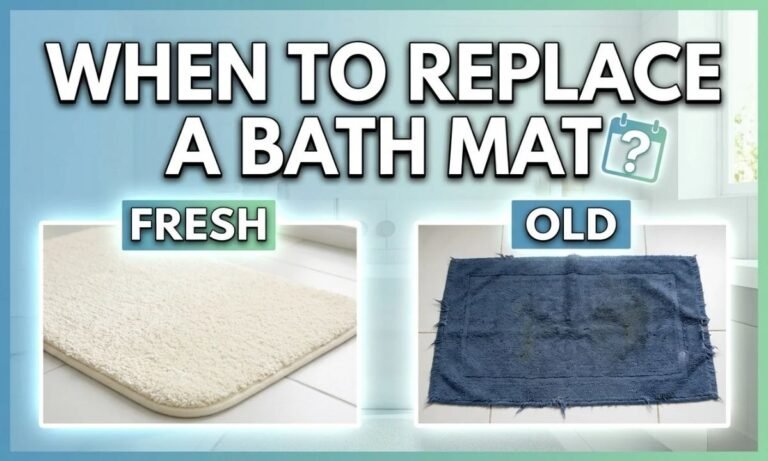
Replace the mat when mold remains after appropriate cleaning, the smell will not go away, or the backing is cracked, peeling, sticky, or deteriorating. Deep growth inside foam or layered materials can be hard to remove completely. Replacing a mat in poor condition is often more practical than repeatedly treating it.
A small stain does not automatically mean a mat must be discarded. If the material is washable, the growth is limited, and the mat returns to a clean, odor-free, fully dry condition, continued use may be reasonable. Follow the care label and check the mat regularly for renewed growth.
Replace it if growth persists
Do not keep using a mat that remains moldy or musty after appropriate cleaning and complete drying.
Replace damaged backing
Deterioration can affect both cleanability and the mat’s ability to stay in place.
Find the cause before buying another
A new mat can develop the same problem if moisture and ventilation issues remain.
When To Seek Professional Help
Consider a qualified plumber if you suspect a leak, or a flooring professional if the surface is lifting, swelling, softening, or showing signs of water damage. If mold affects a large area, returns repeatedly, or appears to extend into walls or flooring, a qualified mold remediation professional may be appropriate.
People with asthma, mold allergies, or weakened immune systems should avoid disturbing substantial mold growth. If cleanup is beyond a small, manageable household task, seek advice from a qualified professional rather than relying on repeated surface treatments.
Possible plumbing leak
Arrange an inspection when unexplained dampness continues or appears around fixtures and pipes.
Widespread or hidden growth
Get professional advice if mold extends beyond the mat or the affected area cannot be cleaned safely.
Possible health effects
Avoid exposure during cleanup and seek medical advice if symptoms concern you, especially if you have a relevant existing condition.
Common Mistakes That Make Bath Mat Mold Worse
A few common cleaning habits can allow mold to return or damage the mat and floor. The most important correction is to address moisture first. Cleaning the visible marks without changing the drying routine often leaves the same conditions in place.
Choose a method that matches the material and avoid strong chemicals unless the product and mat instructions permit them. The goal is to remove dirt and growth safely, preserve the floor finish, and prevent another damp layer from forming.
Source: www.reddit.com
Putting the mat back while the floor is damp
Even a freshly cleaned mat can trap water again. Wait until the floor and underside are fully dry.
Assuming every black mark is mold
Rubber transfer, dirt, and permanent stains can look similar. Assess the moisture pattern and avoid damaging the floor while investigating.
Using too much cleaner
Excess product can leave residue and may damage the material. Follow the label for the correct amount and rinsing method.
Mixing household chemicals
Never combine bleach with vinegar, ammonia, acids, or other cleaners. Dangerous fumes may result.
Ignoring ventilation
Cleaning the mat will not solve persistent bathroom humidity. Improve airflow and investigate a fan that does not work properly.
Covering a wet floor with another mat
A replacement mat can trap the same moisture. Fix the underlying cause before returning any mat to the area.
Should You Use Vinegar Or Baking Soda?
Vinegar and baking soda are common household cleaning products, but neither is a universal solution for every moldy bath mat. Their suitability depends on the material, the type of soil, and the manufacturer’s instructions. A standard detergent may be enough for a washable mat with light surface contamination.
Do not mix vinegar with bleach or use several cleaners one after another without following their labels and rinsing requirements. If you cannot clean the mat without risking damage, or if growth has penetrated its layers, replacement may be the better option.
Check compatibility first
Test only a manufacturer-approved method on a suitable area when the care instructions permit it.
Do not rely on scent
A fresh smell does not prove that mold or moisture has been fully addressed.
A Simple Bath Mat Mold Prevention Checklist
A short checklist can help you keep track of the conditions that lead to mold. Use it after showers and during regular bathroom cleaning. You do not need special equipment for the basic routine, but consistent drying and inspection matter.
If the same area develops mold despite following these steps, stop treating the issue as a mat-only problem. Check the floor, nearby fixtures, and ventilation to find out why moisture keeps returning.
After every shower
Lift the mat, remove pooled water, and allow both sides to dry in a ventilated place.
Before putting the mat back
Make sure the floor is dry and the mat has no damp or musty underside.
During regular bathroom cleaning
Inspect the backing, wash the mat as directed, and clean the floor beneath it.
When the room stays humid
Use suitable ventilation and investigate a weak or nonworking exhaust fan.
When mold returns
Check for leaks, condensation, damaged flooring, and persistent dampness before replacing the mat.
How Often Should You Wash A Bath Mat?
There is no single washing schedule that suits every bath mat. A mat used by several people every day may need more frequent washing than one used occasionally in a well-ventilated bathroom. Follow the care label and wash it when it becomes dirty, develops an odor, or stays damp longer than usual.
Washing is only part of the routine. Even a clean mat can develop mold if it stays wet against the floor. Drying the underside after use is just as important as removing dirt and residue.
Wash when needed
Use visible dirt, odor, frequent wetting, and the manufacturer’s directions to guide the schedule.
Dry after washing
Do not fold or store the mat while damp, even if the top surface feels dry.
Frequently Asked Questions
Q
Why does my bath mat get moldy underneath even when I wash it?
Washing removes dirt and some growth, but it does not prevent mold if the mat stays wet afterward. Water may remain in thick fibers, foam, or the backing, or the floor may still be damp when you put the mat back. Let both sides dry completely and improve bathroom ventilation.
Q
Can a bath mat cause mold on the bathroom floor?
A bath mat can contribute to mold growth by trapping moisture against the floor. The risk is higher when water remains underneath for long periods and airflow is limited. Lift the mat often, dry the floor, and investigate recurring moisture before it damages the flooring.
Q
Is black stuff under my bath mat always mold?
No. Black or dark marks may be mold, dirt, rubber transfer, dye, or another stain. A musty smell, recurring growth, and persistent moisture may indicate a mold problem, but appearance alone cannot confirm what the marks are. Avoid harsh cleaning until you know what the floor material can tolerate.
Q
Should I throw away a bath mat with mold underneath?
Not always. A washable mat with limited surface growth may be salvageable if it can be cleaned safely and dried completely. Replace it if mold remains, the odor persists, the backing is deteriorating, or growth has penetrated materials that are difficult to clean.
Q
Does a rubber bath mat prevent mold?
Rubber does not guarantee mold prevention. Some rubber mats dry readily when lifted and cleaned, while others can trap water beneath their surfaces or around suction cups. Remove standing water, clean the mat as directed, and allow both the mat and floor to dry between uses.
Q
How can I stop mold from growing under my bath mat overnight?
After your evening shower, lift the mat and place it where air can reach both sides. Wipe the floor dry, run the bathroom exhaust fan as directed, and leave the mat out of its usual spot until both surfaces are dry. If the floor remains damp overnight without the mat, investigate a leak or persistent humidity.
Q
Can mold under a bath mat make you sick?
Damp indoor spaces and mold can trigger allergic reactions or worsen asthma in some people. The risk depends on the person and the extent of exposure, so a moldy mat should be cleaned or discarded rather than ignored. People with asthma, mold allergies, or weakened immune systems should avoid direct exposure during cleanup and seek appropriate medical advice if symptoms occur.
Q
Can I put a bath mat in the dryer after cleaning it?
Only if the care label allows machine drying. Some fabric mats can tolerate a suitable dryer setting, while rubber-backed and foam mats may be damaged by heat. If machine drying is not permitted, air-dry the mat in a well-ventilated area until both sides are completely dry.
✦ Wrapping Up
Conclusion
A bath mat usually gets moldy underneath because water becomes trapped between the mat and the floor. Thick materials, rubber backing, soap residue, and humid bathroom air can slow drying and allow mold to grow out of sight. Washing the mat helps, but lasting prevention depends on controlling moisture.
Lift the mat after every shower, wipe the floor dry, improve ventilation, and clean the mat according to its care instructions. Inspect the underside regularly and replace a mat that remains moldy, smells musty after cleaning, or has damaged backing. If dampness or mold returns on the bare floor, check for a leak or another moisture source instead of simply buying another mat.
💡 Key Takeaway
Today, remove your bath mat, inspect the underside and the floor, clean the mat using a suitable method, and let both surfaces dry completely before putting it back.






One Comment