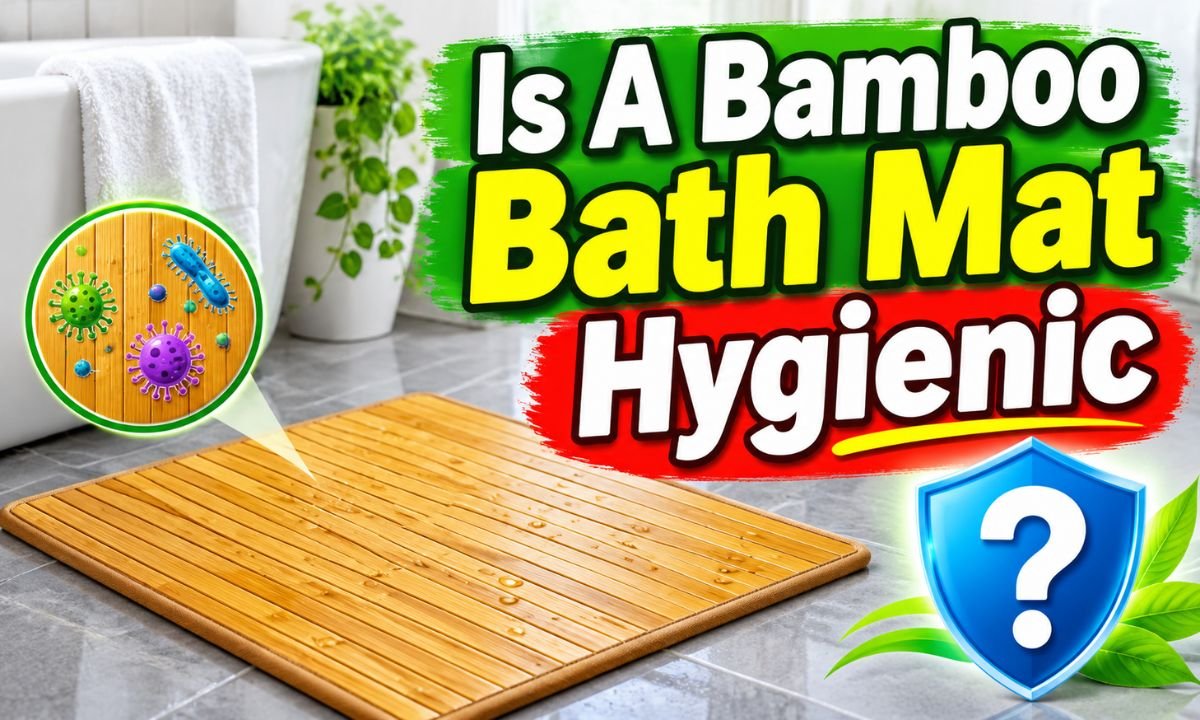
Yes, a bamboo bath mat can be hygienic when you clean it regularly, keep it dry, and allow air to flow underneath. However, bamboo is not naturally immune to bacteria, mold, or mildew.
In American homes, bathroom floors often get wet after showers, baths, and daily morning routines. Many homeowners use bath mats to keep water off tile, vinyl, and other floors. Bamboo bath mats have become a popular option because they offer a neat look and a firm surface. They also differ from cotton and microfiber mats because they do not soak up water in the same way.
But is a bamboo bath mat hygienic enough for everyday use? The answer depends on how you use and care for it. Bamboo is a plant-based material, so it can still support mold growth when it stays wet. Soap, skin oils, dust, and dirt can also collect between its slats and around its joints.
The good news is that a bamboo bath mat is fairly simple to maintain. You can wipe its surface, clean small gaps with a soft brush, and let both sides dry. The right design and a few simple habits can help keep it in good shape. This guide explains the benefits, risks, cleaning steps, and signs that your mat needs attention.
Is A Bamboo Bath Mat Hygienic For Everyday Use?
Yes, a bamboo bath mat can be a clean and practical bathroom accessory. However, its hygiene depends more on cleaning and moisture control than on the material alone. A well-maintained mat can provide a firm place to stand after a shower without holding as much water as a thick fabric rug.
Most bamboo bath mats have narrow wooden slats joined by cords, hinges, or other supports. Some designs have small feet that raise the mat above the floor. These features can help water drain and allow air to move underneath. That can make drying easier than it is with a thick rug left flat on wet tile.
Still, a bamboo mat is not self-cleaning. Soap residue, dust, loose hair, and skin oils can settle on the surface. Moisture may also remain in the joints or beneath the mat. If you ignore these areas, the mat can develop an unpleasant smell or visible mold.
Easy surface cleaning
A smooth bamboo surface can usually be wiped with a soft cloth and mild soap. This makes routine cleaning simple.
Less water absorption
A solid bamboo surface does not absorb water like cotton or microfiber. However, water can collect on the mat or pass through its gaps.
Airflow around the mat
Raised feet and open slats can help air reach the underside, which may support faster drying.
Hidden dirt can remain
Gaps, hinges, and joints need attention because a quick wipe may not remove all the dirt.
Does Bamboo Keep Bacteria Away Naturally?
Bamboo is sometimes marketed as a naturally antibacterial material. This claim needs careful attention. Some bamboo plants contain natural compounds that may have antimicrobial effects under certain conditions. However, that does not prove that a finished bathroom mat can kill bacteria or stay free from germs.
The finished product may also have a coating, sealant, glue, or other treatment. These can change the surface properties of the original material. There is not enough product-specific evidence to assume that every commercial bamboo bath mat has a reliable antibacterial effect.
The safest approach is to treat bamboo like any other bathroom surface. Clean it often, remove soap residue, and let it dry fully. Do not depend on the word natural or antibacterial on a product label as a replacement for normal cleaning.
Natural material does not mean germ-free
Bamboo can collect dirt and support microbial growth when it stays damp.
Product treatments can differ
Finishes and coatings vary, so follow the care instructions for the exact mat you own.
Can A Bamboo Bath Mat Collect Dirt?
Yes. A bamboo mat can collect dirt even if it looks clean from a distance. Small gaps may catch loose hair, dust, skin flakes, and soap residue. These materials can build up over time, especially in a busy family bathroom.
A soft brush can help remove debris from narrow spaces. You should also check the underside because dirt can collect around the feet and support joints. A regular inspection helps you find problems before they become harder to clean.
Check between slats
Look for hair, dust, and dried soap that may collect in small openings.
Check the underside
Inspect the feet, joints, and floor-facing surface for dirt or damp spots.
Can Bamboo Bath Mats Grow Mold And Mildew?
Yes, bamboo bath mats can grow mold and mildew when they remain damp for long periods. Bamboo is a plant-based material, and mold can grow on wood and other organic materials when moisture is available. A bathroom with poor airflow creates an even greater challenge.
The U.S. Environmental Protection Agency explains that moisture control is the key to preventing indoor mold. Mold spores are common in indoor and outdoor air, but they need moisture to grow. This means that keeping a bamboo mat dry is one of the most useful ways to protect it.
A bathroom can look clean while moisture remains trapped under a mat. This is why checking the underside matters. A mat that sits on wet tile all day may develop mold even when its top surface looks fine.
Poor ventilation
A bathroom without a working exhaust fan or enough airflow may take longer to dry after showers.
Standing water
Water trapped under the mat can keep its lower surface damp.
Soap and dirt buildup
Residue can collect in small gaps and make regular cleaning less effective.
Constant wet use
Several showers in a row can leave little time for the mat to dry between uses.
Where Does Mold Usually Appear?
Mold does not always appear in one obvious place. You may first notice small dark, green, gray, or white spots around the edges or on the underside. It may also appear near joints where water can remain after a shower.
Pay special attention to the feet and the points where different pieces of bamboo meet. These areas may have less airflow than the open surface. If the mat has a protective coating, inspect places where that finish is scratched or worn.
A musty smell is another warning sign. Do not ignore it just because you cannot see any spots. Lift the mat, inspect the floor, and check whether moisture or dirt has collected underneath.
Dark or unusual spots
New spots may indicate mold or another type of surface damage. Check them closely.
Musty odor
A damp, earthy smell may point to hidden moisture or mold growth.
Changes in the finish
Peeling, discoloration, and rough patches may show that the surface needs attention.
Does A Bamboo Mat Need To Dry After Every Shower?
Yes. Allowing the mat to dry between uses is a useful hygiene habit. If water lands on the surface, wipe away excess moisture with a clean towel. Then lift the mat or place it in a position where air can reach the bottom.
If the bathroom has an exhaust fan, run it during and after a shower according to its instructions. Opening a window can also help when outdoor conditions allow. The goal is to reduce moisture in the room and let the mat dry fully.
Remove excess water
Use a dry cloth to wipe away visible water from the top.
Lift the mat
Allow air to reach the floor and underside.
Improve airflow
Use a bathroom exhaust fan or safe natural ventilation.
How To Clean A Bamboo Bath Mat Properly
The best way to clean most solid bamboo bath mats is to use mild soap, a soft cloth, and a gentle brush. Avoid soaking the mat unless its manufacturer clearly permits it. Too much water can damage some finishes, affect joints, and increase the chance of mold growth.
Before cleaning, check the product label or manual. Some mats have a protective finish that needs special care. Others may contain metal parts, rubber feet, or glued joints that do not respond well to certain cleaners.
You do not need a large collection of cleaning products. A small amount of mild detergent and clean water are often enough for routine care. The most important step is to remove dirt without leaving the mat wet.
What you need
A soft microfiber cloth, a soft-bristle brush, mild liquid soap, clean water, and a dry towel.
What to avoid
Abrasive pads, strong solvents, prolonged soaking, and cleaners that may damage the protective finish.
Step 1: Remove Loose Dirt And Hair
Start by taking the mat away from the wet floor. Shake off loose dust and hair over a suitable area. If the mat folds or rolls, open it carefully so you can reach the spaces between its slats.
Use a soft brush to remove debris from the joints. Do not use a hard metal tool because it can scratch the bamboo or damage the connecting parts. Pay attention to corners where dirt may collect.
Brush gently
Use short, light strokes to remove dust and loose debris.
Inspect the joints
Check for trapped hair, dirt, and dried soap.
Step 2: Wipe The Surface With Mild Soap
Mix a small amount of mild liquid soap with water. Dampen a soft cloth with the solution and wipe the top surface. Work along the grain of the bamboo where possible.
Avoid pouring water directly over the mat. A wet cloth gives you more control and reduces the amount of moisture that enters the joints. Clean one area at a time, especially if the mat has a delicate finish.
Use mild soap
A gentle detergent is usually suitable for routine surface cleaning.
Avoid soaking
Do not leave the bamboo sitting in a basin of water unless the manufacturer allows it.
Step 3: Clean Between The Slats
The gaps between bamboo slats need extra attention. Use a soft-bristle brush or a clean cloth to remove soap residue and dirt. A small brush can help reach narrow spaces without damaging the surface.
If the mat has a folding design, check each joint. Clean around the connecting parts without pulling or stretching them. Rinse your cloth often so you do not spread dirty water back over the mat.
Use a small brush
A soft brush can reach places that a flat cloth may miss.
Check hidden areas
Look around hinges, cords, and support points.
Step 4: Remove Soap Residue
Soap left on the surface can attract more dirt and may create a slick feel. Wipe the mat again with a clean cloth dampened with plain water. Make sure you remove visible residue from the slats and gaps.
Do not use a strong stream of water unless the product instructions permit it. A controlled wipe is often enough for routine cleaning.
Use clean water
Remove leftover soap with a fresh, damp cloth.
Check the finish
Make sure no sticky or slippery residue remains.
Step 5: Dry The Mat Completely
Drying is one of the most important parts of bamboo bath mat care. Wipe the surface with a dry towel, then place the mat in a well-ventilated area. Allow air to reach both sides before putting it back on the bathroom floor.
Do not return a damp mat to a wet floor. Also, avoid placing it next to a heater or using intense heat unless the manufacturer permits it. Excessive heat can affect some finishes and may cause the bamboo to crack.
Use a dry towel
Remove as much surface water as possible.
Allow airflow
Let both sides dry before storing or using the mat again.
Check before reuse
Make sure the joints and underside are dry.
How Often Should You Clean A Bamboo Bath Mat?
A bamboo bath mat should receive light cleaning as needed and a more thorough cleaning on a regular schedule. The exact frequency depends on how many people use it, how often they shower, and how well the bathroom dries.
A mat in a guest bathroom may need less attention than one in a busy family bathroom. A bathroom used by several people each day can collect more water, hair, soap, and dirt. In that case, frequent wiping and inspections make sense.
There is no single cleaning schedule that fits every bamboo product. Use the manufacturer’s directions as your starting point and increase cleaning when you notice dirt, residue, or a damp smell.
After each shower
Remove excess water and allow the mat to dry.
Weekly
Check for hair, dust, soap residue, and moisture under the mat. Wipe the surface when needed.
Monthly
Inspect the joints, feet, underside, and finish. Give the mat a more careful clean if dirt has collected.
Whenever needed
Clean promptly if the mat develops a smell, sticky surface, or visible dirt.
What Changes The Cleaning Schedule?
The number of users is one important factor. More people using the same bathroom means more chances for water and dirt to collect on the mat. Pets, children, and frequent guests may also increase the need for cleaning.
The room itself matters too. A small bathroom with limited ventilation may remain damp for longer than a room with a working exhaust fan. A bamboo mat in a humid room may need more frequent drying and inspection.
Number of users
More daily use usually means more frequent cleaning.
Bathroom ventilation
Poor airflow can slow drying and increase moisture problems.
Shower habits
Long showers and frequent use may leave more water around the mat.
Product design
Tight joints and complex folding sections may need more detailed cleaning.
Bamboo Bath Mat Vs. Cotton And Microfiber Bath Mats
Bamboo, cotton, and microfiber bath mats serve the same general purpose, but they handle water in different ways. Bamboo offers a firm surface and usually needs wiping rather than machine washing. Cotton absorbs water, while microfiber can absorb moisture and often dries faster than thicker fabric options.
The best choice depends on your bathroom and daily habits. If you want a firm surface that does not feel like a rug, bamboo may suit you. If your main goal is to absorb water from your feet, a washable textile mat may be more useful.
No material is automatically hygienic without care. A cotton mat can become musty when left wet, while a bamboo mat can develop mold when moisture collects around its joints or underside. Good drying habits matter with every type.
Bamboo
Offers a firm, structured surface that can be wiped clean. It needs attention around joints and the underside.
Cotton
Feels soft and absorbs water well. It needs regular laundering and complete drying.
Microfiber
Feels soft and can absorb moisture. It needs proper washing and drying according to its care label.
Which Material Is Easier To Keep Clean?
Bamboo may be easier to wipe after small spills, but that does not mean every part is easy to clean. Dirt can remain in narrow gaps and around the feet. You must lift the mat to inspect its underside.
Cotton and microfiber mats can often go into a washing machine if their labels allow it. This gives them an advantage when you want to wash the whole mat. However, they must dry fully before returning to the floor.
For a household that prefers simple surface cleaning, bamboo may be convenient. For someone who wants to wash a bath mat regularly in a machine, a suitable textile mat may be a better fit.
Choose bamboo if
You prefer a firm surface, can wipe it regularly, and have enough airflow to dry it.
Choose cotton if
You want a soft, absorbent mat that can be laundered according to its care label.
Choose microfiber if
You want a soft surface with useful water absorption and can follow its washing and drying instructions.
How To Choose A Hygienic Bamboo Bath Mat
The design of a bamboo bath mat can affect how easy it is to keep clean. Look beyond its color and appearance. Check the slats, joints, underside, feet, and finish before buying.
A simple design with enough space for airflow may be easier to maintain than a mat with many small parts. The surface should also be smooth, without sharp edges or loose pieces. A good mat should sit securely on a flat bathroom floor.
Remember that a bamboo mat is not a replacement for a nonslip shower surface. Many bathroom falls happen on wet floors, so the mat needs to remain stable. Check the manufacturer’s intended use and do not assume that a floor mat is safe inside a shower.
Open slat design
Choose a design that allows water to drain and air to move around the lower surface.
Smooth finish
Look for smooth edges and an even surface without splinters.
Easy-to-clean joints
Check whether you can reach the spaces around hinges and connecting parts.
Stable feet
Look for secure, suitable grip points that help keep the mat from moving.
Clear care instructions
Choose a product with useful cleaning and maintenance guidance.
Why Does The Underside Matter?
The underside is one of the most important parts to inspect. A bamboo mat may look clean on top while water collects between the feet and the floor. If that area remains damp, it can create a place where mold may grow.
Raised feet can help create space for airflow, but they do not guarantee that the underside will dry. The floor must also be reasonably dry, and the bathroom needs enough ventilation. You should still lift the mat after use.
Check the floor
Look for puddles, damp patches, and soap residue under the mat.
Check the feet
Make sure the supports are clean, secure, and in good condition.
Should You Choose A Coated Bamboo Mat?
Some bamboo mats have a protective surface finish. Such a finish may help reduce water absorption and make wiping easier. However, the level of protection depends on the coating, its condition, and how the product is made.
A coating does not make bamboo waterproof in every situation. Water can still reach joints, edges, scratches, and other exposed areas. Follow the product’s cleaning instructions and avoid harsh chemicals that could damage the finish.
Check the coating
Look for clear information about the finish and recommended cleaning products.
Inspect for damage
Replace or repair a damaged mat if the finish is peeling or the bamboo is breaking down.
Is A Bamboo Bath Mat Safe For Bathrooms With High Humidity?
A bamboo bath mat can be harder to maintain in a bathroom that stays humid throughout the day. High humidity slows drying and may leave moisture on the mat even after you wipe away visible water. This can increase the chance of mold growth over time.
This is especially worth considering in homes where several people use one bathroom. Frequent showers may keep the room damp for long periods. If there is no working exhaust fan and the floor rarely dries, a bamboo mat may require more care than you want to provide.
The EPA recommends controlling indoor moisture and improving ventilation to limit mold growth. It also advises drying damp or wet items quickly. These principles apply to bathroom accessories as well as other household surfaces.
Use the exhaust fan
Run a bathroom fan that vents outdoors to help remove humid air.
Improve airflow
Open a window or door when conditions allow safe ventilation.
Avoid standing water
Wipe puddles from the floor and lift the mat so it can dry.
Check indoor humidity
A basic humidity meter can help you understand whether the room stays damp.
When Is Bamboo A Poor Choice?
Bamboo may not be the most practical choice when your bathroom has a recurring moisture problem. For example, a mat placed beside a shower with frequent splashing may remain wet for much of the day. The same problem can happen when a bathroom has poor ventilation or a leak.
If the room cannot dry between uses, consider a different bathroom setup. A washable cotton or microfiber mat may be easier to clean because it can often be laundered. However, it will still need to dry fully after washing and daily use.
Fix a leaking pipe or persistent water problem before relying on any bath mat. A different material cannot solve the source of excess moisture.
Constantly wet floor
Repeated puddles make it harder to keep bamboo dry.
No useful airflow
A room that stays humid may slow the drying process.
Recurring mold
A bathroom with unresolved mold or moisture problems needs attention before adding more accessories.
Common Bamboo Bath Mat Hygiene Mistakes To Avoid
Most hygiene problems with bamboo bath mats come from poor moisture control or neglected cleaning. A few simple mistakes can allow dirt to build up and make the mat harder to maintain. Avoiding them can help protect both the mat and the bathroom floor.
One common mistake is treating bamboo as if it were plastic. Bamboo is a natural material, and water exposure can affect its surface and structure. It should not be left soaking or stored in a damp place unless the product instructions specifically allow it.
Another mistake is cleaning only the top. The underside, gaps, and joints also need attention. A quick surface wipe is useful after a shower, but it does not replace a proper inspection.
Leaving it on a wet floor
Water can collect underneath and keep the mat damp.
Ignoring soap residue
Soap can leave a slick layer and attract dirt.
Using harsh cleaning tools
Rough pads and hard brushes may scratch the finish.
Skipping the underside
Hidden moisture and dirt can remain around the feet and joints.
Assuming it is antibacterial
Natural bamboo does not remove the need for regular cleaning.
Storing it while damp
A wet mat placed in a closed or poorly ventilated area may develop an unpleasant smell or mold.
Can You Put A Bamboo Bath Mat In A Washing Machine?
Most solid bamboo bath mats should not go into a washing machine. The movement, water exposure, and spin cycle can damage slats, joints, cords, coatings, or other parts. Even a short wash may affect a product that was designed for wiping rather than laundering.
Use the manufacturer’s instructions instead. If the product is a soft bamboo-fiber textile mat rather than a rigid bamboo slat mat, its cleaning needs may be different. Check its care label before washing.
Solid bamboo mat
Usually requires gentle surface cleaning and careful drying.
Bamboo-fiber fabric mat
May have different washing instructions depending on its fibers and backing.
Can You Use Bleach On A Bamboo Bath Mat?
Do not use bleach on a bamboo bath mat unless its manufacturer specifically approves it. Bleach may damage the finish, change the color, or affect other parts of the product. It is not a good idea to use a strong chemical without knowing how the surface will react.
For normal cleaning, mild soap and water are a safer starting point. If you find mold, follow the manufacturer’s guidance for the material and do not mix cleaning products. The CDC warns that mixing bleach with ammonia can produce dangerous toxic vapors.
Use mild products
Choose a gentle cleaner that is suitable for the mat’s finish.
Never mix cleaners
Do not combine bleach, ammonia, or other cleaning products.
Signs Your Bamboo Bath Mat Needs Deep Cleaning Or Replacement
A bamboo bath mat should be cleaned or replaced when it can no longer stay clean, dry, and stable. Some warning signs are easy to see, while others require you to check the underside and joints. Do not wait until the mat becomes badly damaged.
A musty smell, visible mold, or repeated dampness should be taken seriously. A mat that cannot be cleaned and dried properly may not be suitable for continued use. Cleaning the visible surface will not solve a moisture problem underneath.
Physical damage also matters. Loose slats, sharp edges, cracked bamboo, and worn feet can make the mat less safe. A damaged mat may also become harder to clean because dirt can collect in broken areas.
Musty smell
Check the underside and nearby floor for hidden moisture or mold.
Visible mold spots
Stop using the mat until the problem is properly addressed.
Sticky or slimy surface
Clean away residue and check whether the finish has become damaged.
Cracked bamboo
Replace the mat if cracks create sharp edges or make the structure unstable.
Loose or damaged feet
Repair or replace worn supports before the mat can slide or rock.
What Should You Do If You Find Mold?
First, move the mat away from the damp floor and inspect the full surface. Avoid brushing visible mold while the mat is dry because this may spread particles. Follow suitable cleaning guidance and the manufacturer’s instructions.
The EPA advises cleaning mold from hard surfaces with water and detergent and drying them completely. However, bamboo products may have joints, coatings, and porous areas that are harder to clean fully. If mold has spread into damaged or difficult-to-clean parts, replacing the mat may be the more practical choice.
Also check the source of moisture. Clean the floor, improve ventilation, and fix any leaks. If mold keeps returning, the problem may be in the bathroom environment rather than the mat alone.
Inspect the full mat
Look at the top, bottom, edges, and joints.
Clean only as appropriate
Use cleaning methods suitable for the exact material and finish.
Dry completely
Do not return a damp mat to the floor.
Replace when necessary
Discard a mat with widespread mold or damage that cannot be cleaned safely.
When Should You Seek Professional Help?
A small, manageable spot on a bathroom accessory is different from widespread mold in a home. If mold has spread to walls, flooring, or other building materials, address the larger moisture problem. The EPA advises professional help for extensive mold growth, including areas larger than about 10 square feet in many situations.
If household members have health concerns related to mold exposure, speak with a healthcare professional. Do not assume that cleaning a bath mat alone will solve a larger indoor mold problem.
Extensive mold
Seek qualified help when mold affects a large area or several household materials.
Recurring water damage
Contact a suitable repair professional to find and fix the source.
Health concerns
Speak with a healthcare professional about symptoms or exposure concerns.
Simple Daily Habits For A More Hygienic Bamboo Bath Mat
Keeping a bamboo bath mat hygienic does not need to become a difficult chore. A few small habits after each shower can make a real difference. The goal is to prevent water, dirt, and soap from remaining on the mat for long periods.
You can make the process part of your normal bathroom routine. Wipe away excess water, lift the mat, and allow the room to ventilate. Check the underside regularly so you can catch dampness before it becomes a larger problem.
These habits are useful in American homes with shared bathrooms, guest bathrooms, and busy family routines. They also help protect the floor from water that may collect underneath the mat.
Wipe after use
Remove visible water from the surface with a clean towel.
Lift the mat
Give the floor and underside a chance to dry.
Keep the bathroom ventilated
Use an exhaust fan or safe natural airflow.
Remove loose debris
Brush away hair and dust before they collect.
Inspect the feet
Check for dirt, worn grips, and loose parts.
A Simple Weekly Hygiene Checklist
A weekly inspection can help you spot problems before they become serious. It only takes a few minutes to look at the surface, check the joints, and inspect the floor underneath. Increase the frequency if your bathroom gets heavy daily use.
Surface
Check for dirt, soap residue, unusual spots, and rough areas.
Slat gaps
Remove trapped hair, dust, and debris.
Underside
Look for dampness, discoloration, and musty odors.
Feet and joints
Make sure all parts are secure and clean.
Bathroom floor
Check for puddles and signs of recurring moisture.
Frequently Asked Questions
Q
Is a bamboo bath mat more hygienic than a fabric bath mat?
Not automatically. A bamboo bath mat does not absorb water like a fabric mat, and its surface can be easy to wipe. However, dirt and moisture can collect in its gaps and underneath it.
Cotton and microfiber mats can often be machine-washed according to their care labels. Bamboo usually needs surface cleaning and careful drying. The more hygienic choice depends on your cleaning habits and bathroom conditions.
Q
Does bamboo naturally kill bacteria?
You should not assume that a bamboo bath mat kills bacteria. Although some natural bamboo compounds have been studied for antimicrobial effects, that does not establish that finished commercial bath mats have reliable germ-killing properties.
Regular cleaning, good airflow, and complete drying remain the best practical habits. Do not use an antibacterial marketing claim as a substitute for proper care.
Q
Can a bamboo bath mat get moldy?
Yes. Bamboo can develop mold when it remains damp or sits in a humid bathroom without enough airflow. Mold may appear around joints, edges, and the underside.
To reduce this risk, wipe away excess water, lift the mat after use, and let it dry fully. Replace it if mold has spread into areas that cannot be cleaned properly.
Q
Should I leave my bamboo bath mat on the bathroom floor?
You can use a bamboo bath mat on a suitable, flat bathroom floor, but leaving it in the same position all day may trap moisture underneath. Lift it regularly so the floor and underside can dry.
Also check that its feet provide a stable grip and that the mat does not rock or slide. Follow the manufacturer’s placement instructions.
Q
How do I remove a bad smell from a bamboo bath mat?
Start by checking for trapped moisture, dirt, and mold. Clean the surface and accessible gaps with mild soap and water if the manufacturer permits it. Wipe away residue and dry the mat fully in a well-ventilated area.
If the musty smell remains, inspect the underside and joints again. A smell that returns may indicate hidden mold or damage. Replace the mat if it cannot be cleaned and dried properly.
Q
Can I use vinegar to clean a bamboo bath mat?
Do not assume that vinegar is suitable for every bamboo mat. Some finishes and protective coatings may react poorly to acidic cleaners. Check the manufacturer’s care instructions before using vinegar or another homemade cleaning mixture.
For normal cleaning, mild soap and water are usually a better starting point. Always remove residue and dry the mat completely.
Q
Can I use a bamboo bath mat inside the shower?
Only use a mat inside the shower if its manufacturer specifically designs and approves it for that purpose. A standard bathroom floor mat may not have the grip, water resistance, or construction needed for direct shower use.
Wet bamboo can be slippery, and a mat that moves underfoot can create a fall risk. Use a suitable shower mat with a secure grip and follow its safety instructions.
Q
How long does a bamboo bath mat last?
There is no fixed lifespan for every bamboo bath mat. Construction, finish, frequency of use, cleaning habits, and bathroom humidity all affect how long it remains in good condition.
Inspect it regularly for cracks, loose joints, damaged feet, and mold. Replace it when it becomes unstable or can no longer be cleaned and dried properly.
✦ Wrapping Up
Conclusion
So, is a bamboo bath mat hygienic? Yes, it can be a hygienic choice for everyday bathroom use when you care for it properly. Its firm surface is easy to wipe, and a slatted design can help water drain. However, bamboo is not completely waterproof or naturally protected from bacteria and mold.
The biggest factor is moisture control. Clean the mat with a gentle product, remove dirt from the gaps, and dry both sides after use. Lift it regularly so water does not remain trapped underneath. Good bathroom ventilation also helps prevent moisture from building up.
A bamboo bath mat may be a useful choice if you want a firm, simple surface and are willing to maintain it. If your bathroom stays damp or you prefer a mat that can go into the washing machine, a suitable cotton or microfiber option may be easier to manage.
💡 Key Takeaway
After your next shower, wipe your bamboo bath mat, lift it off the floor, and let both sides dry completely. Check the joints and underside once a week for dirt, dampness, and mold. These simple steps can help keep your bathroom cleaner and your mat in better condition.