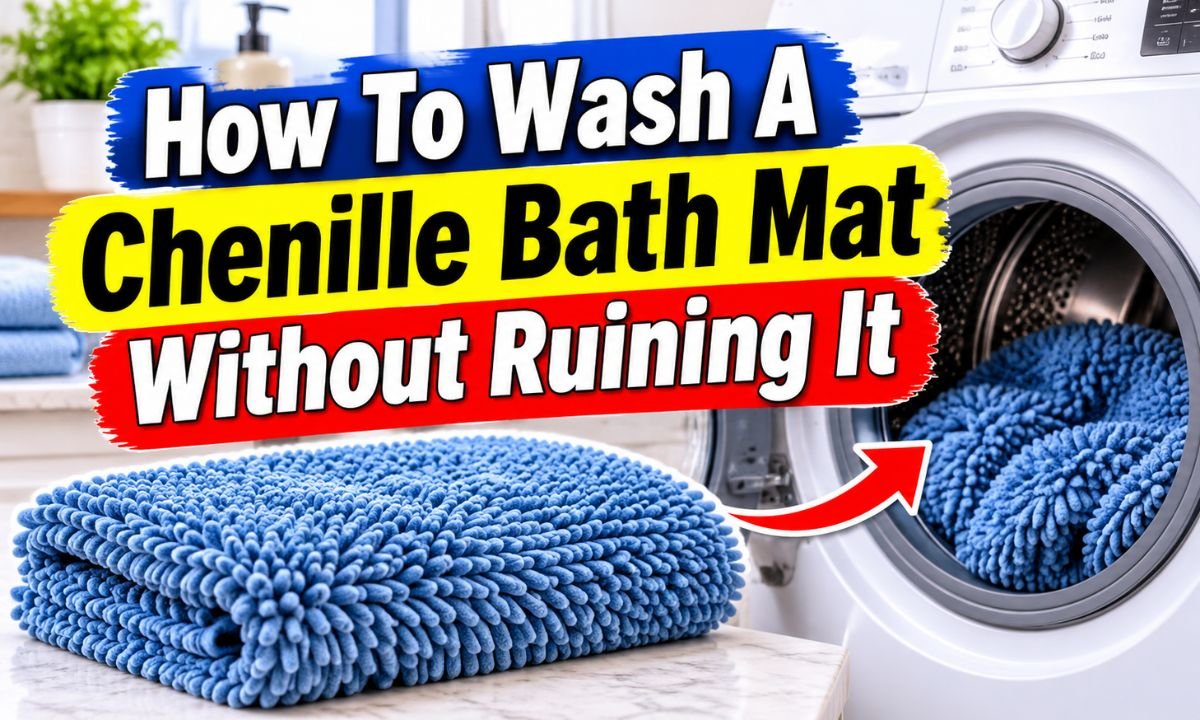
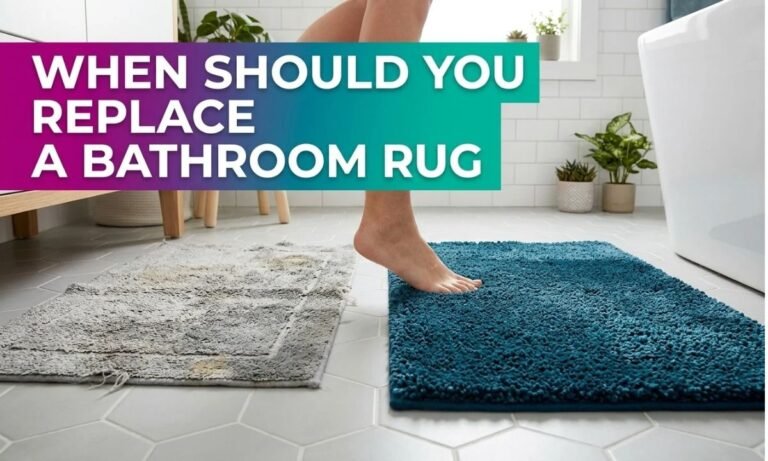
Wash a machine-safe chenille bath mat in cold water on a gentle cycle with mild detergent, then air-dry or tumble-dry on low if the care label allows it.
In American homes, a chenille bath mat often sits beside the shower, bathtub, or bathroom vanity. It catches drips from wet feet and makes cold tile floors feel softer. But after weeks of daily use, the mat can collect soap, hair, dust, and moisture. Washing it the wrong way can flatten its soft pile, loosen its fibers, or damage its backing.
The safest way to clean a chenille bath mat starts with its care label. Some mats have a simple fabric base, while others have rubber, latex, PVC, or foam backing. These parts do not always respond well to the same wash and dry settings. A cold, gentle wash is a useful starting point for many machine-washable chenille mats, but the manufacturer’s instructions must come first.
You do not need harsh cleaners or a long wash cycle to care for most chenille bath mats. A small amount of mild laundry detergent, enough room in the washer, and careful drying can help keep the pile soft and the mat in good shape. This guide explains how to prepare, wash, rinse, dry, and store your mat without causing avoidable damage.
Source: m.media-amazon.com
Understand Your Chenille Bath Mat Before Washing
Chenille is a soft textile with a fuzzy, raised surface. Many bath mats use short loops or thick strands that feel like tiny noodles under your feet. These strands help absorb water and give the mat its plush feel. However, rough washing can pull at the pile or make it look flat.
Many modern chenille bath mats use polyester or microfiber. Some have cotton blends or other fibers. The backing may be made from rubber, latex, PVC, or foam. Each part has its own care needs, so the word chenille alone does not tell you the full washing method.
Turn the mat over before cleaning it. Look for a care tag, washing symbols, fiber details, and warnings about machine washing or tumble drying. If the tag is missing, check the product manual or the manufacturer’s care page before using a washer.
Source: i2-prod.mirror.co.uk
Unbacked chenille
A mat with no bonded rubber or foam layer may be easier to machine wash, provided its fiber label allows it.
Rubber-backed chenille
The fabric may be washable, but the backing can crack, peel, or lose its grip when exposed to high heat.
Foam-backed chenille
Thick foam needs gentle handling. Rough washing and heat may change its shape or damage its structure.
Decorative chenille
Long loops, fringe, loose stitching, or attached decorations may need hand washing instead of a machine cycle.
Why Does the Backing Matter So Much?
The backing helps the mat stay in place and supports its shape. When rubber or latex gets too hot, it may become brittle, crack, or peel away from the fabric. Once this happens, the mat may no longer grip the floor as intended.
Foam backing has a different concern. Too much heat or rough movement may break down the foam or cause it to lose its shape. This is why a mat that looks like an ordinary fabric rug may still need special care.
Check for damage
Look for cracks, flakes, sticky patches, loose edges, and areas where the backing has separated from the fabric.
Check the grip
If the backing has lost its grip, do not assume that washing will restore it. Replace a mat that moves or slips on the floor.
What You Need Before Washing a Chenille Bath Mat
Gather your cleaning supplies before you start. Using a few gentle items is better than mixing several strong cleaners. You want to remove dirt and soap without stripping the pile or harming the backing.
A washing machine is useful for a mat that the manufacturer marks as machine washable. A clean bathtub, large basin, or laundry sink can work for hand washing. You will also need a clean towel and a place with good airflow for drying.
Source: sparklingpenny.com
Mild liquid laundry detergent
Choose a basic detergent that is suitable for the mat’s fabric. Liquid detergent can dissolve well in cool water and is easy to measure.
Soft cleaning cloth
Use a soft cloth to remove small stains or clean a dirty spot before washing.
Laundry basin or bathtub
Use a clean basin for hand washing a delicate mat or one that cannot go in the machine.
Clean towels
A dry towel can help absorb extra water after hand washing without twisting or squeezing the mat.
Drying rack
A sturdy rack gives air room to move around the mat. Choose a flat support for thick or delicate mats that may stretch when wet.
Soft vacuum brush
A gentle brush attachment can remove loose hair and dust before washing. Avoid hard brushes that pull at the chenille loops.
Should You Use Vinegar, Baking Soda, or Bleach?
Do not add household cleaners just because the mat smells dirty. Vinegar, baking soda, and bleach are not suitable for every fiber or backing. Some manufacturers allow certain non-chlorine stain products, while others warn against chemical additives.
Chlorine bleach can affect color and weaken some fibers. It may also damage rubber or latex components. Baking soda can leave particles in thick pile if it does not dissolve or rinse out well. Vinegar can affect some materials and finishes, so do not use it unless the care instructions allow it.
For routine washing, mild detergent and a thorough rinse are usually enough. If a stain remains, test an approved stain remover on a hidden area before treating the whole mat.
Best routine choice
Use mild laundry detergent in the amount recommended for a small laundry load.
Avoid automatic mixing
Never combine bleach with vinegar, ammonia, or other cleaning products. Dangerous fumes can form.
How to Wash a Chenille Bath Mat in a Washing Machine
If the care label allows machine washing, use a cold, gentle cycle and mild detergent. This method works for many polyester chenille bath mats, but the exact settings depend on the backing and the manufacturer’s instructions.
Do not put a mat with loose backing, severe cracks, or peeling rubber into the washer. Small pieces of backing may break off during washing. A heavy or oversized mat can also become difficult for a home washer to handle when wet.
Follow these steps to clean a machine-safe mat while limiting stress on the fibers.
Source: goodhousecleaner.com
Step 1: Shake out loose dirt
Take the mat outside or hold it over a trash can. Shake away hair, dust, lint, and loose particles. This keeps extra debris out of the washing machine.
Step 2: Inspect the pile and backing
Check for loose threads, damaged seams, peeling rubber, and weak edges. Repairable loose threads may need attention before washing. Do not pull at loose chenille strands.
Step 3: Treat small stains
Apply a little mild liquid detergent to a damp cloth. Gently dab the stained area and test first in a hidden spot. Do not scrub the pile with a stiff brush.
Step 4: Load the washer carefully
Place the mat in the washer by itself if it is bulky or has a delicate backing. If the label allows it, a small load of similar soft items may help balance the load. Do not crowd the drum.
Step 5: Add mild detergent
Use a modest amount of liquid detergent based on the load size and product directions. Too much detergent can leave residue deep inside thick chenille fibers.
Step 6: Select cold water
Choose cold water unless the care label gives a different safe temperature. Cold water is a cautious choice for many colored chenille fabrics and mats with bonded backing.
Step 7: Select a gentle cycle
Choose delicate or gentle washing. Avoid heavy-duty, sanitize, steam, and other high-stress settings unless the manufacturer specifically permits them.
Step 8: Use a suitable spin setting
A low or moderate spin can help reduce stress on the mat. Follow the label and your washer manual, especially if the mat is thick or heavy.
Step 9: Check the rinse
After the cycle, feel the pile for slippery detergent residue. If the mat still feels soapy and the label allows it, run an extra rinse.
Step 10: Remove the mat promptly
Take the mat out when the wash ends. Do not leave it sitting in the washer for hours, where trapped moisture may create an unpleasant smell.
Which Washing Machine Settings Are Best?
The table below gives a cautious starting point for many machine-washable chenille mats. It is not a replacement for the product label. If the manufacturer gives different settings, follow those instructions.
Water temperature
Cold water is a good starting point for many chenille mats, especially those with rubber or latex backing.
Wash cycle
Use gentle or delicate when machine washing is approved.
Detergent
Use a mild detergent and avoid excess product.
Fabric softener
Skip it because residue can coat the fibers and reduce water absorption.
Spin
Use a gentle spin that your washer and the mat manufacturer permit.
Can You Wash a Chenille Bath Mat With Towels?
Sometimes, but washing the mat alone is often the more cautious choice. Towels can rub against the chenille pile and create extra lint. Zippers, hooks, rough seams, and other hard parts can snag the loops.
If the care label permits washing with other items, choose a small load of similar soft fabrics. Keep dark and light colors separate. Do not add heavy jeans, clothes with metal parts, or items with hooks and rough fasteners.
Wash alone
Choose this method for thick, bulky, rubber-backed, or delicate mats.
Wash with similar items
Only do this when the care label allows it and the washer has enough room for the load to move.
How to Hand Wash a Chenille Bath Mat
Hand washing is a useful option when a chenille bath mat is delicate, marked hand-wash only, or too fragile for machine agitation. It gives you more control over how much the fabric moves. It can also help protect mats with loose pile or decorative details.
Use cool water and mild detergent. Do not twist, wring, or scrub the mat hard. Wet chenille can become heavy, and rough handling may pull its loops out of shape.
Source: i2-prod.mirror.co.uk
Step 1: Fill a clean basin
Add enough cool water to cover the mat without forcing it into a small space. A clean bathtub may work for a larger mat.
Step 2: Add a small amount of detergent
Mix in mild liquid laundry detergent according to the product directions. Avoid making the water overly soapy.
Step 3: Place the mat in the water
Lower it gently and let the water reach the pile and backing. Do not push or twist it into the basin.
Step 4: Clean with gentle movements
Press the fabric lightly with your hands. Move the water through the pile rather than rubbing the chenille strands against each other.
Step 5: Drain the dirty water
Remove the soapy water from the basin. Support the mat with both hands so its wet weight does not pull on the seams.
Step 6: Rinse with clean water
Refill the basin and press the mat gently. Repeat until the water runs clear and no slippery detergent remains.
Step 7: Remove extra water
Press the mat gently against the basin or roll it in a clean towel. Do not wring or twist it.
Step 8: Prepare it for drying
Move the mat to a clean, flat drying rack or another suitable support. Keep the backing and pile in their natural shape.
How Do You Remove Water Without Wringing?
Wringing puts pressure on the chenille strands and can stretch the mat. Instead, spread a clean towel on a flat surface and place the wet mat on top. Roll the towel and mat together without twisting them.
Press the rolled towel gently with your hands to absorb extra water. Unroll it, remove the mat, and move it to a drying rack. Use another dry towel if the first one becomes very wet.
Use gentle pressure
Press with your hands rather than twisting the mat.
Support the full mat
Avoid lifting a heavy wet mat by one corner because this may stretch the fabric or seams.
How to Dry a Chenille Bath Mat Without Damaging It
Drying is just as important as washing. A clean mat can still develop a musty smell if water stays trapped in its thick pile or backing. The best drying method depends on the materials used to make the mat.
Air drying is a cautious choice when the label does not clearly approve machine drying. If the mat is machine-dryer safe, use the lowest permitted heat setting. Never assume that a washable mat is also safe for a hot dryer.
Source: tipsbulletin.com
Step 1: Remove excess water
Use a towel to press out extra water. Do not twist the pile or pull at the edges.
Step 2: Choose a suitable drying spot
Place the mat on a clean drying rack in a dry, well-ventilated area. Keep it away from damp corners and standing water.
Step 3: Spread the mat evenly
Keep the mat flat or use a support that does not stretch the wet fabric. Allow air to reach as much of the surface as possible.
Step 4: Improve airflow
Open a window or use a fan when conditions allow. Avoid placing the mat in a cramped space with poor air movement.
Step 5: Turn it when suitable
If the construction allows it, turn the mat so both sides can dry. Support it well to avoid stretching.
Step 6: Check for hidden moisture
Feel the thickest parts and the backing. Do not return the mat to the bathroom floor while the underside still feels damp.
Can You Put a Chenille Bath Mat in the Dryer?
Some chenille bath mats can go in a tumble dryer, but others should only be air-dried. The fiber type and backing determine what is safe. A polyester chenille mat with dryer-safe instructions may tolerate low heat, while a rubber-backed or foam-backed mat may need air drying.
Check the label for dryer symbols and written instructions. If the label says tumble dry low, use that setting and check the mat during the process. Remove it once dry rather than leaving it in the dryer longer than needed.
If the backing is made from rubber or latex, avoid machine drying unless the manufacturer clearly approves it. High heat can weaken the backing and reduce its grip. The same caution applies to foam-backed designs.
Dryer-safe fabric mat
Use low heat only when the care label allows tumble drying.
Rubber-backed mat
Air drying is the cautious option unless the product instructions state otherwise.
Foam-backed mat
Follow the maker’s instructions and avoid high heat.
Hand-wash-only mat
Use the recommended air-drying method instead of assuming it can go in the dryer.
Can You Dry a Chenille Bath Mat in Direct Sunlight?
Outdoor air can help a wet mat dry, but strong direct sunlight may fade some colored fabrics. Long exposure can also affect certain backing materials. Choose a shaded, airy place when you are unsure how the fabric will react.
Do not leave the mat outdoors in damp weather or overnight dew. Bring it inside if the air becomes humid or rain is expected. The goal is steady airflow, not prolonged exposure to heat.
Good option
A shaded outdoor rack with good airflow can help dry a washable mat.
Use caution
Avoid long periods of strong sun if the color or backing may be sensitive.
How to Clean Stains and Odors From Chenille
Small stains do not always require a full wash. Spot cleaning can remove light marks and help reduce the number of full laundry cycles. Use a mild cleaner that the manufacturer approves for the mat’s fabric and backing.
Start by finding the source of the stain. Soap, shampoo, makeup, hair products, and ordinary dirt may need slightly different treatment. Never rub a stain hard because chenille loops can become tangled or pulled out.
Source: i.pinimg.com
Step 1: Remove loose material
Pick up solid dirt or hair with your fingers or a soft cloth. Do not push debris deeper into the pile.
Step 2: Blot the stain
Use a clean cloth to lift as much of the mark as possible. Work from the outside toward the center to limit spreading.
Step 3: Apply mild detergent
Dampen a cloth with cool water and a small amount of suitable detergent. Test it in a hidden spot first.
Step 4: Dab gently
Press the cloth against the stain without scrubbing or pulling the pile.
Step 5: Remove soap residue
Use another cloth dampened with clean water. Dab the area until the detergent is removed.
Step 6: Dry fully
Let the treated area dry with good airflow before using the mat again.
What If the Chenille Bath Mat Smells Musty?
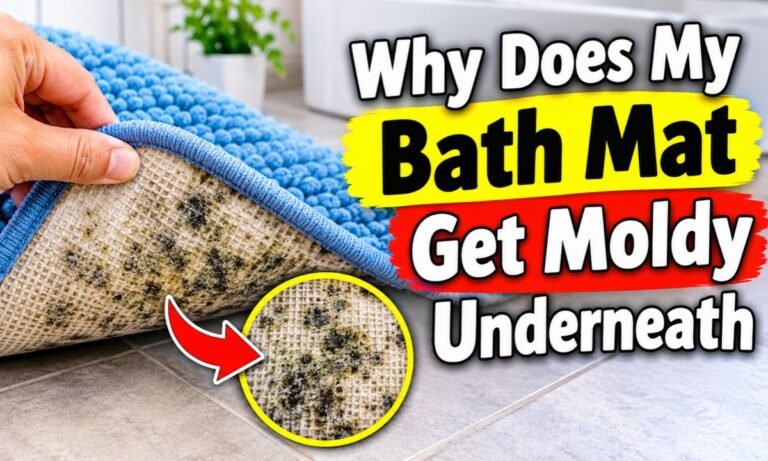
A musty smell often means the mat has stayed damp for too long. Thick chenille pile can hold water, especially when the bathroom has poor airflow. The backing may also trap moisture against the floor.
Wash the mat according to its care label and rinse it well. Then dry it completely on both sides. Do not cover the smell with perfume or fabric spray because these products do not remove the moisture that may be causing the odor.
If the smell remains after a proper wash and full drying, inspect the underside. Look for dark patches, mold-like growth, peeling material, or trapped moisture. A badly damaged mat may need replacement rather than another cleaning cycle.
After every shower
Hang or lift the mat in a way that lets air reach the underside, if its construction allows it.
Improve bathroom airflow
Use an exhaust fan or open a window when suitable to help reduce indoor moisture.
Do not reuse a wet mat
Wait until the mat is fully dry before placing it back on the floor.
What If the Chenille Pile Looks Flat After Washing?
A flat surface may result from compression, detergent buildup, or rough handling. First, check whether the mat is completely dry. Wet pile can look different from dry pile, so avoid brushing it while it is still saturated.
Once dry, gently separate the chenille strands with your fingers. If the manufacturer permits it, a very soft brush may help lift the surface. Do not use a stiff carpet brush or force the loops upward.
If the pile remains flat, the fibers may have suffered permanent wear or heat damage. More washing will not always restore the original texture.
For mild flattening
Allow the mat to dry fully and gently loosen the pile by hand.
For detergent buildup
Use an extra rinse if the care label allows it.
For heat damage
Do not apply more heat in an attempt to restore the pile.
Common Mistakes That Can Ruin a Chenille Bath Mat
A few common laundry habits can shorten the life of a chenille bath mat. The biggest risks are excessive heat, rough movement, harsh cleaners, and poor drying. Avoiding these mistakes can help preserve the soft pile and the condition of the backing.
A mat does not need a powerful wash to become clean. Gentle care is often the better approach, especially when the mat has thick strands or a bonded underside.
Source: sparklingpenny.com
Using hot water without checking the label
Hot water may affect some fibers, colors, adhesives, and backing materials. Use the temperature listed by the manufacturer.
Choosing a heavy-duty cycle
Strong agitation can pull at loops and seams. Choose gentle washing when machine washing is approved.
Adding too much detergent
Excess detergent can remain inside thick fibers and leave the pile stiff or less absorbent.
Using fabric softener
Softener can leave a coating on fibers and may reduce how well the mat absorbs water.
Using chlorine bleach without approval
Bleach may fade colors and weaken some fibers or backing materials.
Overloading the washer
A crowded drum may prevent proper cleaning and rinsing. A heavy wet mat may also create an unbalanced load.
Wringing the wet mat
Twisting can stretch the fabric and damage the pile or seams.
Using high dryer heat
High heat can flatten fibers and damage rubber, latex, or foam backing.
Putting the mat back while damp
Trapped moisture can lead to musty smells and may encourage mold growth.
Why You Should Avoid Fabric Softener
Fabric softener is made to leave a conditioning layer on textile fibers. That coating may make some fabrics feel smooth, but it can affect the way absorbent materials take up water. A bath mat needs to absorb water, so adding softener is usually unnecessary.
If your mat feels stiff after washing, check for detergent residue first. An extra rinse may help when the care label permits it. Do not add more products to cover the problem.
Better option
Use the correct amount of mild detergent and rinse the mat thoroughly.
Avoid
Do not use dryer sheets or softener unless the manufacturer specifically approves them.
How Often Should You Wash a Chenille Bath Mat?
Wash a frequently used chenille bath mat about once a week or every one to two weeks, depending on how wet it gets and how quickly it dries. A mat used by several people may need more frequent cleaning than one in a guest bathroom.
The bathroom environment also matters. A mat that stays damp for hours needs closer attention than one that dries quickly in a well-ventilated room. Wash it sooner if you notice visible dirt, a musty smell, or a change in texture.
Between washes, shake out loose hair and dust. Lift the mat after showers so air can reach the underside. These simple habits can help reduce moisture buildup and keep the mat cleaner.
Source: goodhousecleaner.com
Main family bathroom
Consider weekly washing if the mat gets daily use or stays damp.
Lightly used bathroom
A wash every one to two weeks may be suitable if the mat dries well and remains clean.
Guest bathroom
Wash before and after periods of guest use, and inspect the mat if it has been stored for a long time.
High-humidity bathroom
Check the mat often and wash it sooner if it develops an odor or remains damp.
Daily Habits That Keep Chenille Fresh
You can reduce the need for frequent deep cleaning by keeping the mat dry between uses. After a shower, lift it from the floor and let air move around the fabric and backing. Do not leave it folded into a damp pile.
Clean the bathroom floor beneath the mat as well. Dirt and moisture can collect between the floor and the backing. Before returning the mat, make sure both surfaces are clean and dry.
Shake it out
Remove loose hair and dust before they become trapped in the pile.
Air it out
Let both sides dry between uses when possible.
Check underneath
Look for damp patches, dirt, and changes in the backing.
Keep the floor dry
Do not place the mat on a wet floor, especially if it has a non-slip backing.
Troubleshooting: What to Do When Washing Goes Wrong
If your chenille bath mat looks or feels different after washing, do not run it through another hot cycle. First, identify the problem and check whether the mat is fully dry. The right fix depends on whether the issue involves the pile, detergent, seams, or backing.
Source: tipsbulletin.com
The mat feels stiff
Possible cause: detergent residue or fabric softener buildup. Check the care label and use an extra rinse if allowed. Let the mat dry fully before judging its texture.
The mat smells musty
Possible cause: trapped moisture or incomplete drying. Wash it according to its label, rinse well, and dry both sides completely. Replace it if persistent odor or visible damage remains.
Possible cause: loose fibers, age, or rough washing. Stop using aggressive brushes and heavy cycles. Check the seams and manufacturer’s instructions.
The backing is peeling
Possible cause: wear, heat, or material breakdown. Do not put it through another machine wash. Replace the mat if the backing no longer stays intact.
The mat has lost its grip
Possible cause: worn backing, residue, or moisture under the mat. Clean and dry the floor, then inspect the backing. Replace the mat if it still moves.
The mat has changed shape
Possible cause: stretching while wet or rough handling. Lay it flat and reshape it gently while damp if the material allows. Do not pull hard on the edges.
When Should You Replace a Chenille Bath Mat?
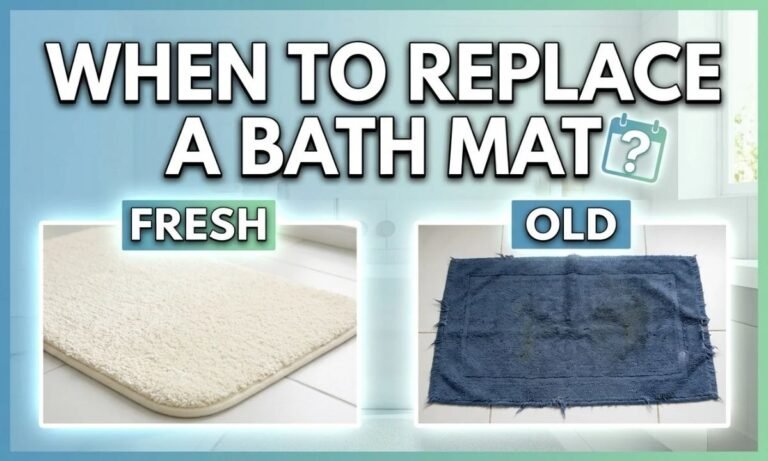
Washing cannot repair every type of damage. A mat with loose seams, badly worn pile, or peeling backing may no longer work as intended. If it shifts on a smooth bathroom floor, it can create a slip risk.
Replace the mat if the backing has lost its grip, the fabric is separating, or an unpleasant odor remains after proper cleaning and complete drying. Also consider replacement if the pile has become so worn that the mat no longer absorbs water well.
Damaged backing
Cracks, flakes, and peeling areas are signs that the mat may no longer be dependable.
Loose stitching
Open seams or large areas of loose pile can make the mat harder to clean and maintain.
Persistent odor
An odor that remains after proper washing and drying may point to trapped contamination or material damage.
Poor water absorption
A mat that no longer absorbs water well may need replacement, especially if cleaning does not improve it.
Special Care for Different Chenille Bath Mat Types
Not every chenille bath mat needs the same washing method. Fiber content, thickness, backing, and construction all affect how you should clean it. Use the product label as the final guide, especially when the mat combines several materials.
Source: m.media-amazon.com
Polyester chenille
Many polyester chenille mats are machine washable. Cold water, gentle washing, and mild detergent are common care choices when the label permits them.
Microfiber chenille
Avoid fabric softener because it may reduce absorbency. Use a gentle wash and rinse well to remove detergent.
Cotton chenille
Cotton can respond differently to heat and agitation than synthetic fibers. Follow the fiber and backing instructions before choosing a temperature.
Rubber-backed chenille
Use cold, gentle washing only when permitted and air-dry unless the manufacturer approves another method.
Avoid rough cycles and high heat. Follow the manufacturer’s instructions for both washing and drying because the foam layer may be sensitive.
Long-loop chenille
Protect the raised strands from snagging. Hand washing may be safer if the loops are loose or easily pulled.
What If the Care Label Is Missing?
Do not assume that every chenille mat is machine washable. Search for the exact product name or model on the manufacturer’s website. A product manual may list the permitted wash temperature, cycle, detergent, and drying method.
If you cannot find instructions, inspect the material and backing. When the mat has foam, rubber, latex, loose loops, or decorative details, hand washing with cool water may be the more cautious starting point. Even then, stop if the fabric begins to shed, stretch, or separate.
Look for product information
Check the original packaging, order details, product manual, or manufacturer’s support page.
Inspect the construction
Identify the pile fiber and any backing before choosing a cleaning method.
Choose a gentle approach
Avoid high heat, strong chemicals, and aggressive machine cycles when care details are unknown.
Frequently Asked Questions
Q
Can I wash a chenille bath mat in a regular washing machine?
Yes, if the manufacturer marks the mat as machine washable. Use cold water, a gentle cycle, and mild detergent when those settings are allowed. Check the backing first and avoid washing a mat with loose or peeling rubber.
Q
Should I wash a chenille bath mat in hot or cold water?
Cold water is a cautious choice for many chenille bath mats, especially those with synthetic fibers or bonded backing. Hot water may affect some materials and colors. Always follow the temperature listed on the care label.
Q
Can I use fabric softener on a chenille bath mat?
It is usually better to skip fabric softener. It can leave a coating on the fibers and reduce their ability to absorb water. Mild detergent and a good rinse are generally enough for routine cleaning.
Q
How do I keep my chenille bath mat fluffy after washing?
Use gentle washing, avoid excess detergent, and keep the mat away from high heat. After it dries, gently loosen the pile with your fingers. If the manufacturer permits it, a very soft brush may help separate the strands.
Q
Can I wash a rubber-backed chenille bath mat?
Many rubber-backed chenille mats can be machine washed, but only when the care label allows it and the backing is still intact. Use a gentle, cold wash and avoid high dryer heat. Air drying is a cautious choice for rubber-backed mats.
Q
How long does a chenille bath mat take to dry?
Drying time depends on the mat’s thickness, backing, room humidity, and airflow. A thick mat may take much longer than a thin fabric mat. Check both the pile and underside rather than relying on a fixed number of hours.
Q
Can I wash two chenille bath mats together?
You can if both mats have compatible care instructions and your washer has enough room. However, washing one bulky mat at a time can make it easier to balance the load and protect the pile. Do not overload the washer.
Q
Why does my chenille bath mat smell after washing?
The mat may still be damp inside, or detergent residue may remain in its thick fibers. Rinse it well and dry both sides fully. If the odor remains after proper cleaning and drying, inspect the backing for damage or trapped moisture.
Q
Can I wash a chenille bath mat with regular laundry detergent?
A mild regular laundry detergent is suitable for many washable chenille mats. Use the correct amount for a small load and follow the label. Avoid harsh stain products or additives unless the manufacturer approves them.
Q
Is hand washing better than machine washing for chenille bath mats?
Neither method is always better. Machine washing is convenient for mats approved for it, while hand washing offers more control for delicate designs. Choose the method that matches the fabric, backing, and care instructions.
✦ Wrapping Up
Conclusion
Keeping a chenille bath mat clean does not have to be difficult. The main rule is to match the washing method to the fabric and backing. For many machine-safe mats, cold water, mild detergent, and a gentle cycle offer a sensible way to remove everyday dirt without putting too much stress on the pile.
Pay close attention to the drying process. Avoid high heat when the backing may be sensitive, and give the mat enough airflow to dry fully. Regular care, gentle stain removal, and quick drying between showers can help maintain its soft feel and useful shape.
Most of all, do not ignore signs of damage. A mat with peeling backing, loose seams, or poor grip may need replacement rather than another wash. A clean bath mat should also be safe and stable on your bathroom floor.
💡 Key Takeaway
Before your next wash, turn the chenille bath mat over and check its care label and backing. If machine washing is allowed, use cold water, a gentle cycle, and mild detergent. Skip fabric softener, avoid unapproved heat, and dry the mat completely before putting it back on the bathroom floor.