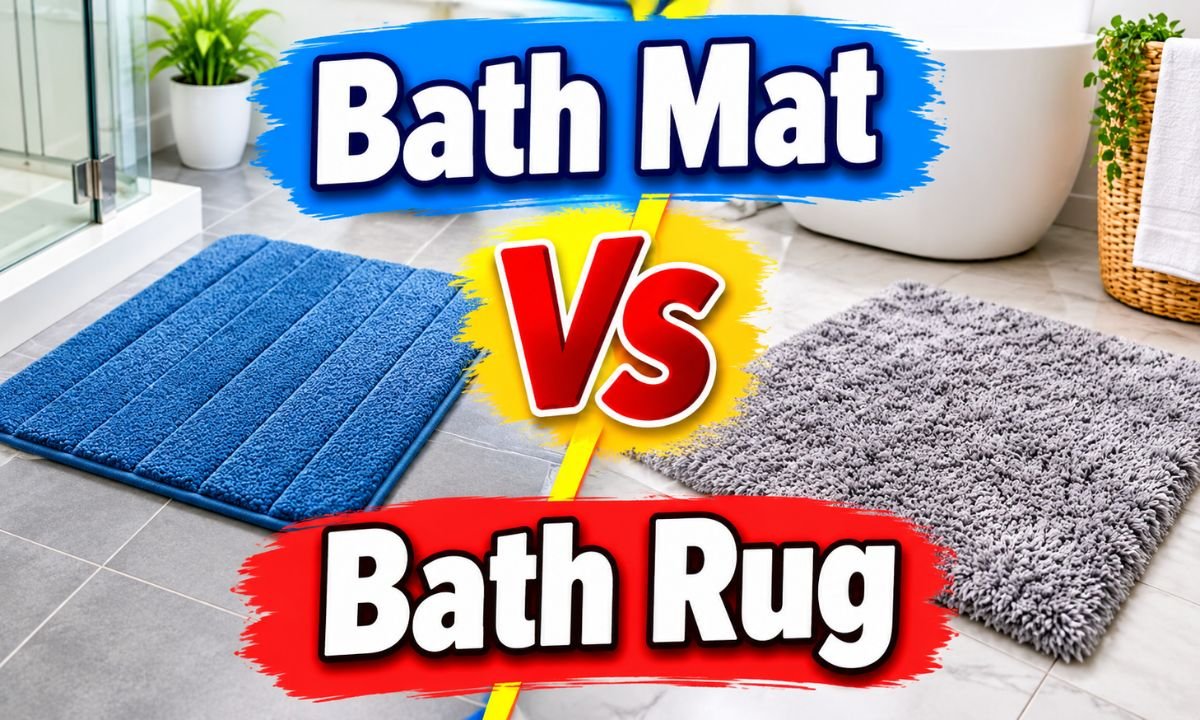
A bath mat is mainly designed to absorb water and provide a practical place to step after bathing, while a bath rug adds softness, warmth, comfort, and style to your bathroom floor. Both can absorb water, but their materials, construction, and intended uses can differ.
In American homes, a bath mat or bath rug is a common sight near a bathtub, walk-in shower, or bathroom vanity. After a morning shower or an evening bath, you need a dry, comfortable place to stand. The right floor covering can also help protect tile, vinyl, and other bathroom floors from water drops.
Although people often use the terms bath mat and bath rug as if they mean the same thing, there are some useful differences. A traditional bath mat usually focuses on water absorption and everyday use. A bath rug often focuses more on softness, thickness, appearance, and comfort. However, these labels are not used consistently by every brand or retailer.
The best way to tell them apart is to look beyond the product name. Check the fabric, pile height, backing, water absorption, drying needs, and care label. A thick bath mat may feel like a rug, while a thin cotton bath rug may work much like a traditional mat.
This guide explains how bath mats and bath rugs differ, where to place each one, which materials work best, and how to choose a suitable option for your home. You will also learn when using both makes more sense than choosing just one.
Source: i.pinimg.com
What Is the Difference Between a Bath Mat and a Bath Rug?
The main difference between a bath mat and a bath rug is their usual purpose. A bath mat is commonly chosen to catch water and provide a useful step-out surface after a shower or bath. A bath rug is often chosen to make the bathroom feel warmer, softer, and more attractive.
A bath mat is generally placed where wet feet touch the floor. Its fabric or surface should suit regular contact with water. Some models are flat cotton textiles, while others have a thicker absorbent surface or a special backing.
A bath rug is more like a small area rug made for bathroom use. It may have a deeper pile, a softer feel, or a decorative pattern. Many rugs also absorb water, but some are better suited to areas that receive only occasional splashes.
There is one important exception: manufacturers do not follow one universal naming rule. A product sold as a bath rug may be designed for the shower exit, while a product sold as a bath mat may be mainly decorative. Always judge the actual construction and care instructions.
Source: i.ytimg.com
Bath mat
Usually a practical floor covering for the area outside a bathtub or shower. Its main job is to absorb water and make the step-out area more comfortable.
Bath rug
Usually a softer, more decorative floor covering that adds warmth, texture, and comfort near a vanity, sink, or other bathroom area.
Rubber bath mat
A separate type of product designed for use inside a bathtub or shower. It may use suction cups or another grip design. It is not the same as a fabric floor mat.
Are Bath Mats and Bath Rugs the Same Thing?
Not always, but they can be very similar. Both may use cotton or synthetic fibers, both may be washable, and both may have a backing that helps limit movement. The difference often comes down to how the manufacturer intends the product to be used.
For example, a flat cotton bath mat may work like a thick towel on the floor. A plush chenille bath rug may have longer fibers and a cushioned backing. Both can sit outside a shower, but they may handle moisture and drying in different ways.
Look at construction
A flat, absorbent textile is often intended for frequent contact with wet feet. A deep-pile design may focus more on comfort.
Read the product label
Check the recommended location, washing method, drying method, and any limits on water exposure.
Bath Mat vs Bath Rug: Side-by-Side Comparison
A side-by-side comparison makes the choice easier. The table below shows common differences, but remember that individual products can vary. A cotton rug may absorb more water than a poorly made mat, and a thick mat may feel just as soft as a rug.
Use these features as a starting point rather than fixed rules. The material, backing, and care instructions matter more than the name printed on the packaging.
Source: image.isu.pub
Main Features at a Glance
The most useful distinction is the balance between water handling and comfort. A practical mat is generally meant to deal with regular wet feet. A decorative rug gives more attention to the feel and look of the room.
Purpose
Bath mat: water absorption and practical everyday use. Bath rug: comfort, warmth, and bathroom decoration.
Typical placement
Bath mat: outside the tub or shower. Bath rug: near a vanity, sink, or another suitable floor area.
Texture
Bath mat: often flat, looped, or moderately plush. Bath rug: often thicker, softer, or more decorative.
Water handling
Bath mat: commonly selected for regular wet-foot contact. Bath rug: performance depends on the fabric and construction.
Backing
Either type may have a backing, but not every backing provides reliable grip on every floor.
Appearance
Bath mat: often simple and practical. Bath rug: often available in more decorative textures, patterns, and shapes.
Cleaning
Both require care based on their labels. Cotton mats may be easy to launder, while backed rugs may need gentler washing and drying.
Best location
Bath mat: the wet area outside a shower or bathtub. Bath rug: a lower-moisture area where comfort and appearance matter.
Differences in Materials and Construction
The material can tell you more about a bath mat or bath rug than its name. Some fabrics soak up water well, while others focus on softness or easy care. The backing also changes how the floor covering feels and how you should maintain it.
Before buying, consider how often the bathroom gets wet, how much airflow the room has, and whether you can lift the floor covering to dry it. A material that feels great in a guest bathroom may not work as well in a busy family bathroom.
Source: i.pinimg.com
Cotton
Cotton is a common choice for traditional bath mats. It feels familiar, absorbs moisture, and is often machine washable when the care label allows it. However, a thick cotton product may take time to dry.
Microfiber
Microfiber is a synthetic fabric that can feel soft and absorb water. It is common in both bath mats and bath rugs. Its drying performance depends on the pile, density, and backing.
Chenille
Chenille has a soft, textured surface made with raised yarns. It creates a plush feel underfoot and is often used in decorative bath rugs. The dense fibers can hold moisture, so proper drying matters.
Memory foam provides cushioning and a soft feel. It is often used in thicker bathroom rugs. Check the washing and drying instructions because the foam and backing may not tolerate high heat.
Rubber
Rubber may be used as a backing on a floor rug or as the main material of a bathtub mat. These are different uses. A rubber-backed floor covering is not automatically suitable for use inside a shower.
Diatomaceous earth
Some hard bath mats use porous mineral material to take up surface moisture and release it through evaporation. They feel firm rather than soft and need care according to their specific instructions.
Bamboo bath platforms usually have a slatted or solid design. They provide a firm surface and allow water to drain or evaporate. They do not feel like a traditional fabric mat or rug.
Does a Thicker Bath Rug Absorb More Water?
Not necessarily. A thicker rug may hold more water in its fibers, but thickness alone does not prove that it absorbs moisture faster or dries more easily. Fiber type, yarn structure, density, and backing all affect performance.
For example, a flat cotton mat may take up water from wet feet without having a deep pile. A plush microfiber rug may feel more cushioned but could hold moisture within its fibers and backing. Choose based on the full construction rather than appearance alone.
For frequent showers
Look for a washable, absorbent product that can dry fully between uses.
For a soft feel
Consider chenille or memory foam, but check moisture care and drying requirements.
Where Should You Place a Bath Mat and a Bath Rug?
Placement depends on how much water reaches the floor and what you want the covering to do. Put a water-absorbing mat near the shower or bathtub exit. Place a decorative rug in an area where it can provide comfort without receiving constant splashes.
In a typical American bathroom, the shower exit, toilet area, and vanity may all have different needs. A single floor covering does not have to serve every area. Measure the available floor space before choosing a size.
Source: i.ytimg.com
Outside the shower
Use an absorbent bath mat that fits the exit area. It should lie flat and leave enough room to step safely.
Outside the bathtub
Choose a mat that catches drips when someone steps out. Make sure the edges do not curl or bunch against the tub.
In front of the vanity
A soft bath rug can make standing at the sink more comfortable. This area may receive less water than the shower exit.
Near the toilet
A small rug can add comfort and style, but it should not block access or create a trip hazard.
In a shared bathroom
Consider separate coverings for the shower and vanity. This lets each piece serve a clear purpose.
Can You Put a Bath Rug Outside the Shower?
Yes. A bath rug can work outside a shower if its material can handle occasional moisture and it stays stable on the floor. A washable cotton or microfiber rug may be suitable when the product label allows bathroom use.
Avoid placing a delicate decorative rug in an area that gets soaked after every shower. If it stays damp for long periods, it may develop an unpleasant odor or show signs of mildew. Lift it after use when needed and allow both sides to dry.
Check the water exposure
A rug near a vanity may only face damp feet, while one beside a shower may receive regular splashes.
Check the floor
A backing that works on one surface may slide or damage another. Follow the floor and rug manufacturer’s guidance.
Should a Bath Mat Go Inside or Outside the Tub?
A fabric bath mat designed for the bathroom floor belongs outside the tub. A separate rubber or similar non-slip bathtub mat may be designed for use inside the tub. Do not assume that a product can serve both purposes.
If you need traction inside a bathtub, choose a product specifically labeled for that use. Follow its installation and cleaning directions. A regular cotton or chenille floor covering is not a substitute for a purpose-built tub mat.
Outside the tub
Use an absorbent textile mat or suitable bathroom rug.
Inside the tub
Use only a bathtub mat intended for wet, submerged use and compatible with the tub surface.
Which Is Better for Absorbing Water?
A bath mat is usually the more practical choice when your main goal is to catch water from wet feet. Traditional cotton mats and absorbent microfiber styles are made for this type of use. However, a bath rug can also absorb water well when its fabric and construction are designed for moisture.
The important difference is how the product manages water after absorbing it. A floor covering can soak up moisture but still remain damp for a long time. That is why absorbency and drying time should be considered together.
If your bathroom has limited ventilation, choose a product that is easy to lift, wash, and dry. A thick rug that stays against a damp floor may be a poor fit, even if it feels comfortable under your feet.
Source: housediamond.com
Best for regular wet-foot contact
A washable cotton or absorbent microfiber bath mat is a practical starting point.
Best for cushioning
A chenille or memory foam rug may offer a softer surface, provided it can dry properly.
Best for a hard surface
A mineral or bamboo mat may suit someone who prefers a firm surface and does not need a plush textile.
What Happens When a Bath Rug Stays Wet?
A wet bath rug can trap moisture between its fibers, backing, and the floor. If the rug does not dry fully, it may develop a musty smell. The damp underside can also affect some flooring materials over time.
Do not leave a soaked rug folded or bunched up. Lift it, spread it out, or hang it where air can reach both sides. If the rug has a washable construction, clean it according to the label and allow it to dry fully before putting it back.
Musty odor
This may indicate trapped moisture or an overdue wash. Inspect the underside and the floor below.
Damp floor
Remove the rug and dry the floor. Check whether water is entering from the shower or remaining beneath the backing.
Visible mold
Stop using the affected item until it has been cleaned appropriately or replaced. Check the floor for further damage.
Which Is Safer: A Bath Mat or a Bath Rug?
Neither a bath mat nor a bath rug is automatically safer. Stability, surface grip, floor compatibility, and proper placement matter more than the product name. A soft rug can still slide on smooth tile, while a mat with an unsuitable backing can also move underfoot.
Bathrooms often have hard surfaces such as ceramic tile, porcelain, stone, and vinyl. Water on these surfaces can create a slipping hazard. A suitable floor covering may help manage water, but it should never be treated as a complete fall-prevention device.
If an older adult, child, or person with limited mobility uses the bathroom, pay extra attention to floor stability. Remove curled edges, loose corners, and rugs that bunch up. For people who need extra support, consider properly installed grab bars and other suitable bathroom safety changes.
Source: s.alicdn.com
Choose a suitable backing
Look for backing designed for the specific floor surface. Follow the instructions for tile, vinyl, wood, or another material.
Keep the floor dry
Wipe up puddles and splashes instead of relying on a mat to absorb all the water.
Keep edges flat
Replace or repair a covering that curls, folds, or develops loose corners.
Inspect the underside
Check for worn backing, dirt, trapped moisture, and signs of floor damage.
Use the right tub accessory
A bathroom floor rug is not a replacement for a bathtub mat designed for wet use.
Are Rubber-Backed Bath Rugs Better?
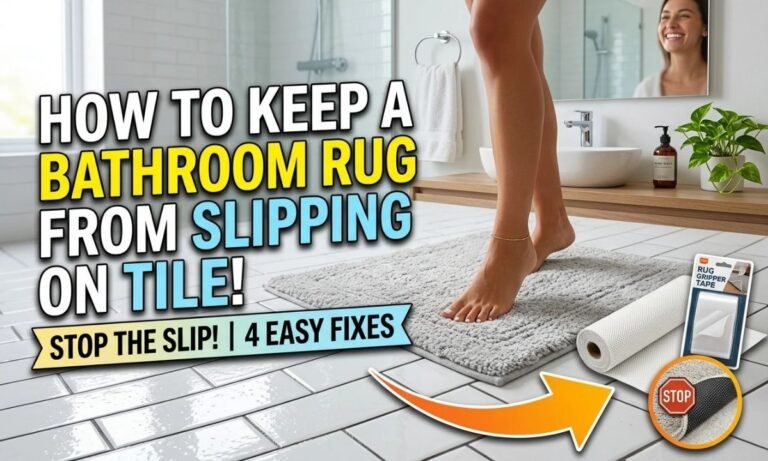
Rubber-backed bath rugs can help limit movement when the backing is suitable for the floor. However, rubber does not guarantee that a rug will stay in place. Dust, soap residue, water, worn backing, and an incompatible floor surface can all affect grip.
Some backings may also react poorly to certain floor finishes or heated surfaces. Always check the rug label and flooring manufacturer’s instructions before use. Never assume that a rug is safe for every type of tile, vinyl, or wood floor.
If the backing becomes cracked, sticky, brittle, or damaged, stop using the rug until you have checked whether it can be repaired or needs replacement.
Good condition
The backing is intact and the rug remains flat on a compatible, clean, dry floor.
Poor condition
The backing is peeling, stiff, damaged, or leaving marks on the floor.
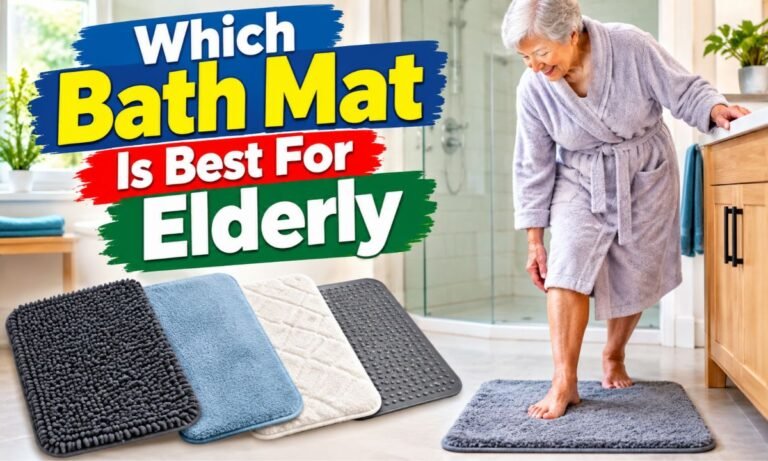
What Should You Choose for Older Adults?
For an older adult, choose a stable floor covering that does not move, bunch, or create a raised edge. A thin, well-maintained mat may be easier to step over than a thick, plush rug. However, the right option depends on the person’s mobility and the bathroom layout.
A floor rug alone cannot provide the support of a grab bar or a properly designed bathing aid. If someone has a high risk of falling, an occupational therapist or qualified home safety professional can help assess the bathroom.
Prioritize stability
Avoid loose rugs and products that slide when stepped on.
Reduce obstacles
Keep walking paths clear and avoid thick edges that can catch a foot or mobility aid.
How to Choose the Right One for Your Bathroom
The right choice depends on your daily routine, bathroom layout, and cleaning habits. Think about where water lands, how often the room is used, and whether the floor covering can dry between showers.
You do not need the thickest or most expensive option. A simple cotton mat may be enough for a small bathroom, while a soft rug may add more comfort near a large vanity. A busy family bathroom may benefit from two separate coverings with different jobs.
Source: i.pinimg.com
For a small bathroom
Choose a compact mat that fits outside the shower without blocking the door or walking space.
For a large bathroom
Use a practical mat near the shower and a decorative rug near the vanity if the layout allows.
For a busy family
Choose washable materials that can handle frequent use and regular cleaning.
For a guest bathroom
A comfortable, decorative rug can work well if it stays dry and the bathroom is not used constantly.
For a bathroom with poor airflow
Avoid floor coverings that remain damp for long periods. Choose a design that can be lifted and dried easily.
For a cold tile floor
A soft, thicker rug can make the vanity area more comfortable, as long as its backing suits the floor.
What Size Bath Mat or Bath Rug Should You Buy?
The right size should cover the area where you stand without creating a tripping hazard. Measure the floor before shopping, including the space needed for doors, drawers, and nearby fixtures.
A small mat may work near a narrow shower exit, while a longer rug may suit a double vanity. Do not buy a large covering just to fill the floor. Leave enough exposed space for easy movement and cleaning.
Measure the available area
Record the width and length of the open floor space before choosing a product.
Check door clearance
Make sure the bathroom door, shower door, and vanity drawers do not catch the rug.
Avoid overlapping edges
Keep the covering away from areas where it may bunch against a toilet, tub, or cabinet.
Should You Use Both a Bath Mat and a Bath Rug?
Yes, using both can be a practical choice when your bathroom has enough floor space. Put an absorbent mat near the shower and a softer rug near the vanity. This gives each covering a separate role.
For example, a household with a walk-in shower and a double vanity may use one small mat at the shower exit and one longer rug in front of the sinks. The shower mat handles wet feet, while the vanity rug adds comfort during daily routines.
Using both is not necessary in every home. If the bathroom is small, one suitable, washable floor covering may be enough. The main goal is to keep the floor dry, clear, and easy to maintain.
Use a mat for moisture
Place it where people step out of the shower or bathtub.
Use a rug for comfort
Place it in a lower-moisture area near the vanity or sink.
How to Clean and Maintain Bath Mats and Bath Rugs
Both bath mats and bath rugs need regular cleaning because they collect moisture, body oils, soap residue, dust, and loose hair. The correct cleaning method depends on the material and backing. Always read the care label before putting a floor covering in a washing machine or dryer.
A cotton bath mat may tolerate normal laundry care, while a chenille or memory foam rug may need a gentle cycle and low heat or air drying. Rubber-backed products need special attention because excessive heat can damage some backing materials.
Source: housediamond.com
Wash when needed
Clean the mat or rug regularly based on use, visible soil, odor, and the manufacturer’s instructions.
Dry completely
Do not return a damp covering to the bathroom floor. Allow both sides to dry when the construction permits.
Clean underneath
Lift the covering and clean the floor to remove trapped dust, hair, and moisture.
Inspect the backing
Look for cracks, peeling, sticky areas, and other signs of wear.
Avoid excessive heat
Use only the drying temperature permitted by the product label.
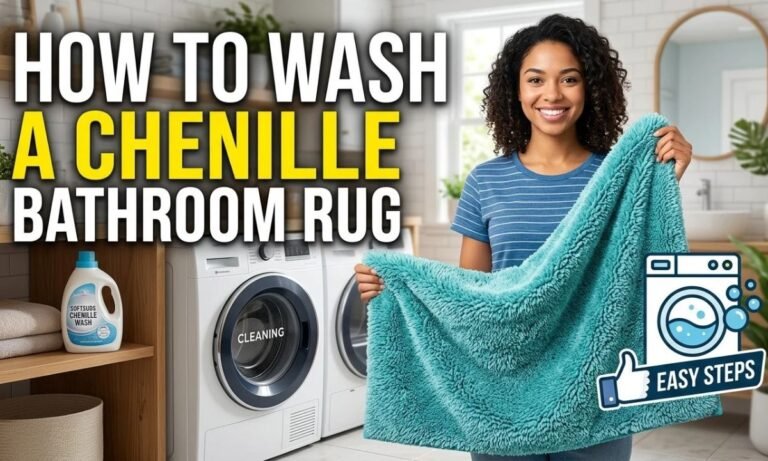
Can You Wash a Bath Rug in a Washing Machine?
Many bath rugs are machine washable, but not all of them are. Check the label first, especially if the rug contains memory foam, rubber backing, decorative trim, or delicate fibers.
If machine washing is allowed, remove loose dirt and hair first. Use the recommended water temperature and cycle. Avoid adding too much detergent because leftover soap can collect in thick fibers.
Dry the rug according to its instructions. If the label says not to use a dryer, lay it flat or hang it in a suitable place. Make sure the underside is fully dry before returning it to the floor.
Before washing
Check the care label, remove loose debris, and inspect the backing for damage.
During washing
Use the permitted cycle and detergent amount. Avoid mixing incompatible materials.
After washing
Dry the rug fully and inspect its shape, texture, and backing before reuse.
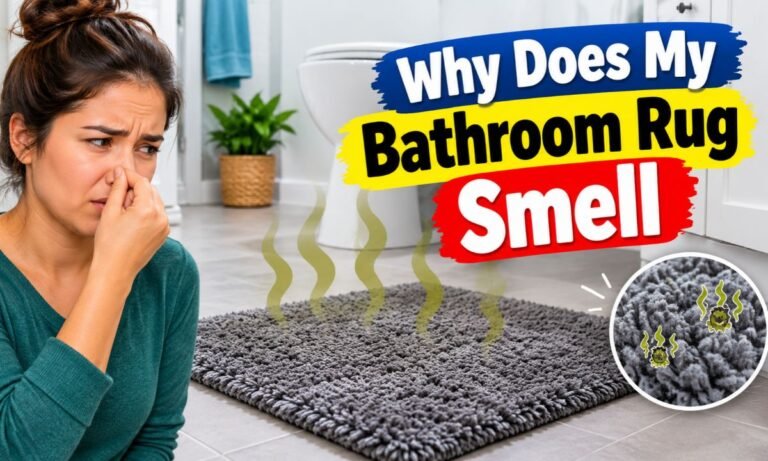
How Can You Prevent a Musty Smell?
The best way to prevent a musty smell is to reduce the time your bath mat or rug stays damp. Spread it out after use instead of leaving it folded on the floor. Improve bathroom airflow by using an exhaust fan or opening a window when practical.
If an odor remains after washing, check the backing and the floor below. Trapped moisture may remain even when the top feels dry. If mold or persistent odor cannot be removed with appropriate cleaning, replacement may be the better option.
Allow airflow
Hang or lift the covering when practical so air reaches both sides.
Clean the floor
Do not allow moisture or dirt to remain trapped underneath.
Replace damaged items
A badly worn backing or persistent mold may make continued use unsuitable.
Common Mistakes to Avoid When Choosing a Bath Mat or Bath Rug
A bathroom floor covering should make the room easier to use, not create extra cleaning or safety problems. Many common mistakes happen when people choose by color, thickness, or price without checking the product’s intended use.
A little attention before buying can prevent problems such as damp floors, damaged backing, poor fit, and difficult cleaning.
Source: housediamond.com
Choosing by name alone
A bath mat is not always more absorbent than a bath rug. Check the fabric and product description before deciding.
Assuming every backing is non-slip
A backing may help limit movement but still fail on an incompatible or wet floor.
Buying a rug that is too thick
A deep-pile rug may not fit under a door and may take longer to dry.
Ignoring washing instructions
High heat or an unsuitable wash cycle may damage foam, fibers, or backing.
Leaving a wet rug on the floor
Trapped moisture can cause odor and may affect the floor surface.
Using a floor rug inside the bathtub
A fabric floor covering is not designed for submerged use. Choose a proper tub mat instead.
Ignoring floor compatibility
Some backing materials can leave marks or affect certain floor finishes. Check both manufacturers’ instructions.
When Should You Replace a Bath Mat or Bath Rug?
Replace a bath mat or bath rug when it can no longer stay flat, clean, and functional. There is no single replacement schedule that works for every household because use, washing, material, and bathroom ventilation vary.
Look for loose fibers, torn seams, worn pile, cracked backing, permanent stains, and odors that remain after proper cleaning. A floor covering that moves unexpectedly or develops curled edges should not remain in a high-traffic bathroom area.
If the rug has visible mold or damage that cannot be cleaned safely, stop using it. Replacing it is often more practical than trying to restore a badly worn product.
Worn backing
Replace the product if the backing peels, cracks, becomes sticky, or no longer stays stable.
Persistent odor
Check for trapped moisture and replace the rug if appropriate cleaning does not solve the problem.
Poor absorption
Consider replacement if the fibers no longer handle water effectively or the product is badly worn.
Visible damage
Replace a covering with torn edges, loose parts, or a shape that creates a trip hazard.
A Simple Decision Guide: Which One Should You Choose?
Choose a bath mat if your main concern is catching water when you step out of the shower or bathtub. Choose a bath rug if you want a soft, warm, decorative surface in a lower-moisture area. If your bathroom has room for both, using separate pieces can meet both needs.
Your final choice should also account for cleaning time and floor safety. A beautiful rug is not a good fit if it stays damp all day. Likewise, a practical mat is not suitable if its backing slides on your floor.
Source: i.ytimg.com
Choose a bath mat when
You need an absorbent surface near the shower, want a simple floor textile, or prefer a product that is easy to lift and wash.
Choose a bath rug when
You want more softness, cushioning, warmth, or decoration near a vanity or another relatively dry area.
Choose both when
You have enough floor space and want one product for wet feet and another for everyday comfort.
Three Practical Bathroom Examples
Consider a small apartment bathroom with a walk-in shower. A compact cotton or microfiber mat outside the shower may be enough because it catches water without taking up much floor space.
Now consider a larger family bathroom with a double vanity. An absorbent mat near the shower and a longer decorative rug near the sinks may offer a better balance of function and comfort.
For a guest bathroom used less often, a decorative rug may be a suitable choice if it can handle occasional moisture and remains clean and dry. The product’s construction still matters more than the label.
Small bathroom
Prioritize a compact, washable mat that does not block doors or walkways.
Large family bathroom
Consider separate coverings for the shower exit and vanity area.
Guest bathroom
Choose a comfortable decorative rug that is easy to maintain and suitable for the floor.
Frequently Asked Questions
Q
Can I use a bath rug instead of a bath mat?
Yes, if the bath rug is designed to handle regular moisture and can be cleaned and dried properly. A washable cotton or microfiber rug may work outside a shower or bathtub. Check its backing and floor compatibility before using it in a wet area.
A thick decorative rug that stays damp is a poor substitute for a practical bath mat. Choose a product based on its actual construction and intended use.
Q
Which is better for a small bathroom, a bath mat or a bath rug?
A compact bath mat is often more practical in a small bathroom because it can cover the shower exit without taking up much floor space. It can also be easier to lift and dry.
However, a small bath rug can work if you want more comfort and the area does not receive much water. Measure the available space and check that the product does not block doors or create a tripping hazard.
Q
Are bath rugs more comfortable than bath mats?
Bath rugs are often thicker and softer than traditional flat cotton bath mats. Materials such as chenille and memory foam can provide a cushioned feel underfoot.
However, some modern bath mats are also thick and plush. Compare the actual pile, cushioning, and material instead of relying only on the product name.
Q
Can I use a bath mat on hardwood floors?
You can use a suitable bathroom floor covering on some hardwood floors, but moisture and backing compatibility need special care. Water trapped underneath may damage wood finishes or cause other floor problems.
Check the flooring manufacturer’s recommendations before choosing a backing. Lift the mat regularly, dry the floor, and avoid leaving a damp covering in place. A rug pad should also be compatible with the floor finish.
Q
How often should I wash a bath mat or bath rug?
Wash frequency depends on how often the bathroom is used, how wet the covering gets, and how quickly it dries. A frequently used shower mat may need washing more often than a decorative rug near a guest bathroom vanity.
Follow the manufacturer’s care instructions and clean the item when it becomes visibly dirty, develops an odor, or collects noticeable residue. Allow it to dry completely between uses.
Q
Do bath mats and bath rugs need non-slip backing?
A suitable backing can help limit movement, but not every product needs the same design. Some traditional cotton bath mats have no backing and rely on their construction and placement. These still need a stable, compatible floor surface.
If you choose a backed product, make sure the backing suits your floor. Inspect it regularly for wear, and never assume that a non-slip label guarantees safety on every surface.
Q
Can I put a bath rug in the dryer?
Some bath rugs can go in a dryer, but others cannot. Cotton products may allow machine drying, while rubber-backed, memory foam, or delicate rugs may require low heat or air drying.
Check the care label before drying. Excessive heat can damage some backing materials, change the rug’s shape, or affect its fibers.
✦ Wrapping Up
Conclusion
The difference between a bath mat and a bath rug mainly comes down to purpose. A bath mat is generally designed for practical water absorption near a bathtub or shower. A bath rug usually focuses more on comfort, softness, warmth, and appearance.
However, the terms are not used consistently across brands. Some bath rugs absorb water well, and some bath mats have the thick, plush feel often linked with rugs. That is why checking the fabric, backing, thickness, drying needs, and care label is the best way to make a smart choice.
For most bathrooms, an absorbent mat near the shower and a decorative rug near the vanity can work well together. If you only need one, choose the product that matches the wettest area and your daily routine. Keep it clean, let it dry fully, and make sure it stays stable on your floor.
💡 Key Takeaway
Before buying, measure your bathroom floor, decide where the covering will go, and check its absorbency, backing, floor compatibility, and care label. Choose a bath mat for practical moisture control, a bath rug for comfort and style, or both when your bathroom has room for separate uses.