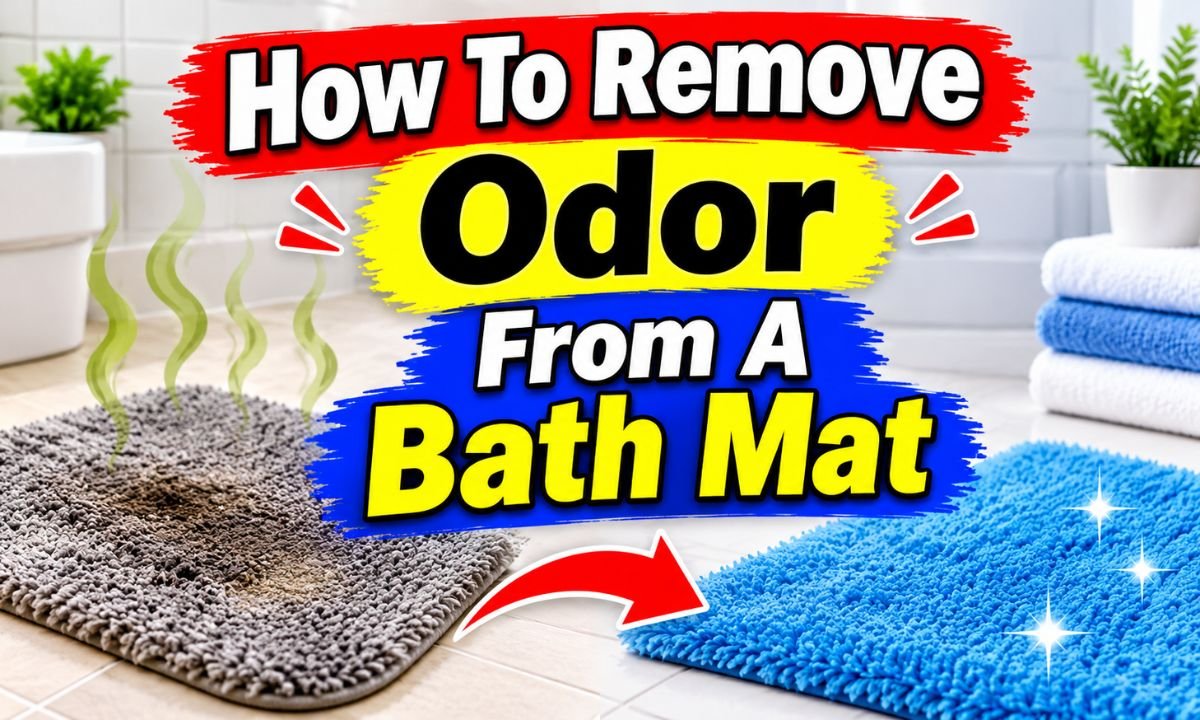
Wash your bath mat with mild detergent, remove stubborn smells with a suitable vinegar treatment, rinse well, and dry both sides completely.
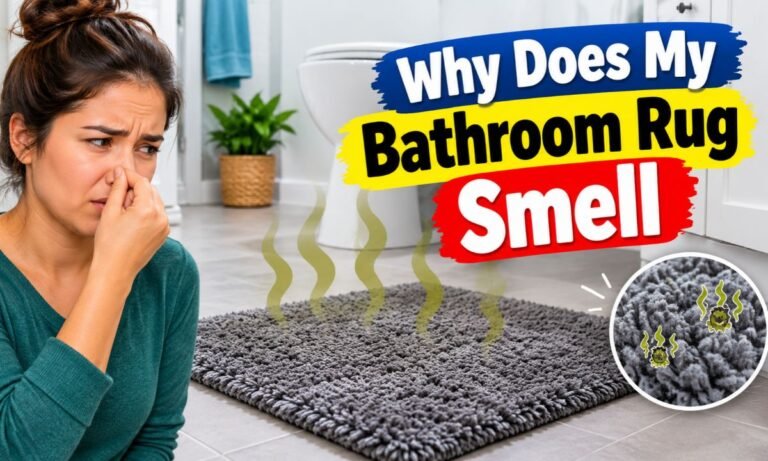
After a shower in an American home, a bath mat often collects more than water. It can pick up soap, shampoo, body oils, loose hair, and dirt from bare feet. When the mat stays damp on a bathroom floor, these materials can build up and cause a sour or musty smell. Even a mat that looks clean may hold odor deep inside its fibers or backing.
The good news is that you can often remove the smell with simple items already in your laundry room or kitchen. The best method depends on whether your mat is made of cotton, microfiber, memory foam, or rubber. Always check the care label before washing, soaking, or using a cleaning product. A method that works for a plain cotton mat may damage a rubber-backed or foam mat.
This guide explains how to wash a smelly bath mat, treat stubborn odors, clean rubber mats, and prevent the smell from returning. You will also learn when a mat needs replacing instead of another wash. The main goal is to remove the source of the odor, not cover it with perfume or room spray.
Why Does a Bath Mat Develop a Bad Smell?
A bath mat usually develops a bad smell because moisture, dirt, and organic residue stay trapped in the material. Bathrooms are warm and often humid, so a wet mat can take a long time to dry. When moisture remains in the fibers or underneath the mat, it creates conditions that allow odor-causing microbes and mildew to grow.
A clean-looking mat is not always a clean mat. Water can carry soap, shampoo, skin oils, and small bits of dirt into the deeper layers. These materials may remain even after the surface looks dry. That is why spraying an air freshener over the mat rarely solves the problem.
The type of odor can offer a useful clue. A sour smell may point to trapped moisture or residue, while a damp, earthy smell can suggest mildew. A strong chemical or rubber-like smell may come from the backing itself, especially if it is old or starting to break down.
Trapped moisture
A mat left flat on a wet bathroom floor may stay damp underneath. This is one of the most common reasons for a musty smell.
Soap and body oil buildup
Shampoo, body wash, skin oils, and dirt can collect between fibers and become a source of unpleasant odors.
Mildew and mold
Long periods of dampness can support mold or mildew growth, especially in thick mats and areas with poor airflow.
Detergent residue
Using too much laundry detergent or fabric softener can leave residue that traps dirt and affects how well the mat absorbs water.
Aging rubber backing
Rubber or latex backing can crack, crumble, or develop a persistent smell as it wears out.
How to Tell What Kind of Odor You Have
Start by smelling the mat when it is completely dry. If it smells fresh when dry but becomes musty after a shower, trapped water and slow drying may be the main problem. If the odor remains even after the mat dries, dirt or mildew may be deeper in the material.
Turn the mat over and inspect its backing. Look for dark spots, sticky areas, cracks, peeling, or a powdery surface. Check the floor underneath as well. A mat that sits on a damp or dirty floor can pick up odors again soon after cleaning.
Musty or earthy smell
Check for damp fibers, dark spots, mildew, and poor airflow.
Sour or sweaty smell
Look for body oils, soap residue, and dirt trapped in the fabric.
Strong rubber smell
Inspect the backing for age, damage, and signs of material breakdown.
How to Remove Odor From a Bath Mat in the Washing Machine
Machine washing is often the easiest way to remove odors from a washable cotton or microfiber bath mat. A full wash can remove dirt, body oils, soap residue, and other materials that may cause a stale smell. However, not every bath mat is safe for machine washing, so check the care label first.
Before starting, look at the backing and inspect the stitching. Some mats have rubber or latex layers that can crack or peel during a rough wash. Memory foam mats may also lose their shape if they are soaked or spun too hard. If the label says hand wash only, use a gentle hand-cleaning method instead.
Source: bestplumbersclub.com
What you need
Mild laundry detergent, a washing machine if permitted, clean water, and a drying rack or clothesline.
Before washing
Shake off loose hair, dust, and dirt outdoors. Check the label and remove any loose debris from the underside.
Step 1: Shake Off Loose Dirt and Hair
Take the bath mat outside and shake it well. This helps remove loose hair, dust, lint, and dry dirt before the mat enters the washer. Removing loose material first also helps prevent unnecessary debris from collecting in the washing machine.
If hair is stuck between thick fibers, use a soft brush or a vacuum with a suitable attachment. Work gently so you do not pull out the fibers or damage the backing.
Step 2: Check the Care Label
Read the washing instructions before choosing a water temperature or cycle. Many washable fabric mats can handle a gentle cold or warm cycle, but the correct setting depends on the material. A rubber-backed mat may need cooler water and a shorter, gentler cycle.
Do not assume that every bath mat can go into the dryer. High heat may damage rubber backing, foam padding, or glued layers. If the label does not provide clear instructions, air drying is the more cautious option.
Step 3: Add a Small Amount of Detergent
Use a mild laundry detergent that suits the mat’s material. Follow the detergent label and avoid adding more than needed. Too much detergent can leave residue behind, which may make the mat feel stiff and hold onto dirt.
Skip fabric softener. It can coat the fibers and reduce absorbency. A bath mat needs to absorb water, so leaving a softener film on it can work against its purpose.
Step 4: Choose a Gentle Wash Cycle
Select the cycle and water temperature allowed by the care label. A gentle cycle helps protect the fibers, seams, and backing. Avoid a harsh spin if the mat has foam padding or a delicate non-slip layer.
Wash the mat with similar items only when the care label permits it. Do not overload the washer. The mat needs room to move so water and detergent can reach the material.
Step 5: Rinse and Check for Remaining Odor
When the cycle ends, smell the mat before drying it. If it smells clean, move on to drying. If you still notice a strong odor, check whether detergent residue or a dirty backing may be the cause.
A second rinse may help if excess detergent remains. For a washable fabric mat with a stubborn smell, a separate vinegar treatment may be suitable if the manufacturer allows it. Do not add vinegar and bleach to the same wash.
Step 6: Dry the Mat Completely
Hang the mat over a drying rack or clothesline so air can reach both sides. Spread it out instead of folding it over itself. Turn it over during drying if the underside remains damp.
Wait until the center, edges, and backing are fully dry before putting the mat back in the bathroom. A slightly damp mat can develop the same smell again, even after a good wash.
Sign of success
The mat smells neutral, feels dry throughout, and has no damp patches on the underside.
How to Remove Stubborn Bath Mat Odors With White Vinegar
White vinegar can help with certain stubborn odors on washable bath mats. Its mild acidity can help loosen some mineral and soap residue, which may contribute to a stale smell. It is a possible cleaning aid, not a guaranteed way to remove mold or disinfect every type of material.
Use plain distilled white vinegar rather than flavored or colored vinegar. Check the bath mat’s care instructions before using it. Avoid this treatment on materials that may react to acidic cleaners, and do not use it on a mat if the manufacturer advises against vinegar.
Source: howtocleaneasily.com
How to Use a Vinegar Soak
For a washable fabric mat that allows vinegar treatment, mix one part white vinegar with four parts cool or lukewarm water in a clean basin. Make enough solution to cover the mat. Place the mat in the solution and let it soak for about 15 to 30 minutes.
After soaking, gently move the mat through the water. Pay attention to the edges and areas that collect soap. Drain the basin and rinse the mat with clean water until the vinegar smell and loose residue are gone.
Wash the mat with mild detergent if needed and follow its care label. Dry it completely on a rack or clothesline. Do not return it to the floor while any part remains damp.
Use the right mixture
A simple starting mixture is one part white vinegar to four parts water, provided the mat’s care instructions allow it.
Avoid long soaking
Do not leave delicate fibers, foam, or rubber-backed materials soaking for long periods unless the manufacturer specifically allows it.
Rinse thoroughly
Rinsing helps remove loosened residue and the strong vinegar smell.
Can You Add Vinegar to the Washing Machine?
Some washable fabric mats can tolerate a small vinegar treatment in the rinse cycle, but the care label should guide your choice. Use plain white vinegar only if the manufacturer permits it. Do not pour vinegar into a compartment that contains another cleaning chemical.
Vinegar is acidic, so frequent use may not suit every fabric, elastic component, or machine part. It should not replace normal washing with detergent. If the mat has a strong smell after a proper wash, inspect the underside instead of adding more cleaning products.
Important Vinegar Safety Rule
Never mix white vinegar with chlorine bleach. The combination can release harmful chlorine gas. Do not combine vinegar with other household cleaners either. Use one cleaning method at a time, rinse the mat and cleaning area well, and follow product labels.
How to Remove Odor From a Rubber Bath Mat
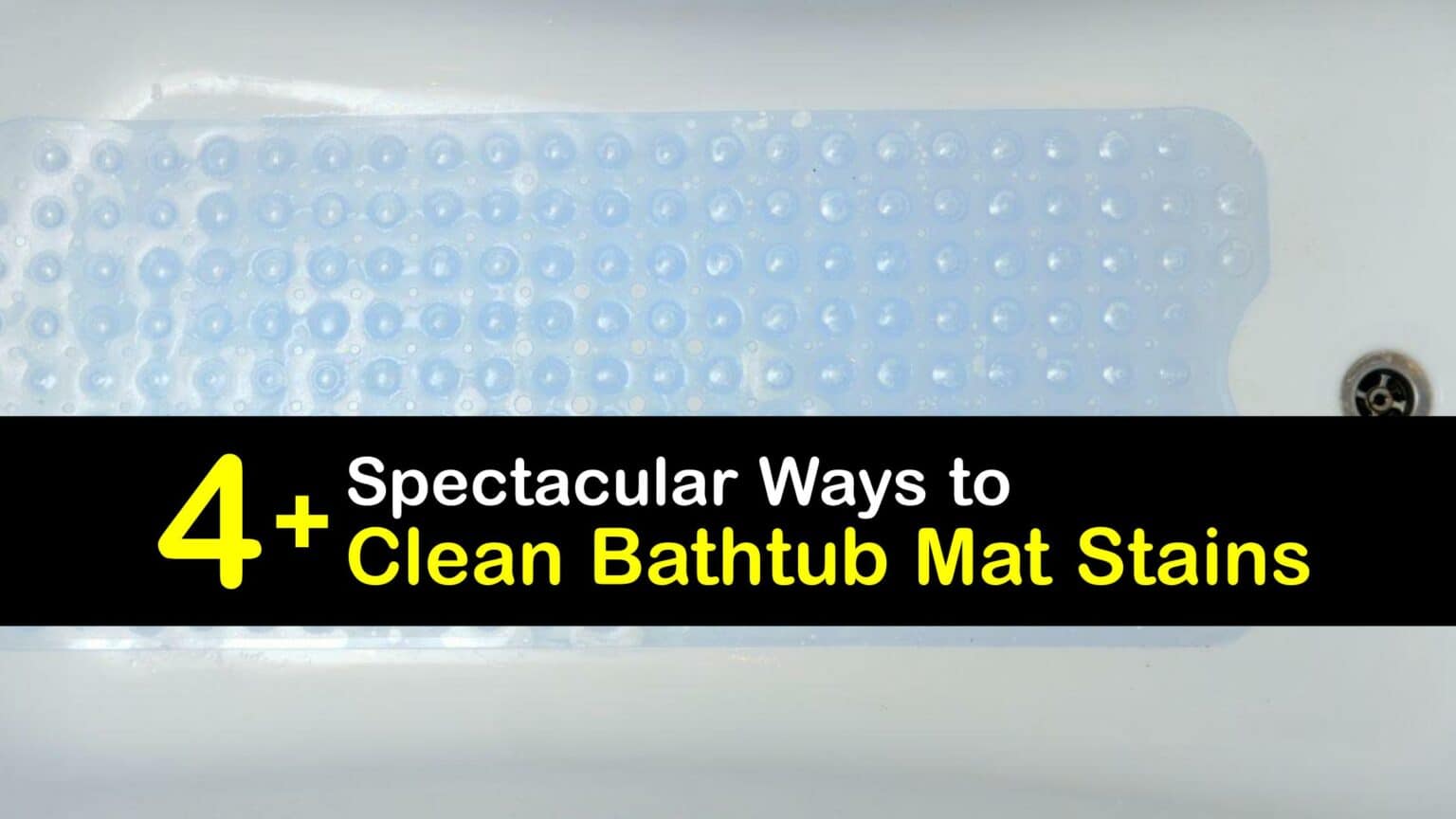
Rubber bath mats need a different cleaning method from fabric mats. Many rubber mats have small holes, grooves, textured surfaces, or suction cups that collect soap and moisture. These areas can hold dirt and develop an unpleasant smell if they are not cleaned often.
Most rubber bathtub mats are best cleaned by hand unless their labels state that machine washing is safe. Hand cleaning lets you reach the underside and small spaces without putting unnecessary stress on the material. It also makes it easier to spot damage that may be causing a persistent rubber odor.
Source: hellamaid.com
Step 1: Remove the Mat From the Tub
Lift the rubber mat carefully from the bathtub or shower floor. If it has suction cups, release them gently instead of pulling hard. This helps prevent stretching or tearing.
Place the mat in a clean sink, bathtub, or large basin. Rinse both sides with lukewarm water to remove loose dirt, hair, and soap.
Step 2: Scrub With Mild Soap
Add a small amount of mild dish soap to a bowl of warm water. Dip a soft cleaning brush or sponge into the solution and scrub the mat. Work across the top, underside, edges, grooves, and suction cups.
Pay special attention to the suction cups. Dirt and soap can collect around their edges, where water may remain trapped after a shower. Use a soft toothbrush to reach tight spaces without scratching the rubber.
Step 3: Rinse Away All Soap
Rinse the mat with clean water until no slippery soap remains. Turn it over and rinse the underside as well. Any leftover cleaner can attract dirt or make the mat feel slippery.
Check the suction cups and textured areas once more. If you still see dirt, repeat the gentle scrubbing process rather than reaching for a harsh chemical.
Step 4: Dry Both Sides
Hang the mat over a drying rack or tub edge where air can reach both sides. If it has suction cups, make sure water is not trapped inside them. Let the mat dry fully before placing it back in the bathtub.
Also wipe the tub or shower floor clean and dry. Putting a freshly washed mat onto a wet, dirty surface can bring back the odor.
What If the Rubber Still Smells?
If the odor remains after washing, inspect the rubber for cracks, sticky patches, peeling, or dark growth. A new rubber mat may have a mild manufacturing smell, but a strong smell that persists or worsens can indicate a material problem.
Do not try to hide a damaged rubber smell with perfume or strong cleaning chemicals. If the rubber is breaking down, replace the mat. A damaged mat may also lose its grip and become unsafe in the tub.
Replace damaged mats
Cracked, sticky, peeling, or crumbling rubber may not be suitable for continued use.
Check for mold
Dark spots and a persistent earthy smell need careful inspection and cleaning, not just fragrance.
How to Remove Odor From a Memory Foam Bath Mat
Memory foam bath mats need gentle care because their thick inner layer can hold water. If the foam stays wet for too long, the mat may develop a musty smell even when the outer fabric seems clean. A rough wash or high-heat drying can also damage the foam and change its shape.
Start by reading the care label. Some memory foam mats allow machine washing, while others require hand washing or spot cleaning. Never assume that a foam mat can handle the same treatment as a thin cotton rug.
Source: tipsbulletin.com
Gentle Cleaning Method
If hand washing is required, fill a basin with cool or lukewarm water and add a small amount of mild detergent. Press the mat gently into the water so the solution reaches the fabric. Avoid twisting, wringing, or aggressively squeezing the foam.
Rinse with clean water until the detergent is gone. Press the mat gently between clean towels to remove excess water. Do not twist the foam to force water out, as this may damage its internal structure.
Lay the mat flat or hang it in a way that supports its shape and allows airflow. Follow the care label for the best drying position. Allow extra time for the foam core to dry completely before use.
Why Memory Foam Mats Stay Smelly
The foam layer can retain water below the surface. Even if the top feels dry, the center may still be damp. This hidden moisture can cause the smell to return shortly after the mat is placed back on the floor.
If the odor remains after careful cleaning and complete drying, the inner foam may have become difficult to clean. A mat with persistent mildew odor, damaged foam, or visible growth may need replacement.
How to Remove Mold and Mildew Smell From a Bath Mat
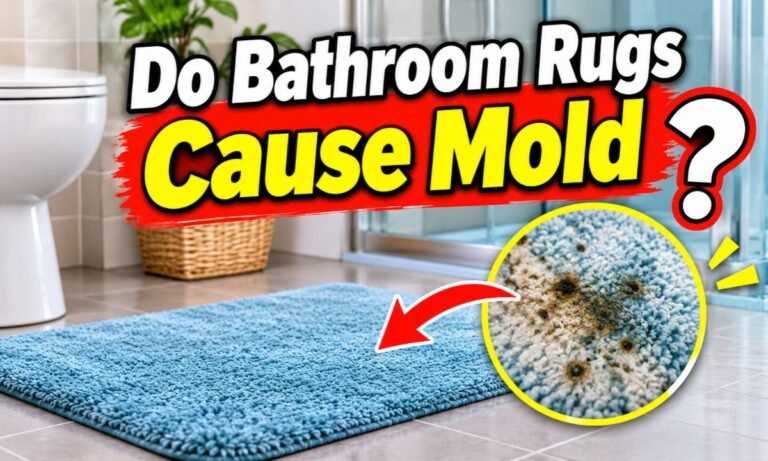
A strong earthy smell, dark spots, or visible fuzzy growth may point to mold or mildew. Do not treat these signs as ordinary dirt. Mold can grow on damp surfaces and inside porous materials, so cleaning the visible area alone may not solve the problem.
For a small amount of growth on a washable mat, first check the care label and decide whether the material can be cleaned safely. Wear gloves, work in a well-ventilated area, and keep children away from the cleaning process. If the mat is heavily affected or the growth has reached its foam or backing, replacing it may be the better option.
The U.S. Centers for Disease Control and Prevention advises cleaning mold from suitable hard surfaces, removing visible growth, and fixing the moisture source. Porous materials that cannot be cleaned and dried fully may need to be discarded. A bath mat with deep mold growth is not always worth trying to save.
Source: i.pinimg.com
What to Do About a Small Affected Area
Remove the mat from the bathroom and inspect it in a well-lit area. If the affected area is small and the material can be cleaned, use a suitable detergent and water method according to the manufacturer’s instructions. Remove visible dirt and growth without spreading it around.
Rinse the mat well if the care label allows it. Dry it completely in a well-ventilated place. Clean and dry the floor underneath before putting the mat back.
Do not assume that killing mold removes every risk. Dead mold can still cause reactions in some people, so visible material must be removed where cleaning is appropriate. If the material cannot be cleaned thoroughly, discard it.
When to Stop Cleaning and Replace the Mat
Replace the mat if mold has spread through thick padding, the backing is crumbling, or the odor remains after proper cleaning and drying. A deeply contaminated mat may not be possible to restore with ordinary household methods.
People with asthma, mold allergies, weakened immune systems, or chronic lung conditions should avoid handling moldy materials when possible. If the affected area is extensive or the bathroom has a larger moisture problem, seek suitable professional help.
Baking Soda and Other Ways to Freshen a Bath Mat
Baking soda is often used to absorb household odors, but it is not a replacement for washing a dirty bath mat. It may help with mild surface odors on some washable materials. The important step is to remove the powder fully and make sure the mat is dry.
Before using baking soda, check the care instructions. Avoid applying it to a material that may be damaged by powder or rubbing. Do not use a large amount on thick foam if you cannot remove it completely.
Source: capturingwonderland.com
How to Use Baking Soda on a Washable Fabric Mat
If the care label allows it, sprinkle a light layer of baking soda over a dry fabric mat. Leave it for about 15 to 30 minutes so it can come into contact with the surface odor. Vacuum the powder carefully using a suitable attachment.
For a washable mat, you may also use a small amount of baking soda in the wash if the fabric and machine instructions permit it. Follow the product and machine directions, and avoid combining several cleaning treatments at once.
After cleaning, rinse if needed and dry the mat fully. If the smell comes from mold or moisture trapped deep inside the mat, baking soda alone will not solve the problem.
Can You Use Essential Oils or Air Fresheners?
Essential oils and room sprays may add a pleasant smell, but they do not remove dirt, mildew, or moisture. Some products can also leave a residue on the mat. This may make the surface less absorbent or slippery.
A clean, neutral-smelling mat is a better goal than one that smells strongly of perfume. Wash the source of the odor, rinse away residue, and improve airflow instead of using fragrance to cover up the problem.
Which Cleaning Method Is Best for Your Bath Mat?
The best odor-removal method depends on the mat’s material, backing, and care instructions. A plain cotton mat is usually easier to wash than a thick memory foam mat. Rubber mats need attention to their suction cups and textured surfaces, while bamboo mats should not be soaked like fabric rugs.
Use the table below to choose a suitable starting point. These are general care suggestions, not a substitute for the manufacturer’s instructions. When the label gives a different method, follow the label.
Source: hellamaid.com
Cotton bath mats
Wash with mild detergent using the permitted machine or hand-wash method. Dry fully before use.
Microfiber bath mats
Use a gentle wash and avoid fabric softener. Air dry or use only the dryer setting allowed by the label.
Rubber-backed bath mats
Use a gentle cleaning method suitable for the fabric and backing. Avoid high heat and inspect the rubber for damage.
Memory foam bath mats
Use gentle hand washing or machine washing only if allowed. Avoid twisting and high heat.
Rubber bathtub mats
Scrub both sides with mild soap and water. Clean around suction cups and dry completely.
Bamboo bath mats
Wipe with a damp cloth and mild cleaner. Do not soak or leave standing water on the wood.
A Quick Comparison of Cleaning Methods
A washable fabric mat can usually be cleaned with detergent and water. Vinegar or baking soda may be useful as an occasional extra treatment if the manufacturer permits them. A rubber or foam mat needs more care because its backing or inner layer may be damaged by soaking, heat, or harsh chemicals.
If you are unsure what the mat is made of, look for a product label, packaging details, or the manufacturer’s care page. Avoid testing a strong cleaner on the whole mat. A small hidden area is a better place to check whether an approved cleaner affects the material.
How to Keep Your Bath Mat From Smelling Again
The best way to prevent bath mat odor is to stop moisture from staying trapped in the mat. Washing removes existing dirt and residue, but good drying habits help prevent the same problem from returning. A few small changes after each shower can make a real difference.
You do not need a complicated cleaning routine. Give the mat enough space to dry, keep the floor underneath clean, and wash it at a suitable interval. Adjust the routine if your bathroom has poor ventilation or several people use the same mat each day.
Source: tipsbulletin.com
Hang the Mat After Every Shower
Do not leave a wet mat flat on the bathroom floor. Hang it over a drying rack, tub edge, or suitable rail so air can reach both sides. If the mat has a rubber backing, make sure the underside is exposed to airflow.
Avoid folding a wet mat or leaving it in a pile with damp towels. These habits slow drying and can create a place where unpleasant smells return.
Improve Bathroom Airflow
Run the bathroom exhaust fan during a shower and afterward, following the fan’s instructions. If you do not have an exhaust fan, open a window or door when conditions allow. Moving humid air out of the room helps the mat and other bathroom surfaces dry faster.
In a humid home, a small fan or dehumidifier may help reduce dampness. Keep electrical devices away from water and use them according to their safety instructions.
Wash the Mat Regularly
For a mat used every day, washing about once a week is a practical starting point if its care label allows it. A busy family bathroom may need more frequent cleaning. A guest bathroom used less often may need a different schedule.
Do not wait until the mat smells bad. Wash it sooner if it becomes visibly dirty, feels sticky, stays damp, or develops an unpleasant odor. Regular care is easier than trying to remove a deep smell later.
Clean the Floor Underneath
Lift the mat regularly and wipe the floor beneath it. Dust, soap residue, hair, and moisture can collect in this hidden area. If the floor is wet when you put the mat back, the underside may become damp again.
Make sure the floor is fully dry before returning the mat. This is especially useful for bathrooms with tile or vinyl floors, where water can remain around the edges.
Keep a Spare Bath Mat
A spare mat gives the first one enough time to dry after washing. You can switch them without placing a damp mat back on the floor. This is useful for households where several people shower each day.
Store the clean spare in a dry, well-ventilated closet. Do not put it away while damp or store it in a sealed plastic bag after washing.
Common Mistakes That Make Bath Mat Odors Worse
Some cleaning habits can make a bath mat smell worse or shorten its useful life. Using more chemicals does not always produce a cleaner result. In many cases, a simple wash followed by complete drying works better than several strong treatments.
Source: howtocleaneasily.com
Using too much detergent
Excess detergent may leave a film in the fibers. Use the amount recommended for the load and rinse well.
Adding fabric softener
Softener can coat the fibers and reduce water absorption. Skip it unless the mat manufacturer specifically recommends it.
Putting a wet mat back on the floor
This traps moisture underneath and can cause the musty smell to return. Wait until both sides are dry.
Using high heat without checking the label
Heat can damage rubber backing, foam padding, glue, and some synthetic fibers. Follow the drying instructions.
Mixing cleaning chemicals
Never mix bleach with vinegar, ammonia, or other household cleaners. Dangerous fumes can form.
Using fragrance to cover the odor
Air fresheners do not remove the dirt, residue, or moisture causing the smell. Clean the mat instead.
Ignoring a damaged backing
Cracked or crumbling backing may hold dirt and create a safety risk. Replace the mat if the backing is no longer sound.
Why You Should Not Mix Vinegar and Bleach
Mixing vinegar and chlorine bleach can release toxic chlorine gas. This can irritate the eyes and airways and cause serious harm. Never combine them in a bucket, washing machine, spray bottle, or on the same wet surface.
If you use one cleaner and later need another, rinse the mat and cleaning area thoroughly first. Follow the labels and allow the area to ventilate. When in doubt, use a simple detergent-and-water method.
When Should You Replace a Smelly Bath Mat?
Sometimes cleaning is no longer enough. A bath mat that has deep mold growth, damaged backing, or a persistent smell may be better replaced. Continuing to wash a deteriorating mat can waste time without solving the problem.
Pay attention to changes in texture and grip. A rubber backing that flakes or peels may leave pieces on the floor or washing machine. A mat that no longer stays in place can also create a slip hazard.
Source: i.ytimg.com
The smell returns quickly
If a strong musty smell comes back soon after proper cleaning and complete drying, moisture or growth may remain deep inside.
The backing is crumbling
Loose rubber or latex pieces show that the mat is breaking down and may no longer be safe to use.
Mold has spread into the padding
Deep growth in porous foam or thick padding may be difficult to remove completely.
The mat has lost its grip
A damaged or worn non-slip surface can make the mat unsafe in a bathtub or shower.
The material has become sticky or brittle
These changes may indicate that the backing has deteriorated beyond ordinary cleaning.
How to Choose a Replacement Mat
Look for a mat that suits your bathroom, floor type, and cleaning routine. A thin fabric mat may dry faster than a thick, heavily padded one. A machine-washable mat can also make regular cleaning easier.
If you choose a rubber-backed mat, check its washing and drying instructions before buying. For a bathtub, select a mat designed for wet use with a suitable non-slip surface. Replace it when the backing wears out rather than relying on a damaged mat.
Frequently Asked Questions
Q
Why does my bath mat smell even after washing?
A bath mat may still smell after washing because moisture, soap residue, or mildew remains trapped in its backing or inner layers. A washing machine may clean the fabric surface without reaching every part of a thick mat. Inspect the underside, check for damaged backing, and make sure the mat dries completely before using it again.
If the smell returns quickly after a proper wash and full drying, the mat may need replacement.
Q
Can I use white vinegar to remove bath mat odor?
Yes, white vinegar may help reduce some odors and loosen residue on washable materials that tolerate acidic cleaners. A diluted mixture of one part white vinegar and four parts water can be used as a short soak when the care label permits it.
Rinse the mat thoroughly afterward and dry it fully. Never mix vinegar with chlorine bleach or other cleaning products.
Q
Can I put baking soda on a smelly bath mat?
Baking soda may help with mild surface odors on suitable dry fabric mats. Sprinkle a light layer over the surface, let it sit briefly, and vacuum it away completely. You can also use a small amount in the wash if the care label and washing machine instructions allow it.
Baking soda will not fix deep mold growth or a wet foam core. Wash and dry the mat properly to address the source of the odor.
Q
How often should I wash my bath mat?
A bath mat used every day can generally be washed about once a week if the care label allows it. Wash it sooner if it becomes dirty, smells musty, or stays damp for long periods.
Homes with several people sharing one bathroom may need more frequent washing. The mat should also be hung up after each shower so both sides can dry.
Q
How do I remove a musty smell from a rubber bath mat?
Remove the rubber mat and scrub both sides with warm water and mild dish soap. Use a soft brush to clean the grooves, edges, and suction cups. Rinse away all soap and hang the mat where air can reach both sides.
If the rubber remains strongly smelly, sticky, cracked, or discolored after cleaning, consider replacing it. These signs may indicate that the material is breaking down.
Q
Can I use bleach to remove odor from a bath mat?
Do not use chlorine bleach unless the mat’s manufacturer specifically permits it. Bleach may damage colored fibers, rubber backing, foam, or other materials. A mild detergent wash is a better starting point for most bath mats.
Never mix bleach with vinegar, ammonia, or other cleaners. Follow the product label and work in a well-ventilated area.
Q
Why does my bath mat smell worse when it gets wet?
Water can reactivate odors from soap residue, body oils, and damp material trapped inside the mat. A mat may smell less when dry but release a stronger musty odor after a shower.
Wash it using a suitable method, inspect the backing, and allow it to dry completely. If the odor continues, the inner material may be too contaminated or damaged to clean effectively.
Q
Can sunlight help remove bath mat odor?
Sunlight and outdoor airflow can help a suitable bath mat dry faster. Faster drying reduces the time moisture remains trapped in the material. However, direct sunlight may fade colors or damage some synthetic materials and rubber backing.
Check the care label before leaving the mat outdoors. Choose a shaded, well-ventilated place if direct sun is not recommended.
Q
Should I put a rubber-backed bath mat in the dryer?
Most rubber-backed bath mats are better air-dried unless their manufacturers specifically approve a dryer setting. High heat can weaken, crack, or damage the backing.
Hang the mat over a drying rack and expose both sides to airflow. Make sure the underside is fully dry before returning it to the floor.
Q
Is a bad-smelling bath mat unsafe to use?
A bad smell does not always mean a bath mat is dangerous, but it can signal trapped moisture, residue, or mold. Visible growth, deep musty odors, and damaged materials deserve attention.
Remove the mat from use while you inspect and clean it. Replace it if it has deep mold growth, deteriorating backing, or an odor that remains after proper cleaning.
✦ Wrapping Up
Conclusion
A smelly bath mat does not always need to be thrown away. In many cases, a proper wash with mild detergent, a suitable odor treatment, and complete drying can make it fresh again. The key is to choose a cleaning method that matches the mat’s material and backing.
Do not overlook the underside. Rubber backing, foam padding, suction cups, and damp flooring can all hold moisture and dirt. If the smell keeps returning or the mat shows signs of mold and material damage, replacing it may be the better choice.
Good daily habits can prevent most odor problems. Hang your mat after showers, keep the bathroom well ventilated, wash it regularly, and let it dry fully before putting it back on the floor. These small steps help keep your bathroom cleaner and your bath mat ready for everyday use.
💡 Key Takeaway
Start by checking your bath mat’s care label and backing. Wash it with a suitable mild cleaner, rinse it well, inspect both sides, and hang it until completely dry. Keep it off the wet floor between showers to help prevent the odor from returning.