No, you should not use an ordinary bathroom rug inside a shower. Regular rugs are not made for constant water exposure and may become slippery, heavy, and difficult to keep clean. Use a shower mat designed for wet surfaces instead.
In American homes, bathroom rugs often sit beside a bathtub, outside a walk-in shower, or in front of a bathroom vanity. They make cold tile floors feel warmer and help soak up water after a shower. However, placing one inside the shower is a different matter because it faces running water, soap, shampoo, and constant foot movement.
A regular bathroom rug is not the same as a shower mat. A soft cotton, chenille, microfiber, or memory foam rug may feel great under dry feet, but it can lose its grip when soaked. Some rugs also have backings that can break down or hold moisture. For a safer shower, choose a mat made for direct contact with water, with a suitable non-slip design and clear care instructions.
Source: sundayflat.com
Why You Should Not Use a Regular Bathroom Rug in the Shower
A regular bathroom rug is made mainly for comfort, decoration, and absorbing water from wet feet. It is not normally built to sit under running shower water. When it becomes fully soaked, its fibers and backing may behave very differently from how they do on a dry bathroom floor.
The biggest concern is slipping. Water and soap can collect between the rug and shower floor. The rug may move when you step on it, bunch up, or fold at the edges. A small movement can cause a sudden loss of balance.
Another problem is moisture retention. Thick rugs can hold a large amount of water inside their fibers and backing. If they stay wet between showers, they may develop a musty smell and become harder to keep clean.
The safest approach is to use each bathroom textile for its intended purpose. Keep a regular rug outside the shower and use a product specifically made for the wet shower surface.
Source: miracledreamhomes.com
Poor grip
A fabric rug may not have a base designed to stay fixed to a wet shower floor. Its backing can slide when exposed to water and soap.
Slow drying
Thick cotton, chenille, and memory foam can hold moisture. This may leave the rug damp long after the shower ends.
Mold and mildew concerns
A rug that stays wet and has poor airflow can develop mold or mildew. The risk is greater when water remains trapped underneath.
Material damage
Some rug backings can weaken, crack, peel, or lose their shape after repeated exposure to water.
Can a Thick Bathroom Rug Become a Slip Hazard?
Yes. A thick bathroom rug can become a slip hazard when it gets soaked. Its soft pile may flatten, and the bottom may lose contact with the shower floor. If the rug moves while you turn or step, it can make your footing less stable.
This matters even more for older adults, children, and people with limited balance. A loose rug is not a reliable way to prevent falls. Choose a suitable shower mat or another bathroom safety option instead.
Watch the edges
Raised or curled edges can catch your toes and make it easier to trip.
Check the underside
A backing that feels loose, slimy, or damaged should not be trusted on a wet surface.
Bathroom Rug vs. Shower Mat: What Is the Difference?
A bathroom rug and a shower mat may look similar, but they have different jobs. A bathroom rug is usually made to absorb water from your feet after bathing. A shower mat is made for use on the wet surface where you stand while bathing.
A bathroom rug often uses soft fabric, a padded center, or decorative fibers. Its backing may be made from rubber, latex, or another material. However, a non-slip backing for a dry bathroom floor does not automatically make a rug safe for use inside a shower.
A shower mat is usually made from rubber, silicone, or another material designed for wet conditions. Some models use suction cups to attach to smooth surfaces. Others rely on a textured surface or a different grip design.
The product label matters more than its name. Some items sold as bath mats are designed for the floor outside the tub, while others are made for use inside a bathtub or shower. Always check the intended location before buying or using one.
Source: soulandlane.com
Bathroom rug
Best for the vanity, shower exit, or another dry area. It adds comfort and absorbs water from your feet.
Outside bath mat
Designed to sit outside the tub or shower. It should have a suitable non-slip backing for the bathroom floor.
Inside shower mat
Designed for direct water exposure. Look for wet-area grip, suitable drainage, and clear cleaning instructions.
Can You Use a Non-Slip Bathroom Rug in the Shower?
Not automatically. The words non-slip on a bathroom rug usually refer to its ability to stay in place on a bathroom floor. They do not prove that the rug will remain secure under running water.
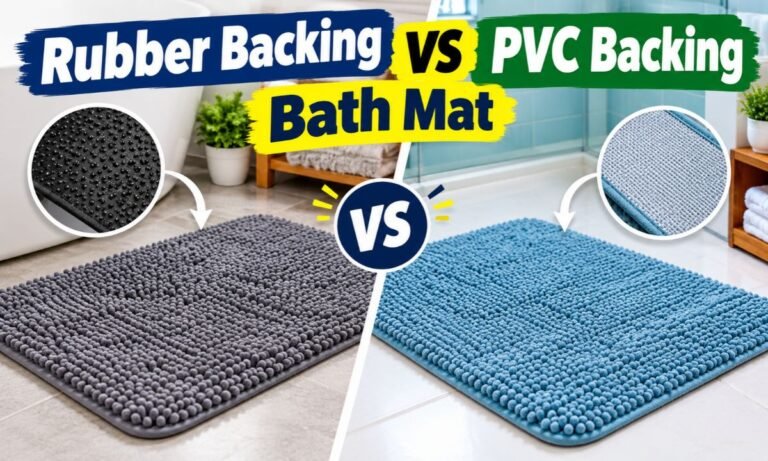
A rubber-backed rug may grip dry tile but slide on a soapy shower base. Its backing may also trap water underneath. Only use a product inside the shower when the manufacturer clearly states that it is designed for that purpose.
Read the product label
Look for clear instructions that identify the item as suitable for use inside a shower or bathtub.
Check the surface requirements
Confirm whether the product needs smooth tile, acrylic, porcelain, or another specific surface.
Do not rely on appearance
A rubber bottom or textured top does not prove that a decorative rug is safe for wet use.
What Type of Mat Should You Use Inside a Shower?
Choose a shower mat that is made for wet surfaces, stays in place when installed as directed, and can be cleaned and dried with ease. Rubber and silicone are common materials, but the material alone does not guarantee good grip.
Look for a textured top that gives your feet a firm surface. A design with drainage holes or channels can help water move through the mat rather than collect on top. The bottom should also match the type of shower floor you have.
Some mats use suction cups to attach to smooth shower bases. These can be useful, but they do not work well on every surface. A textured, uneven, or heavily patterned shower floor may prevent the cups from forming a secure hold.
If your shower has a textured base, check the mat manufacturer’s instructions before buying a suction-cup model. A mat that cannot attach properly may move under your feet. Do not assume that pressing it harder will solve an unsuitable surface problem.
Source: casolia.com
Rubber shower mats
These are common wet-area mats. Look for a product specifically designed for shower use, with a textured top and suitable underside.
Silicone shower mats
Silicone models can be flexible and easy to rinse. Check their grip design and compatibility with your shower surface.
Textured shower mats
A textured top can help provide a better foot surface. The texture should be comfortable and easy to clean.
Non-suction shower mats
Some models use other grip designs. Follow the manufacturer’s surface and installation requirements instead of assuming they fit every shower.
Are Suction Cups Necessary for a Shower Mat?
No. Suction cups are one way to hold a shower mat in place, but they are not the only design. Some products use other forms of grip that may be more suitable for certain shower surfaces.
If you choose a suction-cup mat, the shower floor must be suitable for the cups. Clean the surface first, follow the installation directions, and press the mat down as instructed. Check that it stays firmly attached before stepping onto it.
Never use a mat with suction cups if they cannot hold securely. A mat that looks attached but lifts when you pull an edge is not ready for use.
Smooth surfaces
Many suction-cup mats are designed for smooth acrylic, porcelain, or similar shower bases.
Textured surfaces
Small gaps and raised patterns may prevent the cups from sealing against the floor.
Regular inspection
Check for loose cups, damaged areas, curled edges, and soap buildup before each use.
What Happens If You Put a Regular Rug Inside the Shower?
A regular rug can develop several problems when it stays in a wet shower. The exact result depends on its fibers, backing, thickness, and how often it dries fully. Still, most decorative and comfort-focused rugs are not designed for this type of use.
The first problem may be water buildup. A thick rug can soak up water and become heavy. Water can also collect below it, where you may not notice it during normal cleaning.
The second problem is poor hygiene. Damp fabric and trapped dirt can create conditions that support mildew and unpleasant odors. Soap residue may also build up in the fibers and underneath the rug.
The third problem is damage. Repeated soaking may affect glued layers, rubber backing, foam padding, and decorative finishes. A rug that once looked flat and secure may begin to curl or break apart.
Source: ar.inspiredpencil.com
Musty odor
A persistent damp smell may mean that the rug or the surface below it is not drying fully.
Dark spots
Unusual spots may indicate dirt buildup or possible mold growth. Inspect both sides and the shower floor.
Loose backing
Peeling or cracked backing can make the rug unstable and may leave residue on the floor.
Heavy fibers
A rug that remains soaked long after use may be too thick or absorbent for a wet shower area.
Can a Bathroom Rug Grow Mold Inside a Shower?
Yes. A bathroom rug can develop mold or mildew if moisture stays trapped in its fibers or underneath its backing. Warm, damp conditions and poor airflow can make drying more difficult.
The risk is not limited to the rug itself. Water trapped below it can affect the shower surface and nearby grout. If you notice a persistent musty smell or visible growth, stop using the rug in that area and clean the affected surfaces according to their care instructions.
Do not place a damp rug back on the floor and assume it will dry on its own. Hang it in a well-ventilated place and allow both sides to dry fully. If it has widespread mold, damaged backing, or a smell that remains after proper cleaning, replace it.
Remove trapped moisture
Lift the item and check the floor beneath it after use.
Improve airflow
Use bathroom ventilation and leave enough space around drying items.
Clean regularly
Wash or rinse the item according to its care label and the manufacturer’s instructions.
How to Use and Maintain a Shower Mat Safely
A shower mat needs the right setup and regular care to work as intended. Even a product made for wet areas can become less reliable if soap, dirt, or damage affects its surface or grip.
Before using a new mat, read its instructions. Check the recommended shower surface, cleaning method, and drying needs. Make sure the mat fits the shower without creating a raised edge or blocking normal drainage.
The following steps provide a useful routine for a removable shower mat. Always follow the specific manufacturer’s directions if they differ.
Source: theglitzypear.com
What you need
A shower mat approved for your shower surface, mild cleaning supplies recommended by the manufacturer, and a suitable place to dry the mat.
Before starting
Make sure the shower floor is clean and the mat has no tears, curled edges, loose sections, or damaged grip areas.
Step 1: Clean the Shower Floor
Remove soap film, shampoo residue, dirt, and other buildup from the shower base. These materials can affect how well a mat grips the surface.
Rinse away cleaning products and let the floor reach the condition required by the mat manufacturer before installation. Do not place the mat over a slippery layer of soap or cleaner.
Check for residue
Run your hand over the cleaned surface when safe to do so. It should not feel coated with soap or cleaner.
Step 2: Place the Mat Correctly
Position the mat according to its instructions. If it uses suction cups, attach them to a compatible surface as directed. Press the mat down firmly where required and inspect the full underside.
Avoid folds
Make sure the mat lies flat and does not overlap itself.
Check the edges
All edges should sit as intended without curling or lifting.
Step 3: Test the Mat Before Showering
Before using the shower, check that the mat stays in place when you gently test it by hand. Follow the product instructions for checking its grip. Do not step onto it if it shifts, lifts, or feels unstable.
Secure hold
The mat should remain in its intended position during the manufacturer’s recommended check.
No loose areas
There should be no lifted sections, damaged suction cups, or raised edges.
Step 4: Remove and Dry the Mat After Use
After showering, remove the mat if its instructions call for removal. Rinse away soap and hair, then hang it or place it in the recommended drying position. Allow water to drain and air to reach both sides.
Do not leave a removable mat pressed against a wet shower floor for long periods unless its manufacturer specifically recommends that storage method.
Dry both sides
The underside needs airflow too. This helps prevent trapped moisture.
Keep the shower clean
Remove soap residue and dirt from the floor before putting the mat back.
Step 5: Inspect It Regularly
Look over the mat during routine bathroom cleaning. Check its top surface, underside, edges, and grip features. Replace it if it no longer holds as intended or shows damage that affects safe use.
Signs of success
The mat lies flat, stays secure as designed, drains properly, and dries between uses.
When something fails
Stop using a mat that slides, curls, cracks, or cannot be cleaned properly. Check the shower surface and replace the mat with a compatible model.
Can You Put a Bathroom Rug Outside the Shower?
Yes. Outside the shower is the right place for most bathroom rugs. A soft, absorbent rug can give you a comfortable spot to step onto after bathing and help catch water before it spreads across the bathroom floor.
The best location is usually just outside the shower entrance, where you can step onto the rug without having to walk across wet tile. Keep enough space for the shower door to open and close without catching the rug.
A bathroom rug should have a suitable backing for your floor type. It must lie flat and stay in place. If the floor becomes wet beneath it, lift the rug and dry the area rather than leaving moisture trapped underneath.
You can also place a decorative rug near the vanity or along a dry walking path. Keep larger, thick rugs away from areas that receive frequent splashes.
Source: casolia.com
Outside the shower door
Use a washable, absorbent bath mat that provides a stable place to step after bathing.
In front of the vanity
A soft rug can make standing at the sink more comfortable, provided it stays dry and flat.
Along a bathroom walkway
A low-pile rug can add comfort in a larger bathroom, as long as it does not create a trip hazard.
Near the bathtub
Place an absorbent mat where you step out, but keep it outside the tub and away from standing water.
How Far Should a Bathroom Rug Be From the Shower?
There is no single distance that works for every bathroom. The right position depends on your shower entrance, door swing, water splash area, and floor layout.
Place the rug close enough to catch water from your feet, but far enough that it does not sit under the shower door or receive constant direct spray. If the rug gets soaked after every shower, move it farther away or choose a smaller, more suitable bath mat.
The goal is to keep the walking area dry and stable. A rug that stays damp all day is not serving that purpose well.
Check the door
Make sure the shower door does not catch, push, or fold the rug.
Check splash exposure
Move the rug if repeated splashes soak it during normal showers.
Which Bathroom Rug Materials Are Best for Wet Areas?
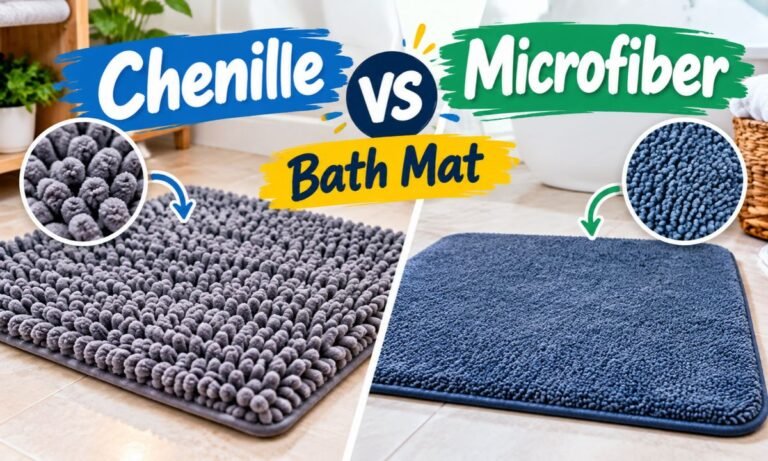
For the area outside a shower, choose a rug that absorbs water, dries within a reasonable time, and can be cleaned according to its care label. Cotton and microfiber are common choices, while chenille offers a soft feel. None of these materials should be treated as an automatic substitute for an inside-shower mat.
Material choice also affects how much care the rug needs. Thick, plush designs can feel comfortable but may take longer to dry. Thin, low-pile designs often allow more airflow and can be easier to handle in a small bathroom.
The backing deserves just as much attention as the top fabric. Some rubber or latex backings may not be suitable for every floor finish. Follow the rug and flooring manufacturers’ instructions to avoid staining, discoloration, or damage.
Source: soulandlane.com
Cotton
Cotton is absorbent and washable when the care label allows it. It can take longer to dry than thinner materials.
Microfiber
Microfiber can absorb water and feel soft underfoot. Check its backing and washing instructions before use.
Chenille
Chenille has a soft, textured surface that feels comfortable outside the shower. Its thicker fibers may retain moisture.
Memory foam
Memory foam provides cushioning near a vanity or shower exit. It is not a suitable material for use inside a shower unless the exact product is expressly designed for that purpose.
Bamboo or teak
A slatted bath mat can allow water to drain through, depending on its design. It still needs a stable base, proper placement, and regular cleaning.
Rubber and silicone
These materials are common in shower mats. Check the exact product’s intended use and compatibility with your shower floor.
Is Memory Foam Safe Inside a Shower?
No, a typical memory foam bathroom rug should not go inside a shower. The foam can absorb or hold moisture, and its construction is usually intended for comfort on a bathroom floor rather than direct exposure to running water.
Repeated soaking can affect the foam and its backing. The item may also take too long to dry. Keep memory foam rugs outside the shower, where they can provide cushioning without constant water exposure.
Use it in a dry area
Place a memory foam rug near a vanity or another area that does not receive direct shower spray.
Follow cleaning directions
Some memory foam mats require hand washing or special drying methods. Never assume that every model is machine washable.
Bathroom Rug and Shower Mat Safety for Older Adults and Children
Bathroom safety needs extra care when older adults, young children, or people with balance and mobility problems use the shower. Wet tile, soap residue, loose rugs, and unstable mats can all make movement more difficult.
For older adults, keep loose floor coverings out of walking paths. A regular bathroom rug can shift when someone steps on its edge, so a suitable non-skid mat outside the shower is a better option. Inside the shower, use a product designed for that location and compatible with the floor.
A shower mat is only one part of fall prevention. A properly installed grab bar, suitable shower seat, good lighting, and clear access can also help. Do not use a towel rack as a grab bar because it is not designed to support body weight.
Children also need close supervision around water. A non-slip mat does not make a bathtub or shower risk-free. Never leave a young child alone in the bathroom while water is running or standing in a tub.
Source: miracledreamhomes.com
Remove loose rugs
Keep walking paths clear, especially for anyone who has trouble lifting their feet or maintaining balance.
Install proper grab bars
Use securely mounted grab bars rather than towel rails, suction cup handles, or other items not designed to support body weight.
Consider a shower seat
A suitable shower chair or bench may help people who cannot stand comfortably for long periods.
Supervise children
Stay within reach and actively supervise young children during bathing. A mat does not prevent drowning or eliminate fall risks.
What If You Have a Textured Shower Floor?
A textured shower floor may not work with every suction-cup mat. The raised pattern can leave gaps that stop the cups from forming a firm seal. A mat that lifts or shifts should not be used.
Check the shower floor manufacturer’s instructions and the mat’s compatibility information. If a removable mat is unsuitable, consider an approved alternative such as a professionally installed anti-slip surface or another product recommended for that shower base.
If a person in your home has a high fall risk, ask a qualified occupational therapist or bathroom safety professional to assess the setup. A simple rug or mat may not provide enough support.
Do not force suction cups
A textured surface may prevent a secure seal even when you press down firmly.
Check product compatibility
Use only a mat approved for the actual shower surface.
Common Mistakes to Avoid When Using Bathroom Rugs and Shower Mats
Many bathroom mat problems come from using the wrong item in the wrong place or skipping routine care. A product can look clean and still have soap buildup underneath or a damaged backing that affects its grip.
Avoid choosing a mat based only on its color, softness, or price. Its intended use, floor compatibility, and care requirements matter more. A decorative rug should not be used as a safety product simply because it has a rubber bottom.
Source: ar.inspiredpencil.com
Using a regular rug inside the shower
A decorative rug may slide, hold water, and become difficult to dry. Use a shower mat designed for wet conditions.
Ignoring the product instructions
A mat may require a specific floor type or installation method. Read the label before use.
Leaving the mat in place all the time
Some removable mats need to be lifted and dried after each shower. Follow the care directions to prevent moisture buildup.
Ignoring soap buildup
Soap, shampoo, and body oils can collect on the mat and reduce its intended grip. Clean both sides as directed.
Using a damaged mat
Cracks, peeling, loose suction cups, and curled edges are reasons to stop using the product.
Drying a rug with too much heat
High heat can damage certain backings and foam materials. Follow the care label and use air drying when the instructions recommend it.
Placing a rug over a wet floor
Water trapped beneath a rug can cause odor, floor damage, and additional slipping risks. Dry the floor before putting the rug back.
When Should You Replace a Shower Mat?
Replace a shower mat when it no longer stays secure, has visible damage, or cannot be cleaned properly. Do not wait for it to fall apart completely. A worn mat may not provide the grip it was designed to offer.
There is no single replacement schedule that applies to every shower mat. How long it lasts depends on the material, water exposure, cleaning routine, product quality, and frequency of use.
Loose suction cups
Replace the mat if its suction cups no longer attach securely to a compatible surface.
Cracks and tears
Damaged material can affect stability and make cleaning harder.
Persistent odor
A smell that remains after proper cleaning and drying may indicate trapped buildup.
Peeling or curled edges
Raised areas can catch feet and create a tripping or slipping risk.
How to Choose the Right Bathroom Rug and Shower Mat
The right choice depends on where you want to use the item. A mat inside the shower needs wet-area suitability and a secure design. A rug outside the shower needs good absorption, a suitable floor backing, and easy care.
Before buying, measure the available space and check the surface material. A large mat may cover too much of a small shower floor, while a small mat may leave areas uncovered. The product should fit without blocking drainage or creating raised edges.
Also consider who will use the bathroom. A shared family bathroom may need a washable, quick-drying mat. A bathroom used by someone with limited mobility may need a more complete safety plan rather than relying on a single mat.
Source: soulandlane.com
Intended use
Confirm whether the item is designed for inside the shower, outside the shower, or a dry vanity area.
Floor compatibility
Check whether the backing or suction cups work with your actual floor or shower base.
Drainage
Choose a design that does not block normal water flow or allow large pools of water to collect.
Cleaning
Look for clear washing and drying instructions that fit your normal cleaning routine.
Size and shape
Measure the shower or bathroom floor before buying. Make sure the item does not interfere with doors or walking paths.
Condition and durability
Inspect the material and backing. Avoid items that already have loose parts, damage, or curled edges.
A Simple Bathroom Mat Decision Table
Use this table to match each item to its intended location. It helps prevent a common mistake: buying one soft rug and expecting it to work both as bathroom decor and as a wet-area safety mat.
Inside the shower
Choose a shower mat specifically designed for wet use, with a suitable grip system and compatible surface.
Outside the shower
Choose an absorbent bath mat with a backing suitable for your bathroom floor.
Near the vanity
Choose a comfortable, washable rug that does not slide or stay damp.
Large bathroom walkway
Choose a flat, stable rug that does not block doors or create a trip hazard.
Frequently Asked Questions
Q
Can I put a regular bath mat inside my shower?
No, not unless the manufacturer clearly states that the specific mat is suitable for inside-shower use. Many bath mats are designed for the floor outside the shower. A regular fabric mat can become soaked, slippery, and difficult to dry. Choose a wet-area shower mat instead.
Q
Can I use a rubber-backed bathroom rug inside the shower?
A rubber backing alone does not make a bathroom rug suitable for shower use. It may be designed to grip dry bathroom flooring rather than a wet shower base. Check the manufacturer’s instructions and use the rug inside the shower only if the exact product is approved for that purpose.
Q
Can I use a cotton bathroom rug in the shower?
A typical cotton bathroom rug should not be used inside a shower. Cotton absorbs water, but a thick rug can stay wet for a long time and may slide on a wet surface. Keep it outside the shower where it can absorb water from your feet after bathing.
Q
Should a shower mat stay inside the shower all day?
That depends on the product’s design and care instructions. Many removable shower mats should be lifted, rinsed, and hung to dry after use. Leaving a wet mat pressed against the shower floor can trap moisture and allow soap residue to build up.
Q
Can I use a bathroom rug in a walk-in shower?
You should not use an ordinary bathroom rug in a walk-in shower. A walk-in shower still has a wet floor, and fabric rugs are not automatically designed for that environment. Use a suitable shower mat or an approved anti-slip surface that works with the shower’s floor material.
Q
Can a shower mat damage a shower floor?
A mat may cause problems if its material is incompatible with the shower surface or if dirt and moisture remain trapped underneath. Follow the manufacturer’s care instructions, clean beneath removable mats, and inspect the floor for residue or discoloration. Check compatibility before using a new product.
Q
How often should I clean a shower mat?
Clean it according to the manufacturer’s instructions and how often the shower is used. Rinse away soap and hair regularly, and clean both sides to remove buildup. A mat used every day may need more frequent cleaning than one in a guest bathroom. Always allow it to dry properly.
Q
Can I use a shower mat on a textured shower floor?
Only if the mat manufacturer confirms that it works on that type of surface. Suction cups may not attach properly to textured or uneven shower bases. If the mat moves or lifts during installation checks, do not use it. Look for an approved alternative.
✦ Wrapping Up
Conclusion
So, can you use a bathroom rug in the shower? In most cases, no. A regular bathroom rug is made for comfort and water absorption outside the shower, not for standing on under running water. It may become slippery, hold moisture, develop odors, or suffer damage after repeated soaking.
A shower mat designed for wet surfaces is the better choice. Check its grip, material, drainage, floor compatibility, and cleaning instructions before using it. Remove and dry it when required, and replace it if it becomes damaged or no longer stays secure.
You can still enjoy a soft and stylish bathroom rug. Place it outside the shower, where it can absorb water from your feet and make the floor more comfortable. Using a separate rug and shower mat gives each item a clear job and helps keep your bathroom cleaner and safer.
💡 Key Takeaway
Check the label on your current bathroom rug. If it is not specifically approved for inside-shower use, keep it outside the shower and choose a compatible wet-area shower mat instead.