Yes, bathroom rugs can support mold growth when they stay damp, trap moisture, or sit on a wet floor. Regular washing, fast drying, and good airflow help prevent this problem.
In American homes, bathroom rugs help keep feet warm, catch drips from the shower, and protect floors from splashes. They are useful on cold tile floors in winter and in busy family bathrooms where several people shower each day. However, a rug that stays wet between showers can become a place where mold and mildew grow.
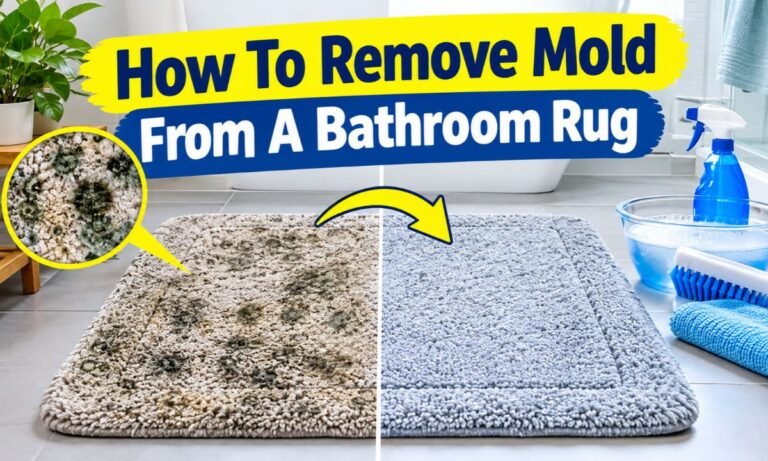
The main issue is not the rug itself. Mold needs moisture, and a damp rug can hold water against its fibers, backing, and the floor beneath it. Poor ventilation, a leaking toilet, wet towels, and a rug that never dries can make the problem worse.
You do not need to throw away every bathroom rug to keep mold away. Choose a rug that suits your bathroom, wash it as directed, lift it to dry, and keep the floor beneath it clean and dry. If you already notice a musty smell, dark spots, or a damp patch under the rug, check the source of the moisture before putting it back.
Source: runpee.com
Why Can Bathroom Rugs Grow Mold?
Bathroom rugs can grow mold because they often collect water in a warm room with limited airflow. Each shower adds moisture to the air and sends water onto nearby surfaces. When a rug absorbs that water, its fibers and backing may stay damp long after the visible floor looks dry.
Mold is a type of fungus that grows by spreading tiny particles called spores. These spores occur naturally in indoor and outdoor air. They can settle on many surfaces, but they need suitable conditions to grow, especially moisture and a material that can support growth.
Bathroom rugs may collect skin cells, dust, soap residue, hair, and other small bits of dirt. These materials can add to the buildup in a rug and make regular cleaning more important. Moisture is often the main problem, but a dirty rug that stays wet can be harder to keep fresh.
The risk depends on how the bathroom is used. A thin mat that dries after each shower may stay in good condition for a long time. A thick rug left on a wet tile floor in a bathroom with no working exhaust fan may remain damp for much longer.
Source: fictionhorizon.com
Trapped water
Thick fibers and dense backing can hold water after the surface feels dry. The lower layers may still be damp.
Poor airflow
A closed bathroom with little ventilation can slow evaporation and allow moisture to build up.
Repeated wetting
A rug used by several people may get wet again before it has time to dry.
Damp flooring
Water trapped between the rug and floor can keep both surfaces wet and may damage some flooring materials.
Is Mold the Same as Mildew?
Mildew is a common term for certain surface-growing fungi. People often use the word for a thin, powdery, or patchy growth on damp items. Mold is a broader term for fungi that can grow in many forms and colors.
You cannot always tell which fungus is present by looking at it. Color alone does not show whether a growth is dangerous, and a white patch is not automatically mildew. For practical home care, the first step is to stop the moisture, clean suitable surfaces, and check whether the problem returns.
Mildew-like growth
May look powdery or flat on the surface, but visual checks cannot reliably identify the fungus.
Possible mold growth
May appear as dark, green, gray, white, or other colored spots and can grow within fibers or beneath a rug.
Can Mold Grow Under a Bathroom Rug?
Yes, mold can grow beneath a bathroom rug if moisture becomes trapped between the rug and the floor. This can happen even when the top of the rug looks clean. The backing may block airflow, so water under the mat takes longer to evaporate.
The floor material affects the possible damage. Ceramic and porcelain tile do not provide much food for mold, but dirt on the surface, grout, and moisture trapped around edges can still support growth. Water may also seep into cracks or reach other materials beneath the tile.
Vinyl flooring, laminate, hardwood, and some engineered flooring need special care. Water trapped under a rug can affect seams, finishes, adhesives, or wood-based layers. A floor that begins to swell, buckle, soften, or change color may have a moisture problem that surface cleaning will not fix.
A rug can also hide a slow leak. If the same area stays wet even when nobody has used the shower, check nearby plumbing, the toilet base, sink supply lines, and the shower enclosure. Do not assume every damp patch is caused by the rug.
Source: www.youtube.com
Lift the rug
Check the underside and the floor whenever the rug feels damp or develops a musty smell.
Look for floor changes
Watch for swelling, lifting edges, loose finish, soft spots, or stains that return after drying.
Check nearby water sources
Inspect accessible plumbing and shower edges for drips or leaks. Arrange repairs if water keeps returning.
Does Mold Grow on Tile Beneath a Rug?
Mold does not usually feed on clean ceramic or porcelain tile itself. However, it can grow on soap residue, dust, skin cells, and other organic material that collects on tile or grout. Moisture trapped under a rug can create conditions that let this growth develop.
Clean the floor with a product suitable for the tile and grout, then dry it fully. If mold appears to extend into damaged grout, wall cavities, or other hidden materials, surface cleaning may not address the full problem.
Clean tile
Remove residue and dirt that can collect under a rug.
Dry grout
Give grout and floor edges time to dry before replacing the rug.
Signs Your Bathroom Rug May Have Mold
A musty smell is one reason to inspect a bathroom rug. The odor may come from trapped moisture, mold growth, mildew-like growth, or dirt that has built up in the fibers. A smell that returns soon after washing suggests the rug may not be drying fully or the source of moisture remains.
Visible spots are another warning sign. Growth may appear as small dark dots, pale patches, or areas that look fuzzy or stained. However, soap residue, dye changes, rust, and ordinary dirt can look similar, so do not rely on color alone to identify mold.
The underside deserves as much attention as the top. Turn the rug over and check its backing, seams, and corners. If the backing feels slimy, stays wet, breaks apart, or has a persistent odor, the rug may need a deeper clean or replacement.
Also check the floor beneath the rug. A stain, damp patch, or musty smell that remains after the rug has been removed may point to moisture in the flooring or nearby building materials. If the area stays wet, find and fix the source rather than covering it again.
Source: www.comingsoon.net
Persistent musty odor
A smell that returns after cleaning may indicate trapped moisture, hidden growth, or incomplete drying.
Spots or fuzzy patches
Inspect unusual marks on both sides, but remember that appearance alone cannot confirm mold.
Wet backing
A damp underside can indicate that the rug or floor is not drying well.
Floor damage
Swelling, peeling, or recurring stains may indicate water damage that needs further attention.
Can a Bathroom Rug Smell Without Having Mold?
Yes. Soap residue, sweat, dirt, and bacteria can cause unpleasant odors even when visible mold is absent. A rug that stays damp can develop a stale smell before any clear spots appear.
Wash the rug according to its care label and dry it completely. If the odor remains, inspect the backing and floor, then consider replacing the rug if it cannot be cleaned effectively. Do not use fragrance sprays to cover a smell that may signal a moisture problem.
Wash correctly
Use a suitable detergent and the washing method allowed by the manufacturer.
Dry both sides
Make sure the backing and dense fibers are dry, not just the surface.
Check the floor
A persistent odor may come from a damp area beneath or beside the rug.
Which Bathroom Rugs Are Most Likely to Stay Damp?
The rug’s construction often matters as much as its surface material. A thick mat with a dense base may hold water longer than a thin, open-weave rug. The backing can also limit airflow, especially when it lies flat against a nonporous floor.
Cotton rugs can absorb plenty of water, but they need enough time and airflow to dry. Microfiber rugs may feel dry on top while holding moisture in deeper layers. Chenille rugs have soft, textured fibers that can trap water and dirt between the strands.
Memory foam mats can also retain moisture within their foam layers, depending on their design. Some are machine washable, while others require gentle cleaning or air drying. Always check the care label before washing, heating, or using a cleaning product.
Rubber-backed and latex-backed rugs may help reduce slipping when used as directed, but their backing can slow drying. Some backings can crack or break down after repeated washing or exposure to heat. Avoid placing a wet rug on a floor if its backing prevents the underside from drying.
Source: thatgrapejuice.net
Thick cotton
Absorbs water well but can remain damp if it is not lifted and dried between uses.
Chenille
Soft fibers can hold water and debris, so regular washing and complete drying are important.
Microfiber
May dry quickly in suitable conditions, but dense construction and a wet backing can slow the process.
Memory foam
May retain moisture inside the foam and may need a longer drying period.
Rubber-backed rugs
Can trap moisture beneath the backing and may be damaged by unsuitable washing or drying methods.
Are Rubber-Backed Bathroom Rugs More Likely to Cause Mold?
Rubber-backed rugs can create a moisture problem when water gets beneath them and cannot evaporate easily. The backing does not automatically cause mold, and the amount of risk depends on the rug, floor, moisture level, and drying routine.
Lift the rug after showers and check the floor beneath it. If the backing is wet, hang the rug so air can reach both sides. Follow the care label because high heat, bleach, or harsh cleaners may damage some backing materials.
Keep the underside dry
Do not leave a wet, backed rug flat on the floor for long periods.
Protect the backing
Use only cleaning and drying methods approved for the rug’s construction.
Is a Thin Bathroom Rug Better for Mold Prevention?
A thin rug may be easier to dry because it has less material to hold water. However, thickness alone does not determine whether mold will grow. A thin rug left wet in a closed bathroom can still develop odor or fungal growth.
Choose a mat that absorbs the amount of water you need it to catch and that you can wash and dry with little effort. A rug that is easy to hang after each shower may be more practical than a thick mat that stays on the floor all day.
Check drying needs
Choose a rug that can dry fully between normal uses.
Consider the floor
Use a rug suitable for your flooring and follow any care instructions for the floor finish.
How to Prevent Mold on Bathroom Rugs
The most useful way to prevent mold is to stop moisture from staying trapped in the rug. You do not need a complicated routine. A few simple habits after showers, along with regular washing, can help keep the rug and floor dry.
Start by checking whether your bathroom has working ventilation. Use the exhaust fan during showers and afterward according to its instructions, or open a window when conditions allow. Ventilation helps remove moist air, although it cannot fix a plumbing leak or water trapped inside a rug.
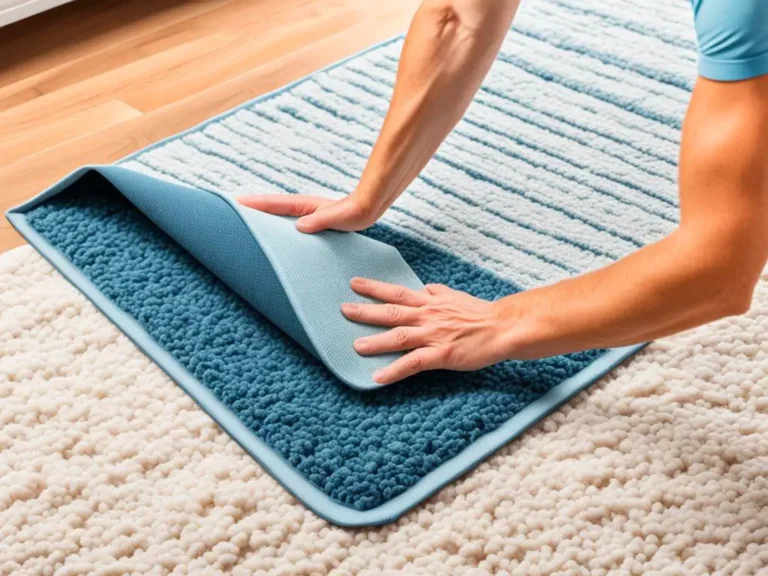
Next, lift the rug rather than leaving it flat on the floor. Hang it over a suitable rack or bar where air can reach both sides. Make sure it is secure and does not block a walkway or create a falling hazard.
Finally, check the floor before putting the rug back. Wipe up puddles and let the area dry. If the same spot becomes wet again without a clear reason, investigate a leak or water source instead of repeating the drying routine.
Source: screenrant.com
Lift after each shower
Hang the rug so its underside can dry instead of pressing it against the floor.
Run the exhaust fan
Use working ventilation to help remove humid air from the bathroom.
Wipe up puddles
Remove standing water from tile, grout, and nearby floor edges.
Wash on a regular schedule
Set a routine based on how often the rug gets wet, how many people use it, and the care label.
Keep the floor clear while drying
Do not replace the rug until the floor and its backing are dry.
A Simple Daily Bathroom Rug Routine
After your shower, hang the rug over a drying rack or another safe support. Spread it out rather than folding it into a thick bundle. This allows air to move around the fibers and backing.
Check the floor before you leave the bathroom. If water has collected under the rug or near the tub, wipe it away. If the bathroom feels humid, use the exhaust fan as directed and keep the room ventilated where practical.
Before the next shower, touch the rug’s underside and check the floor. Both should feel dry. If either remains damp, leave the rug hanging longer and look for a reason it is not drying.
After showering
Hang the rug and wipe up water that has reached the floor.
Later in the day
Check whether the rug has dried fully and whether the bathroom remains humid.
Before reuse
Put the rug back only when the underside and floor are dry.
How Often Should You Wash a Bathroom Rug?
There is no single washing schedule that suits every bathroom rug. A mat used by several people every day may need more frequent washing than one in a guest bathroom. A rug that gets soaked, collects visible dirt, or develops an odor needs attention sooner.
Follow the care label for water temperature, detergent, machine washing, and drying. If the rug is machine washable, avoid overloading the washer because the rug needs room to move and rinse. If the label calls for hand washing, use that method instead.
Wash the rug more often when it gets wet repeatedly or when household members track dirt onto it. Dry it fully after each wash. A clean rug that remains damp can still develop a moisture problem.
Use the care label
The label gives the best starting point for cleaning and drying the specific rug.
Wash when needed
Respond to frequent wetting, dirt, odor, and visible buildup rather than relying only on a calendar.
Dry completely
Do not place a wet rug back on the floor after washing.
How to Clean a Bathroom Rug That May Have Mold
If a rug has a musty smell or suspected mold, decide whether it can be cleaned safely before putting it back into use. A washable rug with a small amount of surface dirt may respond to normal laundering. A rug with deep growth, damaged backing, or a smell that persists after cleaning may be better replaced.
Read the manufacturer’s care instructions first. Check whether the rug can go in a washing machine, what water temperature is allowed, and whether it must air dry. Some materials and backings can break down when exposed to high heat or strong chemicals.
If you can safely wash the rug, use a suitable detergent and the recommended cycle. Do not mix cleaning products, especially bleach with ammonia or acidic cleaners, because dangerous gases can form. Keep the room ventilated and avoid shaking a visibly moldy rug, which can release particles into the air.
After cleaning, dry the rug completely before returning it to the floor. Check both sides and smell the rug once it is dry. If spots remain, the backing is deteriorating, or the musty odor returns, do not assume another wash will solve the problem. Consider replacing the rug and inspect the floor for a continuing source of moisture.
Source: observatoriodocinema.com.br
Read the label
Confirm that the rug can be washed and identify any restrictions on heat or cleaning products.
Clean gently
Use a compatible detergent and avoid mixing chemicals or using unapproved treatments.
Dry both sides
Allow the rug and backing to dry fully in a well-ventilated area.
Inspect after drying
Check for a remaining odor, damaged backing, or spots that may need further assessment.
Should You Use Bleach on a Moldy Bathroom Rug?
Bleach is not suitable for every bathroom rug. It may discolor fabric, weaken fibers, or damage a rubber or latex backing. A product that is safe for a hard surface may not be safe for a textile.
Do not apply bleach unless the rug’s care instructions and the product label allow that use. Never mix bleach with vinegar, ammonia, toilet cleaner, or other cleaning chemicals. Mixing these products can release harmful gases.
For a washable rug, start with the approved cleaning method. If the rug has extensive visible growth, a damaged backing, or an odor that persists after proper washing and drying, replacement may be the more practical option.
Check compatibility
Make sure any cleaning product is approved for the rug’s material.
Never mix chemicals
Use one product at a time and follow its label.
Replace when necessary
Do not keep using a rug that remains moldy or cannot be cleaned effectively.
Can You Put a Bathroom Rug in the Dryer?
Some bathroom rugs can go in a clothes dryer, while others must air dry. The right method depends on the fibers, backing, foam, and manufacturer’s instructions. High heat can damage some rubber-backed rugs and memory foam mats.
If the label permits machine drying, follow its temperature and cycle guidance. If it calls for air drying, hang the rug where both sides receive airflow. Do not put a rug back on the floor while the underside is still damp.
Machine-dry only when allowed
Follow the manufacturer’s specified temperature and cycle.
Air-dry when required
Hang the rug in a ventilated place and spread it out.
What to Do if Mold Appears Under Your Bathroom Rug
If you find suspected mold beneath a rug, remove the rug from the area and address the moisture source. Do not simply cover the spot with a clean mat. The floor needs to be inspected, cleaned as appropriate for its material, and dried before you put anything back.
If the floor is hard, intact, and has only a small surface area of suspected growth, careful cleaning may be enough. Use a cleaning product suitable for that surface and follow its label. Wear gloves when needed, ventilate the area, and avoid mixing chemicals.
Porous materials can be harder to clean if mold grows into them. Carpet padding, damaged wood, some ceiling materials, and other absorbent building products may need professional assessment or removal when growth extends below the surface. Do not pull apart damaged flooring or open a wall if doing so could expose you to hidden mold or create another hazard.
If the damp area returns, the floor feels soft, or you suspect a plumbing leak, arrange an inspection. A plumber may be needed for a leak, while a qualified mold or water-damage professional can assess extensive or hidden growth. Fixing the source is more important than cleaning the visible stain alone.
Source: alamy.com
Remove the rug
Keep the affected area uncovered while you assess the moisture and floor condition.
Find the source
Check for shower splashes, plumbing leaks, and water entering through damaged seals.
Clean suitable surfaces
Use a method compatible with the floor material and follow product safety directions.
Dry the area
Do not replace the rug until the floor is fully dry.
Seek help when needed
Arrange professional assessment for extensive growth, hidden moisture, or damaged building materials.
When Is Professional Mold Cleanup Needed?
Professional help may be needed when the affected area is large, mold returns after cleaning, water has reached hidden building materials, or the source of moisture is unclear. A persistent leak or repeated flooding also calls for more than routine rug care.
People with asthma, mold allergies, chronic lung disease, or weakened immune systems may need to avoid cleaning mold themselves. If someone develops symptoms that seem linked to damp indoor spaces, a health professional can help assess the concern.
Do not rely on a home mold test alone to decide whether a room is safe. Visible growth and ongoing dampness are enough reasons to investigate and correct the moisture problem. A qualified professional can help assess the affected materials and the work needed.
Extensive growth
Get professional advice when mold covers a large area or affects multiple surfaces.
Hidden water damage
Seek an inspection if the floor, walls, or subfloor may be wet.
Higher health risk
People with relevant health conditions should avoid direct cleanup and seek suitable guidance.
How Bathroom Ventilation Helps Prevent Mold
Bathroom ventilation helps reduce the moisture that allows mold to grow. A working exhaust fan moves humid air out of the room, while a window can provide additional airflow when outdoor conditions allow. These steps help the rug dry faster, but they do not replace cleaning or fixing leaks.
Use the exhaust fan during showers and leave it running afterward according to its instructions. The needed run time depends on the fan, bathroom size, shower length, and amount of moisture. If mirrors stay foggy for a long time or surfaces remain damp, the room may need better ventilation or a check of the existing fan.
Keep the fan grille free of dust and follow the manufacturer’s maintenance instructions. If the fan is noisy, weak, or appears not to move air, it may need cleaning or repair. Electrical work should be handled safely, and wiring repairs should be left to a qualified person.
In a bathroom without an exhaust fan, open a window when weather, privacy, and outdoor humidity permit. Wipe down wet surfaces and hang the rug in a room with good airflow. In humid parts of the United States, outdoor air may not always help a damp room dry, so use ventilation suited to local conditions.
Source: alamy.com
Use ventilation during showers
Remove humid air while moisture is being added to the room.
Keep air moving
Hang the rug in a location where air can reach its underside.
Maintain the fan
Clean and inspect it according to its instructions.
Watch for lingering moisture
Persistent condensation or damp surfaces may indicate that ventilation needs attention.
Does a Dehumidifier Help Bathroom Rugs Dry?
A dehumidifier can help when indoor humidity stays high, especially in a bathroom with limited ventilation. By removing moisture from the air, it can support faster drying of damp materials. It cannot remove water trapped under a rug or repair a leak.
Use a dehumidifier according to its instructions and keep it away from splashes and wet areas. Electrical devices should not be placed where they could get wet. For small bathrooms, improving the exhaust fan and hanging the rug may be enough without adding another appliance.
Useful for high indoor humidity
May help the room and hanging rug dry when ventilation alone is not enough.
Not a leak repair
Find and fix water entering from pipes, fixtures, or damaged seals.
Choosing a Bathroom Rug That Is Easier to Keep Dry
Choose a bathroom rug that suits your floor, absorbs the water you expect, and can dry fully between uses. A low-profile rug may be easier to hang and wash than a very thick mat. However, the best choice depends on the bathroom’s use, the rug’s backing, and the available drying space.
Check the care label before buying. A rug that can be machine washed may be easier to maintain in a busy household, while a delicate or nonwashable rug may need more effort. Consider whether the rug can fit in your washer and dryer, if those methods are allowed.
Think about slip resistance as well as moisture. A rug that slides on tile can cause a fall, but a backing that stays wet can create another problem. Use a product suited to the flooring and follow the manufacturer’s guidance on placement and care.
Avoid assuming that a label such as quick-drying, antimicrobial, or mold-resistant guarantees protection in every bathroom. Product features vary, and no rug can prevent mold if water remains trapped beneath it or the room has an unresolved leak.
Source: screenrant.com
Material
Consider how much water the rug absorbs and how easily its fibers dry.
Backing
Check whether the backing can be cleaned safely and whether it may trap moisture.
Washability
Choose care instructions you can follow as part of your normal household routine.
Drying space
Make sure you have a safe place to hang or lay the rug until it is fully dry.
Floor compatibility
Use a suitable rug and backing for your flooring, especially with wood and vinyl surfaces.
Are Bamboo Bath Mats Less Likely to Get Mold?
Bamboo bath mats with slatted construction allow air to move around the surface and do not absorb water in the same way as a thick fabric rug. This can make them easier to wipe dry after use. However, water and dirt can still collect between the slats or beneath the mat.
A bamboo mat is not mold-proof. Lift it regularly, clean it as directed, and let both the mat and floor dry. Check any feet or nonslip pads, because moisture may collect where the mat touches the floor.
Wipe after use
Remove visible water from the surface and allow the mat to air dry.
Check underneath
Lift the mat to make sure the floor and contact points are not staying wet.
Frequently Asked Questions
Q
Can Bathroom Rugs Cause Mold on the Floor?
Yes. A wet rug can trap moisture against the floor, which may support mold growth on dirt, grout, or nearby porous materials. Some flooring types can also suffer water damage when moisture stays beneath a rug.
Lift the rug after showers, wipe up water, and let the floor dry before replacing it. If the same area remains damp or the floor begins to swell or change color, investigate the source of the water.
Q
How Do I Know if There Is Mold Under My Bath Mat?
A musty smell, unusual spots, a damp underside, or recurring floor stains can signal a problem. Lift the mat and inspect the backing, seams, and floor beneath it. These signs are clues rather than proof, because dirt, soap residue, and other stains can look similar.
If the area remains wet, smells musty after cleaning, or shows signs of floor damage, find the source of moisture. Consider professional help if growth extends into hidden or porous building materials.
Q
Should I Leave My Bathroom Rug on the Floor All Day?
You can leave a rug on the floor when it and the floor are fully dry, but a damp rug should be lifted to allow airflow. This is especially important after showers or when several people use the bathroom in a short period.
If your bathroom has poor ventilation, a thick rug, or a backing that traps water, hang it between uses. Put it back only after the underside and floor have dried.
Q
Can Washing a Bathroom Rug Kill Mold?
Proper washing may remove some surface growth and dirt from a washable rug, but success depends on the material, the extent of growth, and the cleaning method. Washing does not solve a leak or guarantee that growth deep inside a dense rug or damaged backing has been removed.
Follow the care label, avoid mixing cleaning products, and dry the rug fully. If the musty smell or visible growth remains after proper cleaning, replacing the rug may be the safer and simpler choice.
Q
How Often Should I Replace a Bathroom Rug?
There is no fixed replacement interval for every bathroom rug. Replace it when the backing breaks down, the fibers remain damaged or dirty, or a musty odor and suspected growth persist despite suitable washing and complete drying.
A well-maintained rug may last longer than one that is repeatedly soaked and left on the floor. Inspect it regularly and pay attention to its condition rather than relying only on its age.
Q
Can a Moldy Bathroom Rug Make You Sick?
Damp indoor spaces and mold exposure can trigger allergic reactions or asthma symptoms in some people. The effects vary by person, and the appearance or color of a spot does not tell you how harmful it is.
Avoid direct cleanup if you have asthma, a mold allergy, chronic lung disease, or a weakened immune system. If you have ongoing symptoms that may be related to damp indoor conditions, contact a health professional.
Q
Do Mold-Resistant Bathroom Rugs Prevent Mold Completely?
No. A product described as mold-resistant may have features intended to limit certain forms of growth, but the label does not mean it cannot develop mold under all conditions. Performance depends on the material, product design, care, and moisture exposure.
Even with a rug marketed as mold-resistant, keep the mat clean, dry it between uses, and address leaks or poor ventilation. Moisture control remains the key step.
✦ Wrapping Up
Conclusion
Bathroom rugs can cause mold problems when they hold water against the floor or stay damp for long periods. Thick fibers, dense foam, and some backing materials can slow drying, but any rug can become a problem if moisture has nowhere to go.
The easiest way to lower the risk is to lift the rug after showers, let air reach both sides, wash it according to its care label, and make sure the floor is dry before putting it back. Good ventilation also helps remove humid air and supports faster drying.
If you notice a musty smell, visible growth, or a damp patch beneath the rug, do not cover it and hope it goes away. Clean suitable surfaces, inspect for leaks, and seek professional help if the moisture persists or hidden building materials may be affected.
💡 Key Takeaway
After your next shower, lift your bathroom rug, check the underside and floor, wipe up any water, and hang the rug until both sides are fully dry.












2 Comments