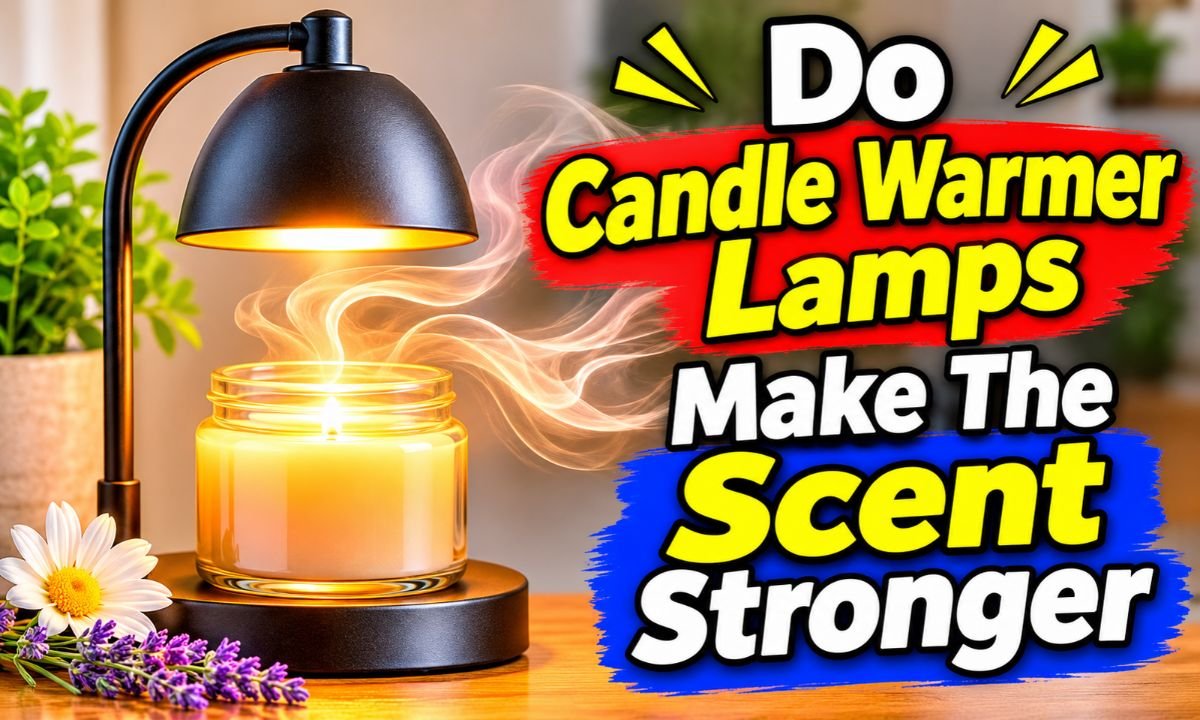
Yes, a candle warmer lamp can make a candle’s fragrance more noticeable, but it does not always make the scent stronger than a burning candle.
In American homes, scented candles are often used in living rooms, bedrooms, kitchens, and bathrooms to make a space feel warm and inviting. A candle warmer lamp offers another way to enjoy those scents without lighting a wick. It uses an electric bulb to heat the wax from above, allowing fragrance to spread through the room.
The scent can seem stronger or more even because the lamp warms a broad area of wax at once. However, the result depends on the candle, the bulb’s heat, the distance between the lamp and the jar, and the size of the room. A warmer may give you a gentle, steady scent, while a lit candle may create a different fragrance pattern as its melt pool and flame develop.
Source: gadgetsfeed.com
How a Candle Warmer Lamp Releases Fragrance
A candle warmer lamp releases fragrance by heating the wax rather than burning it. Its bulb sends heat down toward the top of a jar candle. As the wax warms and melts, the fragrance oils mixed into it can move from the liquid surface into the air.
This process is different from burning a candle. With a lit wick, the flame melts wax near the wick and draws liquid wax upward. The flame then burns the fuel. With a warmer lamp, the wax is heated by an electric source, so the wick stays unlit and the wax is not consumed by a flame.
The key point is that the wax carries the fragrance. Heat helps the fragrance leave the wax and enter the room. A warmer does not create new fragrance or add more perfume to the candle.
Source: scentgraph.com
The bulb provides heat
A compatible warming bulb sends heat toward the candle surface. The amount of heat depends on the bulb, lamp design, and distance from the wax.
The top layer melts
The wax softens and forms a liquid pool. This gives fragrance oils a warm surface from which to evaporate.
Fragrance enters the air
As fragrance compounds leave the warm wax, people nearby can smell them. Air movement then helps carry the scent around the room.
Why Heat Changes the Smell
Fragrance oils contain compounds that can evaporate into the air. Warming the wax helps these compounds leave the liquid surface. This is why an unlit candle may have a mild smell when you open the jar but become much more noticeable after its wax is heated.
Heat must be suitable for the candle and warmer. Too little heat may leave the wax barely melted and the fragrance faint. More heat may increase the release rate, but it can also use up the available fragrance faster.
Cold throw
This is the smell you notice from an unlit candle at room temperature.
Hot throw
This is the fragrance released when the candle wax is heated, either by a flame or by a suitable warmer.
Do Candle Warmer Lamps Smell Stronger Than Burning Candles?
Sometimes, but there is no universal winner. A warmer lamp may create a broad, steady melt pool across the top of the candle. This can expose more warm wax to the air than a small melt pool around a wick, which may help the fragrance become more noticeable.
A burning candle works differently. Its flame creates heat and air movement, and the size of its melt pool changes as it burns. These factors affect how fragrance travels. The scent may feel stronger in one room with a lit candle and more even in another room with a warmer.
There is no reliable rule that every warmer lamp produces a stronger scent than every burning candle. A fair comparison would need the same candle, room, exposure time, airflow, and scent measurement method. Without those controls, claims that one method is always stronger are not established.
Source: realhomes.com
A warmer may smell more even
The lamp heats the top of the jar, which can create a broad fragrance-releasing surface.
A burning candle may spread scent differently
The flame creates its own heat and air movement, so the scent pattern may differ from a lamp.
The candle formula still matters
A candle with a light fragrance load may smell mild under either heating method.
Why Some People Notice a Stronger Scent Under a Lamp
A candle that tunnels or has a small melt pool may release fragrance less evenly while burning. A top-down lamp can warm a wider area of the wax surface. This may make the scent more noticeable, especially when the candle is new and has plenty of fragrance left.
The result also depends on the lamp’s heat output and setup. A bulb that sits too far from the candle may not warm the wax enough. A bulb that runs too hot may release fragrance quickly without giving you a longer-lasting scent.
A wide melt pool
More of the wax surface is warm and available to release fragrance.
A steady heat source
The lamp can maintain warmth while it is switched on, subject to its design and instructions.
Why a Warmer May Smell Weaker Than a Flame
A lamp may run too cool for the candle, or the bulb may be too far from the wax. The candle may also have a low fragrance load or may have been warmed many times already. In each case, the scent can be mild even when the wax melts.
Room conditions matter too. A large open-plan room, an open window, or a strong ventilation system can dilute and move fragrance away from where you sit. A candle that smells strong in a small bedroom may seem weak in a large living area.
Low heat at the wax
The surface may not become warm enough to release fragrance at a noticeable rate.
Old or depleted fragrance
Repeated warming can remove fragrance compounds even though much of the wax remains.
What Affects the Strength of a Candle Warmer Lamp?
The strength of the scent depends on more than the lamp’s wattage. The candle’s formula, the amount of wax being warmed, the bulb’s position, and the room all play a part. A good setup balances enough heat for fragrance release with a sensible warming time.
Think of the lamp as one part of a system. A powerful bulb cannot restore fragrance that has already evaporated. It also cannot make a lightly scented candle perform like a strongly scented one.
Source: candlewarmers.com
Fragrance load
The amount and type of fragrance in the wax affect how much scent the candle can release.
Wax type
Different wax blends soften and melt in different ways. Follow the candle maker’s care guidance when available.
Bulb heat and distance
The heat that reaches the wax depends on the bulb and how far it sits above the candle.
Room size and airflow
A large or well-ventilated room can make the same candle smell less strong.
Fragrance age
A candle that has been warmed often may have less fragrance left in its wax.
1. The Candle’s Fragrance Load
Fragrance load means the amount of fragrance oil blended into the wax. It is one of the main factors behind how much scent a candle can release. Two candles of the same size can smell very different because their formulas are not the same.
A warmer cannot add fragrance oil to a candle. If a candle has a mild scent by design, changing the lamp may make only a small difference. A candle made with a stronger fragrance formula may produce a more noticeable scent under the same conditions.
Choose a well-scented candle
If you want a noticeable fragrance, look for a candle described by its maker as having a strong scent throw.
2. Wax Type and Candle Design
Soy, paraffin, coconut, and blended waxes can behave differently when warmed. Their melting behavior and ability to hold and release fragrance depend on the full formula, not just the wax name. The wick, jar shape, and fragrance blend also matter when the candle is designed for burning.
Do not assume that a wax type always gives the strongest scent under a lamp. A candle maker’s instructions are a better guide than a broad claim about soy or paraffin.
Check the candle label
Use the candle within the care and heating guidance provided by its maker.
3. Bulb Wattage and Heat
Wattage tells you how much electrical power a bulb uses. It does not tell you the exact temperature of the wax. Lamp shade design, bulb type, height, and room conditions also affect how much heat reaches the candle.
A higher-wattage bulb may warm the wax faster, but it is not automatically the right choice. The wrong bulb can overheat the lamp or candle, damage parts, or create a safety risk. Use only the bulb type and wattage listed by the lamp maker.
Do not guess the bulb size
Check the lamp label or manual for the correct base, bulb type, and maximum wattage.
Use approved dimmer settings
If the lamp has a dimmer, use it as directed to adjust the warming level.
4. Lamp Height and Candle Size
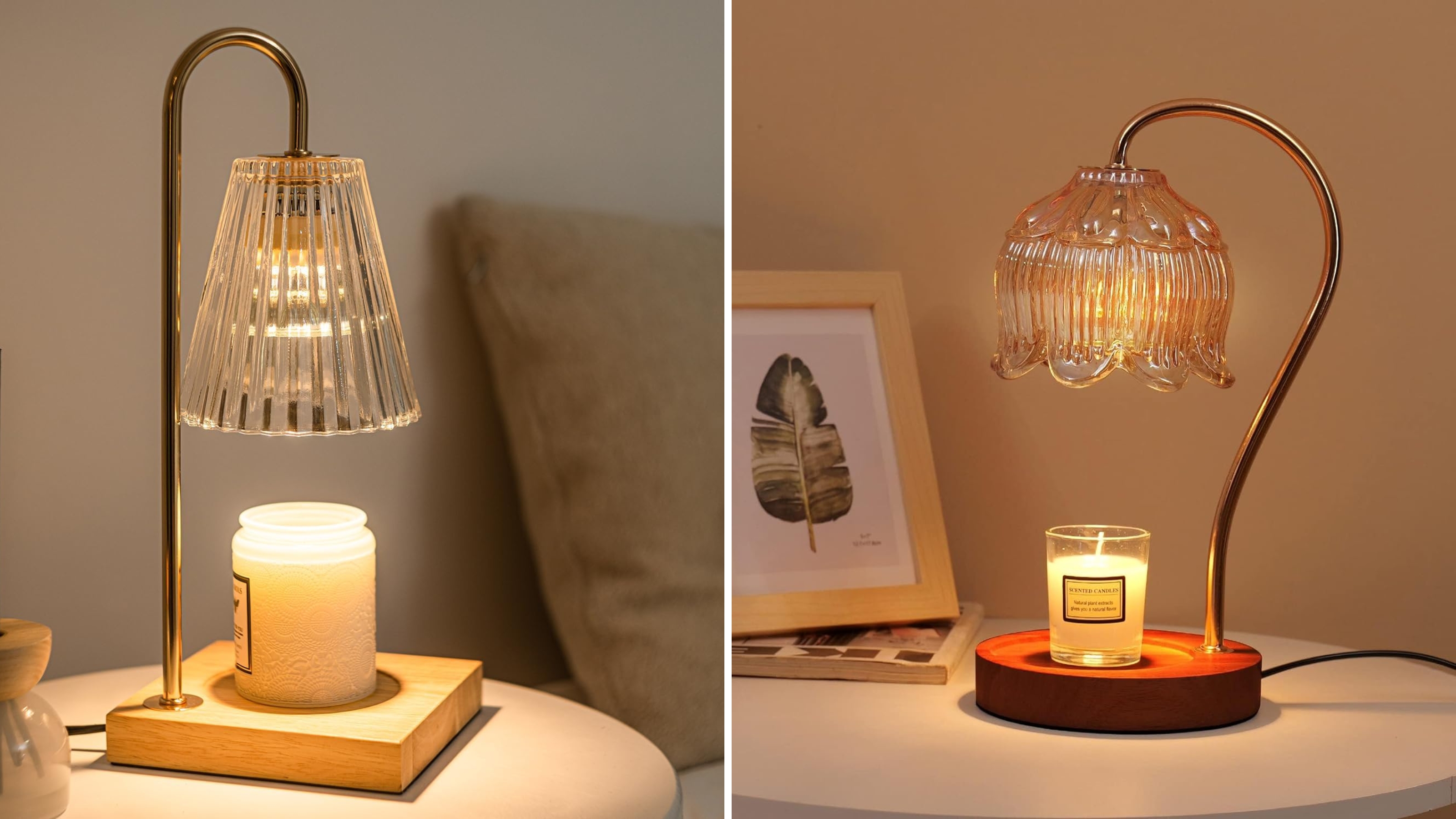
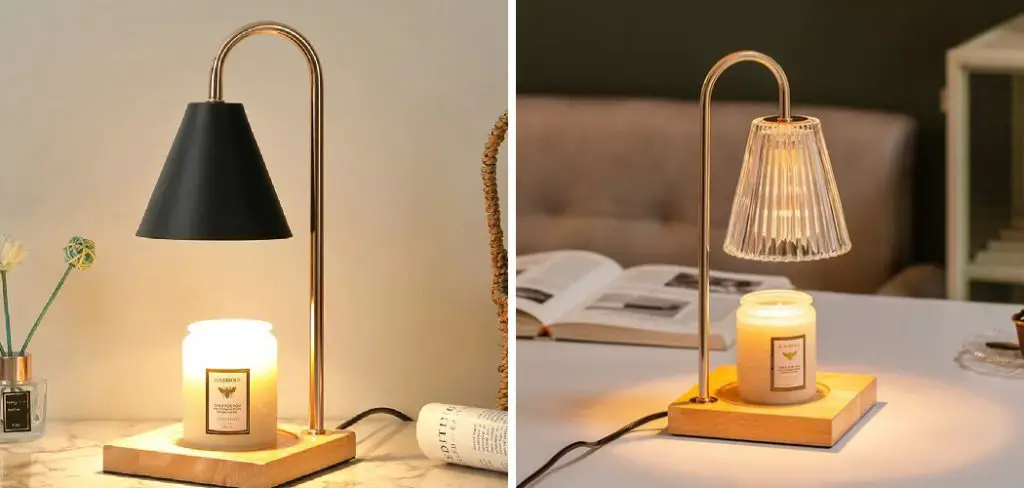
The distance between the bulb and the wax affects how much heat reaches the surface. A lamp with an adjustable arm can help you position the bulb for different jar heights. A fixed-height lamp may work best with candles within its stated size range.
A large jar may need more time to form a warm surface than a small jar. Do not raise or lower the bulb beyond the range allowed by the manufacturer, and never let the shade or bulb touch the candle or its container.
Match the candle to the lamp
Check the lamp’s maximum candle height and width before use.
5. Room Size and Airflow
A warmer that smells strong on a bedside table may seem weak in a large family room. The fragrance has more space to spread, and air from fans, open doors, windows, or HVAC vents can carry it away.
For a clearer scent, place the lamp in the room where you want the fragrance and avoid putting it directly beside a strong draft. Do not block vents or place the warmer in a cramped or unsafe spot just to trap the smell.
Start with a smaller room
A smaller space can make it easier to judge how well a candle releases fragrance.
How to Get a Stronger Scent From a Candle Warmer Lamp
To get a more noticeable scent, start with the candle and lamp instructions, then check the setup. You do not need to turn the heat to its highest level or leave the lamp on all day. Small changes to placement and warming time may help.
Use the following steps to find a setup that works without exceeding the lamp’s limits. Stop if the jar, lamp, cord, or nearby surface shows signs of damage or unusual heat.
Source: lightenify.com
Step 1: Choose a candle with a clear scent
Start with a candle that has a noticeable cold throw and a fragrance profile you enjoy.
Step 2: Check the lamp’s bulb
Confirm that the bulb is the correct type and wattage for your exact model.
Step 3: Position the candle correctly
Center the jar under the shade and keep it within the lamp’s approved height and size limits.
Step 4: Allow the wax to warm
Give the lamp time to form a melted surface. The time will vary with the candle and lamp.
Step 5: Judge the scent in the room
Move to the area where you want the fragrance and assess it after the wax has warmed.
Step 6: Turn the lamp off when needed
Use the timer or follow the manual’s operating limits. Do not leave the lamp running without a reason.
How to Tell Whether the Setup Is Working
A working setup should produce a noticeable fragrance as the wax warms. The top layer may become liquid, and the scent should be easier to notice near the candle than it was when the wax was cold.
The scent does not need to fill every corner of the home to show that the warmer works. A mild fragrance in a large room may reflect room size or airflow rather than a faulty lamp.
The wax surface warms
You can see a melted layer form on top of the candle.
The scent becomes noticeable
The fragrance is easier to detect near the warmer after the wax heats.
What to Do If the Scent Is Still Weak
First, check whether the wax is melting. If it remains firm, the lamp may be too far away, the bulb may be wrong, or the candle may be too large for the model. Check the manual before changing the setup.
If the wax melts but has little smell, the fragrance may be depleted. A candle can retain a large amount of wax after repeated warming because the wax is not being burned away. The remaining wax may no longer contain enough fragrance to produce a strong scent.
Wax does not melt
Check the approved bulb, lamp height, candle size, and power connection.
Wax melts but smells faint
Consider whether the candle has been warmed many times or has a naturally light fragrance.
Scent is strong near the lamp only
Consider room size and airflow before changing the bulb or candle.
Lamp or jar becomes unusually hot
Switch it off, unplug it when safe, and consult the maker’s instructions before using it again.
Does a Candle Warmer Lamp Make Candles Last Longer?
A candle warmer lamp can help the wax last longer because it does not burn the wax through a wick. When you switch the lamp off, the melted wax can cool and become solid again. This means the jar may stay nearly full even after many warming sessions.
However, longer-lasting wax does not mean endless fragrance. Fragrance compounds gradually leave the wax as it is warmed. Over time, the candle may produce a weaker smell even though plenty of solid wax remains in the jar.
This is one of the most important differences between wax use and scent life. A warmer can preserve the visible wax while the fragrance fades. Do not judge a candle’s remaining scent by how full the jar looks.
Source: realhomes.com
Wax remains
The warmer does not consume wax by combustion in the way a burning wick does.
Fragrance decreases
The fragrance can gradually evaporate during repeated heating.
The candle can become scentless
A jar may still contain wax after its noticeable fragrance has faded.
When Should You Replace or Refresh the Candle?
Consider replacing the candle when it no longer gives off a noticeable scent during normal use. If the candle maker provides guidance for removing spent wax, follow it carefully. Never pour hot wax into a sink or drain.
Some makers suggest removing a small amount of fragrance-depleted wax from the top once it has cooled enough to handle safely. This is not suitable for every candle or container, so check the candle maker’s instructions first. Do not scrape, pour, or handle hot wax while the warmer is operating.
Use the maker’s care advice
Different candle formulas and jars may have different limits and care instructions.
Do not overheat old wax
More heat cannot restore fragrance that has already left the wax.
Candle Warmer Lamp vs. Candle Warmer Plate
A candle warmer lamp heats the candle from above, while a warmer plate heats the jar from below. Both can release fragrance without lighting the wick, but their heating patterns differ. The best choice depends on the candle, the device, and the scent experience you want.
A lamp often uses a bulb and may have an adjustable height or dimmer. A plate uses a heated surface that contacts the base of the jar. Neither design guarantees a stronger scent in every situation.
Source: candlewarmers.com
Lamp warmer
Heats the wax surface from above. It may suit people who want a lamp-style design and a visible top-down melt pool.
Plate warmer
Transfers heat through the bottom of the candle jar. It may suit people who prefer a compact device without an overhead shade.
Which Warmer Should You Choose?
Choose a lamp if you want top-down heating and your candle fits the model’s size limits. Choose a plate if the device is designed for your jar and you prefer bottom heating. Check the maker’s instructions for both devices before use.
Do not compare devices by wattage alone. A lamp and a plate transfer heat in different ways, so the same wattage does not mean the wax will reach the same temperature or release the same amount of fragrance.
Check jar compatibility, base contact, surface heat, and the maximum candle size.
Common Mistakes That Can Reduce Scent or Create a Safety Risk
The most common mistake is trying to force a stronger smell by adding more heat. A warmer is an electrical heating device, and its bulb, shade, wiring, and base are designed for specific operating conditions. Using an unapproved bulb or changing the lamp’s parts can create a hazard.
Another mistake is leaving the warmer on for long periods in an empty room. This can waste fragrance and electricity. Use a built-in timer if available and follow the manufacturer’s stated operating limits.
Source: gadgetsfeed.com
Using the wrong bulb
An incorrect bulb may overheat the lamp or fail to warm the candle as intended. Use the exact approved type and wattage.
Placing the lamp near fabric
Keep curtains, paper, bedding, and other combustible items away from the hot bulb and shade.
Moving a candle while wax is liquid
Hot wax can spill and cause burns. Switch off the lamp and allow the candle to cool before moving it.
Touching the bulb or shade while hot
Allow the lamp to cool before replacing a bulb or cleaning it.
Leaving the cord in a walkway
Place the lamp where the cord will not be pulled, tripped over, or caught by children or pets.
Assuming no flame means no risk
An electric warmer removes the open flame but still creates heat and uses mains electricity.
Basic Safety Steps for U.S. Homes
Set the warmer on a stable, level surface that can tolerate heat. Keep it away from water, sinks, damp areas, and the edge of a table. Follow the electrical and clearance instructions supplied with the exact model.
Keep the lamp and hot candle out of reach of children and pets. The jar and melted wax can become hot enough to burn skin. Turn the lamp off when it is not in use, and unplug it before cleaning or replacing a bulb when the manual directs you to do so.
Buy a product with clear manufacturer details and instructions. A recent UK product safety report identified a specific candle warmer lamp model with a serious electric-shock risk due to faulty insulation and accessible metal parts. That report does not mean all candle warmer lamps are unsafe, but it shows why product quality and electrical safety matter.
Check the product information
Look for a clear model identity, suitable electrical rating, manufacturer contact details, and instructions.
Inspect before each use
Do not use a lamp with a damaged cord, loose plug, cracked shade, exposed wiring, or signs of overheating.
Stop if something seems wrong
Switch off and unplug the lamp if it sparks, smells of burning plastic, flickers abnormally, or becomes unusually hot.
How to Choose a Candle for a Stronger Fragrance
If your main goal is a noticeable scent, choose the candle carefully before changing your warmer. A lamp can release only the fragrance that the candle contains. A candle with a clear, pleasant cold throw may be a useful starting point, though cold throw alone does not guarantee strong performance when heated.
Think about the room and the scent you prefer. Fresh, woody, floral, and sweet fragrances can feel different to different people. A scent that seems strong to one person may be mild or overwhelming to someone else.
Source: lightenify.com
Read the candle description
Look for details about the fragrance profile and the intended room size, if the maker provides them.
Check the jar size
Make sure the candle fits safely under the lamp and within its stated size limits.
Avoid damaged candles
Do not warm a cracked jar or a candle with a damaged or unstable container.
Start with one candle
Do not place several candles under one lamp unless the manufacturer specifically permits that setup.
Can You Use Any Scented Candle Under a Warmer Lamp?
Not always. A candle must fit the warmer and have a container suitable for the heat involved. Some lamps have limits on jar width, height, and container materials. A candle that does not fit may sit too close to the bulb or shade.
Use the warmer only for the types of candles listed in its instructions. Never use a candle with a cracked glass jar, and do not light the wick while the candle is under a warmer unless the manufacturer explicitly says the product is designed for that use.
Follow both sets of instructions
Check the warmer manual and the candle maker’s guidance before using a candle under a lamp.
Research Notes and Useful Questions the Guide Addresses
The main reader question is whether a warmer lamp makes fragrance stronger. The useful answer is conditional: warming releases fragrance, but the strength depends on the candle, heat transfer, and room. Product explanations and candle-care pages describe this process, while individual scent comparisons do not establish one method as universally stronger.
Pages reviewed for this topic include a candle warmer explanation from Martha Stewart, a candle warmer review from Reach Wellth, a wax warming guide from The Wax Index, and Yankee Candle’s explanation of wax melts. Their coverage helps explain fragrance release and warmer use, but broad scent-strength claims need more caution than a simple yes or no.
Source: scentgraph.com
OBSERVED QUESTION: Does a warmer smell stronger than a flame?
This is the primary question in the requested topic. Reviewed pages offer mixed or conditional answers, so the article avoids a universal performance claim.
INFERRED NEXT NEED: Why does a candle still look full but smell weak?
This follows from the difference between wax consumption and fragrance evaporation. The guide explains why fragrance can fade while wax remains.
INFERRED NEXT NEED: Can a stronger bulb fix weak scent?
This follows from the role of heat in fragrance release. The guide explains why wattage is not a direct measure of wax temperature and warns against unapproved bulbs.
INFERRED NEXT NEED: Is a warmer still an electrical hazard?
This follows from the use of an electric heat source. The guide explains basic precautions and distinguishes a specific product safety report from a claim about all lamps.
Competitor Coverage and the Reader Benefit
The reviewed pages discuss how warm wax releases fragrance, how warmer lamps differ from flames, and how wax can remain after fragrance fades. Some make broad claims about stronger scent without a controlled comparison. This guide adds a clearer distinction between fragrance release and proven scent superiority.
The most useful extra detail is a practical troubleshooting path. Readers can check whether the wax melts, whether the bulb is correct, whether the candle still has fragrance, and whether room airflow is diluting the scent. This helps avoid unnecessary bulb changes or unsafe heating.
Coverage status: ANSWERED
How a lamp releases fragrance and why wax melts.
Coverage status: SHALLOW
Why scent strength varies with room size, airflow, heat, and fragrance depletion.
Coverage status: NOT ESTABLISHED
A universal claim that warmer lamps smell stronger than burning candles.
Frequently Asked Questions
Q
Do candle warmer lamps make candles smell stronger than burning?
They can, but not in every case. A lamp may warm a broad area of wax and release fragrance evenly, while a burning candle creates heat and airflow around its wick. The candle formula, room size, and warmer setup affect which one smells stronger.
Q
How long does it take for a candle warmer lamp to release scent?
The time varies with the candle size, wax blend, bulb, and distance between the bulb and the wax. Wait for the top layer to warm and begin melting, then judge the scent. Follow the lamp maker’s operating instructions rather than relying on one fixed time.
Q
Why does my candle warmer melt wax but produce no smell?
The candle may have lost much of its fragrance after repeated warming, or its formula may have a light scent. Room airflow can also make the fragrance hard to notice. If the wax melts but smells faint, more heat may not solve the problem.
Q
Does a candle warmer lamp use up the candle?
It does not burn the wax in the same way as a lit wick. The wax can cool and harden after the lamp is turned off, but fragrance compounds still leave the wax over time. The candle may remain full while its scent becomes weaker.
Q
Can I use a higher-wattage bulb to make the scent stronger?
No, not unless the lamp maker lists that bulb as compatible. A higher-wattage bulb can overheat the lamp or candle and may damage the product. Use the exact bulb type and maximum wattage stated in the manual.
Q
Are candle warmer lamps safer than burning candles?
An electric warmer removes the open flame, but it is not risk-free. The bulb, jar, wax, and lamp parts can become hot, and the device uses electricity. Keep it on a stable heat-resistant surface, away from flammable items, children, and pets, and follow the maker’s safety instructions.
✦ Wrapping Up
Conclusion
Candle warmer lamps can make a candle’s scent more noticeable by heating the wax and helping its fragrance oils enter the air. They may also provide a steady scent without a burning wick. However, they do not guarantee a stronger fragrance than a traditional candle.
The candle’s formula, remaining fragrance, bulb, lamp height, room size, and airflow all affect the result. A candle that has been warmed many times may smell weak even when the jar still contains plenty of wax. More heat cannot bring back fragrance that has already evaporated.
For the best result, use a compatible candle, follow the lamp’s bulb and height instructions, and place the warmer in the room where you want the scent. Avoid changing bulbs or extending heating time just to make the fragrance stronger.
💡 Key Takeaway
Start with a fresh, well-scented candle and the correct approved bulb. Let the wax warm as directed, check the scent in the room, and replace the candle when its fragrance has faded.








One Comment